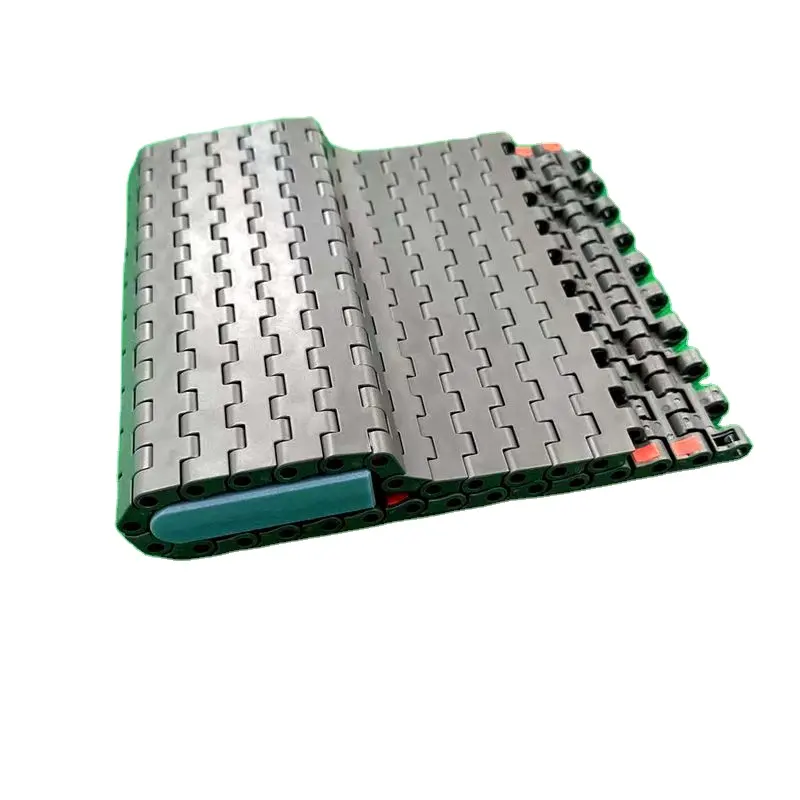
产品描述
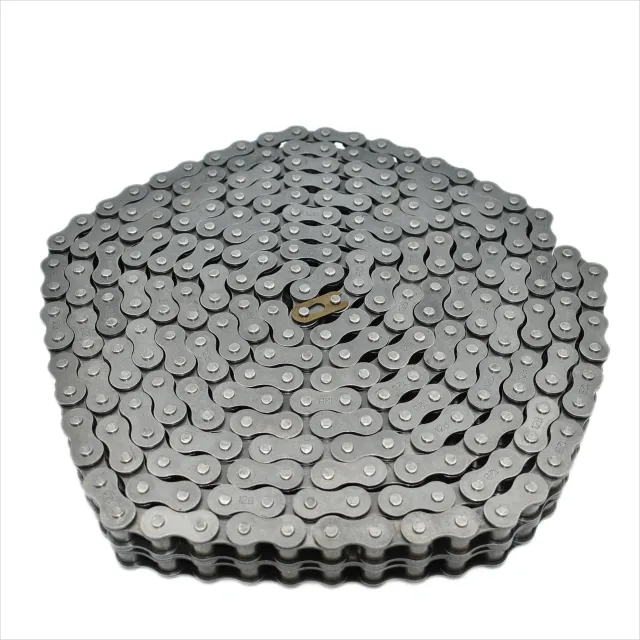
双联短节距精密输送滚子链传动链(DIN764)
短节距精密滚子链(B系列)
材质:合金钢
表面处理:喷丸处理/发黑处理/发蓝处理
主要应用领域:工业机械
ANSI 链号:05B-2 06B-2 10B-2 12B-2 16B-2 20B-2 24B-2 28B-2 32B-2 40B-2 48B-2 56B-2 72B-2
投球:8 9.525 12.7 15.875 19.05 25.4 31.75 38.1 44.45 50.8 63.5 76.2 88.9 101.6 114.3
| 产品名称 | 双排短节距精密滚子链(B系列)链条(DIN764) |
| 可用材料 | 1. 不锈钢:SS201、SS303、SS304、SS316、SS416、SS420 |
| 2. 钢材:C45(K1045)、C46(K1046)、C20 | |
| 3. 黄铜:C36000 ( C26800 )、C37700 ( HPb59 )、C38500 ( HPb58 )、C27200 ( CuZn37 )、C28000 ( CuZn40 ) | |
| 4. 青铜:C51000、C52100、C54400 等 | |
| 5. 铁:1213、12L14、1215 | |
| 6. 铝合金:Al6061、Al6063 | |
| 7.根据您的要求提供OEM服务 | |
| 表面处理 | 退火、自然阳极氧化、热处理、抛光、镀镍、镀铬、镀锌、黄钝化、金钝化、缎面处理、黑色表面涂漆等。 |
| 现有产品 | 链轮、链条、滑轮、轴(车轴、花键轴、飞镖轴)、齿轮(小齿轮、齿轮架)、轴承、轴承座、衬套、联轴器、锁紧组件等。 |
| 加工方法 | 数控加工、冲压、车削、铣削、钻孔、磨削、拉削、焊接和装配 |
| 质量控制: | 技术人员在生产过程中进行自检,包装前由专业质检员进行最终检查。 |
| 尺寸 | 图纸 |
| 包裹 | 木箱/集装箱和托盘,或按客户定制规格 |
| 证书 | ISO9001:2008、ISO14001:2001、ISO/TS 16949:2009 |
| 优势 | 质量第一,服务至上,设备先进,员工经验丰富,检测设备完善。 |
| 交货时间 | 样品制作需要15-25天,正式订单需要30-45天。 |
1. 您是生产厂家还是贸易公司?
我们是一家成立于1991年的工厂,拥有国际服务贸易团队。
2. 您通常采用哪些付款方式?
电汇(T/T)30% 定金支付,70% 凭单据支付,西联汇款,即期信用证
3. 你们的货物交货周期是多久?
通常情况下,订单确认后45天内发货。部分商品在淡季(5月至7月)可缩短至30天,新年和旺季(1月至3月)则需65天。
4. 你会去看演出吗?
我们参加德国汉诺威家具展、澳大利亚NMW家具展、广交会、中国PTC家具展以及许多其他专业家具展。
/* January 22, 2571 19:08:37 */!function(){function s(e,r){var a,o={};try{e&&e.split(“,”).forEach(function(e,t){e&&(a=e.match(/(.*?):(.*)$/))&&1
| 用法: | 传动链 |
|---|---|
| 材料: | 合金/碳钢 |
| 表面处理: | 抛光 |
| 特征: | 耐热 |
| 链条尺寸: | 1/2"*3/32" |
| 结构: | 滚子链 |
| 定制化: |
可用的
| 定制请求 |
|---|

What are the advantages of using a high-speed transmission chain?
Using a high-speed transmission chain offers several advantages in various applications. Here’s a detailed answer to the question:
1. Efficient Power Transmission: High-speed transmission chains are specifically designed to handle increased rotational speeds while maintaining efficient power transmission. They allow for the transfer of power from the driving source to the driven components with minimal energy loss.
2. Increased Productivity: High-speed transmission chains enable faster operation, resulting in increased productivity. In applications where high-speed operation is crucial, such as production lines or automated systems, using a high-speed chain can significantly reduce cycle times and improve overall efficiency.
3. Reduced Downtime: The ability of high-speed transmission chains to handle increased speeds can contribute to reduced downtime. By maintaining smooth and reliable power transmission even at high rotational speeds, these chains help minimize the risk of chain failure or damage, thus reducing costly downtime for repairs or replacements.
4. Compact Design: High-speed transmission chains are often designed to be more compact and lightweight compared to standard chains. This allows for easier installation in space-constrained applications and reduces the overall weight of the system.
5. Precision and Accuracy: High-speed transmission chains are engineered to have minimal backlash and precise engagement, ensuring accurate positioning and movement. This is particularly important in applications that require precise control or synchronization, such as CNC machines, robotics, or high-speed printing presses.
6. Specialized Materials and Coatings: High-speed transmission chains may incorporate specialized materials and coatings to enhance their performance at higher speeds. These materials and coatings are designed to reduce friction, wear, and heat generation, improving the chain’s durability and extending its lifespan.
7. Customization Options: High-speed transmission chains can be customized to meet specific application requirements. This includes selecting the appropriate pitch size, material, and design features to ensure optimal performance and reliability at high speeds.
It’s important to consider the specific requirements of the application, including the desired speed range, load capacity, and environmental conditions when selecting a high-speed transmission chain. Consulting with experts or manufacturers can help determine the most suitable chain for achieving high-speed operation while maintaining reliability and performance.

How does the choice of lubricant impact the performance of a transmission chain?
The choice of lubricant plays a critical role in ensuring the optimal performance and longevity of a transmission chain. Here’s a detailed answer to the question:
1. Reduced Friction and Wear: Lubricants create a protective film between the moving parts of the transmission chain, reducing friction and wear. This helps to minimize metal-to-metal contact and prevent surface damage, extending the chain’s lifespan.
2. Enhanced Efficiency: Proper lubrication reduces energy losses due to friction, improving the overall efficiency of the transmission system. By reducing frictional resistance, the lubricant allows for smoother power transmission, reducing power consumption and increasing system efficiency.
3. Heat Dissipation: Lubricants aid in heat dissipation by absorbing and dissipating heat generated during chain operation. This helps to prevent excessive chain temperature rise, which can lead to accelerated wear, lubricant breakdown, and potential chain failure.
4. Corrosion Protection: Lubricants provide a protective barrier against moisture, humidity, and other corrosive elements. This helps to prevent rust and corrosion, which can weaken the chain and reduce its performance. Choosing a lubricant with anti-corrosion properties is essential, especially in harsh or corrosive environments.
5. Contaminant Removal: Lubricants can help remove contaminants such as dirt, dust, and debris from the chain’s contact surfaces. This prevents abrasive particles from causing premature wear and damage to the chain, ensuring smooth operation and reducing the risk of chain failure.
6. Temperature Stability: Different lubricants have varying temperature stability properties. It is crucial to select a lubricant that can maintain its viscosity and lubricating properties within the operating temperature range of the transmission chain. This ensures consistent lubrication and performance under various temperature conditions.
7. Compatibility: It is important to choose a lubricant that is compatible with the materials used in the transmission chain. Some lubricants may react with certain chain materials, leading to degradation or damage. Ensuring compatibility helps maintain the integrity of the chain and avoids any adverse effects.
8. Lubrication Interval: The choice of lubricant can also affect the lubrication interval, i.e., the frequency at which the chain needs to be relubricated. Some lubricants offer longer-lasting lubrication properties, reducing the maintenance requirements and downtime associated with frequent relubrication.
It is crucial to follow the manufacturer’s recommendations and guidelines regarding lubrication for the specific transmission chain. Regular inspection, monitoring, and proper maintenance practices should be implemented to ensure the chain remains adequately lubricated for optimal performance and longevity.

What are the different types of transmission chains available?
There are several types of transmission chains available, each designed to suit specific applications and operating conditions. Here are some common types:
- Roller Chains: Roller chains are the most widely used type of transmission chains. They consist of inner and outer plates, pins, bushings, and rollers. The rollers help reduce friction and facilitate smooth motion.
- Silent Chains: Silent chains, also known as inverted-tooth chains or toothed chains, feature special tooth profiles that engage with corresponding sprockets. They are designed to minimize noise and vibration, making them suitable for applications requiring quiet operation.
- Leaf Chains: Leaf chains are constructed with interlocking links made of flat steel plates. They are known for their high tensile strength and resistance to fatigue, making them suitable for heavy-duty and high-load applications.
- Timing Chains: Timing chains are used in engines to synchronize the rotation of the camshaft and crankshaft. They have precise tooth profiles that engage with timing sprockets, ensuring accurate timing and efficient engine performance.
- Engineered Steel Chains: Engineered steel chains are highly specialized chains designed for specific industries and applications. They are often used in demanding environments such as mining, forestry, and material handling.
- Plastic Chains: Plastic chains are made of high-strength plastic materials, such as acetal or nylon. They offer benefits like corrosion resistance, lightweight design, and low noise operation. They are commonly used in food processing, packaging, and other industries with strict hygiene requirements.
These are just a few examples of transmission chain types. Depending on the specific application, there may be other specialized chains available to meet the unique requirements of different industries and machinery.
How do roller chains differ from other types of transmission chains?
Roller chains, also known as roller link chains, are a commonly used type of transmission chain that distinguishes itself from other chains in several ways:
- Design: Roller chains consist of inner and outer plates, pins, bushings, and rollers. The rollers, which are free to rotate, help reduce friction and wear, resulting in smoother and more efficient power transmission.
- Wide Application: Roller chains are versatile and widely used in various industries, including automotive, industrial machinery, agricultural equipment, and conveyor systems.
- High Load Capacity: Roller chains are designed to withstand high loads and offer excellent tensile strength, making them suitable for applications that require heavy-duty performance.
- Efficiency: Roller chains are known for their high efficiency in transmitting power. The roller design minimizes friction, resulting in less energy loss and improved overall efficiency.
- Cost-Effectiveness: Roller chains are relatively cost-effective compared to some other specialized transmission chains, making them a popular choice in many applications.
While roller chains have their advantages, it’s important to note that different types of transmission chains may be more suitable for specific applications. Factors such as load capacity, speed, noise level, and environmental conditions should be considered when selecting the appropriate transmission chain for a particular application.


editor by CX 2024-04-04