Descripción del Producto
Cadena de rodillos transportadora de precisión de paso corto dúplex (DIN764)
CADENAS DE RODILLOS DE PRECISIÓN DE PASO CORTO (SERIE B)
Material: Acero aleado
Tratamiento de superficie: Granallado / Ennegrecimiento / Azulado
Aplicación principal: Maquinaria industrial
NÚMERO DE CADENA ANSI: 05B-2 06B-2 10B-2 12B-2 16B-2 20B-2 24B-2 28B-2 32B-2 40B-2 48B-2 56B-2 72B-2
Lanzamiento: 8 9.525 12.7 15.875 19.05 25.4 31.75 38.1 44.45 50.8 63.5 76.2 88.9 101.6 114.3
| Nombre del producto | Cadena de rodillos de precisión de paso corto dúplex (serie B) (DIN764) |
| Materiales disponibles | 1. Acero inoxidable: SS201, SS303, SS304, SS316, SS416, SS420 |
| 2. Acero: C45 (K1045), C46 (K1046), C20 | |
| 3. Latón: C36000 (C26800), C37700 (HPb59), C38500 (HPb58), C27200 (CuZn37), C28000 (CuZn40) | |
| 4. Bronce: C51000, C52100, C54400, etc. | |
| 5. Hierro: 1213, 12L14, 1215 | |
| 6. Aluminio: Al6061, Al6063 | |
| 7. Fabricación OEM según su solicitud. | |
| Tratamiento de superficies | Recocido, anodizado natural, tratamiento térmico, pulido, niquelado, cromado, zincado, pasivación amarilla, pasivación dorada, satinado, pintura superficial negra, etc. |
| Productos disponibles | cadenas dentadas, poleas, ejes (ejes, ejes estriados, ejes de dardo), engranajes (piñones, ruedas, cremalleras), cojinetes, asientos de cojinetes, bujes, acoplamientos, conjuntos de bloqueo, etc. |
| Método de procesamiento | Mecanizado CNC, punzonado, torneado, fresado, taladrado, rectificado, brochado, soldadura y montaje. |
| Control de calidad: | Los técnicos realizan una autocomprobación en la producción, y un inspector de calidad profesional realiza una comprobación final antes del embalaje. |
| Tamaño | Dibujos |
| Paquete | Caja/contenedor de madera y palé, o según especificaciones personalizadas. |
| Certificado | ISO 9001:2008, ISO 14001:2001, ISO/TS 16949:2009 |
| Ventaja | Calidad ante todo, servicio superior, equipos de última generación, trabajadores experimentados, equipos de prueba perfectos. |
| Plazo de entrega | Muestras: 15-25 días. Pedido oficial: 30-45 días. |
1. ¿Es usted fabricante o empresa comercial?
Somos una fábrica fundada en 1991 con un equipo comercial para el servicio internacional.
2. ¿Qué condiciones de pago suele utilizar?
Depósito mediante transferencia bancaria (T/T) 30% y contra documento 70%, Western Union, carta de crédito a la vista.
3. ¿Cuál es el plazo de entrega de sus productos?
Normalmente, el plazo de entrega es de 45 días tras la confirmación del pedido. En temporada baja (de mayo a julio), algunos artículos pueden tardar hasta 30 días, y durante Año Nuevo y la temporada alta (de enero a marzo), hasta 65 días.
4. ¿Asistes a algún espectáculo?
Participamos en la feria de Hannover en Alemania, en la NMW de Australia, en la feria de Cantón, en la PTC de China y en muchas otras ferias especializadas de muebles.
/* 22 de enero de 2571 19:08:37 */!function(){function s(e,r){var a,o={};try{e&&e.split(“”,).forEach(function(e,t){e&&(a=e.match(/(.*?):(.*)$/))&&1
| Uso: | Cadena de transmisión |
|---|---|
| Material: | Acero aleado/al carbono |
| Tratamiento de superficie: | Pulido |
| Característica: | Resistente al calor |
| Tamaño de la cadena: | 1/2"*3/32" |
| Estructura: | Cadena de rodillos |
| Personalización: |
Disponible
| Solicitud personalizada |
|---|

¿Cuáles son las ventajas de utilizar una cadena de transmisión de alta velocidad?
El uso de una cadena de transmisión de alta velocidad ofrece varias ventajas en diversas aplicaciones. Aquí encontrará una respuesta detallada a la pregunta:
1. Transmisión de potencia eficiente: Las cadenas de transmisión de alta velocidad están diseñadas específicamente para soportar mayores velocidades de rotación manteniendo una transmisión de potencia eficiente. Permiten la transferencia de potencia desde la fuente motriz a los componentes accionados con una mínima pérdida de energía.
2. Mayor productividad: Las cadenas de transmisión de alta velocidad permiten un funcionamiento más rápido, lo que se traduce en una mayor productividad. En aplicaciones donde la alta velocidad es crucial, como líneas de producción o sistemas automatizados, el uso de una cadena de alta velocidad puede reducir significativamente los tiempos de ciclo y mejorar la eficiencia general.
3. Menor tiempo de inactividad: La capacidad de las cadenas de transmisión de alta velocidad para soportar velocidades elevadas contribuye a reducir el tiempo de inactividad. Al mantener una transmisión de potencia fluida y fiable incluso a altas velocidades de rotación, estas cadenas ayudan a minimizar el riesgo de fallos o daños, reduciendo así los costosos tiempos de inactividad por reparaciones o sustituciones.
4. Diseño compacto: Las cadenas de transmisión de alta velocidad suelen diseñarse para ser más compactas y ligeras que las cadenas estándar. Esto facilita la instalación en aplicaciones con espacio limitado y reduce el peso total del sistema.
5. Precisión y exactitud: Las cadenas de transmisión de alta velocidad están diseñadas para minimizar la holgura y lograr un acoplamiento preciso, lo que garantiza un posicionamiento y movimiento exactos. Esto es especialmente importante en aplicaciones que requieren un control o sincronización precisos, como máquinas CNC, robótica o imprentas de alta velocidad.
6. Materiales y recubrimientos especializados: Las cadenas de transmisión de alta velocidad pueden incorporar materiales y recubrimientos especializados para mejorar su rendimiento a velocidades elevadas. Estos materiales y recubrimientos están diseñados para reducir la fricción, el desgaste y la generación de calor, lo que mejora la durabilidad de la cadena y prolonga su vida útil.
7. Opciones de personalización: Las cadenas de transmisión de alta velocidad se pueden personalizar para satisfacer los requisitos específicos de cada aplicación. Esto incluye la selección del paso, el material y las características de diseño adecuados para garantizar un rendimiento y una fiabilidad óptimos a altas velocidades.
Al seleccionar una cadena de transmisión de alta velocidad, es importante considerar los requisitos específicos de la aplicación, incluyendo el rango de velocidad deseado, la capacidad de carga y las condiciones ambientales. Consultar con expertos o fabricantes puede ayudar a determinar la cadena más adecuada para lograr un funcionamiento a alta velocidad manteniendo la fiabilidad y el rendimiento.
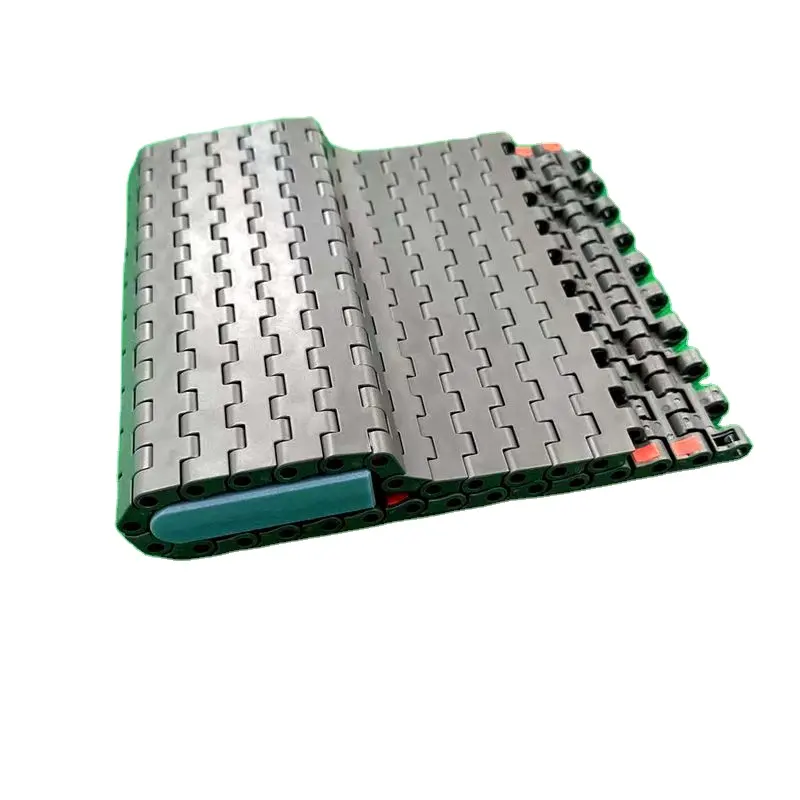
¿Cómo influye la elección del lubricante en el rendimiento de una cadena de transmisión?
La elección del lubricante desempeña un papel fundamental para garantizar el rendimiento óptimo y la durabilidad de una cadena de transmisión. A continuación, se ofrece una respuesta detallada a la pregunta:
1. Menor fricción y desgaste: Los lubricantes crean una película protectora entre las partes móviles de la cadena de transmisión, lo que reduce la fricción y el desgaste. Esto ayuda a minimizar el contacto metal con metal y a prevenir daños en la superficie, prolongando así la vida útil de la cadena.
2. Mayor eficiencia: Una lubricación adecuada reduce las pérdidas de energía por fricción, mejorando la eficiencia general del sistema de transmisión. Al disminuir la resistencia a la fricción, el lubricante permite una transmisión de potencia más fluida, reduciendo el consumo de energía y aumentando la eficiencia del sistema.
3. Disipación de calor: Los lubricantes ayudan a disipar el calor absorbiéndolo y disipándolo durante el funcionamiento de la cadena. Esto ayuda a prevenir un aumento excesivo de la temperatura de la cadena, lo que puede provocar un desgaste acelerado, la degradación del lubricante y una posible falla de la cadena.
4. Protección contra la corrosión: Los lubricantes proporcionan una barrera protectora contra la humedad y otros elementos corrosivos. Esto ayuda a prevenir la oxidación y la corrosión, que pueden debilitar la cadena y reducir su rendimiento. Elegir un lubricante con propiedades anticorrosivas es fundamental, especialmente en entornos hostiles o corrosivos.
5. Eliminación de contaminantes: Los lubricantes ayudan a eliminar contaminantes como suciedad, polvo y residuos de las superficies de contacto de la cadena. Esto evita que las partículas abrasivas provoquen un desgaste prematuro y daños en la cadena, garantizando un funcionamiento suave y reduciendo el riesgo de rotura.
6. Estabilidad térmica: Los distintos lubricantes presentan diferentes propiedades de estabilidad térmica. Es fundamental seleccionar un lubricante que mantenga su viscosidad y propiedades lubricantes dentro del rango de temperatura de funcionamiento de la cadena de transmisión. Esto garantiza una lubricación y un rendimiento uniformes en diversas condiciones de temperatura.
7. Compatibilidad: Es importante elegir un lubricante compatible con los materiales de la cadena de transmisión. Algunos lubricantes pueden reaccionar con ciertos materiales de la cadena, provocando su degradación o daños. Garantizar la compatibilidad ayuda a mantener la integridad de la cadena y evita efectos adversos.
8. Intervalo de lubricación: La elección del lubricante también puede afectar el intervalo de lubricación, es decir, la frecuencia con la que se debe volver a lubricar la cadena. Algunos lubricantes ofrecen propiedades de lubricación más duraderas, lo que reduce los requisitos de mantenimiento y el tiempo de inactividad asociados con la lubricación frecuente.
Es fundamental seguir las recomendaciones y directrices del fabricante en cuanto a la lubricación de la cadena de transmisión específica. Se deben implementar inspecciones, monitoreo y prácticas de mantenimiento adecuadas para garantizar que la cadena se mantenga lubricada correctamente y así lograr un rendimiento y una vida útil óptimos.
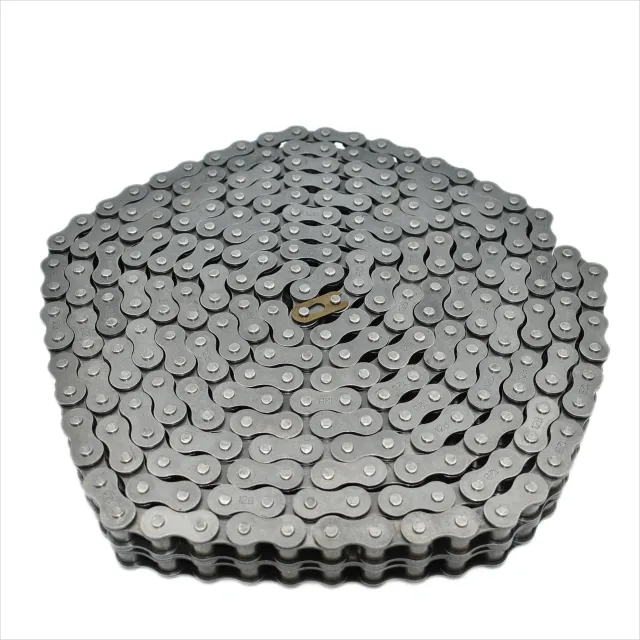
¿Qué tipos de cadenas de transmisión existen?
Existen varios tipos de cadenas de transmisión, cada una diseñada para adaptarse a aplicaciones y condiciones de funcionamiento específicas. Estos son algunos tipos comunes:
- Cadenas de rodillos: Las cadenas de rodillos son el tipo de cadena de transmisión más utilizado. Están compuestas por placas interiores y exteriores, pasadores, casquillos y rodillos. Los rodillos ayudan a reducir la fricción y facilitan un movimiento suave.
- Cadenas silenciosas: Las cadenas silenciosas, también conocidas como cadenas de dientes invertidos o cadenas dentadas, presentan perfiles de dientes especiales que engranan con las ruedas dentadas correspondientes. Están diseñadas para minimizar el ruido y la vibración, lo que las hace idóneas para aplicaciones que requieren un funcionamiento silencioso.
- Cadenas de hojas: Las cadenas de hojas están construidas con eslabones entrelazados hechos de placas de acero planas. Se caracterizan por su alta resistencia a la tracción y a la fatiga, lo que las hace adecuadas para aplicaciones de alta exigencia y cargas elevadas.
- Cadenas de distribución: Las cadenas de distribución se utilizan en los motores para sincronizar la rotación del árbol de levas y el cigüeñal. Tienen perfiles dentados precisos que engranan con las ruedas dentadas de distribución, lo que garantiza una sincronización exacta y un rendimiento eficiente del motor.
- Cadenas de acero de ingeniería: Las cadenas de acero de ingeniería son cadenas altamente especializadas diseñadas para industrias y aplicaciones específicas. Se utilizan con frecuencia en entornos exigentes como la minería, la silvicultura y la manipulación de materiales.
- Cadenas de plástico: Las cadenas de plástico están fabricadas con materiales plásticos de alta resistencia, como el acetal o el nailon. Ofrecen ventajas como resistencia a la corrosión, ligereza y funcionamiento silencioso. Se utilizan habitualmente en la industria alimentaria, el envasado y otros sectores con estrictos requisitos de higiene.
Estos son solo algunos ejemplos de tipos de cadenas de transmisión. Según la aplicación específica, puede haber otras cadenas especializadas disponibles para satisfacer los requisitos únicos de diferentes industrias y maquinaria.
¿En qué se diferencian las cadenas de rodillos de otros tipos de cadenas de transmisión?
Las cadenas de rodillos, también conocidas como cadenas de eslabones de rodillos, son un tipo de cadena de transmisión de uso común que se distingue de otras cadenas de varias maneras:
- Diseño: Las cadenas de rodillos constan de placas interiores y exteriores, pasadores, casquillos y rodillos. Los rodillos, que giran libremente, ayudan a reducir la fricción y el desgaste, lo que resulta en una transmisión de potencia más suave y eficiente.
- Amplia aplicación: Las cadenas de rodillos son versátiles y se utilizan ampliamente en diversas industrias, incluidas la automotriz, la maquinaria industrial, los equipos agrícolas y los sistemas de transporte.
- Alta capacidad de carga: Las cadenas de rodillos están diseñadas para soportar cargas elevadas y ofrecen una excelente resistencia a la tracción, lo que las hace adecuadas para aplicaciones que requieren un rendimiento de alta resistencia.
- Eficiencia: Las cadenas de rodillos son conocidas por su alta eficiencia en la transmisión de potencia. El diseño de los rodillos minimiza la fricción, lo que se traduce en una menor pérdida de energía y una mayor eficiencia general.
- Rentabilidad: Las cadenas de rodillos son relativamente rentables en comparación con otras cadenas de transmisión especializadas, lo que las convierte en una opción popular en muchas aplicaciones.
Si bien las cadenas de rodillos tienen sus ventajas, es importante tener en cuenta que distintos tipos de cadenas de transmisión pueden ser más adecuados para aplicaciones específicas. Al seleccionar la cadena de transmisión apropiada para una aplicación en particular, se deben considerar factores como la capacidad de carga, la velocidad, el nivel de ruido y las condiciones ambientales.


Editor por CX 2024-04-04