Descrizione del prodotto
Informazioni sulla fabbrica
Con più di 18 anni di storiaSiamo un produttore professionale di prodotti forgiati a caldo come catene forgiate (X348 X458 X658 X678 X698 F100 F160), catene raschianti (10160, 14218, 14226, 142N), carrelli trasportatori (X348, X458, X678, XT160) e catene di trasmissione (X348, X458, X678), e così via, utilizzando stampi standard per catene.
Inoltre, possiamo anche produrre, su vostro disegno o campione, catene a maglie speciali, spingitori, perni e piastre, in base alle esigenze specifiche dei clienti.
Descrizione del prodotto
1) Materiale: acciaio legato, 40Cr, 42CrMo e così via.
2) Tipologie: Tipi standard, X348, X458, X678 e così via. (Oppure secondo il vostro disegno)
3) Processo: Stampaggio→Forgiatura→Lucidatura e sabbiatura→Lavorazione di precisione→Trattamento termico→Sabbiatura→Ispezione e collaudo→Imballaggio
Presentazione del prodotto
Dati tecnici
| Modello | Dimensione | Peso (kg) | Materiale | Durezza | Carico di lavoro (kN) | Carico limite (kN) | ||||||
| P | T | C | S | F | R | D | ||||||
| 10160B | 101.6 | 24 | 36 | 13 | 14 | 6 | 14 | 0.32 | 20CrMnTi | HRC superficiale 56-64° Profondità 0,6-1,2 mm |
18 | 100 |
| 10160 | 101.6 | 30 | 36 | 13 | 14.5 | 9 | 14 | 0.36 | 20CrMnTi | Durezza superficiale HRC56-64° Profondità 0,6-1,2 mm | 21.6 | 120 |
| 14218 | 142 | 42 | 50 | 19 | 20.5 | 11 | 25 | 1.15 | 20CrMnTi | Durezza superficiale HRC56-64° Profondità 0,6-1,2 mm | 48.6 | 270 |
| 14226 | 142 | 62 | 50 | 28 | 30 | 15 | 25 | 1.75 | 20CrMnTi | Durezza superficiale HRC56-64° Profondità 0,6-1,2 mm | 61.2 | 340 |
| 2571 | 200 | 66 | 60 | 30 | 32 | 18 | 30 | 2.8 | 20CrMnTi | Durezza superficiale HRC56-64° Profondità 0,6-1,2 mm | 72 | 400 |
| 26014 | 260 | 70 | 75 | 31 | 33 | 20 | 34 | 5.2 | 20CrMnTi | Durezza superficiale HRC56-64° Profondità 0,6-1,2 mm | 135 | 750 |
| 142N | 142 | 43 | 50 | 19 | 22 | 12.5 | 25 | 1.2 | 40Cr | Tempra HRC36-44° | 75.6 | 420 |
| 150D | 142 | 42 | 50 | 19 | 20.5 | 11 | 25 | 1.15 | 40Cr | Tempra HRC36-44° | 75.6 | 420 |
| MG20 | 200 | 70 | 50 | 27 | 29 | 17 | 35 | 3.78 | 40Cr | Tempra HRC36-44° | 144 | 800 |
| MG20B | 200 | 70 | 50 | 27 | 29 | 17 | 30 | 3.82 | 40Cr | Tempra HRC36-44° | 140.4 | 780 |
| MG20C | 200 | 70 | 50 | 27 | 29 | 17 | 28 | 3.85 | 40Cr | Tempra HRC36-44° | 122.4 | 680 |
| MS32 | 200 | 42 | 50 | 20 | 22 | 12 | 25 | 1.4 | 40Cr | Tempra HRC36-44° | 75.6 | 420 |
| MS55 | 200 | 80 | 70 | 35 | 38 | 25 | 28 | 4.36 | 40Cr | Tempra HRC36-44° | 138.6 | 770 |
| 3006 | 200 | 65 | 70 | 30 | 33 | 24 | 32 | 3.6 | 40Cr | Tempra HRC36-44° | 160.2 | 890 |
| MS63 | 250 | 70 | 80 | 30 | 33 | 20 | 32 | 4.93 | 40Cr | Tempra HRC36-44° | 147.6 | 820 |
| S16 | 100 | 30 | 27 | 15 | 16 | 8 | 14 | 0.3 | 40Cr | Tempra HRC36-44° | 16 | 88 |
| S20 | 125 | 34 | 33 | 17 | 18 | 8 | 17 | 0.37 | 40Cr | Tempra HRC36-44° | 19.4 | 108 |
| S25 | 160 | 48 | 39 | 23 | 25 | 13 | 20 | 1.28 | 40Cr | Tempra HRC36-44° | 55.8 | 310 |
| S30 | 142 | 46 | 49 | 22 | 23.5 | 14 | 25 | 1.3 | 40Cr | Tempra HRC36-44° | 91.8 | 510 |
| Z16 | 100 | 40 | 35 | 18 | 20 | 12 | 17 | 0.4 | 40Cr | Tempra HRC36-44° | 32.4 | 180 |
| Z20 | 125 | 50 | 46 | 24 | 26 | 15 | 20 | 0.67 | 40Cr | Tempra HRC36-44° | 59.4 | 330 |
| Z20D | 125 | 52 | 60 | 24 | 26 | 16 | 26 | 1.15 | 40Cr | Tempra HRC36-44° | 82.8 | 460 |
| Z25 | 160 | 58 | 55 | 28 | 30 | 18 | 25 | 2.25 | 40Cr | Tempra HRC36-44° | 82.8 | 460 |
| Z25D | 160 | 66 | 64 | 29 | 31 | 22 | 28 | 2.6 | 40Cr | Tempra HRC36-44° | 120.6 | 670 |
| Z30 | 142 | 64 | 50 | 29 | 30.5 | 18 | 25 | 1.8 | 40Cr | Tempra HRC36-44° | 111.6 | 620 |
Prodotti e apparecchiature di collaudo
Applicazione dei prodotti
Imballaggio e consegna
Perché scegliere noi?
1. Operiamo nel settore delle catene da oltre 15 anni, vantando una solida esperienza di mercato. Miglioriamo costantemente le tecniche di produzione. Tutti i nostri prodotti hanno una lunga durata e hanno superato i test di mercato.
2. Possiamo progettare le catene corrette con materiale di alta qualità, buona resistenza all'abrasione, buona resistenza alla corrosione, elevata robustezza ecc. in base alle vostre richieste o all'applicazione della catena.
3. Siamo produttori di catene; potete acquistare direttamente da noi il prodotto a un prezzo basso e di alta qualità.
4. Disponiamo di un team di professionisti per il commercio internazionale, con una vasta esperienza e sempre pronto a risolvere i problemi dei clienti. Quindi non avete nulla di cui preoccuparvi.
5. Collaboriamo da tempo con uno spedizioniere che ci offre le tariffe di trasporto più basse, permettendovi di risparmiare. Inoltre, per i container completi (FCL), progetteremo gli imballaggi in base alle dimensioni del container, ottimizzando la capacità per ridurre i costi di spedizione per entrambi.
| Standard o non standard: | Standard |
|---|---|
| Applicazione: | Macchinari tessili, Macchinari per abbigliamento, Attrezzature per nastri trasportatori, Macchinari per imballaggio, Auto elettriche, Motociclette, Macchinari alimentari, Attrezzature minerarie, Macchinari agricoli, Rivestimento, Spruzzatura, Estrazione mineraria, Macellazione, Assemblaggio |
| Trattamento superficiale: | Lucidatura |
| Struttura: | Catena combinata |
| Materiale: | Lega |
| Tipo: | Catena a maglie piegate |
| Esempi: |
US$ 5/Pezzo
1 pezzo (ordine minimo) | |
|---|
| Personalizzazione: |
Disponibile
| Richiesta personalizzata |
|---|
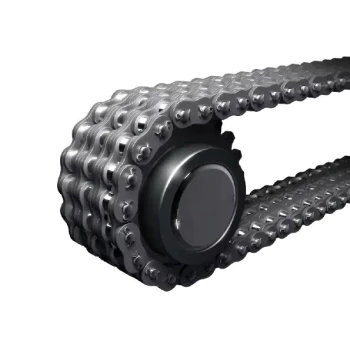
In che modo la durezza del materiale di una catena di trasmissione influisce sulla sua durata?
La durezza del materiale di una catena di trasmissione gioca un ruolo significativo nel determinarne la durata e la resistenza all'usura. Ecco una spiegazione dettagliata:
La durezza di un materiale si riferisce alla sua capacità di resistere a indentazioni, abrasioni e penetrazioni causate da forze esterne. Nel contesto delle catene di trasmissione, la durezza dei componenti, come perni, boccole e rulli, influisce direttamente sulla durata e sulla vita utile della catena stessa.
Per quanto riguarda la durata della catena di trasmissione, entrano in gioco i seguenti fattori:
- Resistenza all'usura: Una maggiore durezza del materiale si traduce in genere in una migliore resistenza all'usura. Le catene di trasmissione realizzate con materiali più duri possono sopportare l'attrito e le forze di contatto che si verificano durante il funzionamento, riducendo al minimo l'usura dei componenti critici. Ciò si traduce in una maggiore durata della catena e in minori esigenze di manutenzione.
- Resistenza agli urti: Anche la durezza del materiale di una catena di trasmissione influisce sulla sua capacità di resistere alle forze d'impatto. Le catene che operano in ambienti con frequenti impatti o carichi d'urto, come nelle miniere o nelle applicazioni per impieghi gravosi, richiedono materiali ad alta durezza per resistere alle sollecitazioni improvvise senza deformarsi o rompersi.
- Resistenza alla deformazione: I materiali più duri presentano una maggiore resistenza alla deformazione sotto carico. Ciò è particolarmente importante nelle catene di trasmissione, dove un preciso incastro dei componenti è fondamentale per una trasmissione efficiente della potenza. Le catene con una maggiore durezza del materiale mantengono la loro forma e integrità dimensionale, garantendo prestazioni costanti e riducendo al minimo il rischio di allungamento o disallineamento.
- Resistenza alla corrosione: Sebbene la durezza del materiale influisca principalmente sulla resistenza all'usura, può avere un impatto indiretto sulla resistenza alla corrosione della catena. Alcuni materiali ad alta durezza, come l'acciaio inossidabile o leghe specifiche, offrono una maggiore resistenza alla corrosione rispetto ai materiali più morbidi. Ciò è particolarmente rilevante nelle applicazioni in cui la catena è esposta ad ambienti corrosivi, come nell'industria navale o chimica.
È importante notare che, sebbene una maggiore durezza porti generalmente a una maggiore durata, una durezza eccessiva può anche causare fragilità e ridurre la resistenza agli urti. Pertanto, è necessario trovare un equilibrio tra durezza e altre proprietà meccaniche per garantire prestazioni e durata ottimali della catena di trasmissione.
In genere, i produttori specificano il livello di durezza appropriato per i componenti delle catene di trasmissione in base ai requisiti specifici dell'applicazione. Queste specifiche tengono conto di fattori quali la capacità di carico, le condizioni operative, i tassi di usura previsti e la durata di servizio desiderata.
Una manutenzione regolare, che includa una lubrificazione adeguata, ispezioni periodiche e la regolazione della tensione, è essenziale per massimizzare la durata e le prestazioni della catena di trasmissione, indipendentemente dalla durezza del materiale di cui è composta.
Selezionando una catena di trasmissione con la durezza del materiale appropriata e implementando corrette pratiche di manutenzione, gli operatori possono garantire una durata ottimale, una maggiore vita utile della catena e una trasmissione di potenza affidabile in diverse applicazioni industriali.
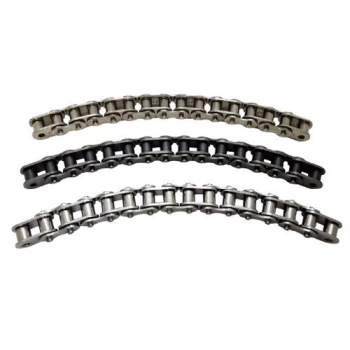
Quali sono i vantaggi dell'utilizzo di una catena di trasmissione sigillata?
Una catena di trasmissione sigillata, nota anche come catena chiusa o sigillata a vita, offre numerosi vantaggi rispetto alle tradizionali catene aperte. Ecco una spiegazione dettagliata dei vantaggi derivanti dall'utilizzo di una catena di trasmissione sigillata:
- Migliore ritenzione della lubrificazione: Le catene di trasmissione sigillate sono progettate con guarnizioni speciali o O-ring che trattengono il lubrificante all'interno delle giunzioni della catena. Ciò garantisce una lubrificazione costante per tutta la durata della catena, riducendo l'attrito, l'usura e la necessità di frequenti rilubrificazioni.
- Protezione avanzata contro la contaminazione: Le guarnizioni o gli O-ring in una catena di trasmissione sigillata agiscono da barriera contro agenti contaminanti come sporco, polvere, acqua e altri detriti. Questa protezione impedisce a tali particelle di penetrare nei giunti della catena e di causare usura o corrosione accelerate, aumentando la durata della catena.
- Requisiti di manutenzione ridotti: Le catene di trasmissione sigillate richiedono meno manutenzione rispetto alle catene aperte. Il design sigillato elimina la necessità di lubrificazione manuale periodica, con conseguente riduzione dei tempi di fermo e dei costi di manodopera associati alle operazioni di lubrificazione.
- Durata di servizio prolungata: Grazie alla migliore ritenzione del lubrificante e alla maggiore protezione dalla contaminazione, le catene di trasmissione sigillate hanno spesso una durata maggiore rispetto alle catene aperte. Sono meno soggette a usura, allungamento e corrosione, garantendo prestazioni affidabili per un periodo prolungato.
- Ambiente operativo più pulito: Le catene di trasmissione sigillate contribuiscono a mantenere un ambiente operativo più pulito, riducendo al minimo il rilascio di lubrificanti e l'accumulo di sporco e detriti. Questo può essere vantaggioso in applicazioni in cui la pulizia è fondamentale, come nell'industria alimentare, farmaceutica o nelle camere bianche.
- Minori costi totali di proprietà: Sebbene le catene di trasmissione sigillate possano avere un costo iniziale leggermente superiore rispetto alle catene aperte, le ridotte esigenze di manutenzione, la maggiore durata e le prestazioni migliorate possono tradursi in costi complessivi inferiori durante l'intero ciclo di vita della catena.
Nel complesso, l'utilizzo di una catena di trasmissione sigillata offre vantaggi in termini di migliore ritenzione del lubrificante, protezione dalla contaminazione, riduzione della manutenzione, maggiore durata, pulizia e costo totale di proprietà. Questi vantaggi rendono le catene di trasmissione sigillate la scelta preferibile in diverse applicazioni in cui è richiesta una trasmissione di potenza affidabile e a bassa manutenzione.
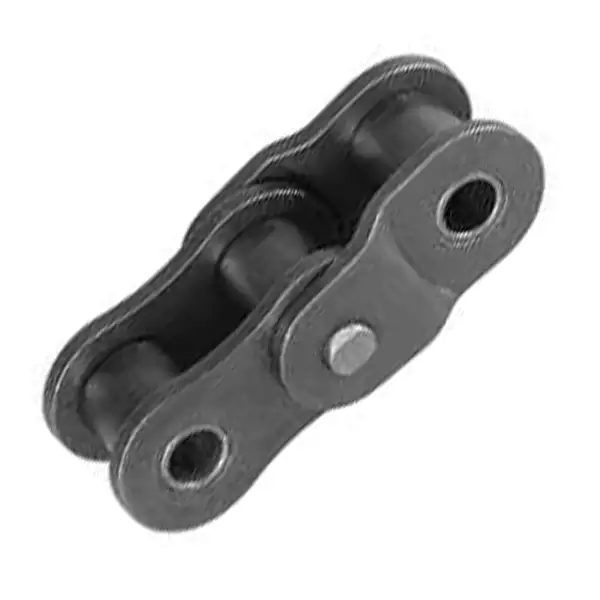
Con quale frequenza va lubrificata una catena di trasmissione?
Una lubrificazione adeguata è essenziale per mantenere le prestazioni e la durata di una catena di trasmissione. Tuttavia, la frequenza di lubrificazione dipende da diversi fattori, come l'applicazione, le condizioni operative e il tipo di lubrificante utilizzato. Ecco alcune linee guida generali:
- 1. Raccomandazioni del produttore: Consultare sempre le raccomandazioni e le linee guida del produttore per la specifica catena di trasmissione in uso. Queste potrebbero fornire istruzioni specifiche sulla frequenza di lubrificazione e sul tipo di lubrificante da utilizzare.
- 2. Condizioni operative: È importante considerare le condizioni operative in cui la catena di trasmissione si trova a operare. Fattori come temperatura, umidità, polvere ed esposizione a contaminanti possono influenzare le esigenze di lubrificazione. In condizioni difficili o gravose, potrebbe essere necessaria una lubrificazione più frequente.
- 3. Intensità di utilizzo: La frequenza della lubrificazione può dipendere anche dall'intensità di utilizzo. Le catene utilizzate in applicazioni ad alta velocità o gravose potrebbero richiedere una lubrificazione più frequente per mantenere prestazioni ottimali.
- 4. Ispezione visiva: Controlla regolarmente la catena di trasmissione per individuare eventuali segni di lubrificazione insufficiente, come secchezza, ruggine o usura eccessiva. Se noti uno qualsiasi di questi segni, potrebbe essere necessario lubrificarla più frequentemente.
- 5. Tipo di lubrificante: Anche il tipo di lubrificante utilizzato può influire sulla frequenza di lubrificazione. Alcuni lubrificanti offrono una protezione più duratura e richiedono applicazioni meno frequenti, mentre altri potrebbero dover essere applicati più regolarmente.
In generale, si raccomanda di lubrificare la catena di trasmissione almeno ogni poche centinaia di chilometri o ore di funzionamento. Tuttavia, è fondamentale seguire le raccomandazioni del produttore e considerare le specifiche condizioni di utilizzo per determinare la frequenza di lubrificazione appropriata per la propria catena di trasmissione.


Modificato da CX il 29/08/2023