Descripción del Producto
Acerca de la fábrica
Con más de 18 años de historiaSomos un fabricante profesional de productos forjados por estampación, tales como cadenas forjadas (X348, X458, X658, X678, X698, F100, F160), cadenas rascadoras (10160, 14218, 14226, 142N), carros transportadores (X348, X458, X678, XT160) y cadenas de transmisión (X348, X458, X678), y otros moldes estándar de cadenas.
Además, también podemos fabricar, según su dibujo o muestra, cadenas de eslabones especiales, empujadores, pasadores y placas, de acuerdo con los requisitos específicos de cada cliente.
Descripción del Producto
1) Material: Acero aleado, 40Cr, 42CrMo, etc.
2) Tipos: Tipos estándar, X348, X458, X678, etc. (O según su plano).
3) Proceso: Moldeo → Forjado → Pulido y granallado → Mecanizado fino → Tratamiento térmico → Granallado → Inspección y pruebas → Embalaje
Presentación del producto
Datos técnicos
| Modelo | Dimensión | Peso (kg) | Material | Dureza | Carga de trabajo (kN) | Carga límite (kN) | ||||||
| PAG | T | do | S | F | R | D | ||||||
| 10160B | 101.6 | 24 | 36 | 13 | 14 | 6 | 14 | 0.32 | 20CrMnTi | Superficie HRC56-64° Profundidad 0,6-1,2 mm |
18 | 100 |
| 10160 | 101.6 | 30 | 36 | 13 | 14.5 | 9 | 14 | 0.36 | 20CrMnTi | Superficie HRC56-64° Profundidad 0,6-1,2 mm | 21.6 | 120 |
| 14218 | 142 | 42 | 50 | 19 | 20.5 | 11 | 25 | 1.15 | 20CrMnTi | Superficie HRC56-64° Profundidad 0,6-1,2 mm | 48.6 | 270 |
| 14226 | 142 | 62 | 50 | 28 | 30 | 15 | 25 | 1.75 | 20CrMnTi | Superficie HRC56-64° Profundidad 0,6-1,2 mm | 61.2 | 340 |
| 2571 | 200 | 66 | 60 | 30 | 32 | 18 | 30 | 2.8 | 20CrMnTi | Superficie HRC56-64° Profundidad 0,6-1,2 mm | 72 | 400 |
| 26014 | 260 | 70 | 75 | 31 | 33 | 20 | 34 | 5.2 | 20CrMnTi | Superficie HRC56-64° Profundidad 0,6-1,2 mm | 135 | 750 |
| 142N | 142 | 43 | 50 | 19 | 22 | 12.5 | 25 | 1.2 | 40 millones de rupias | Temperatura de enfriamiento HRC36-44° | 75.6 | 420 |
| 150D | 142 | 42 | 50 | 19 | 20.5 | 11 | 25 | 1.15 | 40 millones de rupias | Temperatura de enfriamiento HRC36-44° | 75.6 | 420 |
| MG20 | 200 | 70 | 50 | 27 | 29 | 17 | 35 | 3.78 | 40 millones de rupias | Temperatura de enfriamiento HRC36-44° | 144 | 800 |
| MG20B | 200 | 70 | 50 | 27 | 29 | 17 | 30 | 3.82 | 40 millones de rupias | Temperatura de enfriamiento HRC36-44° | 140.4 | 780 |
| MG20C | 200 | 70 | 50 | 27 | 29 | 17 | 28 | 3.85 | 40 millones de rupias | Temperatura de enfriamiento HRC36-44° | 122.4 | 680 |
| MS32 | 200 | 42 | 50 | 20 | 22 | 12 | 25 | 1.4 | 40 millones de rupias | Temperatura de enfriamiento HRC36-44° | 75.6 | 420 |
| MS55 | 200 | 80 | 70 | 35 | 38 | 25 | 28 | 4.36 | 40 millones de rupias | Temperatura de enfriamiento HRC36-44° | 138.6 | 770 |
| 3006 | 200 | 65 | 70 | 30 | 33 | 24 | 32 | 3.6 | 40 millones de rupias | Temperatura de enfriamiento HRC36-44° | 160.2 | 890 |
| MS63 | 250 | 70 | 80 | 30 | 33 | 20 | 32 | 4.93 | 40 millones de rupias | Temperatura de enfriamiento HRC36-44° | 147.6 | 820 |
| S16 | 100 | 30 | 27 | 15 | 16 | 8 | 14 | 0.3 | 40 millones de rupias | Temperatura de enfriamiento HRC36-44° | 16 | 88 |
| S20 | 125 | 34 | 33 | 17 | 18 | 8 | 17 | 0.37 | 40 millones de rupias | Temperatura de enfriamiento HRC36-44° | 19.4 | 108 |
| S25 | 160 | 48 | 39 | 23 | 25 | 13 | 20 | 1.28 | 40 millones de rupias | Temperatura de enfriamiento HRC36-44° | 55.8 | 310 |
| S30 | 142 | 46 | 49 | 22 | 23.5 | 14 | 25 | 1.3 | 40 millones de rupias | Temperatura de enfriamiento HRC36-44° | 91.8 | 510 |
| Z16 | 100 | 40 | 35 | 18 | 20 | 12 | 17 | 0.4 | 40 millones de rupias | Temperatura de enfriamiento HRC36-44° | 32.4 | 180 |
| Z20 | 125 | 50 | 46 | 24 | 26 | 15 | 20 | 0.67 | 40 millones de rupias | Temperatura de enfriamiento HRC36-44° | 59.4 | 330 |
| Z20D | 125 | 52 | 60 | 24 | 26 | 16 | 26 | 1.15 | 40 millones de rupias | Temperatura de enfriamiento HRC36-44° | 82.8 | 460 |
| Z25 | 160 | 58 | 55 | 28 | 30 | 18 | 25 | 2.25 | 40 millones de rupias | Temperatura de enfriamiento HRC36-44° | 82.8 | 460 |
| Z25D | 160 | 66 | 64 | 29 | 31 | 22 | 28 | 2.6 | 40 millones de rupias | Temperatura de enfriamiento HRC36-44° | 120.6 | 670 |
| Z30 | 142 | 64 | 50 | 29 | 30.5 | 18 | 25 | 1.8 | 40 millones de rupias | Temperatura de enfriamiento HRC36-44° | 111.6 | 620 |
Productos y equipos de prueba
Aplicación de productos
Embalaje y entrega
¿Por qué elegirnos?
1. Llevamos más de 15 años en la industria de las cadenas, con una amplia experiencia en el mercado. Mejoramos constantemente nuestras técnicas de producción. Todos nuestros productos tienen una larga vida útil y han superado las pruebas de mercado.
2. Podemos diseñar las cadenas adecuadas con material de alta calidad, buena resistencia a la abrasión, buena resistencia a la corrosión, alta resistencia, etc., según su solicitud o la aplicación de la cadena.
3. Somos fabricantes de cadenas; puede comprar el producto directamente con nosotros a bajo precio y con alta calidad.
4. Contamos con un equipo profesional de comercio internacional, con amplia experiencia y siempre dispuesto a resolver los problemas de nuestros clientes. Así que no tiene de qué preocuparse.
5. Contamos con un agente de carga colaborador de larga trayectoria que nos ofrece las tarifas de flete más bajas. Esto le permitirá ahorrar en el flete. Además, para los envíos de contenedor completo (FCL), diseñaremos los paquetes según el tamaño del contenedor con la mayor capacidad para optimizar los costos de envío para ambas partes.
| Estándar o no estándar: | Estándar |
|---|---|
| Solicitud: | Maquinaria textil, maquinaria para prendas de vestir, equipos de transporte, maquinaria de embalaje, coches eléctricos, motocicletas, maquinaria alimentaria, equipos de minería, maquinaria agrícola, recubrimiento, pulverización, minería, matanza, montaje |
| Tratamiento de superficie: | Pulido |
| Estructura: | Cadena combinada |
| Material: | Aleación |
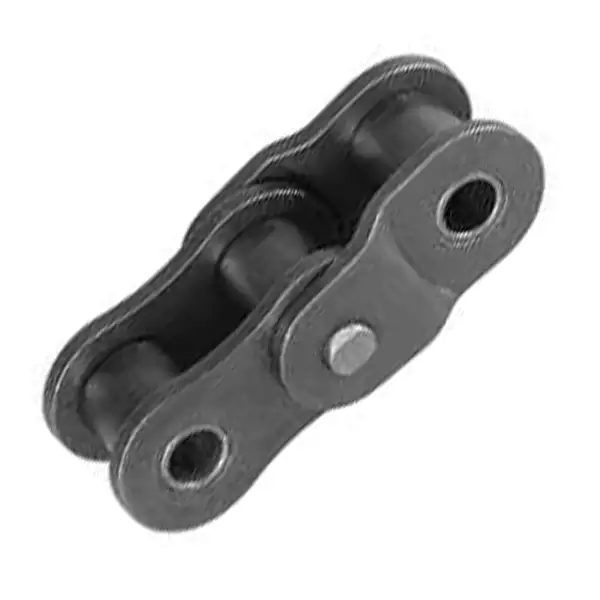
| Tipo: | Cadena de eslabones acodados |
| Muestras: |
US$ 5/pieza
1 unidad (pedido mínimo) | |
|---|
| Personalización: |
Disponible
| Solicitud personalizada |
|---|
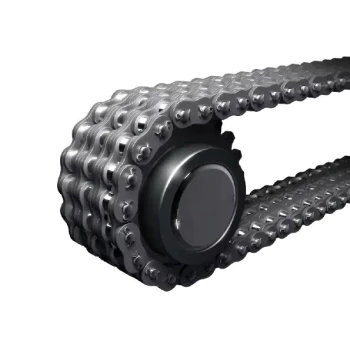
¿Cómo afecta la dureza del material de una cadena de transmisión a su durabilidad?
La dureza del material de una cadena de transmisión juega un papel importante a la hora de determinar su durabilidad y resistencia al desgaste. A continuación, se ofrece una explicación detallada:
La dureza de un material se refiere a su capacidad para resistir la indentación, la abrasión y la penetración por fuerzas externas. En el contexto de las cadenas de transmisión, la dureza de sus componentes, como pasadores, casquillos y rodillos, afecta directamente a su durabilidad y vida útil.
En lo que respecta a la durabilidad de la cadena de transmisión, entran en juego los siguientes factores:
- Resistencia al desgaste: Una mayor dureza del material suele traducirse en una mejor resistencia al desgaste. Las cadenas de transmisión fabricadas con materiales más duros soportan mejor la fricción y las fuerzas de contacto durante el funcionamiento, minimizando el desgaste de los componentes críticos. Esto se traduce en una mayor vida útil de la cadena y menores necesidades de mantenimiento.
- Resistencia al impacto: La dureza del material de una cadena de transmisión también afecta su capacidad para resistir fuerzas de impacto. Las cadenas que operan en entornos con impactos o cargas de choque frecuentes, como en la minería o en aplicaciones de servicio pesado, requieren materiales de alta dureza para soportar las tensiones repentinas sin deformarse ni fallar.
- Resistencia a la deformación: Los materiales más duros presentan mayor resistencia a la deformación bajo carga. Esto es especialmente importante en las cadenas de transmisión, donde el enclavamiento preciso de sus componentes es fundamental para una transmisión de potencia eficiente. Las cadenas con mayor dureza conservan su forma e integridad dimensional, lo que garantiza un rendimiento constante y minimiza el riesgo de elongación o desalineación.
- Resistencia a la corrosión: Si bien la dureza del material afecta principalmente a la resistencia al desgaste, también puede influir indirectamente en la resistencia a la corrosión de la cadena. Ciertos materiales de alta dureza, como el acero inoxidable o aleaciones específicas, ofrecen una mayor resistencia a la corrosión en comparación con materiales más blandos. Esto es especialmente relevante en aplicaciones donde la cadena está expuesta a entornos corrosivos, como en las industrias marina o química.
Es importante destacar que, si bien una mayor dureza generalmente conlleva una mayor durabilidad, una dureza excesiva también puede provocar fragilidad y una menor resistencia al impacto. Por lo tanto, es necesario encontrar un equilibrio entre la dureza y otras propiedades mecánicas para garantizar un rendimiento y una durabilidad óptimos de la cadena de transmisión.
Los fabricantes suelen especificar el nivel de dureza adecuado para los componentes de la cadena de transmisión en función de los requisitos específicos de la aplicación. Estas especificaciones tienen en cuenta factores como la capacidad de carga, las condiciones de funcionamiento, el desgaste previsto y la vida útil deseada.
Las prácticas de mantenimiento regulares, como la lubricación adecuada, la inspección periódica y el ajuste de la tensión, son esenciales para maximizar la durabilidad y el rendimiento de la cadena de transmisión, independientemente de la dureza de su material.
Al seleccionar una cadena de transmisión con la dureza de material adecuada e implementar prácticas de mantenimiento apropiadas, los operadores pueden garantizar una durabilidad óptima, una vida útil prolongada de la cadena y una transmisión de potencia confiable en diversas aplicaciones industriales.
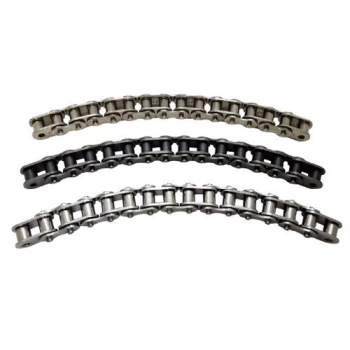
¿Cuáles son las ventajas de utilizar una cadena de transmisión sellada?
Una cadena de transmisión sellada, también conocida como cadena cerrada o sellada de por vida, ofrece varias ventajas en comparación con las cadenas abiertas tradicionales. A continuación, se explica detalladamente el beneficio de usar una cadena de transmisión sellada:
- Retención mejorada de la lubricación: Las cadenas de transmisión selladas están diseñadas con juntas tóricas o sellos especiales que retienen la lubricación dentro de las uniones de la cadena. Esto garantiza una lubricación constante durante toda la vida útil de la cadena, reduciendo la fricción, el desgaste y la necesidad de relubricación frecuente.
- Protección mejorada contra la contaminación: Las juntas o anillos tóricos de una cadena de transmisión sellada actúan como barreras contra contaminantes como suciedad, polvo, agua y otros residuos. Esta protección impide que estas partículas penetren en las uniones de la cadena y provoquen un desgaste o corrosión acelerados, lo que aumenta su vida útil.
- Requisitos de mantenimiento reducidos: Las cadenas de transmisión selladas requieren menos mantenimiento que las cadenas abiertas. Su diseño sellado elimina la necesidad de lubricación manual regular, lo que reduce el tiempo de inactividad y los costos laborales asociados con las tareas de lubricación.
- Vida útil prolongada: Gracias a una mejor retención de la lubricación y una mayor protección contra la contaminación, las cadenas de transmisión selladas suelen tener una vida útil más prolongada que las cadenas abiertas. Son menos propensas al desgaste, la elongación y la corrosión, lo que garantiza un rendimiento fiable durante un período prolongado.
- Entorno operativo más limpio: Las cadenas de transmisión selladas contribuyen a mantener un entorno operativo más limpio al minimizar la liberación de lubricantes y reducir la acumulación de suciedad y residuos. Esto puede resultar beneficioso en aplicaciones donde la limpieza es fundamental, como en el procesamiento de alimentos, la industria farmacéutica o las salas blancas.
- Menor costo total de propiedad: Si bien las cadenas de transmisión selladas pueden tener un costo inicial ligeramente superior al de las cadenas abiertas, sus menores requisitos de mantenimiento, su mayor vida útil y su mejor rendimiento pueden resultar en costos generales más bajos durante la vida útil de la cadena.
En general, el uso de una cadena de transmisión sellada ofrece ventajas en términos de mejor retención de lubricación, protección contra la contaminación, menor mantenimiento, mayor vida útil, limpieza y menor costo total de propiedad. Estos beneficios convierten a las cadenas de transmisión selladas en la opción preferida en diversas aplicaciones donde se requiere una transmisión de potencia confiable y de bajo mantenimiento.
¿Con qué frecuencia se debe lubricar una cadena de transmisión?
Una lubricación adecuada es esencial para mantener el rendimiento y la vida útil de una cadena de transmisión. Sin embargo, la frecuencia de lubricación depende de varios factores, como la aplicación, las condiciones de funcionamiento y el tipo de lubricante utilizado. A continuación, se presentan algunas pautas generales:
- 1. Recomendaciones del fabricante: Consulte siempre las recomendaciones y directrices del fabricante para la cadena de transmisión específica que esté utilizando. Es posible que incluyan instrucciones específicas sobre la frecuencia de lubricación y el tipo de lubricante a usar.
- 2. Condiciones de funcionamiento: Considere las condiciones de funcionamiento de la cadena de transmisión. Factores como la temperatura, la humedad, el polvo y la exposición a contaminantes pueden afectar los requisitos de lubricación. En condiciones extremas o exigentes, puede ser necesaria una lubricación más frecuente.
- 3. Intensidad de uso: La frecuencia de lubricación también puede depender de la intensidad de uso. Las cadenas utilizadas en aplicaciones de alta velocidad o de trabajo pesado pueden requerir una lubricación más frecuente para mantener un rendimiento óptimo.
- 4. Inspección visual: Inspeccione periódicamente la cadena de transmisión para detectar signos de lubricación insuficiente, como sequedad, óxido o desgaste excesivo. Si observa alguno de estos signos, podría indicar la necesidad de una lubricación más frecuente.
- 5. Tipo de lubricante: El tipo de lubricante utilizado también puede afectar la frecuencia de lubricación. Algunos lubricantes proporcionan una protección más duradera y requieren una aplicación menos frecuente, mientras que otros pueden necesitar aplicarse con mayor regularidad.
En general, se recomienda lubricar la cadena de transmisión al menos cada pocos cientos de kilómetros u horas de funcionamiento. Sin embargo, es fundamental seguir las recomendaciones del fabricante y tener en cuenta las condiciones específicas de funcionamiento para determinar la frecuencia de lubricación adecuada para su cadena de transmisión.


Editor por CX 2023-08-29