Descripción del Producto
Cadena de rodillos transportadora de precisión de paso corto dúplex (DIN764)
CADENAS DE RODILLOS DE PRECISIÓN DE PASO CORTO (SERIE B)
Material: Acero aleado
Tratamiento de superficie: Granallado / Ennegrecimiento / Azulado
Aplicación principal: Maquinaria industrial
NÚMERO DE CADENA ANSI: 05B-2 06B-2 10B-2 12B-2 16B-2 20B-2 24B-2 28B-2 32B-2 40B-2 48B-2 56B-2 72B-2
Lanzamiento: 8 9.525 12.7 15.875 19.05 25.4 31.75 38.1 44.45 50.8 63.5 76.2 88.9 101.6 114.3
| Nombre del producto | Cadena de rodillos de precisión de paso corto dúplex (serie B) (DIN764) |
| Materiales disponibles | 1. Acero inoxidable: SS201, SS303, SS304, SS316, SS416, SS420 |
| 2. Acero: C45 (K1045), C46 (K1046), C20 | |
| 3. Latón: C36000 (C26800), C37700 (HPb59), C38500 (HPb58), C27200 (CuZn37), C28000 (CuZn40) | |
| 4. Bronce: C51000, C52100, C54400, etc. | |
| 5. Hierro: 1213, 12L14, 1215 | |
| 6. Aluminio: Al6061, Al6063 | |
| 7. Fabricación OEM según su solicitud. | |
| Tratamiento de superficies | Recocido, anodizado natural, tratamiento térmico, pulido, niquelado, cromado, zincado, pasivación amarilla, pasivación dorada, satinado, pintura superficial negra, etc. |
| Productos disponibles | cadenas dentadas, poleas, ejes (ejes, ejes estriados, ejes de dardo), engranajes (piñones, ruedas, cremalleras), cojinetes, asientos de cojinetes, bujes, acoplamientos, conjuntos de bloqueo, etc. |
| Método de procesamiento | Mecanizado CNC, punzonado, torneado, fresado, taladrado, rectificado, brochado, soldadura y montaje. |
| Control de calidad: | Los técnicos realizan una autocomprobación en la producción, y un inspector de calidad profesional realiza una comprobación final antes del embalaje. |
| Tamaño | Dibujos |
| Paquete | Caja/contenedor de madera y palé, o según especificaciones personalizadas. |
| Certificado | ISO 9001:2008, ISO 14001:2001, ISO/TS 16949:2009 |
| Ventaja | Calidad ante todo, servicio superior, equipos de última generación, trabajadores experimentados, equipos de prueba perfectos. |
| Plazo de entrega | Muestras: 15-25 días. Pedido oficial: 30-45 días. |
1. ¿Es usted fabricante o empresa comercial?
Somos una fábrica fundada en 1991 con un equipo comercial para el servicio internacional.
2. ¿Qué condiciones de pago suele utilizar?
Depósito mediante transferencia bancaria (T/T) 30% y contra documento 70%, Western Union, carta de crédito a la vista.
3. ¿Cuál es el plazo de entrega de sus productos?
Normalmente, el plazo de entrega es de 45 días tras la confirmación del pedido. En temporada baja (de mayo a julio), algunos artículos pueden tardar hasta 30 días, y durante Año Nuevo y la temporada alta (de enero a marzo), hasta 65 días.
4. ¿Asistes a algún espectáculo?
Participamos en la feria de Hannover en Alemania, en la NMW de Australia, en la feria de Cantón, en la PTC de China y en muchas otras ferias especializadas de muebles.
/* 22 de enero de 2571 19:08:37 */!function(){function s(e,r){var a,o={};try{e&&e.split(“”,).forEach(function(e,t){e&&(a=e.match(/(.*?):(.*)$/))&&1
| Uso: | Cadena de transmisión |
|---|---|
| Material: | Acero aleado/al carbono |
| Tratamiento de superficie: | Pulido |
| Característica: | Resistente al calor |
| Tamaño de la cadena: | 1/2"*3/32" |
| Estructura: | Cadena de rodillos |
| Personalización: |
Disponible
| Solicitud personalizada |
|---|

¿Cuáles son las ventajas de utilizar una cadena de transmisión de alta velocidad?
El uso de una cadena de transmisión de alta velocidad ofrece varias ventajas en diversas aplicaciones. Aquí encontrará una respuesta detallada a la pregunta:
1. Transmisión de potencia eficiente: Las cadenas de transmisión de alta velocidad están diseñadas específicamente para soportar mayores velocidades de rotación manteniendo una transmisión de potencia eficiente. Permiten la transferencia de potencia desde la fuente motriz a los componentes accionados con una mínima pérdida de energía.
2. Mayor productividad: Las cadenas de transmisión de alta velocidad permiten un funcionamiento más rápido, lo que se traduce en una mayor productividad. En aplicaciones donde la alta velocidad es crucial, como líneas de producción o sistemas automatizados, el uso de una cadena de alta velocidad puede reducir significativamente los tiempos de ciclo y mejorar la eficiencia general.
3. Menor tiempo de inactividad: La capacidad de las cadenas de transmisión de alta velocidad para soportar velocidades elevadas contribuye a reducir el tiempo de inactividad. Al mantener una transmisión de potencia fluida y fiable incluso a altas velocidades de rotación, estas cadenas ayudan a minimizar el riesgo de fallos o daños, reduciendo así los costosos tiempos de inactividad por reparaciones o sustituciones.
4. Diseño compacto: Las cadenas de transmisión de alta velocidad suelen diseñarse para ser más compactas y ligeras que las cadenas estándar. Esto facilita la instalación en aplicaciones con espacio limitado y reduce el peso total del sistema.
5. Precisión y exactitud: Las cadenas de transmisión de alta velocidad están diseñadas para minimizar la holgura y lograr un acoplamiento preciso, lo que garantiza un posicionamiento y movimiento exactos. Esto es especialmente importante en aplicaciones que requieren un control o sincronización precisos, como máquinas CNC, robótica o imprentas de alta velocidad.
6. Materiales y recubrimientos especializados: Las cadenas de transmisión de alta velocidad pueden incorporar materiales y recubrimientos especializados para mejorar su rendimiento a velocidades elevadas. Estos materiales y recubrimientos están diseñados para reducir la fricción, el desgaste y la generación de calor, lo que mejora la durabilidad de la cadena y prolonga su vida útil.
7. Opciones de personalización: Las cadenas de transmisión de alta velocidad se pueden personalizar para satisfacer los requisitos específicos de cada aplicación. Esto incluye la selección del paso, el material y las características de diseño adecuados para garantizar un rendimiento y una fiabilidad óptimos a altas velocidades.
Al seleccionar una cadena de transmisión de alta velocidad, es importante considerar los requisitos específicos de la aplicación, incluyendo el rango de velocidad deseado, la capacidad de carga y las condiciones ambientales. Consultar con expertos o fabricantes puede ayudar a determinar la cadena más adecuada para lograr un funcionamiento a alta velocidad manteniendo la fiabilidad y el rendimiento.
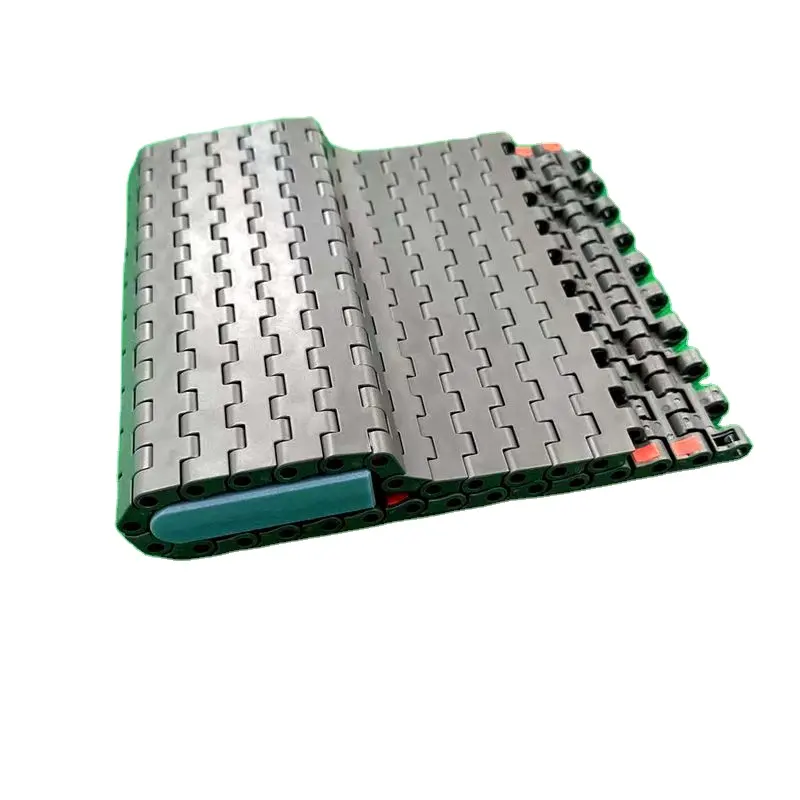
How does the choice of lubricant impact the performance of a transmission chain?
The choice of lubricant plays a critical role in ensuring the optimal performance and longevity of a transmission chain. Here’s a detailed answer to the question:
1. Reduced Friction and Wear: Lubricants create a protective film between the moving parts of the transmission chain, reducing friction and wear. This helps to minimize metal-to-metal contact and prevent surface damage, extending the chain’s lifespan.
2. Enhanced Efficiency: Proper lubrication reduces energy losses due to friction, improving the overall efficiency of the transmission system. By reducing frictional resistance, the lubricant allows for smoother power transmission, reducing power consumption and increasing system efficiency.
3. Heat Dissipation: Lubricants aid in heat dissipation by absorbing and dissipating heat generated during chain operation. This helps to prevent excessive chain temperature rise, which can lead to accelerated wear, lubricant breakdown, and potential chain failure.
4. Corrosion Protection: Lubricants provide a protective barrier against moisture, humidity, and other corrosive elements. This helps to prevent rust and corrosion, which can weaken the chain and reduce its performance. Choosing a lubricant with anti-corrosion properties is essential, especially in harsh or corrosive environments.
5. Contaminant Removal: Lubricants can help remove contaminants such as dirt, dust, and debris from the chain’s contact surfaces. This prevents abrasive particles from causing premature wear and damage to the chain, ensuring smooth operation and reducing the risk of chain failure.
6. Temperature Stability: Different lubricants have varying temperature stability properties. It is crucial to select a lubricant that can maintain its viscosity and lubricating properties within the operating temperature range of the transmission chain. This ensures consistent lubrication and performance under various temperature conditions.
7. Compatibility: It is important to choose a lubricant that is compatible with the materials used in the transmission chain. Some lubricants may react with certain chain materials, leading to degradation or damage. Ensuring compatibility helps maintain the integrity of the chain and avoids any adverse effects.
8. Lubrication Interval: The choice of lubricant can also affect the lubrication interval, i.e., the frequency at which the chain needs to be relubricated. Some lubricants offer longer-lasting lubrication properties, reducing the maintenance requirements and downtime associated with frequent relubrication.
It is crucial to follow the manufacturer’s recommendations and guidelines regarding lubrication for the specific transmission chain. Regular inspection, monitoring, and proper maintenance practices should be implemented to ensure the chain remains adequately lubricated for optimal performance and longevity.
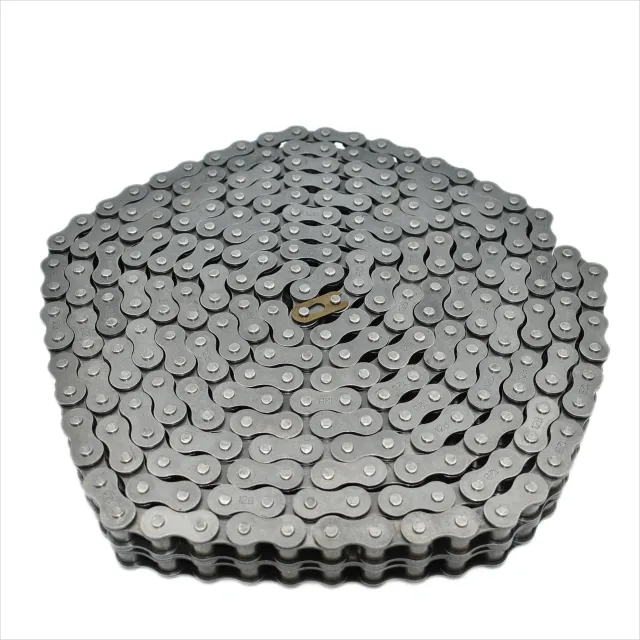
What are the different types of transmission chains available?
There are several types of transmission chains available, each designed to suit specific applications and operating conditions. Here are some common types:
- Roller Chains: Roller chains are the most widely used type of transmission chains. They consist of inner and outer plates, pins, bushings, and rollers. The rollers help reduce friction and facilitate smooth motion.
- Silent Chains: Silent chains, also known as inverted-tooth chains or toothed chains, feature special tooth profiles that engage with corresponding sprockets. They are designed to minimize noise and vibration, making them suitable for applications requiring quiet operation.
- Leaf Chains: Leaf chains are constructed with interlocking links made of flat steel plates. They are known for their high tensile strength and resistance to fatigue, making them suitable for heavy-duty and high-load applications.
- Timing Chains: Timing chains are used in engines to synchronize the rotation of the camshaft and crankshaft. They have precise tooth profiles that engage with timing sprockets, ensuring accurate timing and efficient engine performance.
- Engineered Steel Chains: Engineered steel chains are highly specialized chains designed for specific industries and applications. They are often used in demanding environments such as mining, forestry, and material handling.
- Plastic Chains: Plastic chains are made of high-strength plastic materials, such as acetal or nylon. They offer benefits like corrosion resistance, lightweight design, and low noise operation. They are commonly used in food processing, packaging, and other industries with strict hygiene requirements.
These are just a few examples of transmission chain types. Depending on the specific application, there may be other specialized chains available to meet the unique requirements of different industries and machinery.
How do roller chains differ from other types of transmission chains?
Roller chains, also known as roller link chains, are a commonly used type of transmission chain that distinguishes itself from other chains in several ways:
- Design: Roller chains consist of inner and outer plates, pins, bushings, and rollers. The rollers, which are free to rotate, help reduce friction and wear, resulting in smoother and more efficient power transmission.
- Wide Application: Roller chains are versatile and widely used in various industries, including automotive, industrial machinery, agricultural equipment, and conveyor systems.
- High Load Capacity: Roller chains are designed to withstand high loads and offer excellent tensile strength, making them suitable for applications that require heavy-duty performance.
- Efficiency: Roller chains are known for their high efficiency in transmitting power. The roller design minimizes friction, resulting in less energy loss and improved overall efficiency.
- Cost-Effectiveness: Roller chains are relatively cost-effective compared to some other specialized transmission chains, making them a popular choice in many applications.
While roller chains have their advantages, it’s important to note that different types of transmission chains may be more suitable for specific applications. Factors such as load capacity, speed, noise level, and environmental conditions should be considered when selecting the appropriate transmission chain for a particular application.


editor by CX 2024-04-04