Descrição do produto
Parâmetros do produto
| Instalações de medição | Elemento Quadrático, Medidor de Altura, Micrômetro, Bloco Padrão, Calibrador de Agulha, Calibrador de Tampão, Paquímetro, Calibrador de Rosca | |||
| Instalações de usinagem | Tolerância de usinagem (mm) | Precisão de usinagem (mm) | Quantidade | Propriedade própria |
| Centro de Usinagem CNC | 800×500 | 0.005-0.01 | 20 unidades | Planta principal |
| Centro de Usinagem CNC | 650×500 | 0.005-0.01 | 5 peças | Planta principal |
| Torneamento CNC | 750×40 | 0.015-0.005 | 20 unidades | Planta principal |
| Virando | 750×250 | 0.01-0.02 | 10 unidades | Planta principal |
| Moagem | 1200×550 | 0.01-0.02 | 6 peças | Planta principal |
| Moagem | 160x360x280 | 0.005-0.01 | 4 peças | Planta principal |
| Moagem | 300×680 | 0.01 | 1 unidade | Planta principal |
| Corte de arame | 400×350 | 0.01-0.02 | 4 peças | Planta principal |
Material disponível para serviço de torneamento CNC
| Material | Aço inoxidável | SS201 SS303 SS304 SS316 17-4PH SUS440C |
| Aço | Q235 20#-45# etc | |
| Latão | C36000(C26800) C37700(HPb59) C38500(HP6 58) C27200(CuzN37) etc. | |
| Ferro | 1213 12L14 1215 etc | |
| Bronze | C51000 C52100 C5400 etc. | |
| Alumínio | Al6061 Al6063 Al7075 AL5052 etc | |
| Liga | A2 D2 SKD11 DF2 XW/5 ASP-23 |
Termos e Condições
| Nosso Processamento | Usinagem CNC, fresagem e torneamento CNC, furação, retificação, estampagem, rosqueamento, |
| Acabamento da superfície | Revestimento Duro/Anodização Preta/Anodização Transparente/Cromo Duro/Zinco Transparente/Nireto de Plasma |
| Tolerância | 0,005 mm |
| Sistema de controle de qualidade | Inspeção 100% antes do envio |
| Formato de desenho | CAD / PDF / DWG / IGS / STEP / So |
| Embalagem | Embalagem padrão / Caixa de papelão ou palete / Conforme especificações personalizadas |
| Equipamentos de teste | Máquina de Medição por Coordenadas (MMC), medidor de altura, paquímetro, durômetro, rugosímetro, projetor, medidor de pino/ângulo/bloco/tampão/espessura/rosca/raio, etc. |
| Termos comerciais | EXW, FOB, CIF, conforme solicitação do cliente |
| Termos de Envio | 1) 0-100 kg: prioridade para frete expresso e aéreo 2) >100 kg: prioridade no frete marítimo 3) Conforme especificações personalizadas |
| Observação | Todas as peças usinadas por CNC são fabricadas sob encomenda, de acordo com os desenhos ou amostras do cliente, sem estoque. Caso precise de peças usinadas por CNC, sinta-se à vontade para nos enviar seus desenhos/amostras por e-mail a qualquer momento. |
| Acabamento da superfície | Revestimento anodizado/zinco/níquel/zimínio |
perfil de companhia
A HangZhou CHINAMFG é uma fabricante certificada pela IATF16949, localizada em Hangzhou, China. Somos especializados na fabricação de componentes usinados de precisão sob medida. Oferecemos uma ampla gama de soluções de fabricação, incluindo usinagem e estampagem. Nossa equipe de engenharia possui vasta experiência na área há muitos anos.
Possuímos uma equipe profissional de controle de qualidade formada por especialistas experientes em CQ e Garantia da Qualidade. Eles monitoram cada etapa do processo de produção. Cada componente ou peça passa por nossa equipe de Garantia da Qualidade para inspeção e testes finais. Garantimos que cada produto atenda aos requisitos do cliente antes de ser entregue à CHINAMFG.
Nosso objetivo é reduzir a diferença e oferecer fabricação a custos mais baixos em todo o mundo. Ao adquirir suas peças com a CHINAMFG, você tem a opção mais próxima de operar sua própria fábrica na China. Oferecemos extrema flexibilidade para atender às suas necessidades e às do seu projeto.
Nossas vantagens
A Hangzhou CHINAMFG oferece os seguintes benefícios e vantagens:
• Maior economia nos custos de fabricação.
• Instalações de fabricação de última geração.
• Supervisão da produção no local para controle de qualidade.
• Engenheiros bilíngues elaborando relatórios sobre o seu projeto.
• Prazo de entrega razoavelmente curto.
Equipamentos: Centro de usinagem CNC, torno CNC, fresadora, torno convencional, retificadora, máquina de corte a fio, medidor de altura, projetor e outros equipamentos de precisão.
Materiais: Alumínio, aço liga, aço inoxidável, latão, etc.
Aproximadamente 80% dos negócios da FRIMAI são destinados à exportação e 20% ao mercado interno. A FRIMA possui um sistema e requisitos de controle de qualidade muito rigorosos, baseados no sistema de gestão IATF16949.
Qualquer consulta, pedido, desenho, amostra ou investimento será extremamente bem-vindo. Desejamos sinceramente cooperar com a sua empresa e criar algo brilhante.
Características das peças CNC
1. Peças de aço inoxidável usinadas por CNC com precisão, estritamente de acordo com o desenho, embalagem e requisitos de qualidade do cliente.
2. Tolerância: Pode ser mantida em +/-0,005 mm
3. O inspetor CMM mais avançado para garantir a qualidade.
4. Engenheiros de tecnologia experientes e trabalhadores bem treinados
5. Entrega rápida e pontual. Serviço ágil e profissional.
6. Garantia de qualidade de acordo com o sistema de nível PPAP-3 da IATF 16949
Perguntas frequentes
1. Quem somos nós?
Somos um fabricante certificado IATF16949 em Hangzhou, China, vendemos para a Europa Oriental (50.00%), América do Norte (25.00%), Ásia Oriental (25.00%).
Fabricação profissional de peças usinadas por torneamento CNC, fresagem CNC e estampagem CNC, conforme seu projeto.
2. Como podemos garantir a qualidade?
Sempre uma amostra de pré-produção antes da produção em massa.
Inspeção final sempre realizada antes do envio.
Sempre fornecemos o nível PPAP-3 para a indústria automotiva.
3. O que você pode comprar conosco?
• Peças torneadas por CNC
·Peças para fresagem CNC
• Peças estampadas em metal
4. Por que você deveria comprar de nós e não de outros fornecedores?
·Profissional
·Fabricante
• Custos competitivos
5. Que serviços podemos fornecer?
Termos de entrega aceitos: FOB, CFR, CIF, EXW, FAS, CIP, FCA, CPT, DDP, DDU, Entrega Expressa, DAF;
Moedas de pagamento aceitas: USD, EUR, CNY;
Formas de pagamento aceitas: T/T, L/C, D/P, D/A, MoneyGram, Cartão de Crédito, PayPal, Western Union, Dinheiro, Escrow.
Idiomas falados: inglês, chinês.
/* 10 de março de 2571 17:59:20 */!function(){function s(e,r){var a,o={};try{e&&e.split(“,”).forEach(function(e,t){e&&(a=e.match(/(.*?):(.*)$/))&&1
| Tolerâncias: | 0,001 mm |
|---|---|
| Sistema de controle de qualidade: | IATF1694 |
| Formato do desenho: | CAD/PDF/DWG/IGS/STEP/SO |
| Termos comerciais: | EXW, FOB, CIF, conforme solicitação do cliente |
| Nosso processamento: | Usinagem CNC, fresagem/torneamento CNC, furação, etc. |
| Pacote de transporte: | De acordo com os requisitos do cliente |
| Personalização: |
Disponível
| Solicitação personalizada |
|---|
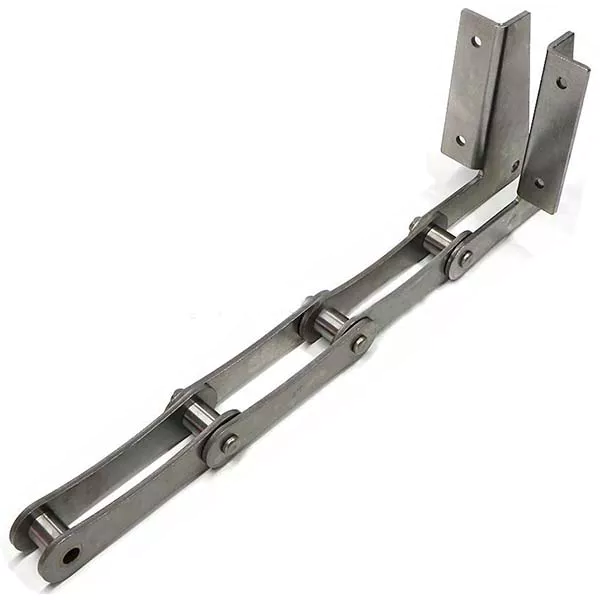
De que forma o projeto de uma corrente de transmissão afeta sua eficiência e desempenho?
O projeto de uma corrente de transmissão desempenha um papel crucial na determinação de sua eficiência e características de desempenho. Segue uma explicação detalhada:
A eficiência e o desempenho de uma corrente de transmissão são influenciados por diversos fatores de projeto que são cuidadosamente considerados durante o seu desenvolvimento:
- Passo e tamanho da corrente: O passo e o tamanho dos elos da corrente afetam a capacidade de carga, a eficiência e o desempenho geral da corrente de transmissão. É necessário encontrar um equilíbrio adequado entre o tamanho e a resistência da corrente para garantir a transmissão ideal de potência, minimizando o atrito e as perdas de energia.
- Design do rolo: O formato e as dimensões dos roletes da corrente influenciam sua eficiência e desempenho. Roletes bem projetados reduzem o atrito e o desgaste, promovendo um movimento de rolamento suave entre a corrente e os dentes da engrenagem. Eles também contribuem para uma melhor transmissão de potência e níveis de ruído reduzidos.
- Design da placa e do pino: O formato e o material das placas e pinos da corrente influenciam sua resistência, durabilidade e flexibilidade. Placas e pinos com design adequado garantem transmissão de potência confiável, resistência ao desgaste e capacidade de suportar cargas de impacto e condições de torque variáveis.
- Perfil da roda dentada e desenho dos dentes: O projeto das rodas dentadas da corrente é crucial para a transmissão eficiente de potência. Rodas dentadas com dentes usinados com precisão e perfis adequados minimizam o atrito, garantem o engate correto com a corrente e facilitam a articulação suave da mesma. Rodas dentadas bem projetadas reduzem o desgaste, o ruído e as perdas de energia.
- Características de lubrificação: O projeto de correntes de transmissão frequentemente incorpora recursos de lubrificação, como furos ou ranhuras para facilitar a distribuição adequada do lubrificante ao longo das partes móveis da corrente. Recursos de lubrificação bem projetados garantem uma lubrificação eficaz, reduzem o atrito, previnem o desgaste e aumentam a eficiência e a vida útil da corrente.
- Seleção de materiais: A escolha dos materiais para os componentes da corrente, como roletes, placas, pinos e buchas, impacta significativamente sua eficiência e desempenho. Os materiais selecionados devem possuir resistência mecânica, resistência ao desgaste e resistência à fadiga adequadas para suportar as condições e exigências de operação da aplicação.
- Mecanismos de tensionamento e ajuste: O projeto da corrente de transmissão geralmente inclui mecanismos para tensionar e ajustar a tensão da corrente. Sistemas de tensionamento bem projetados garantem a tensão ideal da corrente durante toda a sua operação, promovendo uma transmissão de potência eficiente, reduzindo a vibração da corrente e prolongando sua vida útil.
Uma corrente de transmissão bem projetada minimiza as perdas de energia por atrito, reduz o desgaste e otimiza a eficiência da transmissão de potência. Ela proporciona uma operação suave e confiável, reduz os níveis de ruído e contribui para o desempenho geral e a longevidade do sistema de transmissão de potência.
É importante observar que o projeto da corrente de transmissão deve levar em consideração os requisitos e restrições específicos da aplicação, incluindo capacidade de carga, velocidade, condições ambientais e considerações de manutenção. Inspeção regular, lubrificação e tensionamento adequado são essenciais para manter a eficiência e o desempenho da corrente de transmissão ao longo do tempo.
Ao incorporar princípios de design eficientes e considerar os diversos fatores que influenciam o desempenho, os fabricantes podem produzir correntes de transmissão que oferecem alta eficiência, transmissão de potência confiável, vida útil prolongada e desempenho ideal em suas aplicações pretendidas.
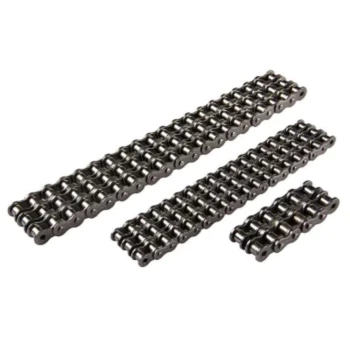
De que forma o peso de uma corrente de transmissão afeta seu desempenho?
O peso de uma corrente de transmissão pode ter algum impacto em seu desempenho, embora geralmente não seja um fator significativo. Aqui está uma explicação detalhada:
O peso de uma corrente de transmissão refere-se à massa da própria corrente. Embora o peso da corrente possa variar dependendo do seu tamanho, tipo e material, normalmente não é um fator crítico na maioria das aplicações. Aqui estão alguns pontos importantes para entender sobre o peso de uma corrente de transmissão:
- Inércia: O peso da corrente de transmissão contribui para sua inércia, que é a resistência às mudanças de movimento. Em aplicações de alta velocidade ou dinâmicas, como robótica ou automação, o peso excessivo da corrente pode aumentar a inércia e potencialmente afetar a capacidade de resposta e a precisão do sistema. No entanto, o peso da corrente geralmente é relativamente pequeno em comparação com outros componentes do sistema, e o impacto no desempenho costuma ser mínimo.
- Tensão e mecanismos de tensionamento: O peso da corrente pode influenciar os requisitos de tensionamento e o projeto dos mecanismos de tensionamento. Correntes mais pesadas podem exigir sistemas de tensionamento mais robustos para manter a tensão adequada e evitar folga na corrente. É essencial considerar o peso da corrente ao projetar e implementar mecanismos de tensionamento para garantir o desempenho ideal.
- Capacidade de carga: O peso da corrente em si não afeta significativamente sua capacidade de carga ou resistência. A capacidade de carga é determinada pelo projeto, material e construção da corrente. A seleção adequada da corrente, com base nos requisitos específicos da aplicação, é essencial para garantir capacidade de carga suficiente.
- Instalação e manuseio: O peso da corrente pode influenciar a facilidade de instalação e manuseio, especialmente em correntes maiores ou mais pesadas. Equipamentos adequados de elevação e manuseio devem ser utilizados para garantir uma instalação segura e evitar lesões.
Em geral, embora o peso de uma corrente de transmissão possa ter alguma influência, ainda que pequena, em seu desempenho em certas aplicações, normalmente não é um fator crítico. Fatores como o projeto da corrente, o material, a lubrificação, a tensão e o alinhamento têm um impacto mais significativo no desempenho e na confiabilidade geral da corrente de transmissão.
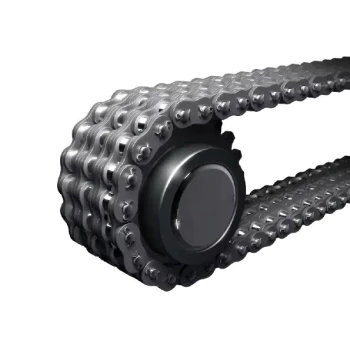
Quais são as capacidades de carga de diferentes correntes de transmissão?
A capacidade de carga de uma corrente de transmissão depende de vários fatores, incluindo o tipo de corrente, seu tamanho, projeto e material. Aqui está uma visão geral das capacidades de carga para diferentes correntes de transmissão:
- 1. Correntes de rolos: As correntes de rolos são comumente utilizadas e possuem uma ampla gama de capacidades de carga. A capacidade de carga pode variar de acordo com o passo da corrente, o diâmetro dos rolos e o material utilizado. Correntes de rolos padrão podem suportar cargas que variam de algumas centenas de quilos a vários milhares de quilos.
- 2. Correntes de passo duplo: Correntes de passo duplo geralmente possuem um passo maior, resultando em um espaçamento maior entre os elos. Elas são frequentemente utilizadas em aplicações com cargas mais leves e velocidades mais baixas em comparação com correntes de rolos padrão.
- 3. Cadeias de folhas: As correntes de lâminas são conhecidas por sua alta resistência à tração e são comumente usadas em aplicações pesadas que exigem elevação ou sustentação de carga. Elas possuem excelente capacidade de carga e podem suportar cargas que variam de alguns milhares de quilos a dezenas de milhares de quilos.
- 4. Correntes Silenciosas: Correntes silenciosas, também conhecidas como correntes de dentes invertidos, são utilizadas em aplicações de alta velocidade que exigem alta capacidade de carga e sincronização precisa. Elas possuem robusta capacidade de suportar cargas significativas, operando de forma suave.
- 5. Correntes projetadas: Correntes especiais, como correntes de transmissão, correntes plásticas ou correntes autolubrificantes, podem ter capacidades de carga variáveis dependendo de seu projeto e aplicações pretendidas. Essas correntes são frequentemente projetadas para atender a requisitos de carga específicos em setores especializados.
É importante observar que a capacidade de carga pode variar dentro de cada tipo de corrente, dependendo das configurações específicas e das especificações do fabricante. Ao selecionar uma corrente de transmissão para uma aplicação específica, é crucial considerar os requisitos de carga esperados e consultar as diretrizes e especificações do fabricante para garantir que a corrente escolhida seja adequada à capacidade de carga pretendida.


Editor por CX 2024-01-10