Descrizione del prodotto
Parametri del prodotto
| Impianti di misurazione | Elemento quadratico, Calibro di altezza, Micrometro, Blocchetto di riscontro, Calibro ad ago, Calibro a tampone, Calibro, Calibro per filettature di viti | |||
| Impianti di lavorazione | Tolleranza di lavorazione (mm) | Precisione di lavorazione (mm) | Quantità | di proprietà |
| Centro di lavoro CNC | 800×500 | 0.005-0.01 | 20 pezzi | Impianto principale |
| Centro di lavoro CNC | 650×500 | 0.005-0.01 | 5 pezzi | Impianto principale |
| Tornitura CNC | 750×40 | 0.015-0.005 | 20 pezzi | Impianto principale |
| Girando | 750×250 | 0.01-0.02 | 10 pezzi | Impianto principale |
| Fresatura | 1200×550 | 0.01-0.02 | 6 pezzi | Impianto principale |
| Molatura | 160x360x280 | 0.005-0.01 | 4 pezzi | Impianto principale |
| Molatura | 300×680 | 0.01 | 1 pz | Impianto principale |
| Taglio del filo | 400×350 | 0.01-0.02 | 4 pezzi | Impianto principale |
Materiali disponibili per il servizio di tornitura CNC
| Materiale | acciaio inossidabile | SS201 SS303 SS304 SS316 17-4PH SUS440C |
| Acciaio | Q235 20#-45# ecc. | |
| Ottone | C36000(C26800) C37700(HPb59) C38500(HP6 58) C27200(CuzN37)ecc. | |
| Ferro | 1213 12L14 1215 ecc. | |
| Bronzo | C51000 C52100 C5400ecc. | |
| Alluminio | Al6061 Al6063 Al7075 AL5052 ecc. | |
| Lega | A2 D2 SKD11 DF2 XW/5 ASP-23 |
Termini e Condizioni
| La nostra organizzazione | Lavorazione CNC, fresatura e tornitura CNC, foratura, rettifica, stampaggio, maschiatura, |
| Finitura superficiale | Rivestimento duro/Anodizzazione nera/Anodizzazione trasparente/Cromo duro/Zinco trasparente/Niruro al plasma |
| Tolleranza | 0,005 mm |
| Sistema di controllo qualità | 100% Ispezione prima della spedizione |
| Formato di disegno | CAD / PDF/ DWG/ IGS/ STEP/So |
| Confezione | Imballaggio standard / Scatola di cartone o pallet / Secondo specifiche personalizzate |
| Apparecchiature di prova | Macchina di misura a coordinate (CMM), altimetro, calibro, durometro, rugosimetro, proiettore, calibro per perni/angoli/blocchi/tappi/spessori/filettature/raggi, ecc. |
| termini commerciali | EXW, FOB, CIF, secondo le richieste del cliente |
| Termini di spedizione | 1) 0-100 kg: spedizione espressa e trasporto aereo prioritario 2) >100 kg: priorità di trasporto marittimo 3) Secondo specifiche personalizzate |
| Nota | Tutti i componenti lavorati a CNC sono realizzati su misura in base ai disegni o ai campioni forniti dal cliente, senza essere disponibili a magazzino. Se avete bisogno di componenti lavorati a CNC, non esitate a inviarci i vostri disegni/campioni via e-mail in qualsiasi momento. |
| Finitura superficiale | Placcatura anodizzata/zinco/nichel/zini |
Profilo Aziendale
HangZhou CHINAMFG è un'azienda produttrice certificata IATF16949, con sede a Hangzhou, in Cina. Siamo specializzati nella produzione di componenti meccanici di precisione su misura. Offriamo un'ampia gamma di soluzioni produttive, tra cui lavorazioni meccaniche e stampaggio. Il nostro team di ingegneri vanta una solida esperienza pluriennale nel settore.
Disponiamo di un team di controllo qualità professionale, composto da esperti di QC e QA con una vasta esperienza. Monitorano ogni fase del processo produttivo. Ogni componente o parte viene sottoposto al nostro controllo qualità per l'ispezione e il collaudo finali. Ci assicuriamo che ogni prodotto soddisfi i requisiti del cliente prima della consegna ai clienti di CHINAMFG.
Il nostro obiettivo è colmare il divario e offrire una produzione a costi inferiori in tutto il mondo. Affidarsi a CHINAMFG per l'approvvigionamento dei componenti è quanto di più simile alla gestione di un proprio stabilimento produttivo in Cina. Offriamo la massima flessibilità per soddisfare le esigenze del vostro progetto.
I nostri vantaggi
HangZhou CHINAMFG vi offrirà i seguenti vantaggi e benefici:
·Maggiori risparmi sui costi di produzione.
·Impianti di produzione all'avanguardia.
• Supervisione della produzione in loco per il controllo qualità.
• Ingegneri bilingue che redigono report sul vostro progetto.
·Tempi di consegna ragionevolmente brevi.
Attrezzature: centro di lavoro CNC, tornio CNC, fresatrice, tornio tradizionale, rettificatrice, macchina per taglio a filo, calibro di altezza, proiettore e altre attrezzature di precisione.
Materiali: Alluminio, acciaio legato, acciaio inossidabile, ottone, ecc.
Circa 801 tonnellate di fatturato di FRIMAI sono destinate all'esportazione e 201 tonnellate al mercato interno. FRIMAI adotta un sistema di controllo qualità molto rigoroso, basato sulla norma IATF 16949.
Qualsiasi richiesta di informazioni e ordine, corredato da disegni o campioni, nonché proposte di investimento, è benvenuta. Desideriamo sinceramente collaborare con la vostra azienda e raggiungere insieme risultati eccellenti.
Caratteristiche dei componenti CNC
1. Componenti in acciaio inossidabile lavorati a CNC di precisione, rigorosamente conformi al disegno, all'imballaggio e alle richieste di qualità del cliente.
2. Tolleranza: può essere mantenuta entro +/-0,005 mm
3. L'ispettore CMM più avanzato per garantire la qualità
4. Ingegneri esperti in tecnologie e lavoratori ben formati.
5. Consegna rapida e puntuale. Servizio rapido e professionale.
6. Garanzia di qualità in conformità al sistema PPAP-3 livelli in IATF16949
FAQ
1. Chi siamo?
Siamo un produttore certificato IATF16949 con sede a Hangzhou, in Cina, ed esportiamo in Europa orientale (50.00%), Nord America (25.00%) e Asia orientale (25.00%).
Produzione professionale di componenti mediante tornitura CNC, fresatura CNC e stampaggio CNC, secondo il vostro progetto.
2. Come possiamo garantire la qualità?
Si realizza sempre un campione di pre-produzione prima della produzione di massa.
Ispezione finale sempre effettuata prima della spedizione.
Forniamo sempre la certificazione PPAP-3 di livello per l'industria automobilistica.
3. Cosa puoi acquistare da noi?
·Parti tornite a CNC
·Parti fresate a CNC
· Parti stampate in metallo
4. Perché dovresti acquistare da noi e non da altri fornitori?
·Professionale
·Produttore
·Costi competitivi
5. Quali servizi possiamo offrire?
Termini di consegna accettati: FOB, CFR, CIF, EXW, FAS, CIP, FCA, CPT, DDP, DDU, Consegna espressa, DAF;
Valute di pagamento accettate: USD, EUR, CNY;
Metodi di pagamento accettati: T/T, L/C, D/P, D/A, MoneyGram, Carta di credito, PayPal, Western Union, Contanti, Escrow.
Lingue parlate: inglese, cinese.
/* 10 marzo 2571 17:59:20 */!function(){function s(e,r){var a,o={};try{e&&e.split(“,”).forEach(function(e,t){e&&(a=e.match(/(.*?):(.*)$/))&&1
| Tolleranze: | 0,001 mm |
|---|---|
| Sistema di controllo qualità: | IATF1694 |
| Formato del disegno: | CAD/Pdf/Dwg/Igs/Step/So |
| Condizioni commerciali: | EXW, FOB, CIF, secondo le richieste del cliente |
| Il nostro database: | Lavorazione CNC, fresatura/tornitura CNC, foratura, ecc. |
| Pacchetto di trasporto: | Secondo le esigenze del cliente |
| Personalizzazione: |
Disponibile
| Richiesta personalizzata |
|---|
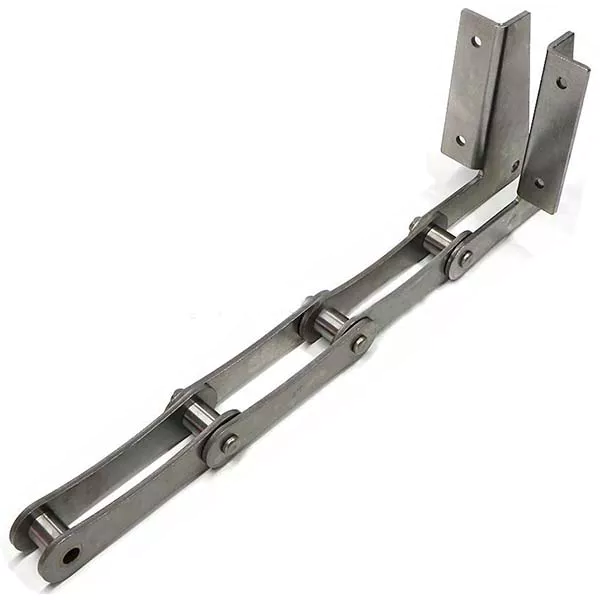
In che modo la progettazione di una catena di trasmissione influisce sulla sua efficienza e sulle sue prestazioni?
La progettazione di una catena di trasmissione gioca un ruolo cruciale nel determinarne l'efficienza e le caratteristiche prestazionali. Ecco una spiegazione dettagliata:
L'efficienza e le prestazioni di una catena di trasmissione sono influenzate da diversi fattori di progettazione che vengono attentamente considerati durante la sua fase di sviluppo:
- Passo e diametro della catena: Il passo e le dimensioni delle maglie della catena influenzano la capacità di carico, l'efficienza e le prestazioni complessive della catena di trasmissione. È necessario trovare un giusto equilibrio tra dimensioni e resistenza della catena per garantire una trasmissione di potenza ottimale, riducendo al minimo l'attrito e le perdite di energia.
- Design del rullo: La forma e le dimensioni dei rulli della catena influiscono sulla sua efficienza e sulle sue prestazioni. Rulli ben progettati riducono l'attrito e l'usura favorendo un movimento di rotolamento fluido tra la catena e i denti del pignone. Contribuiscono inoltre a migliorare la trasmissione della potenza e a ridurre la rumorosità.
- Progettazione di piastre e perni: La forma e il materiale delle maglie e dei perni della catena influenzano la sua resistenza, durata e flessibilità. Maglie e perni progettati correttamente garantiscono una trasmissione di potenza affidabile, resistenza all'usura e la capacità di sopportare carichi d'urto e condizioni di coppia variabili.
- Profilo e disegno dei denti della ruota dentata: La progettazione delle ruote dentate della catena è fondamentale per una trasmissione di potenza efficiente. Ruote dentate con denti lavorati con precisione e profili adeguati riducono al minimo l'attrito, garantiscono un corretto innesto con la catena e ne facilitano la fluida articolazione. Ruote dentate ben progettate riducono l'usura, la rumorosità e le perdite di energia.
- Caratteristiche di lubrificazione: La progettazione delle catene di trasmissione spesso include elementi di lubrificazione come fori o scanalature per facilitare la corretta distribuzione del lubrificante lungo le parti mobili della catena. Un sistema di lubrificazione ben progettato garantisce una lubrificazione efficace, riduce l'attrito, previene l'usura e migliora l'efficienza complessiva e la durata della catena.
- Selezione dei materiali: La scelta dei materiali per i componenti della catena, come rulli, piastre, perni e boccole, influisce significativamente sulla sua efficienza e sulle sue prestazioni. I materiali selezionati devono possedere un'adeguata resistenza, resistenza all'usura e resistenza alla fatica per sopportare le condizioni operative e le esigenze dell'applicazione.
- Meccanismi di tensionamento e regolazione: La progettazione delle catene di trasmissione spesso include meccanismi per il tensionamento e la regolazione della tensione della catena. Sistemi di tensionamento progettati correttamente garantiscono una tensione ottimale della catena durante tutto il suo funzionamento, favorendo un'efficiente trasmissione della potenza, riducendo le vibrazioni della catena e prolungandone la durata.
Una catena di trasmissione ben progettata riduce al minimo le perdite di energia dovute all'attrito, diminuisce l'usura e ottimizza l'efficienza della trasmissione di potenza. Garantisce un funzionamento fluido e affidabile, riduce la rumorosità e contribuisce alle prestazioni complessive e alla durata del sistema di trasmissione.
È importante sottolineare che la progettazione della catena di trasmissione deve tenere conto dei requisiti e dei vincoli specifici dell'applicazione, tra cui la capacità di carico, la velocità, le condizioni ambientali e le considerazioni relative alla manutenzione. Ispezioni regolari, lubrificazione e un corretto tensionamento sono essenziali per mantenere l'efficienza e le prestazioni della catena di trasmissione nel tempo.
Integrando principi di progettazione efficienti e considerando i vari fattori che influenzano le prestazioni, i produttori possono realizzare catene di trasmissione che offrono elevata efficienza, trasmissione di potenza affidabile, lunga durata e prestazioni ottimali nelle applicazioni previste.
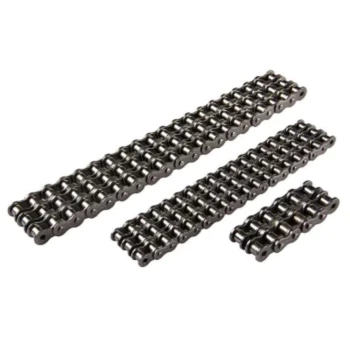
In che modo il peso di una catena di trasmissione influisce sulle sue prestazioni?
Il peso di una catena di trasmissione può influire sulle sue prestazioni, sebbene in genere non sia un fattore determinante. Ecco una spiegazione dettagliata:
Il peso di una catena di trasmissione si riferisce alla massa della catena stessa. Sebbene il peso della catena possa variare a seconda delle dimensioni, del tipo e del materiale, in genere non è un fattore critico nella maggior parte delle applicazioni. Ecco alcuni punti importanti da tenere a mente riguardo al peso di una catena di trasmissione:
- Inerzia: Il peso della catena di trasmissione contribuisce alla sua inerzia, ovvero alla resistenza alle variazioni di movimento. In applicazioni ad alta velocità o dinamiche, come la robotica o l'automazione, un peso eccessivo della catena può aumentare l'inerzia e potenzialmente compromettere la reattività e la precisione del sistema. Tuttavia, il peso della catena è solitamente relativamente basso rispetto ad altri componenti del sistema e l'impatto sulle prestazioni è spesso minimo.
- Tensione e meccanismi di tensionamento: Il peso della catena può influenzare i requisiti di tensionamento e la progettazione dei meccanismi di tensionamento. Catene più pesanti possono richiedere sistemi di tensionamento più robusti per mantenere la tensione corretta ed evitare l'allentamento della catena. È fondamentale considerare il peso della catena in fase di progettazione e implementazione dei meccanismi di tensionamento per garantire prestazioni ottimali.
- Capacità di carico: Il peso della catena in sé non influisce in modo significativo sulla sua capacità di carico o sulla sua resistenza. La capacità di carico è determinata dal design, dal materiale e dalla costruzione della catena. Una corretta selezione della catena, in base ai requisiti specifici dell'applicazione, è necessaria per garantire una capacità di carico sufficiente.
- Installazione e manipolazione: Il peso della catena può influenzare la facilità di installazione e movimentazione, soprattutto nel caso di catene più grandi o pesanti. È necessario utilizzare attrezzature di sollevamento e movimentazione adeguate per garantire un'installazione sicura e prevenire infortuni.
Nel complesso, sebbene il peso di una catena di trasmissione possa avere una lieve influenza sulle sue prestazioni in determinate applicazioni, in genere non è un fattore critico. Fattori come la progettazione della catena, il materiale, la lubrificazione, la tensione e l'allineamento hanno un impatto più significativo sulle prestazioni complessive e sull'affidabilità della catena di trasmissione.
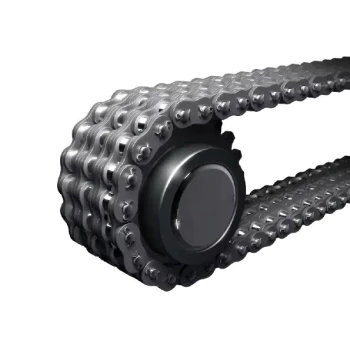
Quali sono le capacità di carico delle diverse catene di trasmissione?
La capacità di carico di una catena di trasmissione dipende da diversi fattori, tra cui il tipo di catena, le sue dimensioni, il design e il materiale. Ecco una panoramica generale delle capacità di carico per diverse tipologie di catene di trasmissione:
- 1. Catene a rulli: Le catene a rulli sono comunemente utilizzate e presentano un'ampia gamma di capacità di carico. La capacità di carico può variare in base al passo della catena, al diametro dei rulli e al materiale utilizzato. Le catene a rulli standard possono sopportare carichi che vanno da poche centinaia di libbre a diverse migliaia di libbre.
- 2. Catene a doppio passo: Le catene a doppio passo presentano in genere un passo maggiore, con conseguente aumento della distanza tra le maglie. Sono spesso utilizzate in applicazioni con carichi più leggeri e velocità inferiori rispetto alle catene a rulli standard.
- 3. Catene di foglie: Le catene a maglie piatte sono note per la loro elevata resistenza alla trazione e sono comunemente utilizzate in applicazioni gravose che richiedono sollevamento o trasporto di carichi. Hanno eccellenti capacità di carico e possono gestire carichi che vanno da diverse migliaia di libbre a decine di migliaia di libbre.
- 4. Catene silenziose: Le catene silenziose, note anche come catene a denti invertiti, sono utilizzate in applicazioni ad alta velocità che richiedono un'elevata capacità di carico e una sincronizzazione precisa. Hanno una robusta capacità di carico e possono gestire carichi significativi funzionando senza intoppi.
- 5. Catene ingegnerizzate: Le catene ingegnerizzate, come le catene di trasmissione, le catene in plastica o le catene autolubrificanti, possono avere capacità di carico variabili a seconda del loro design e delle applicazioni previste. Queste catene sono spesso progettate per soddisfare requisiti di carico specifici in settori specializzati.
È importante notare che le capacità di carico possono variare all'interno di ciascun tipo di catena in base a configurazioni specifiche e alle specifiche del produttore. Quando si seleziona una catena di trasmissione per una particolare applicazione, è fondamentale considerare i requisiti di carico previsti e consultare le linee guida e le specifiche del produttore per assicurarsi che la catena scelta sia adatta alla capacità di carico desiderata.


Modificato da CX il 10/01/2024