제품 설명
ISO/ANSI/DIN 표준 단피치 정밀 스테인리스 스틸 하드웨어 모터사이클 산업용 롤러 체인
제품 설명
1. 재질: 스테인리스강 304 및 316 / 합금 탄소강
2. 표면 처리: 쇼트피닝 / 아연 도금 / 니켈 도금 / 다크로멧 도금
3. 체인 번호:
35SS-1, 40SS-1, 50SS-1, 60SS-1, 80SS-1, 100SS-1, 120SS-1, 140SS-1;
35SS-2, 40SS-2, 50SS-2, 60SS-2, 80SS-2, 100SS-2, 120SS-2, 140SS-2;
35SS-3, 40SS-3, 50SS-3, 60SS-3, 80SS-3, 100SS-3, 120SS-3, 140SS-3;
4. 적용: 스테인리스강 체인은 기계 제조, 식품 기계 등 다양한 산업 분야에서 사용되며 고온 및 저온 환경에도 적합합니다.
5. 특징:
1. 체인은 다축 변속기의 양쪽에 사용할 수 있습니다.
2. 설치 및 교체가 간편합니다.
3. 더 큰 감소율을 얻을 수 있습니다.
4. 롤러 체인은 탄성이 좋고 강도가 높으며 각 경첩 부분에 윤활유가 있어 보관이 용이합니다. 따라서 강성 접촉 톱니에 비해 쿠션 및 진동 흡수 능력이 뛰어납니다.
| 제품명 | 중국산 스테인리스 스틸 롤러 체인 |
| 사용 가능한 자재 | 1. 스테인리스강: SS304, SS316 등 |
| 2. 합금강: 45Mn, 42CrMo, 20CrMo 등 | |
| 3. 고객 요청에 따른 OEM 생산 | |
| 표면 처리 | 쇼트피닝, 흑색화 처리, 산화 처리, 연마 처리, 아연 도금, 니켈 도금, 양극 산화 처리 등 |
| 특성 | 내화성, 내유성, 내열성 |
| 설계 기준 | ISO DIN ANSI 및 고객 도면 |
| 크기 | 고객 도면 및 ISO 표준 |
| 패키지 | 목재 상자/컨테이너 및 팔레트, 또는 주문 제작 |
| 자격증 | ISO9001: 2008 |
| 이점 | 최고 품질, 최상의 서비스, 경쟁력 있는 가격, 빠른 배송 |
| 배송 시간 | 샘플 제작에는 20일, 정식 주문에는 45일이 소요됩니다. |
상세 사진
더 많은 제품을 보시려면 여기를 클릭하세요…
회사 소개
| 용법: | 변속기 |
|---|---|
| 재료: | 스테인리스 스틸 |
| 구조: | 롤러 체인 |
| 80-1: | 1인치 |
| 크기: | 50ss-1 |
| 다른: | 내식성 |
| 샘플: |
US$ 0/미터
1미터(최소 주문량) | |
|---|
| 맞춤 설정: |
사용 가능
| 맞춤형 요청 |
|---|
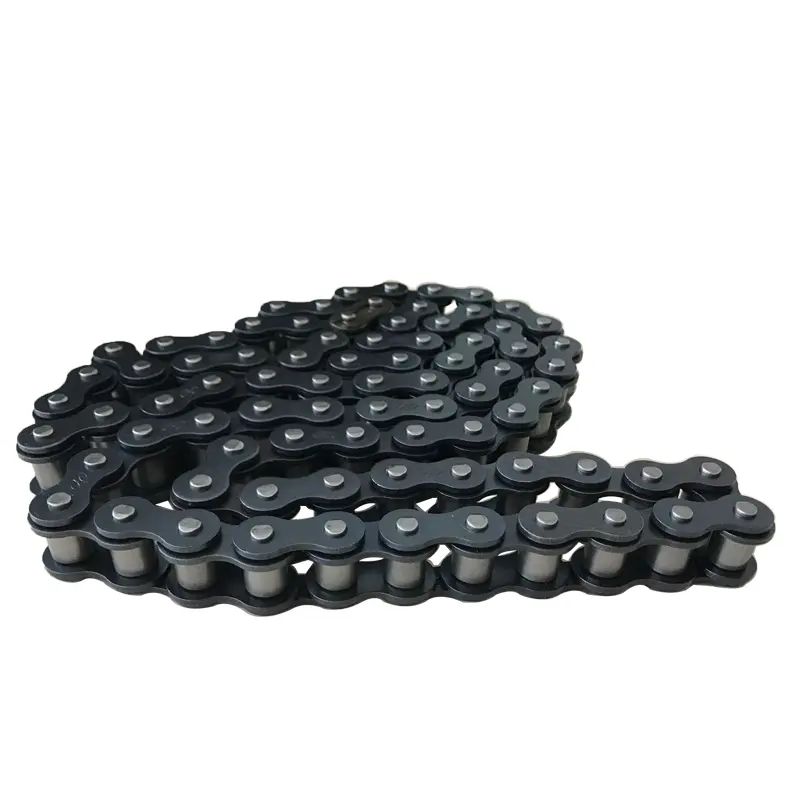
저소음 변속 체인을 사용하면 어떤 이점이 있습니까?
산업 현장에서 저소음 변속 시스템을 사용하면 여러 가지 이점이 있습니다. 다음은 이 질문에 대한 자세한 답변입니다.
1. 소음 감소: 저소음 동력 전달 체인을 사용하는 주요 이점 중 하나는 소음 수준을 줄여준다는 것입니다. 이러한 체인은 작동 중 진동, 충격 및 마찰로 인한 소음을 최소화하도록 특수 설계 및 재질로 제작되었습니다. 이는 주거 지역, 사무실 또는 소음에 민감한 산업 현장과 같이 소음 감소가 중요한 환경에서 특히 중요합니다.
2. 개선된 작업 환경: 저소음 변속기는 소음 수준을 낮춰 더욱 쾌적하고 생산적인 작업 환경을 조성하는 데 기여합니다. 과도한 소음은 직원의 피로, 집중력 저하, 스트레스 증가로 이어질 수 있습니다. 저소음 변속기를 사용하면 더욱 조용한 작업 공간을 만들어 작업 환경 개선과 전반적인 직원 복지 증진에 도움이 됩니다.
3. 소음 규정 준수: 특정 산업 또는 지역에서는 허용 가능한 소음 수준에 관한 구체적인 규정이나 지침이 있습니다. 저소음 전송 체인을 사용하면 이러한 규정을 준수하여 과도한 소음 배출과 관련된 벌금이나 법적 문제를 방지할 수 있습니다.
4. 장비 성능 향상: 저소음 구동 체인은 소음 발생을 최소화하면서 부드럽고 효율적인 동력 전달을 제공하도록 설계되었습니다. 진동 및 충격 소음 감소는 작업 환경의 쾌적성을 향상시킬 뿐만 아니라 장비의 전반적인 성능을 향상시킵니다. 이는 기계의 정밀도, 정확성 및 신뢰성을 높여 제품 품질 향상과 운영 효율성 증대에 기여할 수 있습니다.
5. 장비 수명 연장: 과도한 소음과 진동은 기계 부품의 마모를 가속화하여 유지 보수 비용 증가 및 조기 고장을 초래할 수 있습니다. 저소음 구동 체인을 사용하면 장비의 기계 부품에 미치는 영향이 줄어들어 마모가 감소하고 유지 보수 비용이 절감되며 장비 수명이 연장됩니다.
6. 고객 만족도: 자동차, 가전제품, 정밀 엔지니어링과 같이 소음이 최종 사용자 경험에 영향을 미칠 수 있는 산업에서 저소음 변속기를 사용하면 고객 만족도를 높일 수 있습니다. 조용하게 작동하는 제품은 종종 더 높은 품질로 인식되어 긍정적인 브랜드 이미지와 고객 충성도로 이어질 수 있습니다.
저소음 변속 체인의 이점은 특정 적용 분야 및 작동 조건에 따라 달라질 수 있다는 점에 유의해야 합니다. 제조업체와 장비 설계자는 저소음 변속 체인을 선택하고 적용할 때 하중 용량, 속도, 윤활 및 환경 요구 사항과 같은 요소를 고려해야 합니다.
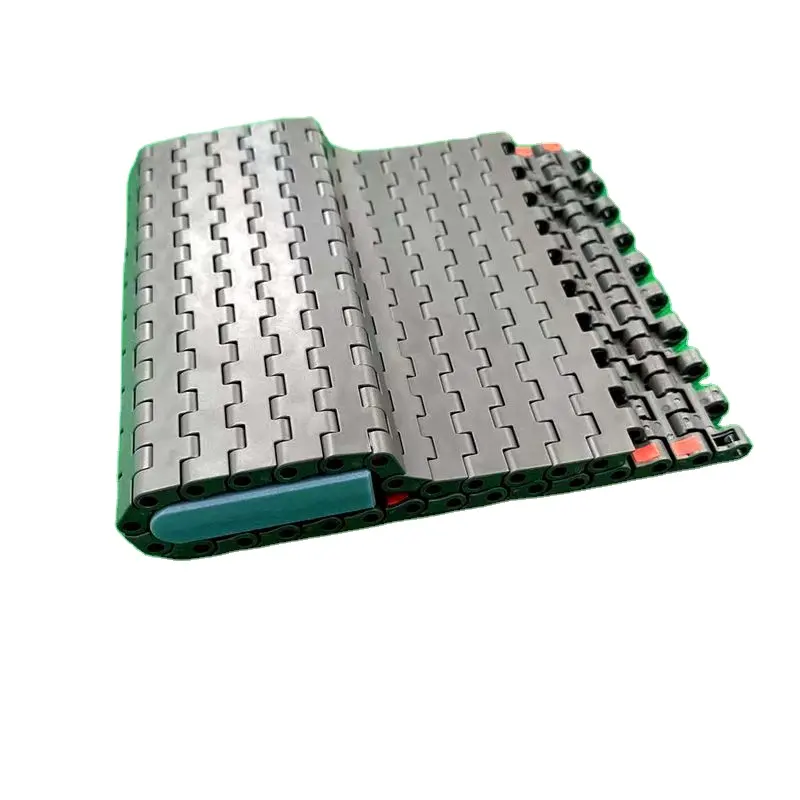
윤활유의 선택은 변속기 체인의 성능에 어떤 영향을 미칠까요?
윤활유 선택은 변속기 체인의 최적 성능과 수명 보장에 매우 중요한 역할을 합니다. 다음은 이 질문에 대한 자세한 답변입니다.
1. 마찰 및 마모 감소: 윤활유는 변속기 체인의 움직이는 부품 사이에 보호막을 형성하여 마찰과 마모를 줄입니다. 이는 금속 간 접촉을 최소화하고 표면 손상을 방지하여 체인의 수명을 연장하는 데 도움이 됩니다.
2. 효율성 향상: 적절한 윤활은 마찰로 인한 에너지 손실을 줄여 변속 시스템의 전반적인 효율성을 향상시킵니다. 윤활유는 마찰 저항을 감소시켜 더욱 원활한 동력 전달을 가능하게 하고, 전력 소비를 줄이며 시스템 효율성을 높입니다.
3. 열 방출: 윤활유는 체인 작동 중에 발생하는 열을 흡수하고 방출하여 열 방출을 돕습니다. 이는 체인의 과도한 온도 상승을 방지하여 마모 가속화, 윤활유 분해 및 잠재적인 체인 파손을 예방하는 데 도움이 됩니다.
4. 부식 방지: 윤활유는 습기, 습도 및 기타 부식성 요소로부터 보호막을 형성합니다. 이는 체인의 약화와 성능 저하를 유발할 수 있는 녹과 부식을 방지하는 데 도움이 됩니다. 특히 가혹하거나 부식성 환경에서는 부식 방지 기능이 있는 윤활유를 선택하는 것이 필수적입니다.
5. 오염물질 제거: 윤활유는 체인의 접촉면에서 먼지, 티끌, 이물질과 같은 오염물질을 제거하는 데 도움을 줄 수 있습니다. 이는 마모성 입자로 인한 체인의 조기 마모 및 손상을 방지하여 원활한 작동을 보장하고 체인 고장 위험을 줄입니다.
6. 온도 안정성: 윤활유는 종류에 따라 온도 안정성이 다릅니다. 변속기 체인의 작동 온도 범위 내에서 점도와 윤활 특성을 유지할 수 있는 윤활유를 선택하는 것이 중요합니다. 이를 통해 다양한 온도 조건에서도 일관된 윤활 및 성능을 보장할 수 있습니다.
7. 호환성: 변속기 체인에 사용된 재질과 호환되는 윤활유를 선택하는 것이 중요합니다. 일부 윤활유는 특정 체인 재질과 반응하여 열화 또는 손상을 초래할 수 있습니다. 호환성을 확보하면 체인의 무결성을 유지하고 부작용을 방지할 수 있습니다.
8. 윤활 주기: 윤활유의 선택은 윤활 주기, 즉 체인에 재윤활이 필요한 빈도에도 영향을 미칠 수 있습니다. 일부 윤활유는 윤활 효과가 오래 지속되어 잦은 재윤활로 인한 유지보수 필요성과 가동 중지 시간을 줄여줍니다.
특정 변속기 체인의 윤활에 관해서는 제조업체의 권장 사항 및 지침을 따르는 것이 매우 중요합니다. 정기적인 점검, 모니터링 및 적절한 유지 보수를 통해 체인이 최적의 성능과 수명을 유지할 수 있도록 충분한 윤활 상태를 보장해야 합니다.
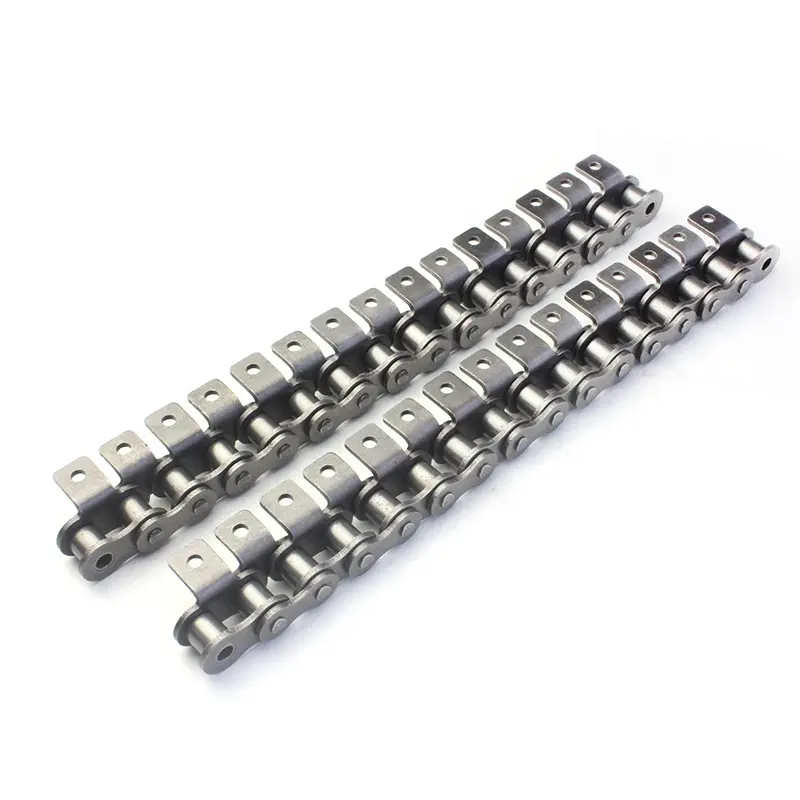
특정 용도에 맞는 적절한 변속 체인을 어떻게 선택해야 할까요?
특정 용도에 맞는 적절한 변속 체인을 선택하는 것은 최적의 성능과 수명을 보장하는 데 매우 중요합니다. 변속 체인을 선택할 때 고려해야 할 주요 요소는 다음과 같습니다.
- 하중 지지 용량: 체인이 전달해야 할 최대 하중을 결정합니다. 여기에는 정적 하중과 동적 하중이 모두 포함됩니다. 선택한 체인이 적용 분야의 요구 사항을 충족할 수 있는 충분한 하중 지지 용량을 갖추고 있는지 확인하십시오.
- 속도 및 회전 속도(RPM): 체인의 작동 속도와 회전 속도를 고려하십시오. 속도가 높을수록 피로 저항성과 윤활 성능이 향상된 체인이 필요할 수 있습니다.
- 환경: 체인이 작동할 환경 조건을 평가하십시오. 온도, 습도, 먼지, 화학 물질 및 부식성 물질과 같은 요소는 체인 성능에 영향을 미칠 수 있습니다. 특정 환경 조건에 내성이 있는 체인을 선택하십시오.
- 정렬 및 장력: 체인의 정렬과 장력이 적절한지 확인하십시오. 정렬 불량 및 장력 부족은 조기 마모 및 고장의 원인이 될 수 있습니다. 작동 중 적절한 조정이 가능하고 최적의 장력을 유지하는 체인을 선택하십시오.
- 유지보수: 체인의 유지보수 요구 사항을 고려하십시오. 일부 체인은 정기적인 윤활이 필요할 수 있지만, 자체 윤활 기능이 있거나 유지보수가 필요 없는 체인도 있습니다. 사용 가능한 자원과 적용 분야에 필요한 유지보수 수준을 평가하십시오.
- 호환성: 체인과 스프로킷 또는 기어와 같은 변속 시스템의 다른 구성 요소 간의 호환성을 확인하십시오. 체인은 결합되는 구성 요소의 톱니 모양 및 피치와 일치해야 합니다.
- 제조업체 권장 사항: 특정 용도에 적합한 체인을 선택하려면 제조업체의 지침 및 권장 사항을 참조하십시오. 제조업체는 일반적으로 자사 체인에 대한 자세한 사양, 하중표 및 적용 지침을 제공합니다.
이러한 요소들을 고려하고 체인 제조업체 또는 업계 전문가와 상담하면 특정 용도에 맞는 적절한 동력 전달 체인을 선택하여 안정적이고 효율적인 작동을 보장할 수 있습니다.


CX 편집, 2023년 10월 25일