Ürün Açıklaması
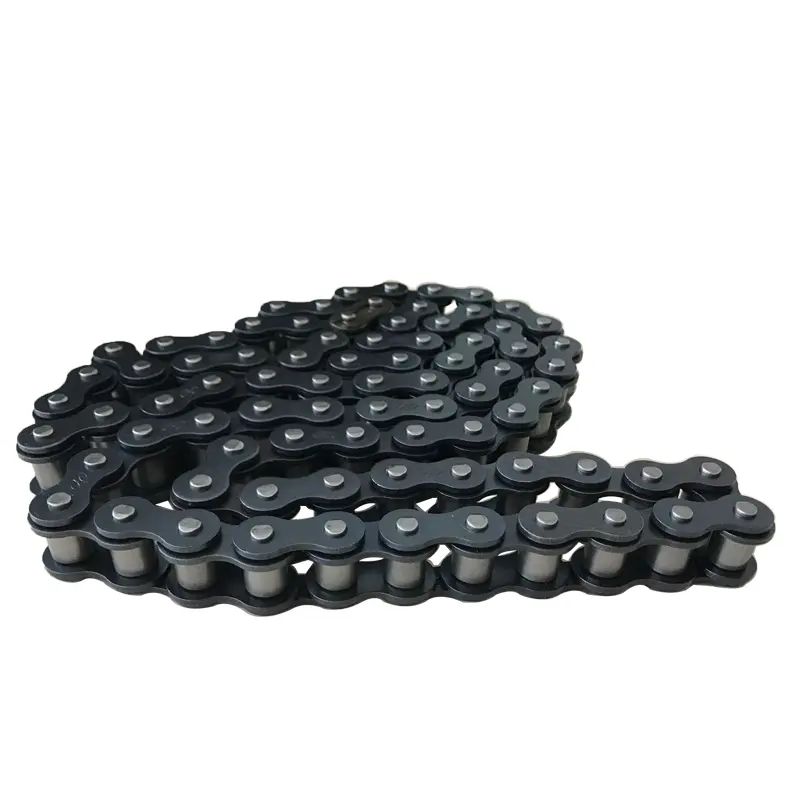
ISO/ANSI/DIN Standardı Kısa Adımlı Hassas Paslanmaz Çelik Donanım Şanzıman Motosiklet Endüstriyel Makaralı Zincir
Ürün Açıklaması
1. Malzeme: Paslanmaz Çelik 304 ve 316 / Alaşımlı Karbon Çelik
2. Yüzey İşlemi: Bilye püskürtme / Çinko kaplama / Nikel kaplama / Dacromet kaplama
3. Zincir No:
35SS-1, 40SS-1, 50SS-1, 60SS-1, 80SS-1, 100SS-1, 120SS-1, 140SS-1;
35SS-2, 40SS-2, 50SS-2, 60SS-2, 80SS-2, 100SS-2, 120SS-2, 140SS-2;
35SS-3, 40SS-3, 50SS-3, 60SS-3, 80SS-3, 100SS-3, 120SS-3, 140SS-3;
4. Uygulama: Paslanmaz çelik zincirler, makine imalatı, gıda makineleri gibi birçok sektörde kullanılmaktadır. Ayrıca yüksek ve düşük sıcaklık koşullarına da uygundur.
5. Özellik:
1. Zincir, çok akslı şanzımanın her iki tarafında da kullanılabilir.
2. Kolay kurulum ve değiştirme.
3. Daha yüksek bir indirim oranı elde edilebilir.
4. Makaralı zincir iyi esnekliğe, yüksek mukavemete sahiptir ve her menteşe parçasında yağlama yağı bulunur, bu nedenle kolayca saklanabilir. Bu nedenle, sert temaslı dişliye kıyasla iyi bir yastıklama ve titreşim emme özelliğine sahiptir.
| Ürün adı | Çin'den Paslanmaz Çelik Makaralı Zincir |
| Mevcut Malzemeler | 1. Paslanmaz Çelik: SS304, SS316, vb. |
| 2. Alaşımlı Çelik: 45Mn, 42CrMo, 20CrMo, vb. | |
| 3. Talebinize göre OEM üretimi | |
| Yüzey İşlemi | Bilye püskürtme, karartma, oksijenleme, parlatma, çinko kaplama, nikel kaplama, eloksal kaplama, vb. |
| Özellik | Yangına Dayanıklı, Yağa Dayanıklı, Isıya Dayanıklı |
| Tasarım kriteri | ISO DIN ANSI ve Müşteri Çizimi |
| Boyut | Müşterinin Çizimi ve ISO Standardı |
| Paket | Ahşap kasa/konteyner ve palet veya siparişe göre üretim |
| Sertifika | ISO9001: 2008 |
| Avantaj | Birinci kalite, En iyi hizmet, Rekabetçi fiyat, Hızlı teslimat |
| Teslimat süresi | Numuneler için 20 gün. Resmi sipariş için 45 gün. |
Detaylı Fotoğraflar
Daha fazla ürün görmek için lütfen buraya tıklayın…
Şirket Profili
| Kullanım: | İletim Zinciri |
|---|---|
| Malzeme: | Paslanmaz çelik |
| Yapı: | Makaralı Zincir |
| 80-1: | 1" |
| Boyut: | 50'ler-1 |
| Diğer: | Korozyon Direnci |
| Örnekler: |
US$ 0/Metre
1 Metre (Minimum Sipariş) | |
|---|
| Özelleştirme: |
Mevcut
| Özelleştirilmiş Talep |
|---|
Düşük gürültülü bir iletim zinciri kullanmanın faydaları nelerdir?
Endüstriyel uygulamalarda düşük gürültülü bir iletim zinciri kullanmanın çeşitli avantajları vardır. İşte sorunun ayrıntılı cevabı:
1. Gürültü Azaltma: Düşük gürültülü bir aktarma zinciri kullanmanın başlıca faydalarından biri, gürültü seviyelerinin azalmasıdır. Bu zincirler, çalışma sırasında titreşimleri, darbeleri ve sürtünme kaynaklı gürültüyü en aza indirgemek için özel özellikler ve malzemelerle tasarlanmıştır. Bu, özellikle konut alanları, ofisler veya gürültüye duyarlı endüstriler gibi gürültü azaltmanın kritik olduğu ortamlarda önemlidir.
2. Geliştirilmiş Çalışma Ortamı: Düşük gürültülü iletim zincirleri, gürültü seviyelerini azaltarak daha konforlu ve verimli bir çalışma ortamına katkıda bulunur. Aşırı gürültü, çalışan yorgunluğuna, konsantrasyon azalmasına ve stres seviyelerinin artmasına yol açabilir. Düşük gürültülü zincirlerin kullanımı, daha sessiz bir çalışma alanı oluşturmaya yardımcı olarak daha iyi çalışma koşullarını ve genel refahı destekler.
3. Gürültü Yönetmeliklerine Uygunluk: Bazı sektörlerde veya bölgelerde, kabul edilebilir gürültü seviyelerine ilişkin özel düzenlemeler veya yönergeler bulunmaktadır. Düşük gürültülü iletim zincirlerinin kullanılması, bu düzenlemelere uyumu sağlamaya ve aşırı gürültü emisyonlarıyla ilgili olası para cezalarından veya yasal sorunlardan kaçınmaya yardımcı olabilir.
4. Geliştirilmiş Ekipman Performansı: Düşük gürültülü transmisyon zincirleri, gürültü oluşumunu en aza indirirken sorunsuz ve verimli güç aktarımı sağlamak üzere tasarlanmıştır. Titreşim ve darbe gürültüsündeki azalma, yalnızca iş yerinin konforunu iyileştirmekle kalmaz, aynı zamanda ekipmanın genel performansını da artırır. Makinenin hassasiyetini, doğruluğunu ve güvenilirliğini artırarak ürün kalitesini ve operasyonel verimliliği iyileştirebilir.
5. Ekipman Ömrünün Uzaması: Aşırı gürültü ve titreşim, makine bileşenlerinde aşınmayı hızlandırarak bakım maliyetlerinin artmasına ve erken arızalara yol açabilir. Düşük gürültülü bir iletim zinciri kullanılarak, ekipmanın mekanik parçaları üzerindeki etki azaltılır; bu da daha az aşınma, daha düşük bakım maliyetleri ve ekipman ömrünün uzamasıyla sonuçlanır.
6. Müşteri Memnuniyeti: Otomotiv, tüketici elektroniği veya hassas mühendislik gibi gürültünün son kullanıcı deneyimini etkileyebileceği sektörlerde, düşük gürültülü iletim zincirlerinin kullanılması daha yüksek müşteri memnuniyetine katkıda bulunabilir. Sessiz çalışan ürünler genellikle daha yüksek kalite olarak algılanır ve olumlu bir marka imajına ve müşteri sadakatine yol açabilir.
Düşük gürültülü transmisyon zincirlerinin faydalarının, belirli uygulama ve çalışma koşullarına bağlı olarak değişebileceğini belirtmek önemlidir. Üreticiler ve ekipman tasarımcıları, düşük gürültülü transmisyon zincirlerini seçerken ve uygularken yük kapasitesi, hız, yağlama ve çevresel gereksinimler gibi faktörleri göz önünde bulundurmalıdır.
Yağ seçimi, şanzıman zincirinin performansını nasıl etkiler?
Yağlayıcı seçimi, şanzıman zincirinin optimum performansını ve uzun ömrünü sağlamada kritik bir rol oynar. İşte bu sorunun ayrıntılı cevabı:
1. Sürtünme ve Aşınmanın Azaltılması: Yağlayıcılar, tahrik zincirinin hareketli parçaları arasında koruyucu bir film oluşturarak sürtünmeyi ve aşınmayı azaltır. Bu, metal-metal temasını en aza indirmeye ve yüzey hasarını önlemeye yardımcı olarak zincirin ömrünü uzatır.
2. Geliştirilmiş Verimlilik: Uygun yağlama, sürtünmeden kaynaklanan enerji kayıplarını azaltarak, iletim sisteminin genel verimliliğini artırır. Sürtünme direncini azaltarak, yağlayıcı daha düzgün güç aktarımına olanak tanır, güç tüketimini azaltır ve sistem verimliliğini artırır.
3. Isı Dağılımı: Yağlayıcılar, zincir çalışması sırasında oluşan ısıyı emerek ve dağıtarak ısı dağılımına yardımcı olur. Bu, zincir sıcaklığının aşırı yükselmesini önlemeye yardımcı olur; bu da hızlanmış aşınmaya, yağlayıcı bozulmasına ve potansiyel zincir arızasına yol açabilir.
4. Korozyon Koruması: Yağlayıcılar, neme, rutubete ve diğer aşındırıcı unsurlara karşı koruyucu bir bariyer sağlar. Bu, zinciri zayıflatabilecek ve performansını düşürebilecek pas ve korozyonu önlemeye yardımcı olur. Özellikle zorlu veya aşındırıcı ortamlarda, korozyon önleyici özelliklere sahip bir yağlayıcı seçmek çok önemlidir.
5. Kirleticilerin Giderilmesi: Yağlayıcılar, zincirin temas yüzeylerinden kir, toz ve döküntü gibi kirleticilerin uzaklaştırılmasına yardımcı olur. Bu, aşındırıcı parçacıkların zincirde erken aşınmaya ve hasara neden olmasını önleyerek, sorunsuz çalışmayı sağlar ve zincir arızası riskini azaltır.
6. Sıcaklık Kararlılığı: Farklı yağlayıcıların sıcaklık kararlılığı özellikleri farklılık gösterir. İletim zincirinin çalışma sıcaklığı aralığında viskozitesini ve yağlama özelliklerini koruyabilen bir yağlayıcı seçmek çok önemlidir. Bu, çeşitli sıcaklık koşullarında tutarlı yağlama ve performans sağlar.
7. Uyumluluk: Aktarım zincirinde kullanılan malzemelerle uyumlu bir yağlayıcı seçmek önemlidir. Bazı yağlayıcılar belirli zincir malzemeleriyle reaksiyona girerek bozulmaya veya hasara yol açabilir. Uyumluluğun sağlanması, zincirin bütünlüğünü korumaya ve olumsuz etkilerden kaçınmaya yardımcı olur.
8. Yağlama Aralığı: Yağlayıcı seçimi, yağlama aralığını, yani zincirin ne sıklıkla yeniden yağlanması gerektiğini de etkileyebilir. Bazı yağlayıcılar daha uzun süreli yağlama özellikleri sunarak, sık yağlama ile ilişkili bakım gereksinimlerini ve arıza sürelerini azaltır.
Belirli şanzıman zinciri için yağlama konusunda üreticinin tavsiyelerine ve yönergelerine uymak çok önemlidir. Zincirin optimum performans ve uzun ömür için yeterince yağlanmasını sağlamak amacıyla düzenli kontrol, izleme ve uygun bakım uygulamaları hayata geçirilmelidir.
Belirli bir uygulama için doğru şanzıman zincirini nasıl seçersiniz?
Belirli bir uygulama için doğru tahrik zincirini seçmek, optimum performans ve uzun ömür sağlamak açısından çok önemlidir. Tahrik zinciri seçerken göz önünde bulundurulması gereken temel faktörler şunlardır:
- Yük Taşıma Kapasitesi: Zincirin iletmesi gereken maksimum yükü belirleyin. Bu, hem statik hem de dinamik yükleri içerir. Seçilen zincirin uygulama gereksinimlerini karşılayacak yeterli yük taşıma kapasitesine sahip olduğundan emin olun.
- Hız ve Devir Sayısı: Zincirin çalışma hızını ve dönüş hızını göz önünde bulundurun. Daha yüksek hızlar, daha iyi yorulma direnci ve yağlama özelliklerine sahip zincirler gerektirebilir.
- Çevre: Zincirin çalışacağı çevresel koşulları değerlendirin. Sıcaklık, nem, toz, kimyasallar ve aşındırıcı maddeler gibi faktörler zincir performansını etkileyebilir. Belirli çevresel koşullara dayanıklı bir zincir seçin.
- Hizalama ve Gerilim: Zincirin doğru hizalanmasını ve geriliminin ayarlanmasını sağlayın. Yanlış hizalama ve uygun olmayan gerilim, erken aşınmaya ve arızaya yol açabilir. Doğru ayarlamaya olanak tanıyan ve çalışma sırasında optimum gerilimi koruyan bir zincir seçin.
- Bakım: Zincirin bakım gereksinimlerini göz önünde bulundurun. Bazı zincirler düzenli yağlama gerektirirken, diğerleri kendiliğinden yağlanan veya bakım gerektirmeyen yapıda olabilir. Mevcut kaynakları ve uygulama için istenen bakım seviyesini değerlendirin.
- Uyumluluk: Zincir ile dişli çarklar veya diğer aktarım sistemi bileşenleri arasında uyumluluk sağlanmalıdır. Zincir, eşleşen bileşenlerin diş profili ve adımıyla uyumlu olmalıdır.
- Üretici Tavsiyeleri: Belirli uygulamalar için uygun zinciri seçmek üzere üreticinin kılavuzlarına ve tavsiyelerine başvurun. Üreticiler genellikle zincirleri için ayrıntılı özellikler, yük tabloları ve uygulama kılavuzları sunarlar.
Bu faktörleri göz önünde bulundurarak ve zincir üreticileri veya sektör uzmanlarıyla görüşerek, uygulamanızın özel gereksinimlerini karşılayan ve güvenilir ve verimli çalışma sağlayan doğru iletim zincirini seçebilirsiniz.


CX tarafından düzenlendi, 25.10.2023