製品説明
ISO/ANSI/DIN規格 ショートピッチ精密ステンレス鋼製ハードウェア トランスミッション オートバイ産業用ローラーチェーン
製品説明
1. 素材: ステンレス鋼304および316/合金炭素鋼
2. 表面処理: ショットピーニング/亜鉛メッキ/ニッケルメッキ/ダクロメットメッキ
3. チェーン番号:
35SS-1、40SS-1、50SS-1、60SS-1、80SS-1、100SS-1、120SS-1、140SS-1;
35SS-2、40SS-2、50SS-2、60SS-2、80SS-2、100SS-2、120SS-2、140SS-2;
35SS-3、40SS-3、50SS-3、60SS-3、80SS-3、100SS-3、120SS-3、140SS-3;
4. アプリケーション: ステンレス鋼チェーンは、機械製造、食品機械など、非常に多くの産業で使用されています。また、高温および低温の環境にも適しています。
5. 特徴:
1. このチェーンは、多軸トランスミッションの両側で使用できます。
2. 取り付けと交換が簡単。
3. より大きな削減率が得られる。
4. ローラーチェーンは弾性と強度に優れ、各ヒンジ部分に潤滑油が塗布されているため、保管が容易です。したがって、剛性のある接触歯と比較して、優れた緩衝性と振動吸収能力を備えています。
| 製品名 | 中国製ステンレススチールローラーチェーン |
| 入手可能な材料 | 1. ステンレス鋼:SS304、SS316など |
| 2. 合金鋼:45Mn、42CrMo、20CrMoなど | |
| 3. お客様のご要望に応じたOEM | |
| 表面処理 | ショットピーニング、黒染め、酸化処理、研磨、亜鉛メッキ、ニッケルメッキ、陽極酸化処理など。 |
| 特性 | 耐火性、耐油性、耐熱性 |
| 設計基準 | ISO DIN ANSI および顧客の図面 |
| サイズ | 顧客図面およびISO規格 |
| パッケージ | 木製ケース/コンテナとパレット、または特注品 |
| 証明書 | ISO9001:2008 |
| アドバンテージ | 最高品質、最高のサービス、競争力のある価格、迅速な配送 |
| 納期 | サンプル作成には20日、正式注文には45日かかります。 |
詳細写真
その他の製品をご覧になるには、こちらをクリックしてください…
会社概要
| 使用法: | トランスミッションチェーン |
|---|---|
| 材料: | ステンレス鋼 |
| 構造: | ローラーチェーン |
| 80-1: | 1インチ |
| サイズ: | 50ss-1 |
| 他の: | 耐腐食性 |
| サンプル: |
US$ 0/メートル
1メートル(最小注文単位) | |
|---|
| カスタマイズ: |
利用可能
| カスタマイズされたリクエスト |
|---|
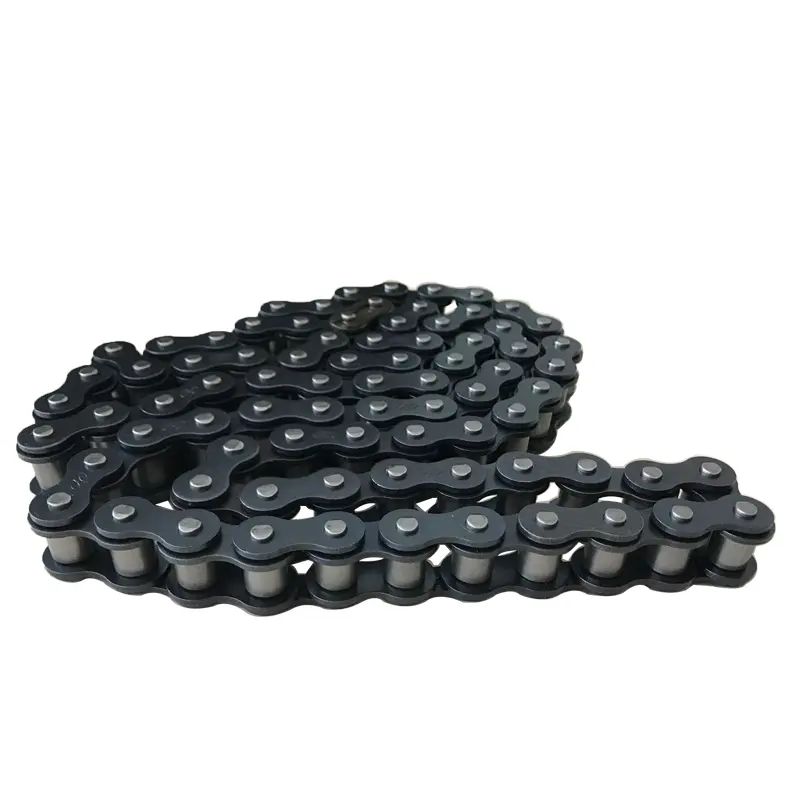
低騒音伝動チェーンを使用する利点は何ですか?
産業用途において低騒音伝動装置を使用することには、いくつかの利点があります。以下に、その質問に対する詳細な回答を示します。
1. 騒音低減:低騒音伝動チェーンを使用する主な利点の1つは、騒音レベルの低減です。これらのチェーンは、運転中の振動、衝撃、摩擦による騒音を最小限に抑えるために、特別な機能と素材を用いて設計されています。これは、住宅地、オフィス、騒音に敏感な産業など、騒音低減が重要な環境において特に重要です。
2. 職場環境の改善:低騒音伝送チェーンは騒音レベルを低減することで、より快適で生産性の高い職場環境の実現に貢献します。過剰な騒音は、従業員の疲労、集中力の低下、ストレスレベルの上昇につながる可能性があります。低騒音チェーンを使用することで、より静かな作業環境が実現し、より良い労働条件と従業員の全体的な健康状態の向上につながります。
3.騒音規制の遵守:特定の産業や地域では、許容される騒音レベルに関する具体的な規制やガイドラインが定められています。低騒音伝送システムを使用することで、これらの規制を確実に遵守し、過剰な騒音排出に関連する罰金や法的問題を回避できます。
4.機器性能の向上:低騒音伝動チェーンは、騒音発生を最小限に抑えながら、スムーズで効率的な動力伝達を実現するように設計されています。振動や衝撃音の低減は、作業環境の快適性を向上させるだけでなく、機器全体の性能も向上させます。これにより、機械の精度、正確性、信頼性が向上し、製品品質と作業効率の向上につながります。
5. 機器寿命の延長:過度の騒音や振動は機械部品の摩耗を加速させ、メンテナンス頻度の増加や早期故障につながります。低騒音の伝動チェーンを使用することで、機器の機械部品への衝撃が軽減され、摩耗の減少、メンテナンスコストの削減、そして機器寿命の延長につながります。
6.顧客満足度:自動車、家電、精密工学など、騒音がエンドユーザー体験に影響を与える業界では、低騒音の伝動装置を使用することで顧客満足度を高めることができます。静かに動作する製品は高品質であると認識されやすく、ブランドイメージの向上や顧客ロイヤルティの強化につながります。
低騒音伝動チェーンの利点は、用途や運転条件によって異なる場合があることに留意することが重要です。製造業者や機器設計者は、低騒音伝動チェーンを選定・導入する際に、負荷容量、速度、潤滑、環境要件などの要素を考慮する必要があります。
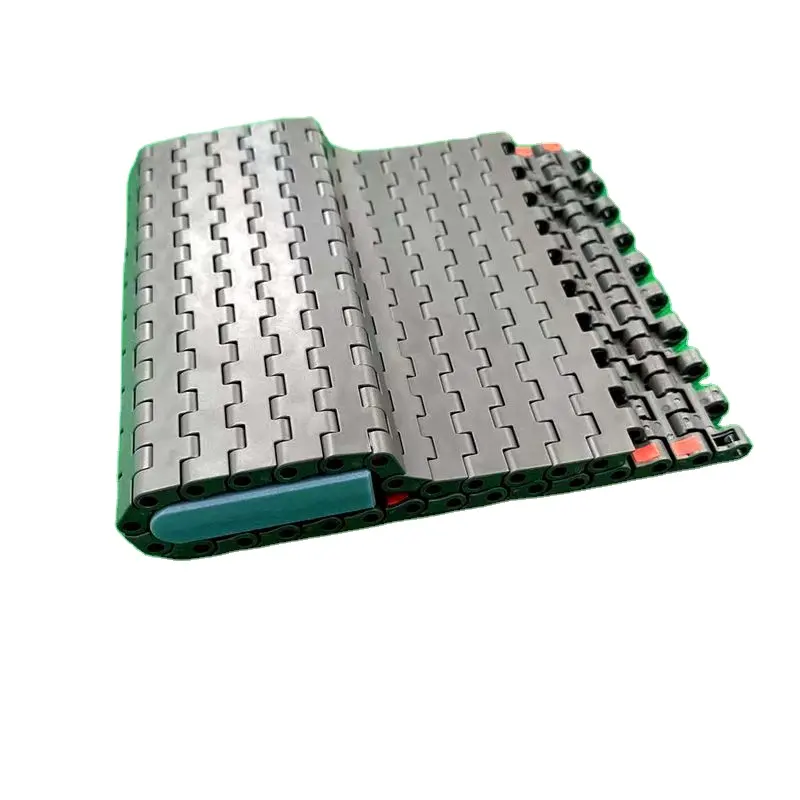
潤滑油の選択は、伝動チェーンの性能にどのような影響を与えるのでしょうか?
潤滑油の選択は、伝動チェーンの最適な性能と長寿命を確保する上で極めて重要な役割を果たします。以下に、その質問に対する詳細な回答を示します。
1. 摩擦と摩耗の低減:潤滑剤は伝動チェーンの可動部品間に保護膜を形成し、摩擦と摩耗を低減します。これにより、金属同士の接触を最小限に抑え、表面の損傷を防ぎ、チェーンの寿命を延ばします。
2.効率の向上:適切な潤滑は摩擦によるエネルギー損失を低減し、伝動システムの全体的な効率を向上させます。潤滑剤は摩擦抵抗を低減することで、よりスムーズな動力伝達を可能にし、消費電力の削減とシステム効率の向上を実現します。
3.放熱:潤滑剤は、チェーンの動作中に発生する熱を吸収・放散することで放熱を促進します。これにより、チェーンの過度な温度上昇を防ぎ、摩耗の加速、潤滑剤の劣化、そしてチェーンの破損といった事態を回避できます。
4.腐食防止:潤滑剤は、水分、湿度、その他の腐食性物質に対する保護バリアとして機能します。これにより、チェーンの劣化や性能低下の原因となる錆や腐食を防ぐことができます。特に過酷な環境や腐食性の高い環境では、防錆特性を持つ潤滑剤を選ぶことが不可欠です。
5.汚染物質の除去:潤滑剤は、チェーンの接触面から汚れ、ほこり、破片などの汚染物質を除去するのに役立ちます。これにより、研磨粒子がチェーンの早期摩耗や損傷を引き起こすのを防ぎ、スムーズな動作を確保し、チェーンの故障リスクを低減します。
6.温度安定性:潤滑油の種類によって温度安定性は異なります。伝動チェーンの動作温度範囲内で粘度と潤滑特性を維持できる潤滑油を選択することが重要です。これにより、様々な温度条件下でも安定した潤滑と性能が確保されます。
7.適合性:伝動チェーンに使用されている材料と適合する潤滑剤を選択することが重要です。潤滑剤によっては、特定のチェーン材料と反応して劣化や損傷を引き起こす場合があります。適合性を確保することで、チェーンの健全性を維持し、悪影響を回避することができます。
8. 潤滑間隔:潤滑剤の選択は、潤滑間隔、つまりチェーンを再潤滑する必要がある頻度にも影響します。一部の潤滑剤は、より長持ちする潤滑特性を備えているため、頻繁な再潤滑に伴うメンテナンス要件とダウンタイムを削減できます。
特定の伝動チェーンの潤滑に関しては、製造元の推奨事項とガイドラインに従うことが非常に重要です。チェーンが常に適切な潤滑状態を保ち、最適な性能と長寿命を維持するためには、定期的な点検、監視、および適切なメンテナンスを実施する必要があります。
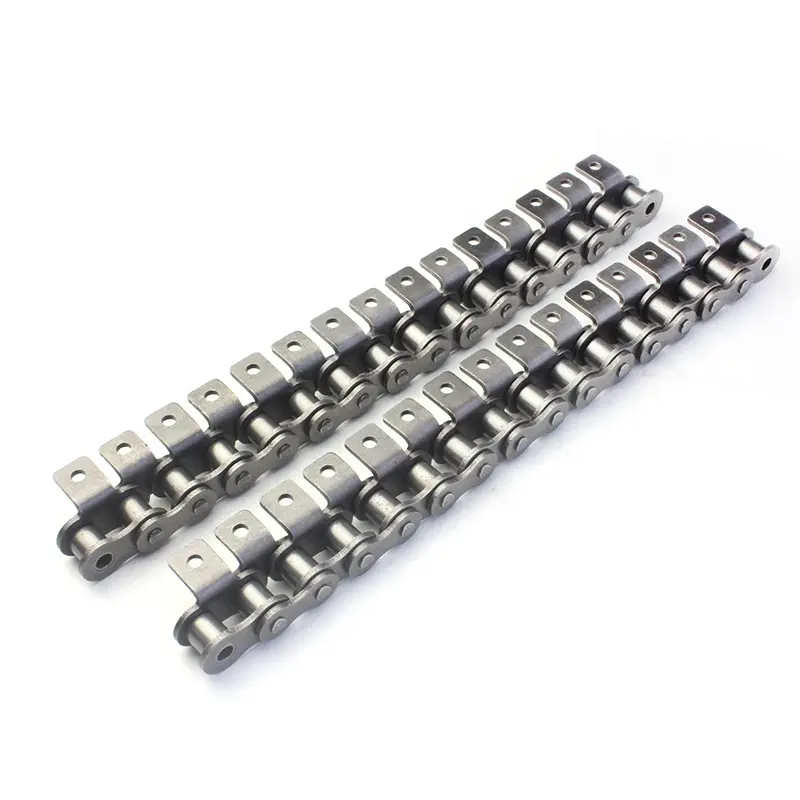
特定の用途に適した伝動チェーンはどのように選べばよいのでしょうか?
特定の用途に適した伝動チェーンを選択することは、最適な性能と長寿命を確保するために非常に重要です。伝動チェーンを選択する際に考慮すべき主な要素は以下のとおりです。
- 耐荷重:チェーンが伝達する必要のある最大荷重を決定します。これには、静的荷重と動的荷重の両方が含まれます。選択したチェーンが、用途の要件を満たすのに十分な耐荷重を備えていることを確認してください。
- 速度と回転数:チェーンの動作速度と回転速度を考慮してください。高速回転の場合は、耐疲労性と潤滑性能が向上したチェーンが必要になる場合があります。
- 環境:チェーンが稼働する環境条件を評価してください。温度、湿度、粉塵、化学物質、腐食性物質などの要因は、チェーンの性能に影響を与える可能性があります。特定の環境条件に耐性のあるチェーンを選択してください。
- 位置合わせと張力:チェーンの位置合わせと張力が適切であることを確認してください。位置ずれや張力の不適切さは、早期摩耗や故障の原因となります。適切な調整が可能で、運転中も最適な張力を維持できるチェーンを選択してください。
- メンテナンス:チェーンのメンテナンス要件を考慮してください。チェーンによっては定期的な潤滑が必要な場合もあれば、自己潤滑式またはメンテナンスフリーの場合もあります。利用可能なリソースと、用途に応じたメンテナンスレベルを評価してください。
- 互換性:チェーンと、スプロケットやギアなどの伝動システム内の他のコンポーネントとの互換性を確認してください。チェーンは、相手部品の歯形とピッチに適合している必要があります。
- メーカー推奨事項:特定の用途に適したチェーンを選択するには、メーカーのガイドラインと推奨事項を参照してください。メーカーは多くの場合、チェーンの詳細な仕様、負荷表、および使用ガイドラインを提供しています。
これらの要素を考慮し、チェーンメーカーや業界の専門家に相談することで、用途の特定の要件を満たす適切な伝動チェーンを選択し、信頼性と効率性の高い動作を確保することができます。


編集者:CX 2023-10-25