Descrizione del prodotto
Informazioni sulla fabbrica
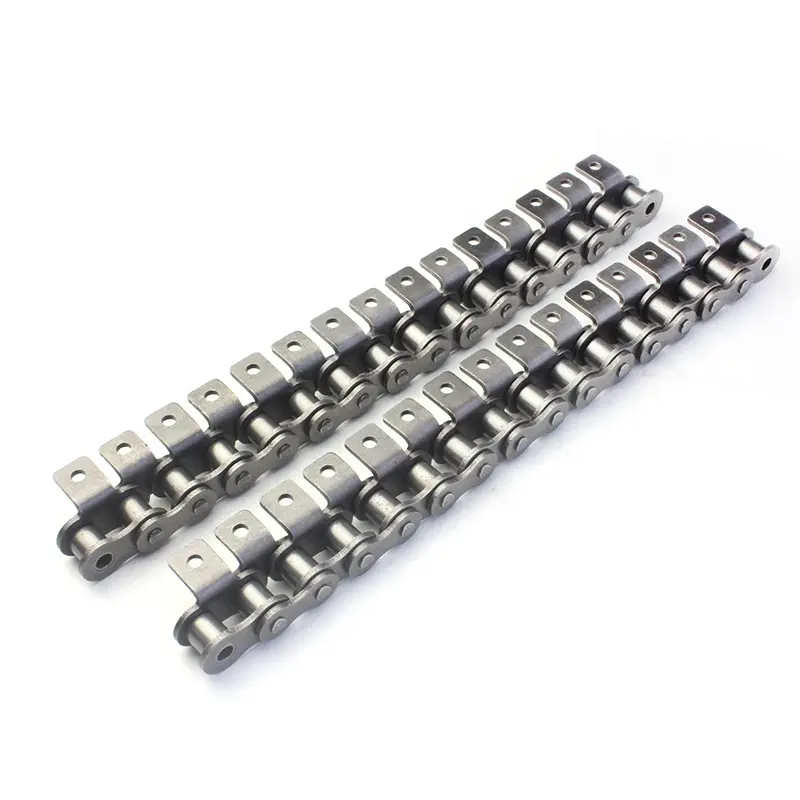
Con più di 18 anni di storiaSiamo un produttore professionale di prodotti forgiati a caldo come catene forgiate (X348 X458 X658 X678 X698 F100 F160), catene raschianti (10160, 14218, 14226, 142N), carrelli trasportatori (X348, X458, X678, XT160) e catene di trasmissione (X348, X458, X678), e così via, utilizzando stampi standard per catene.
Inoltre, possiamo anche produrre, su vostro disegno o campione, catene a maglie speciali, spingitori, perni e piastre, in base alle esigenze specifiche dei clienti.
Descrizione del prodotto
1) Materiale: acciaio legato, 40Cr, 42CrMo e così via.
2) Tipologie: Tipi standard, X348, X458, X678 e così via. (Oppure secondo il vostro disegno)
3) Processo: Stampaggio→Forgiatura→Lucidatura e sabbiatura→Lavorazione di precisione→Trattamento termico→Sabbiatura→Ispezione e collaudo→Imballaggio
Presentazione del prodotto
Dati tecnici
| Modello | Dimensione | Peso (kg) | Materiale | Durezza | Carico di lavoro (kN) | Carico limite (kN) | ||||||
| P | T | C | S | F | R | D | ||||||
| 10160B | 101.6 | 24 | 36 | 13 | 14 | 6 | 14 | 0.32 | 20CrMnTi | HRC superficiale 56-64° Profondità 0,6-1,2 mm |
18 | 100 |
| 10160 | 101.6 | 30 | 36 | 13 | 14.5 | 9 | 14 | 0.36 | 20CrMnTi | Durezza superficiale HRC56-64° Profondità 0,6-1,2 mm | 21.6 | 120 |
| 14218 | 142 | 42 | 50 | 19 | 20.5 | 11 | 25 | 1.15 | 20CrMnTi | Durezza superficiale HRC56-64° Profondità 0,6-1,2 mm | 48.6 | 270 |
| 14226 | 142 | 62 | 50 | 28 | 30 | 15 | 25 | 1.75 | 20CrMnTi | Durezza superficiale HRC56-64° Profondità 0,6-1,2 mm | 61.2 | 340 |
| 2571 | 200 | 66 | 60 | 30 | 32 | 18 | 30 | 2.8 | 20CrMnTi | Durezza superficiale HRC56-64° Profondità 0,6-1,2 mm | 72 | 400 |
| 26014 | 260 | 70 | 75 | 31 | 33 | 20 | 34 | 5.2 | 20CrMnTi | Durezza superficiale HRC56-64° Profondità 0,6-1,2 mm | 135 | 750 |
| 142N | 142 | 43 | 50 | 19 | 22 | 12.5 | 25 | 1.2 | 40Cr | Tempra HRC36-44° | 75.6 | 420 |
| 150D | 142 | 42 | 50 | 19 | 20.5 | 11 | 25 | 1.15 | 40Cr | Tempra HRC36-44° | 75.6 | 420 |
| MG20 | 200 | 70 | 50 | 27 | 29 | 17 | 35 | 3.78 | 40Cr | Tempra HRC36-44° | 144 | 800 |
| MG20B | 200 | 70 | 50 | 27 | 29 | 17 | 30 | 3.82 | 40Cr | Tempra HRC36-44° | 140.4 | 780 |
| MG20C | 200 | 70 | 50 | 27 | 29 | 17 | 28 | 3.85 | 40Cr | Tempra HRC36-44° | 122.4 | 680 |
| MS32 | 200 | 42 | 50 | 20 | 22 | 12 | 25 | 1.4 | 40Cr | Tempra HRC36-44° | 75.6 | 420 |
| MS55 | 200 | 80 | 70 | 35 | 38 | 25 | 28 | 4.36 | 40Cr | Tempra HRC36-44° | 138.6 | 770 |
| 3006 | 200 | 65 | 70 | 30 | 33 | 24 | 32 | 3.6 | 40Cr | Tempra HRC36-44° | 160.2 | 890 |
| MS63 | 250 | 70 | 80 | 30 | 33 | 20 | 32 | 4.93 | 40Cr | Tempra HRC36-44° | 147.6 | 820 |
| S16 | 100 | 30 | 27 | 15 | 16 | 8 | 14 | 0.3 | 40Cr | Tempra HRC36-44° | 16 | 88 |
| S20 | 125 | 34 | 33 | 17 | 18 | 8 | 17 | 0.37 | 40Cr | Tempra HRC36-44° | 19.4 | 108 |
| S25 | 160 | 48 | 39 | 23 | 25 | 13 | 20 | 1.28 | 40Cr | Tempra HRC36-44° | 55.8 | 310 |
| S30 | 142 | 46 | 49 | 22 | 23.5 | 14 | 25 | 1.3 | 40Cr | Tempra HRC36-44° | 91.8 | 510 |
| Z16 | 100 | 40 | 35 | 18 | 20 | 12 | 17 | 0.4 | 40Cr | Tempra HRC36-44° | 32.4 | 180 |
| Z20 | 125 | 50 | 46 | 24 | 26 | 15 | 20 | 0.67 | 40Cr | Tempra HRC36-44° | 59.4 | 330 |
| Z20D | 125 | 52 | 60 | 24 | 26 | 16 | 26 | 1.15 | 40Cr | Tempra HRC36-44° | 82.8 | 460 |
| Z25 | 160 | 58 | 55 | 28 | 30 | 18 | 25 | 2.25 | 40Cr | Tempra HRC36-44° | 82.8 | 460 |
| Z25D | 160 | 66 | 64 | 29 | 31 | 22 | 28 | 2.6 | 40Cr | Tempra HRC36-44° | 120.6 | 670 |
| Z30 | 142 | 64 | 50 | 29 | 30.5 | 18 | 25 | 1.8 | 40Cr | Tempra HRC36-44° | 111.6 | 620 |
Prodotti e apparecchiature di collaudo
Applicazione dei prodotti
Imballaggio e consegna
Perché scegliere noi?
1. Operiamo nel settore delle catene da oltre 15 anni, vantando una solida esperienza di mercato. Miglioriamo costantemente le tecniche di produzione. Tutti i nostri prodotti hanno una lunga durata e hanno superato i test di mercato.
2. Possiamo progettare le catene corrette con materiale di alta qualità, buona resistenza all'abrasione, buona resistenza alla corrosione, elevata robustezza ecc. in base alle vostre richieste o all'applicazione della catena.
3. Siamo produttori di catene; potete acquistare direttamente da noi il prodotto a un prezzo basso e di alta qualità.
4. Disponiamo di un team di professionisti per il commercio internazionale, con una vasta esperienza e sempre pronto a risolvere i problemi dei clienti. Quindi non avete nulla di cui preoccuparvi.
5. Collaboriamo da tempo con uno spedizioniere che ci offre le tariffe di trasporto più basse, permettendovi di risparmiare. Inoltre, per i container completi (FCL), progetteremo gli imballaggi in base alle dimensioni del container, ottimizzando la capacità per ridurre i costi di spedizione per entrambi.
/* 22 gennaio 2571 19:08:37 */!function(){function s(e,r){var a,o={};try{e&&e.split(“,”).forEach(function(e,t){e&&(a=e.match(/(.*?):(.*)$/))&&1
| Standard o non standard: | Standard |
|---|---|
| Applicazione: | Macchinari tessili, Macchinari per abbigliamento, Attrezzature per nastri trasportatori, Macchinari per imballaggio, Auto elettriche, Motociclette, Macchinari alimentari, Attrezzature minerarie, Macchinari agricoli, Rivestimento, Spruzzatura, Estrazione mineraria, Macellazione, Assemblaggio |
| Trattamento superficiale: | Lucidatura |
| Esempi: |
US$ 5/Pezzo
1 pezzo (ordine minimo) | Ordina un campione |
|---|
| Personalizzazione: |
Disponibile
| Richiesta personalizzata |
|---|
.shipping-cost-tm .tm-status-off{background: none;padding:0;color: #1470cc}
|
Costo di spedizione:
Costo stimato per unità. |
Informazioni sui costi di spedizione e sui tempi di consegna stimati. |
|---|
| Metodo di pagamento: |
|
|---|---|
|
Pagamento iniziale Pagamento completo |
| Valuta: | US$ |
|---|
| Resi e rimborsi: | È possibile richiedere un rimborso entro 30 giorni dalla ricezione dei prodotti. |
|---|
In che modo l'allungamento di una catena di trasmissione influisce sulla sua durata?
Le catene di trasmissione sono soggette a un graduale allungamento nel tempo a causa dell'usura e della fatica. L'allungamento di una catena di trasmissione si riferisce all'aumento della sua lunghezza dovuto allo stiramento dei componenti della catena. Ecco una spiegazione dettagliata di come l'allungamento influisce sulla durata di una catena di trasmissione:
1. Gioco eccessivo: Quando una catena di trasmissione si allunga, si crea un gioco maggiore tra le maglie. Questo gioco eccessivo riduce la tensione della catena e può influire negativamente sulle sue prestazioni. Un gioco eccessivo può causare salti della catena, disallineamenti e una riduzione dell'efficienza di trasmissione della potenza. Ciò può provocare vibrazioni, rumore e un'usura accelerata della catena e dei pignoni.
2. Usura accelerata: l'allungamento sottopone i perni, le boccole e i rulli della catena a uno stress maggiore. La maggiore tensione e il movimento tra i componenti della catena provocano un'usura e una fatica accelerate. Questo può far sì che l'allungamento della catena diventi un problema autoalimentante, poiché i componenti usurati contribuiscono ulteriormente all'allungamento e alla riduzione delle prestazioni.
3. Riduzione della capacità di carico: l'allungamento riduce la lunghezza effettiva del passo della catena di trasmissione, con conseguente diminuzione della capacità di carico. La ridotta capacità di carico può limitare la capacità della catena di gestire carichi pesanti o di trasmettere potenza in modo efficace. Ciò può portare a guasti prematuri o danni alla catena e ai macchinari ad essa associati.
4. Maggiori esigenze di manutenzione: le catene di trasmissione allungate richiedono una manutenzione e una regolazione più frequenti per mantenere la tensione e le prestazioni ottimali. Il monitoraggio e la regolazione periodica della tensione della catena sono necessari per ridurre al minimo l'usura, prevenire un allungamento eccessivo e garantire una trasmissione di potenza ottimale. La mancata risoluzione tempestiva dell'allungamento può causare danni più gravi alla catena e ad altri componenti, con conseguenti riparazioni costose e tempi di fermo macchina.
5. Riduzione della durata utile: l'allungamento di una catena di trasmissione influisce direttamente sulla sua durata utile. Con l'allungamento, le prestazioni, l'efficienza e la capacità di carico della catena si deteriorano gradualmente. Il tasso di allungamento dipende da diversi fattori, come la qualità della catena, le condizioni operative, la lubrificazione e le pratiche di manutenzione. Nel tempo, se l'allungamento non viene contrastato, la catena potrebbe non essere più in grado di svolgere efficacemente la sua funzione, con conseguente rottura e necessità di sostituzione.
Per mitigare gli effetti negativi dell'allungamento e prolungare la durata di una catena di trasmissione, è fondamentale una manutenzione regolare, che includa una corretta lubrificazione e la regolazione della tensione. È opportuno effettuare ispezioni periodiche per individuare segni di usura, allungamento e fatica, al fine di identificare tempestivamente potenziali problemi e adottare le opportune misure correttive. Inoltre, la scelta di catene di alta qualità e il rispetto delle raccomandazioni del produttore per l'installazione, il funzionamento e la manutenzione possono contribuire a minimizzare l'allungamento e a massimizzare la durata della catena.

In che modo la resistenza all'usura di una catena di trasmissione influisce sulla sua durata?
La resistenza all'usura è un fattore critico che influenza la durata di una catena di trasmissione. Ecco una risposta dettagliata alla domanda:
1. Durata prolungata: una catena di trasmissione ad alta resistenza all'usura è progettata per resistere agli effetti dell'attrito e dell'abrasione, garantendo una maggiore durata. Resiste all'usura causata dal contatto con pignoni, altre catene o agenti contaminanti esterni, riducendo l'allungamento e il degrado della catena nel tempo.
2. Riduzione delle esigenze di manutenzione: le catene con un'eccellente resistenza all'usura richiedono una manutenzione e una sostituzione meno frequenti. Possono funzionare in modo affidabile ed efficiente per periodi più lunghi senza un degrado significativo, riducendo i tempi di inattività e i costi di manutenzione.
3. Prestazioni migliorate: una catena di trasmissione con una buona resistenza all'usura mantiene le sue caratteristiche prestazionali nel tempo. È in grado di trasmettere efficacemente la potenza, mantenere rapporti di velocità precisi e funzionare senza rumore o vibrazioni eccessivi. Ciò si traduce in prestazioni del sistema e in un'efficienza complessiva migliori.
4. Resistenza ai fattori ambientali: le catene che operano in ambienti difficili o esposte a contaminanti, umidità o agenti chimici sono più soggette all'usura. Una catena di trasmissione con elevata resistenza all'usura può sopportare questi fattori ambientali, garantendo un funzionamento affidabile e minimizzando l'impatto negativo dei problemi legati all'usura.
5. Risparmio sui costi: l'utilizzo di una catena di trasmissione con un'eccellente resistenza all'usura può portare a un risparmio sui costi a lungo termine. La minore necessità di sostituzioni, riparazioni e manutenzioni frequenti della catena può tradursi in minori costi operativi e maggiore produttività.
Nella scelta di una catena di trasmissione è fondamentale considerare i requisiti specifici dell'applicazione e le condizioni operative. Fattori come la capacità di carico, la velocità, l'ambiente di lavoro e la compatibilità con gli altri componenti del sistema devono essere valutati per selezionare una catena con una resistenza all'usura ottimale, in modo da massimizzare la durata e le prestazioni.
Quali sono i diversi tipi di catene di trasmissione disponibili?
Esistono diversi tipi di catene di trasmissione, ciascuna progettata per adattarsi ad applicazioni e condizioni operative specifiche. Ecco alcuni tipi comuni:
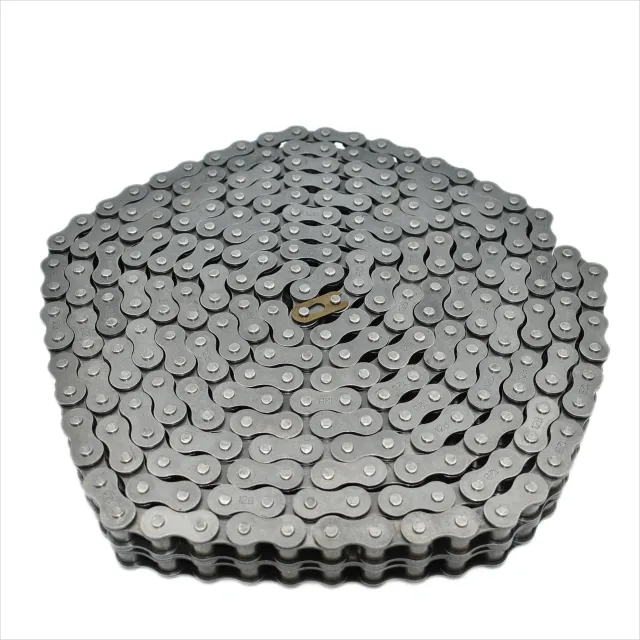
- Catene a rulli: Le catene a rulli sono il tipo di catena di trasmissione più diffuso. Sono composte da piastre interne ed esterne, perni, boccole e rulli. I rulli contribuiscono a ridurre l'attrito e a garantire un movimento fluido.
- Catene silenziose: Le catene silenziose, note anche come catene a denti invertiti o catene dentate, presentano profili dei denti speciali che si innestano con le ruote dentate corrispondenti. Sono progettate per ridurre al minimo rumore e vibrazioni, risultando adatte ad applicazioni che richiedono un funzionamento silenzioso.
- Catene a maglie piatte: Le catene a maglie piatte sono costituite da maglie ad incastro realizzate con piastre di acciaio. Sono note per la loro elevata resistenza alla trazione e alla fatica, caratteristiche che le rendono adatte ad applicazioni gravose e con carichi elevati.
- Catene di distribuzione: Le catene di distribuzione vengono utilizzate nei motori per sincronizzare la rotazione dell'albero a camme e dell'albero motore. Hanno profili dei denti precisi che si innestano con le ruote dentate di distribuzione, garantendo una fasatura accurata e prestazioni efficienti del motore.
- Catene in acciaio ingegnerizzate: Le catene in acciaio ingegnerizzate sono catene altamente specializzate, progettate per settori e applicazioni specifici. Sono spesso utilizzate in ambienti difficili come l'industria mineraria, la silvicoltura e la movimentazione dei materiali.
- Catene in plastica: Le catene in plastica sono realizzate con materiali plastici ad alta resistenza, come acetale o nylon. Offrono vantaggi quali resistenza alla corrosione, leggerezza e bassa rumorosità. Sono comunemente utilizzate nell'industria alimentare, nell'imballaggio e in altri settori con rigorosi requisiti igienici.
Questi sono solo alcuni esempi di tipologie di catene di trasmissione. A seconda dell'applicazione specifica, potrebbero essere disponibili altre catene specializzate per soddisfare le esigenze particolari di diversi settori e macchinari.
In che cosa si differenziano le catene a rulli dagli altri tipi di catene di trasmissione?
Le catene a rulli, note anche come catene a maglie a rulli, sono un tipo di catena di trasmissione comunemente utilizzata che si distingue dalle altre catene per diversi aspetti:
- Progettazione: Le catene a rulli sono composte da piastre interne ed esterne, perni, boccole e rulli. I rulli, liberi di ruotare, contribuiscono a ridurre l'attrito e l'usura, garantendo una trasmissione di potenza più fluida ed efficiente.
- Ampia applicazione: le catene a rulli sono versatili e ampiamente utilizzate in diversi settori, tra cui quello automobilistico, dei macchinari industriali, delle attrezzature agricole e dei sistemi di trasporto.
- Elevata capacità di carico: le catene a rulli sono progettate per resistere a carichi elevati e offrono un'eccellente resistenza alla trazione, risultando adatte ad applicazioni che richiedono prestazioni gravose.
- Efficienza: Le catene a rulli sono note per la loro elevata efficienza nella trasmissione di potenza. Il design a rulli riduce al minimo l'attrito, con conseguente minore perdita di energia e maggiore efficienza complessiva.
- Convenienza economica: le catene a rulli sono relativamente economiche rispetto ad altre catene di trasmissione specializzate, il che le rende una scelta popolare in molte applicazioni.
Sebbene le catene a rulli presentino dei vantaggi, è importante notare che diversi tipi di catene di trasmissione possono essere più adatti ad applicazioni specifiche. Fattori come la capacità di carico, la velocità, il livello di rumorosità e le condizioni ambientali devono essere presi in considerazione nella scelta della catena di trasmissione più appropriata per una particolare applicazione.


Modificato da CX il 10/04/2024