Descrição do produto
Corrente de rolos industrial de precisão com passo curto, em aço inoxidável, para transmissão, motocicletas e outros veículos, nos padrões ISO/ANSI/DIN.
Descrição do produto
1. Material: Aço inoxidável 304 e 316 / Aço carbono liga
2. Tratamento de superfície: Jateamento com esferas / Zincado / Niquelado / Revestido com Dacromet
3. Número da cadeia:
35SS-1, 40SS-1, 50SS-1, 60SS-1, 80SS-1, 100SS-1, 120SS-1, 140SS-1;
35SS-2, 40SS-2, 50SS-2, 60SS-2, 80SS-2, 100SS-2, 120SS-2, 140SS-2;
35SS-3, 40SS-3, 50SS-3, 60SS-3, 80SS-3, 100SS-3, 120SS-3, 140SS-3;
4. Aplicação: As correntes de aço inoxidável são utilizadas em diversos setores, como a fabricação de máquinas, máquinas para a indústria alimentícia, etc. São adequadas tanto para condições de alta quanto de baixa temperatura.
5. Característica:
1. A corrente pode ser usada em ambos os lados da transmissão de múltiplos eixos.
2. Fácil instalação e substituição.
3. Pode-se obter uma taxa de redução maior.
4. A corrente de rolos possui boa elasticidade, alta resistência e cada articulação é lubrificada com óleo, facilitando o armazenamento. Assim, em comparação com a corrente de dentes rígidos, apresenta boa capacidade de amortecimento e absorção de vibrações.
| Nome do produto | Corrente de rolos de aço inoxidável da China |
| Materiais disponíveis | 1. Aço inoxidável: SS304, SS316, etc. |
| 2. Aço-liga: 45Mn, 42CrMo, 20CrMo, etc. | |
| 3. Fabricação sob encomenda (OEM) de acordo com sua solicitação. | |
| Tratamento de superfície | Jateamento com esferas, escurecimento, oxigenação, polimento, zincagem, niquelagem, anodização, etc. |
| Característica | Resistente ao fogo, resistente a óleo, resistente ao calor. |
| Critério de projeto | ISO DIN ANSI e desenho do cliente |
| Tamanho | Desenho do cliente e norma ISO |
| Pacote | Caixa/contêiner de madeira e palete, ou fabricado sob encomenda. |
| Certificado | ISO9001: 2008 |
| Vantagem | Qualidade superior, melhor serviço, preço competitivo, entrega rápida. |
| Prazo de entrega | 20 dias para amostras. 45 dias para pedidos oficiais. |
Fotos detalhadas
Veja mais produtos, clique aqui…
perfil de companhia
| Uso: | Corrente de transmissão |
|---|---|
| Material: | Aço inoxidável |
| Estrutura: | Corrente de rolos |
| 80-1: | 1" |
| Tamanho: | 50ss-1 |
| Outro: | Resistência à corrosão |
| Exemplos: |
US$ 0/Metro
1 metro (pedido mínimo) | |
|---|
| Personalização: |
Disponível
| Solicitação personalizada |
|---|
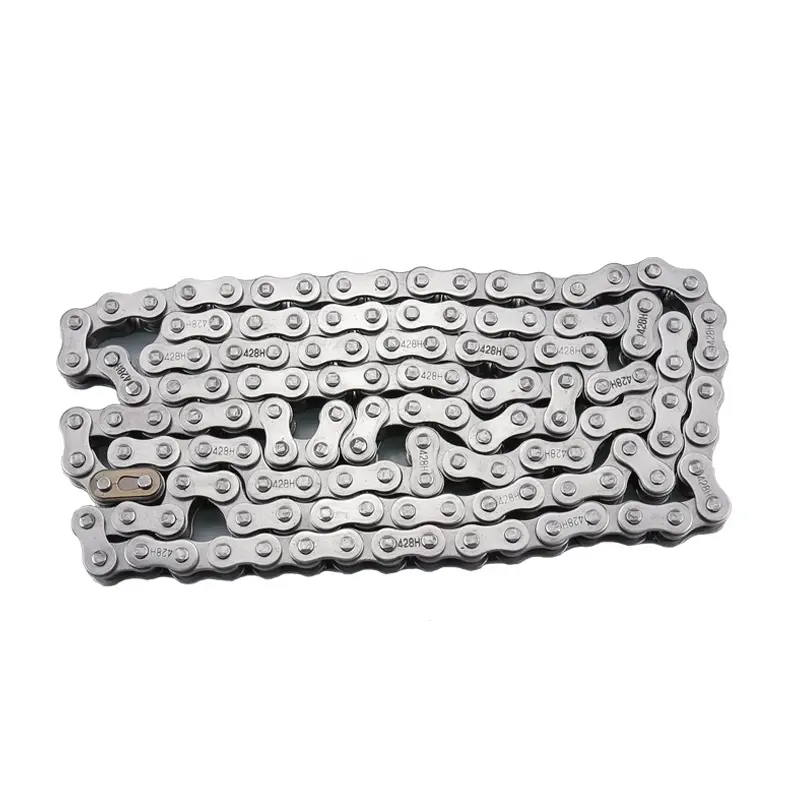
Quais são os benefícios de usar um lubrificante que não necessita de manutenção em uma corrente de transmissão?
Utilizar um lubrificante que não necessite de manutenção em uma corrente de transmissão oferece diversas vantagens. Aqui está uma resposta detalhada para a pergunta:
1. Vida útil prolongada da corrente: Os lubrificantes isentos de manutenção são formulados especificamente para proporcionar lubrificação duradoura, reduzindo o atrito e o desgaste da corrente de transmissão. Isso prolonga a vida útil da corrente e minimiza a necessidade de lubrificação ou reaplicação frequentes.
2. Redução do tempo de inatividade e dos custos de manutenção: Com um lubrificante que dispensa manutenção, não há necessidade de lubrificação regular nem de intervalos de manutenção programados. Isso reduz significativamente o tempo de inatividade para tarefas de lubrificação e manutenção, resultando em economia de custos e aumento da produtividade.
3. Desempenho e Eficiência Aprimorados: O uso de um lubrificante que dispensa manutenção garante lubrificação consistente e ideal durante toda a operação da corrente. Isso resulta em melhor desempenho, operação mais suave e redução das perdas de potência por atrito. Também ajuda a manter a eficiência da corrente ao longo do tempo.
4. Ecológico: Os lubrificantes que não requerem manutenção geralmente têm baixo impacto ambiental. Eles são projetados para minimizar vazamentos, reduzir o desperdício e oferecer maior resistência ao acúmulo de sujeira e detritos. Isso promove um ambiente de trabalho mais limpo e seguro.
5. Rotina de manutenção simplificada: Ao utilizar um lubrificante que dispensa manutenção, a necessidade de lubrificação e procedimentos de manutenção regulares é eliminada ou significativamente reduzida. Isso simplifica a rotina de manutenção, economiza tempo e permite que os operadores se concentrem em outras tarefas críticas.
6. Lubrificação consistente em ambientes desafiadores: Os lubrificantes isentos de manutenção são projetados para suportar condições operacionais severas, como altas temperaturas, pressões extremas ou exposição a contaminantes. Eles proporcionam lubrificação confiável mesmo em ambientes desafiadores, garantindo o desempenho adequado e a longevidade da corrente.
Ao considerar o uso de um lubrificante isento de manutenção, é importante consultar o fabricante ou fornecedor do lubrificante para garantir a compatibilidade com a corrente de transmissão e seus requisitos específicos de aplicação. Seguir as diretrizes recomendadas para aplicação e reaplicação, bem como realizar inspeções regulares, ajudará a otimizar os benefícios do uso de um lubrificante isento de manutenção na corrente de transmissão.
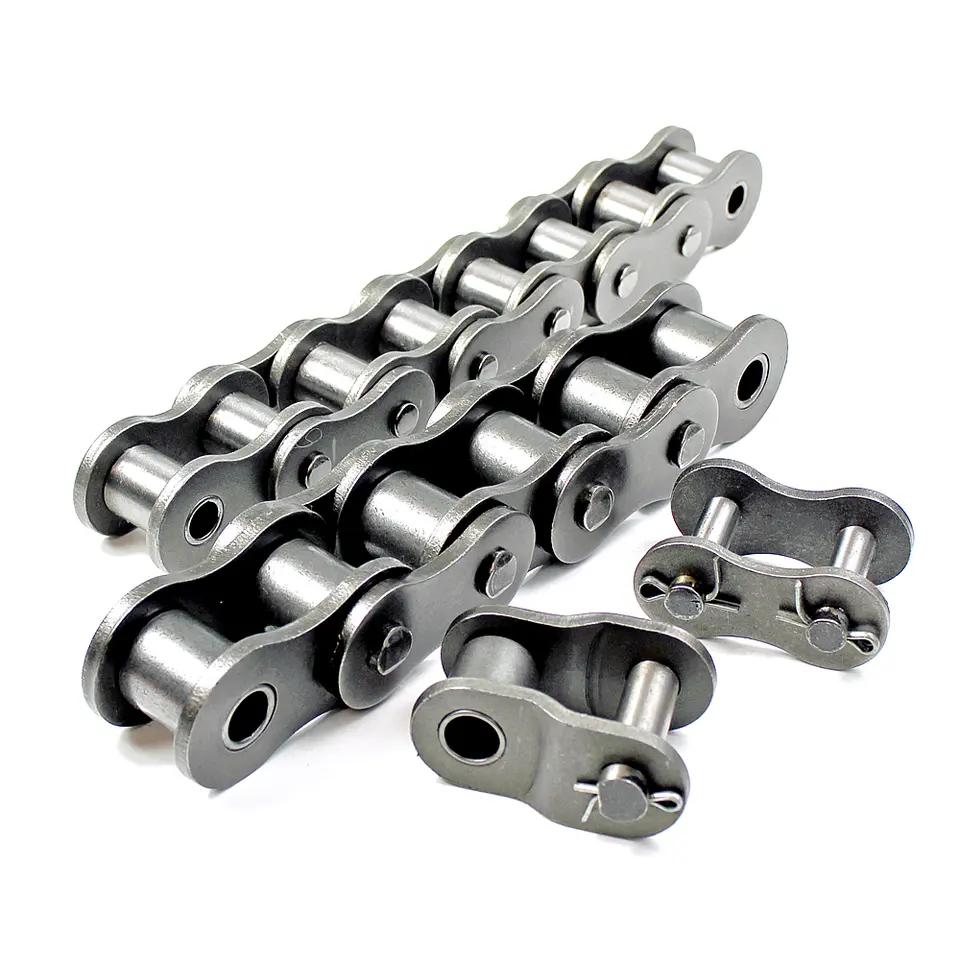
Correntes de transmissão podem ser usadas em sistemas de transporte por esteira?
Sim, correntes de transmissão podem ser usadas em sistemas de esteiras transportadoras. Aqui está uma resposta detalhada para a pergunta:
Os sistemas de esteiras transportadoras são amplamente utilizados em diversos setores industriais para o manuseio e transporte eficiente de materiais. As correntes de transmissão são um dos componentes essenciais para acionar e suportar o movimento das correias ou roletes transportadores.
As correntes de transmissão oferecem diversas vantagens em sistemas de transporte:
1. Transmissão de Potência: As correntes de transmissão são projetadas para transmitir potência de forma eficaz, permitindo que acionem o movimento da correia transportadora ou dos roletes. Elas suportam cargas elevadas e proporcionam uma transferência de potência confiável, garantindo o funcionamento suave e consistente do sistema de transporte.
2. Versatilidade: As correntes de transmissão estão disponíveis em vários tamanhos, tipos e configurações, tornando-as adequadas para uma ampla gama de aplicações em transportadores. Elas podem ser personalizadas para se adaptarem a diferentes projetos e requisitos de sistemas de transporte, incluindo transportadores retos, curvos, inclinados e muito mais.
3. Durabilidade: As correntes de transmissão são construídas para suportar as condições rigorosas de operação em sistemas de transporte. São fabricadas com materiais de alta qualidade, como o aço, que oferece excelente resistência e durabilidade. Isso garante que as correntes suportem cargas pesadas, partidas e paradas frequentes e ambientes abrasivos comuns em aplicações de transporte.
4. Flexibilidade: As correntes de transmissão permitem flexibilidade no layout e na configuração do sistema de transporte. Elas podem acomodar diferentes comprimentos, larguras e ângulos de esteira, permitindo que o sistema se adapte às restrições de espaço e às necessidades específicas de movimentação de materiais. Além disso, podem ser facilmente modificadas ou ampliadas conforme os requisitos do sistema de transporte evoluem.
5. Baixa Manutenção: As correntes de transmissão requerem manutenção regular para garantir desempenho ideal e longa vida útil. No entanto, em comparação com outros tipos de sistemas de transmissão de potência, como correias ou engrenagens, as correntes de transmissão geralmente têm menores requisitos de manutenção. Lubrificação adequada, tensionamento correto e inspeções periódicas são essenciais para minimizar o desgaste e garantir a operação confiável do sistema de transporte.
De modo geral, as correntes de transmissão são uma solução confiável e eficiente para alimentar sistemas de transporte. Elas oferecem transmissão de potência robusta, versatilidade no projeto do sistema, durabilidade em ambientes exigentes, flexibilidade no layout e requisitos de manutenção relativamente baixos. Quando selecionadas e mantidas adequadamente, as correntes de transmissão podem contribuir para a operação suave e eficiente de sistemas de transporte em diversos setores industriais.
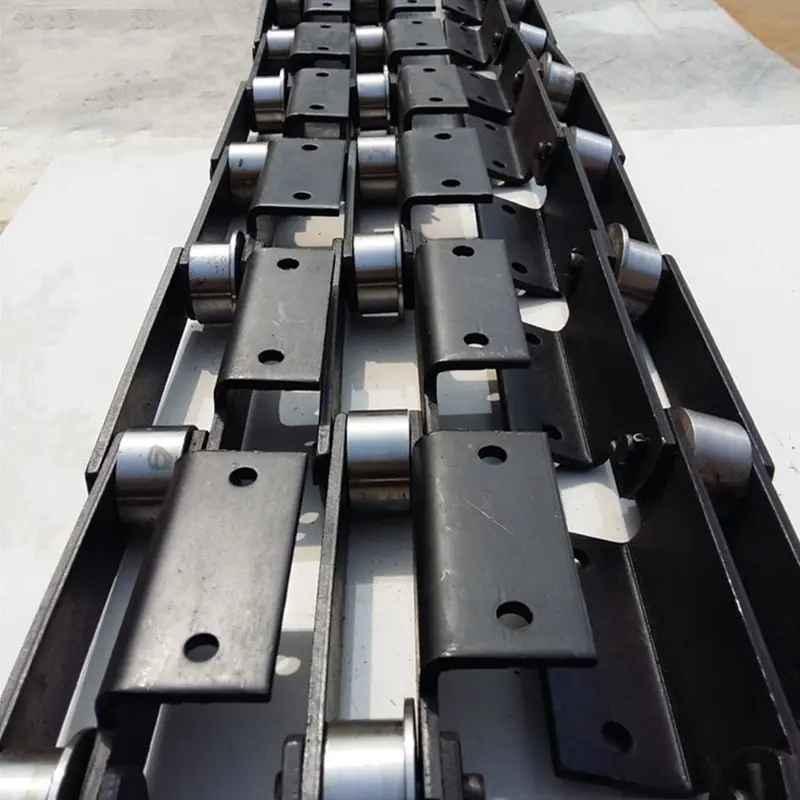
Existem requisitos específicos de lubrificação para correntes de transmissão?
Sim, as correntes de transmissão geralmente requerem lubrificação adequada para garantir um funcionamento suave, reduzir o desgaste e prolongar sua vida útil. Aqui estão alguns pontos importantes sobre os requisitos de lubrificação para correntes de transmissão:
- Lubrificação adequada e limpa: É importante manter a corrente adequadamente lubrificada para minimizar o atrito e o desgaste entre os componentes. A lubrificação ajuda a reduzir a geração de calor e evita o contato metal com metal, o que pode levar ao desgaste prematuro e à falha da corrente.
- Seleção adequada do lubrificante: Escolher o lubrificante certo é crucial para o desempenho ideal da corrente. Os fatores a serem considerados na seleção de um lubrificante incluem a temperatura de aplicação, as condições de carga, a velocidade e os fatores ambientais. Os lubrificantes devem ter boas propriedades de adesão, resistir à oxidação e proporcionar resistência suficiente da película para proteger as superfícies da corrente.
- Intervalo de lubrificação adequado: A lubrificação regular em intervalos apropriados é necessária para manter o desempenho da corrente e reduzir o risco de desgaste excessivo. A frequência de lubrificação depende das condições de operação e do lubrificante específico utilizado. Os fabricantes geralmente fornecem recomendações para intervalos de lubrificação com base no tipo de corrente e na aplicação.
- Aplicação eficaz de lubrificante: A aplicação correta do lubrificante é essencial para garantir cobertura uniforme e penetração nos componentes da corrente. O lubrificante deve ser aplicado nas placas dos elos internos, nas superfícies dos roletes e nas interfaces pino-bucha. O excesso de lubrificante deve ser removido para evitar acúmulo e contaminação.
- Considerações ambientais: Em certos ambientes, como condições empoeiradas ou sujas, a corrente pode exigir lubrificação mais frequente para evitar a entrada de contaminantes e manter a película lubrificante adequada. Além disso, em aplicações de alta temperatura ou alta velocidade, lubrificantes especiais para altas temperaturas ou altas velocidades podem ser necessários.
- Inspeção e manutenção regulares: Além da lubrificação adequada, a inspeção e a manutenção regulares da corrente de transmissão são essenciais. Isso inclui verificar sinais de desgaste, degradação do lubrificante e tensão adequada. Quaisquer componentes danificados ou desgastados devem ser substituídos imediatamente para evitar falhas na corrente.
Seguir as recomendações do fabricante e respeitar os requisitos específicos de lubrificação da corrente de transmissão ajudará a garantir o desempenho ideal, reduzir o desgaste e prolongar a vida útil da corrente.


Editor por CX 2023-10-21