Descripción del Producto
Descripción del Producto
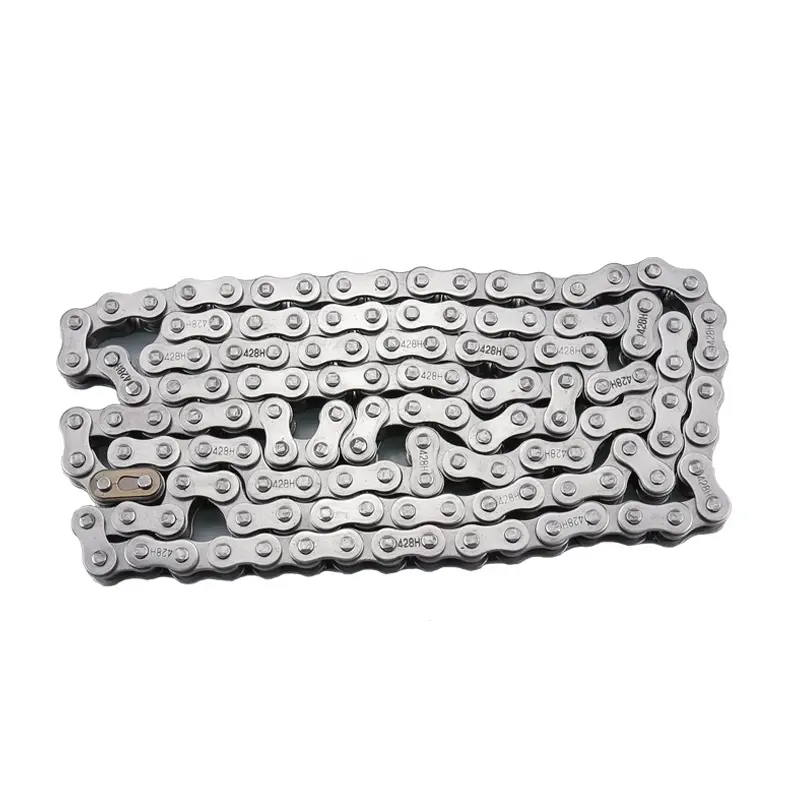
| Nombre del artículo | Cadena de rodillos para motocicleta REECO |
| Modelo | 415H |
| Solicitante | HONDA,YAMAHA,SUZUKI,BAJAJ,TVS… |
| Pago | Transferencia bancaria, carta de crédito, pago contra entrega |
| Paquete | CAJA REECO |
| El tiempo de entrega | 40 días |
| Garantía | 6 meses |
| Puerto de embarque | ZheJiang/HangZhou/HangZhou |
Fotos detalladas
Certificaciones
Perfil de la empresa
Fundada en 1992, HangZhou Really Trading Co., Ltd. es uno de los principales exportadores de repuestos para motocicletas, triciclos, automóviles y generadores en China. Con 25 años de experiencia y conocimiento profesional, garantizamos calidad, el precio más competitivo y entregas puntuales. Hasta la fecha, hemos exportado a numerosos países, entre ellos Pakistán, Irán, Bangladesh, Indonesia, Filipinas, Oriente Medio y Sudamérica. En 2017, nuestra facturación anual superó los 40 millones de dólares estadounidenses.
En 2011, establecimos HangZhou Really Vehicle Parts MFG CO.,Ltd, una fábrica con certificación ISO/TS16949 y una superficie de 30.000 metros cuadrados.
Really Brakes se especializa en la fabricación de pastillas de freno de calidad original (OE) y de posventa para motocicletas, vehículos todo terreno, automóviles y camiones, utilizando tecnología y sistemas de control de calidad alemanes. Actualmente, Really Brakes se ha consolidado como uno de los principales proveedores de pastillas de freno de disco de alta calidad, tanto originales (OE) como fabricadas en China, tanto a nivel nacional como internacional.
“La búsqueda de la excelencia en lo mejor” se ha convertido en el lema de nuestra empresa. Estudiaremos continuamente el mercado y seguiremos mejorando nuestros productos y servicios para satisfacer la creciente demanda del mismo.
Hoy en día, nuestros repuestos originales "Reeco" son cada vez más populares entre nuestros clientes de todo el mundo. Damos una calurosa bienvenida a clientes antiguos y nuevos a que nos visiten para fomentar la amistad mutua y construir una relación comercial a largo plazo.
DEPARTAMENTO DE CONTROL DE CALIDAD
OFICINA Y NUESTRO EQUIPO
/* 22 de enero de 2571 19:08:37 */!function(){function s(e,r){var a,o={};try{e&&e.split(“”,).forEach(function(e,t){e&&(a=e.match(/(.*?):(.*)$/))&&1
| Tipo: | Transmisiones de motocicletas |
|---|---|
| Proceso de dar un título: | CCC, CE |
| Material: | Aleación |
| Fabricante de equipos originales: | Sí |
| Paquete de transporte: | Caja de color Reeco / Caja neutra |
| Especificación: | 415H |
| Muestras: |
US$ 5/pieza
1 unidad (pedido mínimo) | |
|---|
| Personalización: |
Disponible
| Solicitud personalizada |
|---|

¿Se pueden utilizar cadenas de transmisión en salas blancas o en entornos de procesamiento de alimentos?
Sí, las cadenas de transmisión se pueden usar en salas blancas o entornos de procesamiento de alimentos, pero se deben tener en cuenta ciertas consideraciones para garantizar el cumplimiento de las normas de higiene y limpieza. Aquí hay una respuesta detallada a la pregunta:
En entornos de salas blancas o de procesamiento de alimentos, mantener una higiene estricta y prevenir la contaminación es fundamental. Las cadenas de transmisión utilizadas en estos entornos deben cumplir requisitos específicos para garantizar operaciones seguras e higiénicas. A continuación, se presentan algunas consideraciones clave:
1. Selección de materiales: Las cadenas de transmisión utilizadas en salas blancas o entornos de procesamiento de alimentos deben estar fabricadas con materiales resistentes a la corrosión, los productos químicos y los residuos de alimentos. Las cadenas de acero inoxidable son las más utilizadas debido a su excelente resistencia a la corrosión y sus propiedades higiénicas.
2. Diseño: El diseño de la cadena de transmisión debe minimizar las grietas, los espacios muertos y otras áreas donde se puedan acumular contaminantes. Se prefieren las superficies lisas y los bordes redondeados para facilitar la limpieza y evitar la acumulación de residuos.
3. Lubricación: En entornos de salas blancas o de procesamiento de alimentos, es fundamental utilizar lubricantes aptos para uso alimentario o cadenas autolubricantes que no contaminen los productos ni el entorno. Estos lubricantes deben ser adecuados para el contacto incidental con alimentos y cumplir con las normas de seguridad alimentaria pertinentes.
4. Limpieza y mantenimiento: Se deben establecer procedimientos regulares de limpieza y mantenimiento para mantener las cadenas de transmisión limpias y libres de contaminantes. Esto puede implicar el uso de agentes de limpieza aprobados y el cumplimiento de protocolos de limpieza adecuados para garantizar la eliminación eficaz de cualquier residuo o contaminante.
5. Cumplimiento de la normativa: Las salas blancas y los entornos de procesamiento de alimentos están sujetos a normativas y estándares específicos, como las regulaciones de la FDA, los principios HACCP o las directrices de las Buenas Prácticas de Fabricación (BPF). Es fundamental garantizar que las cadenas de transmisión utilizadas cumplan con estas normativas y cuenten con las certificaciones o aprobaciones necesarias.
Al seleccionar cadenas de transmisión diseñadas específicamente para salas blancas o aplicaciones de procesamiento de alimentos y seguir los procedimientos adecuados de limpieza y mantenimiento, es posible utilizarlas en estos entornos sin comprometer la higiene ni la seguridad. Colaborar estrechamente con proveedores o fabricantes con experiencia en soluciones para salas blancas o aplicaciones de procesamiento de alimentos puede garantizar la selección correcta de la cadena y el cumplimiento de las normas requeridas.
¿Cómo afecta la alineación de los piñones a la vida útil de una cadena de transmisión?
La alineación de los piñones juega un papel crucial en la vida útil y el rendimiento de una cadena de transmisión. Aquí hay una respuesta detallada a la pregunta:
1. Distribución adecuada de la carga: Cuando las ruedas dentadas están correctamente alineadas, la cadena de transmisión distribuye la carga de manera uniforme a lo largo de su longitud. Esto garantiza que la cadena experimente una tensión uniforme y minimiza la concentración de fuerzas en eslabones específicos. Una alineación incorrecta puede provocar una distribución desigual de la carga, lo que conlleva un desgaste y fatiga acelerados de la cadena.
2. Menor fricción y desgaste: Una alineación adecuada ayuda a mantener el acoplamiento correcto entre la cadena y los piñones. Cuando la cadena se acopla suavemente con los piñones, la fricción y el desgaste se minimizan. Por otro lado, una alineación incorrecta de los piñones puede provocar que la cadena roce contra los dientes o los laterales de los mismos, lo que aumenta la fricción, el desgaste y puede causar la rotura de la cadena.
3. Tensión de la cadena: La alineación de los piñones también afecta la tensión de la cadena de transmisión. Una alineación correcta garantiza que la cadena mantenga la tensión adecuada durante todo su funcionamiento. Una tensión excesiva debido a una desalineación puede aumentar el estrés en la cadena, lo que provoca un desgaste acelerado, fatiga y posible rotura. Una tensión insuficiente puede causar que la cadena salte o se salga de los piñones.
4. Funcionamiento suave y eficiente: Cuando los piñones están correctamente alineados, la cadena de transmisión funciona de forma suave y eficiente. Esto permite una transferencia de potencia fluida, reduce las vibraciones y el ruido, y mejora el rendimiento general del sistema. Los piñones desalineados pueden provocar que la cadena se atasque, salte o genere ruido excesivo, lo que disminuye la eficiencia y puede dañar la cadena y los piñones.
5. Mayor vida útil de la cadena: Una correcta alineación de los piñones contribuye a prolongar la vida útil de la cadena de transmisión. Al garantizar que la cadena funcione dentro de sus parámetros de diseño y sufra un mínimo desgaste, se reduce el riesgo de fallos prematuros. Esto se traduce en una mayor vida útil de la cadena, menores necesidades de mantenimiento y menores costes operativos generales.
Es importante inspeccionar y mantener regularmente la alineación de los piñones en un sistema de cadena de transmisión. Una instalación adecuada, comprobaciones periódicas de alineación y ajustes cuando sea necesario son esenciales para maximizar la vida útil y el rendimiento de la cadena de transmisión.
¿Qué materiales se utilizan habitualmente en la fabricación de cadenas de transmisión?
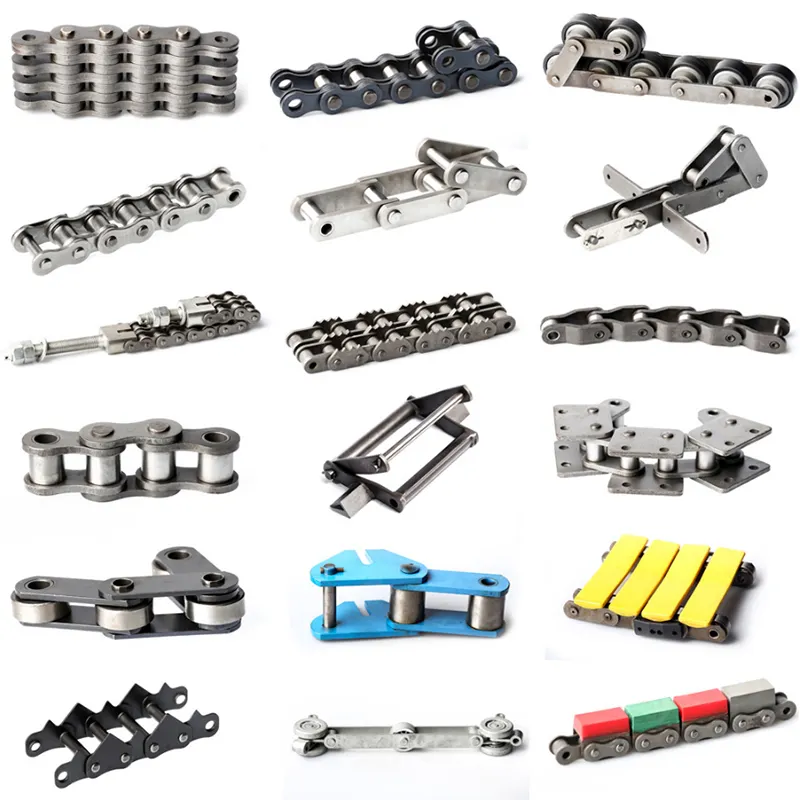
Las cadenas de transmisión se fabrican con diversos materiales, cada uno con propiedades y ventajas diferentes. La elección del material depende de los requisitos específicos de la aplicación, como la capacidad de carga, la resistencia al desgaste y las condiciones ambientales. A continuación, se presentan algunos materiales comúnmente utilizados en la fabricación de cadenas de transmisión:
- Acero al carbono: El acero al carbono es una opción popular para las cadenas de transmisión debido a su excelente resistencia, durabilidad y precio accesible. Ofrece buena resistencia al desgaste y puede soportar cargas moderadas.
- Acero inoxidable: Las cadenas de acero inoxidable son altamente resistentes a la corrosión y ofrecen una durabilidad superior en entornos exigentes. Se utilizan habitualmente en industrias donde la limpieza y la higiene son fundamentales, como la alimentaria y la farmacéutica.
- Acero aleado: Las cadenas de acero aleado se alean con diversos elementos para mejorar sus propiedades mecánicas. Ofrecen mayor resistencia, mayor resistencia al desgaste y mejor resistencia a la fatiga en comparación con las cadenas de acero al carbono.
- Plástico: Las cadenas de plástico son ligeras, resistentes a la corrosión y ofrecen una excelente resistencia química. Se utilizan con frecuencia en aplicaciones donde se requiere reducción de ruido, baja fricción o propiedades no magnéticas.
- Compuestos no metálicos: Las cadenas de compuestos no metálicos están hechas de materiales como fibra de vidrio, fibra de carbono o Kevlar. Estas cadenas ofrecen una alta relación resistencia-peso, una excepcional resistencia química y bajas características de fricción.
Es importante seleccionar el material adecuado para la cadena en función de las condiciones de funcionamiento y los requisitos específicos de la aplicación. Al elegir el material para una cadena de transmisión, se deben tener en cuenta factores como la capacidad de carga, la velocidad, las condiciones ambientales y las consideraciones de mantenimiento.


Editor por CX 22/04/2024