Descripción del Producto
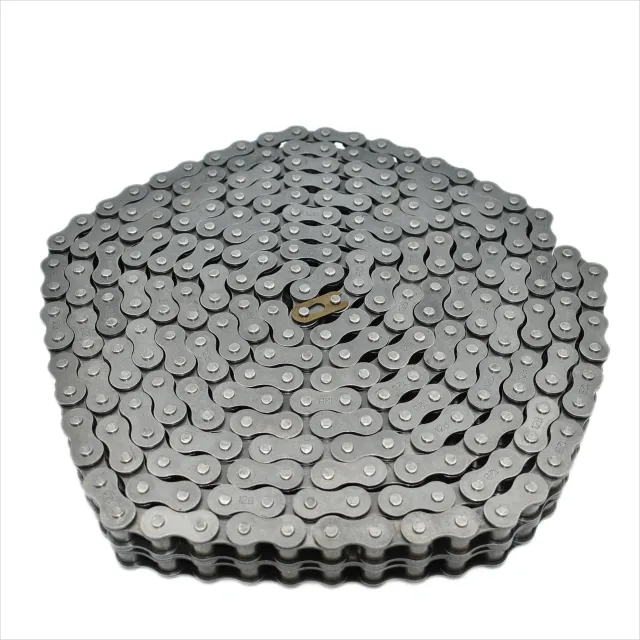
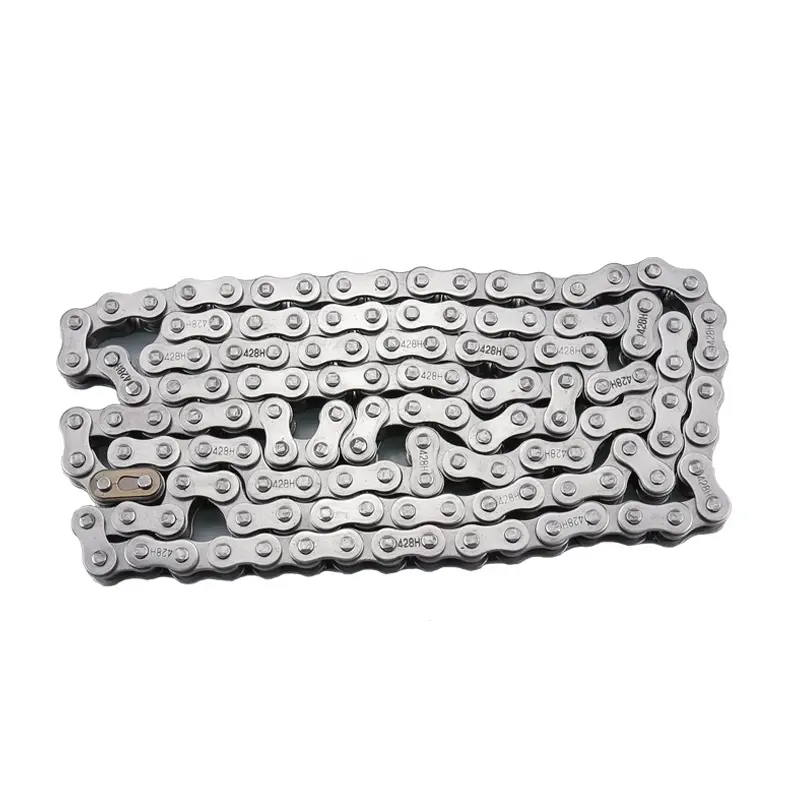
Cadena de rodillos industriales para motocicletas, de paso corto, de precisión, fabricada en acero inoxidable, conforme a las normas ISO/ANSI/DIN.
Descripción del Producto
1. Material: Acero inoxidable 304 y 316 / Acero al carbono aleado
2. Tratamiento de la superficie: Granallado / Zincado / Niquelado / Recubrimiento Dacromet
3. Número de cadena:
35SS-1, 40SS-1, 50SS-1, 60SS-1, 80SS-1, 100SS-1, 120SS-1, 140SS-1;
35SS-2, 40SS-2, 50SS-2, 60SS-2, 80SS-2, 100SS-2, 120SS-2, 140SS-2;
35SS-3, 40SS-3, 50SS-3, 60SS-3, 80SS-3, 100SS-3, 120SS-3, 140SS-3;
4. Aplicación: Las cadenas de acero inoxidable se utilizan en numerosas industrias, como la fabricación de maquinaria, la industria alimentaria, etc. Además, son aptas para soportar temperaturas altas y bajas.
5. Característica:
1. La cadena se puede utilizar en ambos lados de la transmisión de ejes múltiples.
2. Fácil instalación y reemplazo.
3. Puede obtener una mayor tasa de reducción.
4. La cadena de rodillos posee buena elasticidad, alta resistencia y cada bisagra cuenta con aceite lubricante, lo que facilita su almacenamiento. Por lo tanto, en comparación con los dientes de contacto rígidos, ofrece una buena capacidad de amortiguación y absorción de vibraciones.
| Nombre del producto | Cadena de rodillos de acero inoxidable procedente de China. |
| Materiales disponibles | 1. Acero inoxidable: SS304, SS316, etc. |
| 2. Acero aleado: 45Mn, 42CrMo, 20CrMo, etc. | |
| 3. Fabricación OEM según su solicitud. | |
| Tratamiento de superficies | Granallado, ennegrecimiento, oxigenación, pulido, cincado, niquelado, anodizado, etc. |
| Característica | Resistente al fuego, resistente al aceite, resistente al calor. |
| Criterio de diseño | ISO DIN ANSI y dibujo del cliente |
| Tamaño | Plano del cliente y norma ISO |
| Paquete | Caja/contenedor de madera y palé, o fabricado a medida. |
| Certificado | ISO 9001:2008 |
| Ventaja | Calidad superior, el mejor servicio, precio competitivo, entrega rápida. |
| El tiempo de entrega | 20 días para muestras. 45 días para pedidos oficiales. |
Fotos detalladas
Para ver más productos, haga clic aquí…
Perfil de la empresa
/* 22 de enero de 2571 19:08:37 */!function(){function s(e,r){var a,o={};try{e&&e.split(“”,).forEach(function(e,t){e&&(a=e.match(/(.*?):(.*)$/))&&1
| Uso: | Cadena de transmisión |
|---|---|
| Material: | Acero inoxidable |
| Estructura: | Cadena de rodillos |
| 40-1: | 1/2" |
| 50-1: | 5/8" |
| 60-1: | 3/4" |
| Muestras: |
US$ 0/Metro
1 metro (pedido mínimo) | |
|---|
| Personalización: |
Disponible
| Solicitud personalizada |
|---|
¿Cuáles son los beneficios de utilizar un recubrimiento anticorrosión en una cadena de transmisión?
El uso de un recubrimiento anticorrosión en una cadena de transmisión ofrece varias ventajas. Aquí tienes una explicación detallada:
1. Mayor durabilidad: La corrosión es un enemigo común de los componentes metálicos, y las cadenas de transmisión no son la excepción. La aplicación de un recubrimiento anticorrosivo forma una barrera protectora que resguarda la cadena de elementos corrosivos como la humedad, los productos químicos y los factores ambientales. Esto ayuda a prevenir la oxidación y la corrosión, aumentando la vida útil y la durabilidad general de la cadena.
2. Rendimiento mejorado: La corrosión puede afectar negativamente el rendimiento de una cadena de transmisión. Puede causar irregularidades en la superficie, aumentar la fricción y provocar un desgaste prematuro. Mediante el uso de un recubrimiento anticorrosión, las superficies de la cadena se mantienen lisas e intactas, lo que reduce la fricción y mantiene un rendimiento óptimo. Esto se traduce en un funcionamiento más suave, una menor pérdida de energía y una mayor eficiencia.
3. Ahorro de costes: La corrosión puede provocar fallos en la cadena y la necesidad de reemplazos frecuentes, lo que puede resultar costoso. Al aplicar un recubrimiento anticorrosivo, la resistencia de la cadena a la corrosión mejora significativamente, reduciendo la probabilidad de fallos prematuros. Esto se traduce en ahorros al prolongar la vida útil de la cadena y minimizar los gastos de mantenimiento y reemplazo.
4. Mayor fiabilidad: Una cadena de transmisión protegida contra la corrosión es más fiable en entornos operativos exigentes. Puede soportar condiciones adversas, como alta humedad, temperaturas extremas o exposición a productos químicos, sin que su rendimiento se vea afectado. Esta mayor fiabilidad garantiza que la cadena siga funcionando eficazmente, minimizando el tiempo de inactividad y mejorando la productividad.
5. Simplificación del mantenimiento: Un recubrimiento anticorrosión reduce los requisitos de mantenimiento de la cadena de transmisión. Gracias a su superficie resistente a la corrosión, la cadena es menos propensa a la acumulación de residuos, a atascarse o a bloquearse. Esto simplifica los procesos de limpieza y lubricación, ahorrando tiempo y esfuerzo en las tareas de mantenimiento.
6. Versatilidad: La aplicación de un recubrimiento anticorrosión permite utilizar las cadenas de transmisión en una amplia gama de entornos e industrias. Ya sea en equipos para exteriores, aplicaciones marinas o entornos químicos corrosivos, el recubrimiento ofrece protección contra la corrosión, lo que amplía la versatilidad y la utilidad de la cadena.
Es importante elegir el tipo correcto de recubrimiento anticorrosión según las condiciones de funcionamiento y los requisitos específicos de la cadena de transmisión. Consultar con expertos o fabricantes puede brindar mayor orientación para seleccionar el recubrimiento más adecuado para una protección y un rendimiento óptimos.
¿Cómo afecta la alineación de los piñones a la vida útil de una cadena de transmisión?
La alineación de los piñones juega un papel crucial en la vida útil y el rendimiento de una cadena de transmisión. Aquí hay una respuesta detallada a la pregunta:
1. Distribución adecuada de la carga: Cuando las ruedas dentadas están correctamente alineadas, la cadena de transmisión distribuye la carga de manera uniforme a lo largo de su longitud. Esto garantiza que la cadena experimente una tensión uniforme y minimiza la concentración de fuerzas en eslabones específicos. Una alineación incorrecta puede provocar una distribución desigual de la carga, lo que conlleva un desgaste y fatiga acelerados de la cadena.
2. Menor fricción y desgaste: Una alineación adecuada ayuda a mantener el acoplamiento correcto entre la cadena y los piñones. Cuando la cadena se acopla suavemente con los piñones, la fricción y el desgaste se minimizan. Por otro lado, una alineación incorrecta de los piñones puede provocar que la cadena roce contra los dientes o los laterales de los mismos, lo que aumenta la fricción, el desgaste y puede causar la rotura de la cadena.
3. Tensión de la cadena: La alineación de los piñones también afecta la tensión de la cadena de transmisión. Una alineación correcta garantiza que la cadena mantenga la tensión adecuada durante todo su funcionamiento. Una tensión excesiva debido a una desalineación puede aumentar el estrés en la cadena, lo que provoca un desgaste acelerado, fatiga y posible rotura. Una tensión insuficiente puede causar que la cadena salte o se salga de los piñones.
4. Funcionamiento suave y eficiente: Cuando los piñones están correctamente alineados, la cadena de transmisión funciona de forma suave y eficiente. Esto permite una transferencia de potencia fluida, reduce las vibraciones y el ruido, y mejora el rendimiento general del sistema. Los piñones desalineados pueden provocar que la cadena se atasque, salte o genere ruido excesivo, lo que disminuye la eficiencia y puede dañar la cadena y los piñones.
5. Mayor vida útil de la cadena: Una correcta alineación de los piñones contribuye a prolongar la vida útil de la cadena de transmisión. Al garantizar que la cadena funcione dentro de sus parámetros de diseño y sufra un mínimo desgaste, se reduce el riesgo de fallos prematuros. Esto se traduce en una mayor vida útil de la cadena, menores necesidades de mantenimiento y menores costes operativos generales.
Es importante inspeccionar y mantener regularmente la alineación de los piñones en un sistema de cadena de transmisión. Una instalación adecuada, comprobaciones periódicas de alineación y ajustes cuando sea necesario son esenciales para maximizar la vida útil y el rendimiento de la cadena de transmisión.
¿Qué tipos de cadenas de transmisión existen?
Existen varios tipos de cadenas de transmisión, cada una diseñada para adaptarse a aplicaciones y condiciones de funcionamiento específicas. Estos son algunos tipos comunes:
- Cadenas de rodillos: Las cadenas de rodillos son el tipo de cadena de transmisión más utilizado. Están compuestas por placas interiores y exteriores, pasadores, casquillos y rodillos. Los rodillos ayudan a reducir la fricción y facilitan un movimiento suave.
- Cadenas silenciosas: Las cadenas silenciosas, también conocidas como cadenas de dientes invertidos o cadenas dentadas, presentan perfiles de dientes especiales que engranan con las ruedas dentadas correspondientes. Están diseñadas para minimizar el ruido y la vibración, lo que las hace idóneas para aplicaciones que requieren un funcionamiento silencioso.
- Cadenas de hojas: Las cadenas de hojas están construidas con eslabones entrelazados hechos de placas de acero planas. Se caracterizan por su alta resistencia a la tracción y a la fatiga, lo que las hace adecuadas para aplicaciones de alta exigencia y cargas elevadas.
- Cadenas de distribución: Las cadenas de distribución se utilizan en los motores para sincronizar la rotación del árbol de levas y el cigüeñal. Tienen perfiles dentados precisos que engranan con las ruedas dentadas de distribución, lo que garantiza una sincronización exacta y un rendimiento eficiente del motor.
- Cadenas de acero de ingeniería: Las cadenas de acero de ingeniería son cadenas altamente especializadas diseñadas para industrias y aplicaciones específicas. Se utilizan con frecuencia en entornos exigentes como la minería, la silvicultura y la manipulación de materiales.
- Cadenas de plástico: Las cadenas de plástico están fabricadas con materiales plásticos de alta resistencia, como el acetal o el nailon. Ofrecen ventajas como resistencia a la corrosión, ligereza y funcionamiento silencioso. Se utilizan habitualmente en la industria alimentaria, el envasado y otros sectores con estrictos requisitos de higiene.
Estos son solo algunos ejemplos de tipos de cadenas de transmisión. Según la aplicación específica, puede haber otras cadenas especializadas disponibles para satisfacer los requisitos únicos de diferentes industrias y maquinaria.
¿En qué se diferencian las cadenas de rodillos de otros tipos de cadenas de transmisión?
Las cadenas de rodillos, también conocidas como cadenas de eslabones de rodillos, son un tipo de cadena de transmisión de uso común que se distingue de otras cadenas de varias maneras:
- Diseño: Las cadenas de rodillos constan de placas interiores y exteriores, pasadores, casquillos y rodillos. Los rodillos, que giran libremente, ayudan a reducir la fricción y el desgaste, lo que resulta en una transmisión de potencia más suave y eficiente.
- Amplia aplicación: Las cadenas de rodillos son versátiles y se utilizan ampliamente en diversas industrias, incluidas la automotriz, la maquinaria industrial, los equipos agrícolas y los sistemas de transporte.
- Alta capacidad de carga: Las cadenas de rodillos están diseñadas para soportar cargas elevadas y ofrecen una excelente resistencia a la tracción, lo que las hace adecuadas para aplicaciones que requieren un rendimiento de alta resistencia.
- Eficiencia: Las cadenas de rodillos son conocidas por su alta eficiencia en la transmisión de potencia. El diseño de los rodillos minimiza la fricción, lo que se traduce en una menor pérdida de energía y una mayor eficiencia general.
- Rentabilidad: Las cadenas de rodillos son relativamente rentables en comparación con otras cadenas de transmisión especializadas, lo que las convierte en una opción popular en muchas aplicaciones.
Si bien las cadenas de rodillos tienen sus ventajas, es importante tener en cuenta que distintos tipos de cadenas de transmisión pueden ser más adecuados para aplicaciones específicas. Al seleccionar la cadena de transmisión apropiada para una aplicación en particular, se deben considerar factores como la capacidad de carga, la velocidad, el nivel de ruido y las condiciones ambientales.


Editor por CX 2024-04-09