Descrizione del prodotto
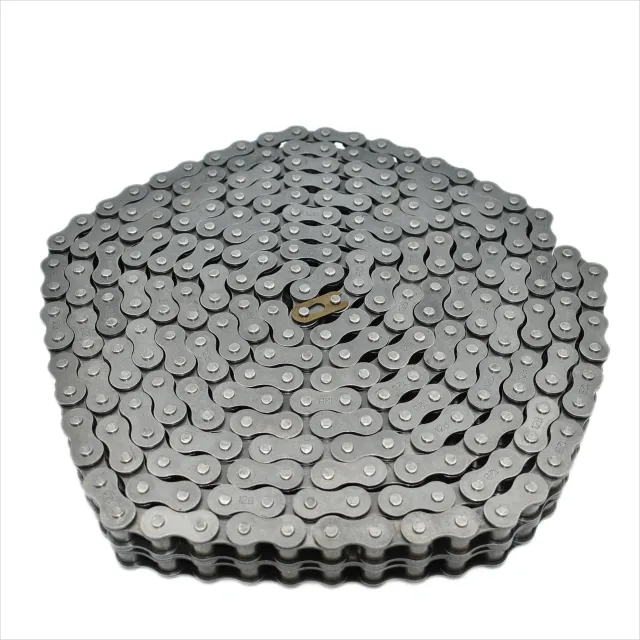
Catena a rulli industriale/motociclistica a passo corto di precisione in acciaio inossidabile, conforme agli standard ISO/ANSI/DIN.
Descrizione del prodotto
1. Materiale: Acciaio inossidabile 304 e 316 / Lega di acciaio al carbonio
2. Trattamento superficiale: Pallinatura / Zincatura / Nichelatura / Dacromet
3. Numero di catena:
35SS-1, 40SS-1, 50SS-1, 60SS-1, 80SS-1, 100SS-1, 120SS-1, 140SS-1;
35SS-2, 40SS-2, 50SS-2, 60SS-2, 80SS-2, 100SS-2, 120SS-2, 140SS-2;
35SS-3, 40SS-3, 50SS-3, 60SS-3, 80SS-3, 100SS-3, 120SS-3, 140SS-3;
4. Applicazione: Le catene in acciaio inossidabile trovano impiego in moltissimi settori, come la produzione di macchinari, l'industria alimentare, ecc. Sono inoltre adatte a condizioni di temperatura sia elevate che basse.
5. Caratteristica:
1. La catena può essere utilizzata su entrambi i lati della trasmissione multiassiale.
2. Installazione e sostituzione semplici.
3. Può ottenere un rapporto di riduzione maggiore.
4. La catena a rulli ha una buona elasticità, un'elevata resistenza e ogni parte della cerniera è dotata di olio lubrificante, quindi può essere riposta facilmente. Pertanto, rispetto al dente di contatto rigido, offre una buona capacità di ammortizzazione e assorbimento delle vibrazioni.
| Nome del prodotto | Catena a rulli in acciaio inossidabile proveniente dalla Cina |
| Materiali disponibili | 1. Acciaio inossidabile: SS304, SS316, ecc. |
| 2. Acciaio legato: 45Mn, 42CrMo, 20CrMo, ecc. | |
| 3. Produzione OEM secondo le vostre richieste | |
| Trattamento superficiale | Pallinatura, annerimento, ossigenazione, lucidatura, zincatura, nichelatura, anodizzazione, ecc. |
| Caratteristica | Resistente al fuoco, resistente all'olio, resistente al calore |
| Criterio di progettazione | ISO DIN ANSI e disegno del cliente |
| Misurare | Disegno del cliente e standard ISO |
| Pacchetto | Cassa/Contenitore in legno e pallet, oppure realizzati su misura. |
| Certificato | ISO9001:2008 |
| Vantaggio | Prima qualità, servizio eccellente, prezzo competitivo, consegna rapida. |
| Tempi di consegna | 20 giorni per i campioni. 45 giorni per l'ordine ufficiale. |
Foto dettagliate
Per visualizzare altri prodotti, clicca qui…
Profilo Aziendale
/* 22 gennaio 2571 19:08:37 */!function(){function s(e,r){var a,o={};try{e&&e.split(“,”).forEach(function(e,t){e&&(a=e.match(/(.*?):(.*)$/))&&1
| Utilizzo: | catena di trasmissione |
|---|---|
| Materiale: | acciaio inossidabile |
| Struttura: | Catena a rulli |
| 40-1: | 1/2" |
| 50-1: | 5/8" |
| 60-1: | 3/4" |
| Esempi: |
US$ 0/Metro
1 metro (ordine minimo) | |
|---|
| Personalizzazione: |
Disponibile
| Richiesta personalizzata |
|---|
Quali sono i vantaggi dell'utilizzo di un rivestimento anticorrosione su una catena di trasmissione?
L'applicazione di un rivestimento anticorrosione sulla catena di trasmissione offre diversi vantaggi. Ecco una spiegazione dettagliata:
1. Maggiore durata: la corrosione è un nemico comune dei componenti metallici e le catene di trasmissione non fanno eccezione. L'applicazione di un rivestimento anticorrosione crea una barriera protettiva che difende la catena dagli agenti corrosivi, come umidità, sostanze chimiche e fattori ambientali. Ciò contribuisce a prevenire ruggine e corrosione, aumentando la durata e la resistenza complessiva della catena.
2. Prestazioni migliorate: la corrosione può influire negativamente sulle prestazioni di una catena di trasmissione. Può causare irregolarità superficiali, aumentare l'attrito e portare a un'usura precoce. Grazie all'utilizzo di un rivestimento anticorrosione, le superfici della catena rimangono lisce e intatte, riducendo l'attrito e mantenendo prestazioni ottimali. Ciò si traduce in un funzionamento più fluido, una riduzione delle perdite di energia e una maggiore efficienza.
3. Risparmio sui costi: la corrosione può causare la rottura della catena e la necessità di frequenti sostituzioni, che possono risultare costose. Applicando un rivestimento anticorrosivo, la resistenza della catena alla corrosione migliora significativamente, riducendo la probabilità di guasti prematuri. Ciò si traduce in un risparmio sui costi, grazie al prolungamento della durata della catena e alla minimizzazione delle spese di manutenzione e sostituzione.
4. Maggiore affidabilità: una catena di trasmissione protetta dalla corrosione è più affidabile in ambienti operativi gravosi. Può resistere all'esposizione a condizioni difficili, come elevata umidità, temperature estreme o esposizione a sostanze chimiche, senza compromettere le sue prestazioni. Questa maggiore affidabilità garantisce che la catena possa continuare a funzionare efficacemente, riducendo al minimo i tempi di inattività e migliorando la produttività.
5. Semplificazione della manutenzione: un rivestimento anticorrosione riduce le esigenze di manutenzione della catena di trasmissione. Grazie a una superficie resistente alla corrosione, la catena è meno soggetta all'accumulo di detriti, all'inceppamento o al bloccaggio. Ciò semplifica i processi di pulizia e lubrificazione, con un conseguente risparmio di tempo e fatica nelle attività di manutenzione.
6. Versatilità: L'applicazione di un rivestimento anticorrosione consente di utilizzare le catene di trasmissione in una vasta gamma di ambienti e settori. Che si tratti di attrezzature per esterni, applicazioni marine o ambienti chimici corrosivi, il rivestimento offre protezione contro la corrosione, ampliando la versatilità e l'utilizzabilità della catena.
È importante scegliere il tipo di rivestimento anticorrosione più adatto in base alle specifiche condizioni operative e ai requisiti della catena di trasmissione. Consultare esperti o produttori può fornire ulteriori indicazioni per la selezione del rivestimento più idoneo a garantire protezione e prestazioni ottimali.
In che modo l'allineamento dei pignoni influisce sulla durata di una catena di trasmissione?
L'allineamento dei pignoni gioca un ruolo cruciale nella durata e nelle prestazioni di una catena di trasmissione. Ecco una risposta dettagliata alla domanda:
1. Corretta distribuzione del carico: Quando i pignoni sono allineati correttamente, la catena di trasmissione è in grado di distribuire uniformemente il carico lungo la sua lunghezza. Ciò garantisce che la catena sia soggetta a sollecitazioni uniformi e riduce al minimo la concentrazione di forze su specifiche maglie. Un allineamento errato può comportare una distribuzione non uniforme del carico, con conseguente usura e affaticamento accelerati della catena.
2. Riduzione dell'attrito e dell'usura: un corretto allineamento contribuisce a mantenere il giusto innesto tra la catena e i pignoni. Quando la catena si innesta agevolmente sui pignoni, l'attrito e l'usura sono ridotti al minimo. Al contrario, pignoni disallineati possono causare lo sfregamento della catena contro i denti o i lati dei pignoni, con conseguente aumento dell'attrito, dell'usura e potenziale rottura della catena.
3. Tensione della catena: Anche l'allineamento dei pignoni influisce sulla tensione della catena di trasmissione. Un corretto allineamento garantisce che la catena rimanga adeguatamente tesa durante tutto il suo funzionamento. Una tensione eccessiva dovuta a un disallineamento può causare un aumento dello stress sulla catena, con conseguente usura accelerata, affaticamento e potenziale rottura della catena. Una tensione insufficiente può causare lo slittamento o il disinnesto della catena dai pignoni.
4. Funzionamento fluido ed efficiente: Quando le ruote dentate sono allineate correttamente, la catena di trasmissione funziona in modo fluido ed efficiente. Ciò consente un trasferimento di potenza regolare, una riduzione delle vibrazioni e della rumorosità, e un miglioramento delle prestazioni complessive del sistema. Le ruote dentate disallineate possono causare l'inceppamento, il salto o la produzione di rumore eccessivo della catena, con conseguente riduzione dell'efficienza e potenziali danni alla catena e alle ruote dentate.
5. Maggiore durata della catena: un corretto allineamento dei pignoni contribuisce a prolungare la durata della catena di trasmissione. Assicurando che la catena funzioni entro i parametri di progettazione e che sia soggetta a stress e usura minimi, si riduce il rischio di guasti prematuri. Ciò si traduce in una maggiore durata della catena, minori esigenze di manutenzione e costi operativi complessivi inferiori.
È importante ispezionare e mantenere regolarmente l'allineamento dei pignoni in un sistema di trasmissione a catena. Una corretta installazione, controlli periodici dell'allineamento e le regolazioni necessarie sono essenziali per massimizzare la durata e le prestazioni della catena di trasmissione.
Quali sono i diversi tipi di catene di trasmissione disponibili?
Esistono diversi tipi di catene di trasmissione, ciascuna progettata per adattarsi ad applicazioni e condizioni operative specifiche. Ecco alcuni tipi comuni:
- Catene a rulli: Le catene a rulli sono il tipo di catena di trasmissione più diffuso. Sono composte da piastre interne ed esterne, perni, boccole e rulli. I rulli contribuiscono a ridurre l'attrito e a garantire un movimento fluido.
- Catene silenziose: Le catene silenziose, note anche come catene a denti invertiti o catene dentate, presentano profili dei denti speciali che si innestano con le ruote dentate corrispondenti. Sono progettate per ridurre al minimo rumore e vibrazioni, risultando adatte ad applicazioni che richiedono un funzionamento silenzioso.
- Catene a maglie piatte: Le catene a maglie piatte sono costituite da maglie ad incastro realizzate con piastre di acciaio. Sono note per la loro elevata resistenza alla trazione e alla fatica, caratteristiche che le rendono adatte ad applicazioni gravose e con carichi elevati.
- Catene di distribuzione: Le catene di distribuzione vengono utilizzate nei motori per sincronizzare la rotazione dell'albero a camme e dell'albero motore. Hanno profili dei denti precisi che si innestano con le ruote dentate di distribuzione, garantendo una fasatura accurata e prestazioni efficienti del motore.
- Catene in acciaio ingegnerizzate: Le catene in acciaio ingegnerizzate sono catene altamente specializzate, progettate per settori e applicazioni specifici. Sono spesso utilizzate in ambienti difficili come l'industria mineraria, la silvicoltura e la movimentazione dei materiali.
- Catene in plastica: Le catene in plastica sono realizzate con materiali plastici ad alta resistenza, come acetale o nylon. Offrono vantaggi quali resistenza alla corrosione, leggerezza e bassa rumorosità. Sono comunemente utilizzate nell'industria alimentare, nell'imballaggio e in altri settori con rigorosi requisiti igienici.
Questi sono solo alcuni esempi di tipologie di catene di trasmissione. A seconda dell'applicazione specifica, potrebbero essere disponibili altre catene specializzate per soddisfare le esigenze particolari di diversi settori e macchinari.
In che cosa si differenziano le catene a rulli dagli altri tipi di catene di trasmissione?
Le catene a rulli, note anche come catene a maglie a rulli, sono un tipo di catena di trasmissione comunemente utilizzata che si distingue dalle altre catene per diversi aspetti:
- Progettazione: Le catene a rulli sono composte da piastre interne ed esterne, perni, boccole e rulli. I rulli, liberi di ruotare, contribuiscono a ridurre l'attrito e l'usura, garantendo una trasmissione di potenza più fluida ed efficiente.
- Ampia applicazione: le catene a rulli sono versatili e ampiamente utilizzate in diversi settori, tra cui quello automobilistico, dei macchinari industriali, delle attrezzature agricole e dei sistemi di trasporto.
- Elevata capacità di carico: le catene a rulli sono progettate per resistere a carichi elevati e offrono un'eccellente resistenza alla trazione, risultando adatte ad applicazioni che richiedono prestazioni gravose.
- Efficienza: Le catene a rulli sono note per la loro elevata efficienza nella trasmissione di potenza. Il design a rulli riduce al minimo l'attrito, con conseguente minore perdita di energia e maggiore efficienza complessiva.
- Convenienza economica: le catene a rulli sono relativamente economiche rispetto ad altre catene di trasmissione specializzate, il che le rende una scelta popolare in molte applicazioni.
Sebbene le catene a rulli presentino dei vantaggi, è importante notare che diversi tipi di catene di trasmissione possono essere più adatti ad applicazioni specifiche. Fattori come la capacità di carico, la velocità, il livello di rumorosità e le condizioni ambientali devono essere presi in considerazione nella scelta della catena di trasmissione più appropriata per una particolare applicazione.


Modificato da CX il 09/04/2024