Descripción del Producto
Cadena de rodillos industriales para motocicletas, de paso corto, de precisión, fabricada en acero inoxidable, conforme a las normas ISO/ANSI/DIN.
Descripción del Producto
1. Material: Acero inoxidable 304 y 316 / Acero al carbono aleado
2. Tratamiento de la superficie: Granallado / Zincado / Niquelado / Recubrimiento Dacromet
3. Número de cadena:
35SS-1, 40SS-1, 50SS-1, 60SS-1, 80SS-1, 100SS-1, 120SS-1, 140SS-1;
35SS-2, 40SS-2, 50SS-2, 60SS-2, 80SS-2, 100SS-2, 120SS-2, 140SS-2;
35SS-3, 40SS-3, 50SS-3, 60SS-3, 80SS-3, 100SS-3, 120SS-3, 140SS-3;
4. Aplicación: Las cadenas de acero inoxidable se utilizan en numerosas industrias, como la fabricación de maquinaria, la industria alimentaria, etc. Además, son aptas para soportar temperaturas altas y bajas.
5. Característica:
1. La cadena se puede utilizar en ambos lados de la transmisión de ejes múltiples.
2. Fácil instalación y reemplazo.
3. Puede obtener una mayor tasa de reducción.
4. La cadena de rodillos posee buena elasticidad, alta resistencia y cada bisagra cuenta con aceite lubricante, lo que facilita su almacenamiento. Por lo tanto, en comparación con los dientes de contacto rígidos, ofrece una buena capacidad de amortiguación y absorción de vibraciones.
| Nombre del producto | Cadena de rodillos de acero inoxidable procedente de China. |
| Materiales disponibles | 1. Acero inoxidable: SS304, SS316, etc. |
| 2. Acero aleado: 45Mn, 42CrMo, 20CrMo, etc. | |
| 3. Fabricación OEM según su solicitud. | |
| Tratamiento de superficies | Granallado, ennegrecimiento, oxigenación, pulido, cincado, niquelado, anodizado, etc. |
| Característica | Resistente al fuego, resistente al aceite, resistente al calor. |
| Criterio de diseño | ISO DIN ANSI y dibujo del cliente |
| Tamaño | Plano del cliente y norma ISO |
| Paquete | Caja/contenedor de madera y palé, o fabricado a medida. |
| Certificado | ISO 9001:2008 |
| Ventaja | Calidad superior, el mejor servicio, precio competitivo, entrega rápida. |
| El tiempo de entrega | 20 días para muestras. 45 días para pedidos oficiales. |
Fotos detalladas
Para ver más productos, haga clic aquí…
Perfil de la empresa
/* 22 de enero de 2571 19:08:37 */!function(){function s(e,r){var a,o={};try{e&&e.split(“”,).forEach(function(e,t){e&&(a=e.match(/(.*?):(.*)$/))&&1
| Uso: | Cadena de transmisión |
|---|---|
| Material: | Acero inoxidable |
| Estructura: | Cadena de rodillos |
| 40-1: | 1/2" |
| 50-1: | 5/8" |
| 60-1: | 3/4" |
| Muestras: |
US$ 0/Metro
1 metro (pedido mínimo) | |
|---|
| Personalización: |
Disponible
| Solicitud personalizada |
|---|
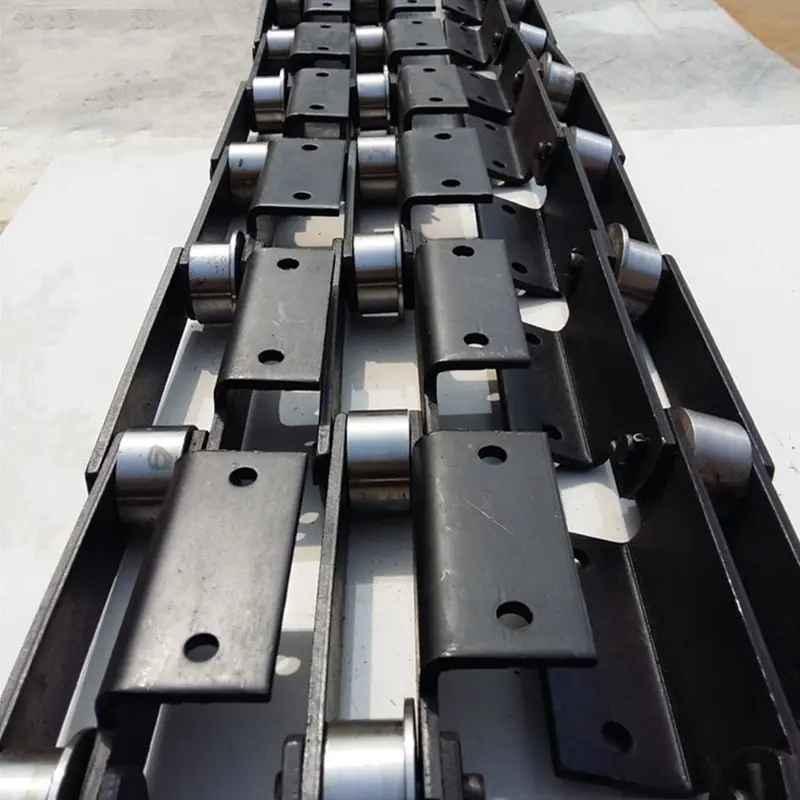
¿Cómo afecta la elección del tipo de fijación de la cadena a la versatilidad de una cadena de transmisión?
La elección del tipo de fijación de la cadena tiene un impacto significativo en la versatilidad y funcionalidad de una cadena de transmisión. Aquí encontrará una respuesta detallada a la pregunta:
El tipo de fijación se refiere al diseño o configuración específicos de los eslabones o placas en los extremos de la cadena de transmisión. Existen diferentes tipos de fijación para adaptarse a diversas aplicaciones, equipos y requisitos de la industria. La selección del tipo de fijación adecuado afecta la versatilidad de la cadena de las siguientes maneras:
1. Conexión y compatibilidad: El tipo de fijación de la cadena determina cómo se conecta e interactúa con otros componentes del sistema. Debe ser compatible con el equipo, piñones, engranajes u otros mecanismos para garantizar un funcionamiento adecuado y una transmisión de potencia correcta. Es posible que se requieran diferentes tipos de fijación para distintas máquinas o aplicaciones, como cintas transportadoras, elevadores o maquinaria industrial.
2. Capacidad de carga y resistencia: El tipo de fijación influye en la capacidad de carga y la resistencia de la cadena de transmisión. Algunos diseños de fijación proporcionan una mayor capacidad de carga, lo que permite que la cadena soporte cargas pesadas o aplicaciones de alto par. Al elegir el tipo de fijación adecuado, se puede mejorar la versatilidad de la cadena para adaptarse a una amplia gama de requisitos de carga.
3. Flexibilidad y adaptabilidad: Ciertos tipos de fijación ofrecen mayor flexibilidad y adaptabilidad para ajustarse a variaciones en el diseño o la disposición del equipo. Permiten un ajuste, tensado o alargamiento más sencillos de la cadena para adaptarla a requisitos específicos. Esta flexibilidad hace que la cadena sea más versátil y adaptable a diferentes configuraciones o cambios en el entorno operativo.
4. Requisitos específicos de la aplicación: Según la aplicación, pueden ser necesarios tipos específicos de fijación de la cadena para cumplir con los estándares de la industria, las normas de seguridad o las necesidades operativas. Por ejemplo, ciertas industrias pueden requerir fijaciones especializadas para garantizar la correcta alineación, posicionamiento o acoplamiento con componentes o materiales específicos. Elegir el tipo de fijación adecuado garantiza el cumplimiento de estos requisitos, lo que aumenta la versatilidad de la cadena para aplicaciones específicas.
5. Fácil mantenimiento y reemplazo: La elección del tipo de fijación también puede influir en la facilidad de mantenimiento y reemplazo de la cadena de transmisión. Algunos diseños de fijación permiten el desmontaje o reemplazo rápido y sencillo de eslabones o placas de cadena dañados o desgastados. Esto facilita un mantenimiento eficiente y reduce el tiempo de inactividad, lo que contribuye a la versatilidad y confiabilidad generales de la cadena.
Al seleccionar una cadena de transmisión, es fundamental considerar el tipo de acoplamiento específico requerido para la aplicación prevista. Factores como la capacidad de carga, la compatibilidad con el equipo, la facilidad de mantenimiento y las normas del sector deben tenerse en cuenta para garantizar la versatilidad y el rendimiento óptimos de la cadena de transmisión.
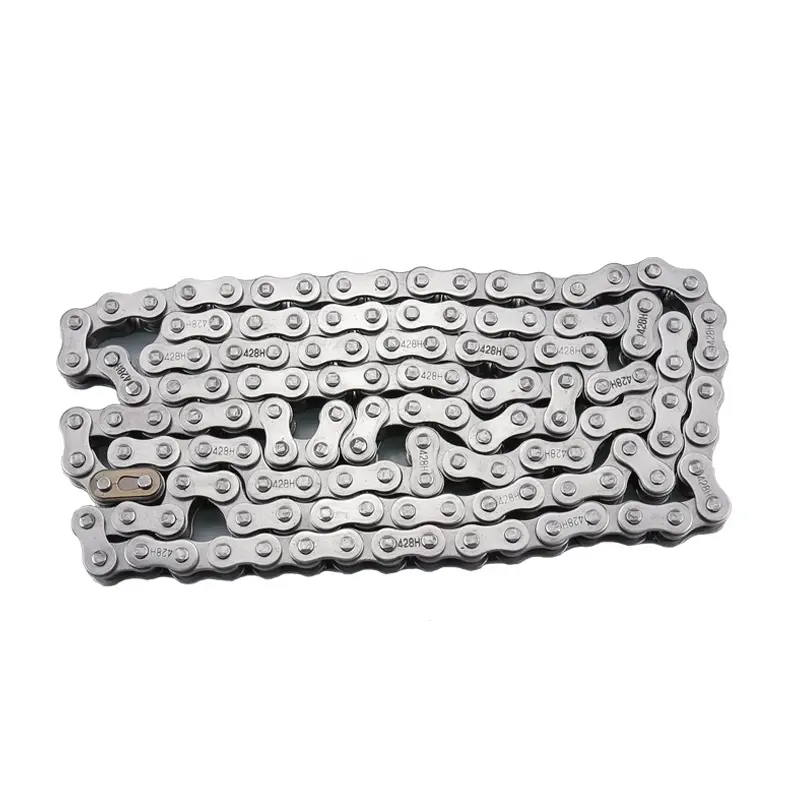
¿Cómo afecta la alineación de los piñones a la vida útil de una cadena de transmisión?
La alineación de los piñones juega un papel crucial en la vida útil y el rendimiento de una cadena de transmisión. Aquí hay una respuesta detallada a la pregunta:
1. Distribución adecuada de la carga: Cuando las ruedas dentadas están correctamente alineadas, la cadena de transmisión distribuye la carga de manera uniforme a lo largo de su longitud. Esto garantiza que la cadena experimente una tensión uniforme y minimiza la concentración de fuerzas en eslabones específicos. Una alineación incorrecta puede provocar una distribución desigual de la carga, lo que conlleva un desgaste y fatiga acelerados de la cadena.
2. Menor fricción y desgaste: Una alineación adecuada ayuda a mantener el acoplamiento correcto entre la cadena y los piñones. Cuando la cadena se acopla suavemente con los piñones, la fricción y el desgaste se minimizan. Por otro lado, una alineación incorrecta de los piñones puede provocar que la cadena roce contra los dientes o los laterales de los mismos, lo que aumenta la fricción, el desgaste y puede causar la rotura de la cadena.
3. Tensión de la cadena: La alineación de los piñones también afecta la tensión de la cadena de transmisión. Una alineación correcta garantiza que la cadena mantenga la tensión adecuada durante todo su funcionamiento. Una tensión excesiva debido a una desalineación puede aumentar el estrés en la cadena, lo que provoca un desgaste acelerado, fatiga y posible rotura. Una tensión insuficiente puede causar que la cadena salte o se salga de los piñones.
4. Funcionamiento suave y eficiente: Cuando los piñones están correctamente alineados, la cadena de transmisión funciona de forma suave y eficiente. Esto permite una transferencia de potencia fluida, reduce las vibraciones y el ruido, y mejora el rendimiento general del sistema. Los piñones desalineados pueden provocar que la cadena se atasque, salte o genere ruido excesivo, lo que disminuye la eficiencia y puede dañar la cadena y los piñones.
5. Mayor vida útil de la cadena: Una correcta alineación de los piñones contribuye a prolongar la vida útil de la cadena de transmisión. Al garantizar que la cadena funcione dentro de sus parámetros de diseño y sufra un mínimo desgaste, se reduce el riesgo de fallos prematuros. Esto se traduce en una mayor vida útil de la cadena, menores necesidades de mantenimiento y menores costes operativos generales.
Es importante inspeccionar y mantener regularmente la alineación de los piñones en un sistema de cadena de transmisión. Una instalación adecuada, comprobaciones periódicas de alineación y ajustes cuando sea necesario son esenciales para maximizar la vida útil y el rendimiento de la cadena de transmisión.

¿Cuáles son los componentes clave de una cadena de transmisión?
Una cadena de transmisión consta de varios componentes clave que trabajan juntos para transmitir potencia y movimiento de manera eficiente. Los componentes principales de una cadena de transmisión incluyen:
- Placas interiores: Se trata de placas metálicas planas con agujeros o ranuras para conectar los demás componentes de la cadena.
- Placas exteriores: Al igual que las placas interiores, las placas exteriores proporcionan resistencia y soporte adicionales a la cadena.
- Pasadores: Los pasadores mantienen unidas las placas interior y exterior, creando una conexión flexible entre ellas. Desempeñan un papel fundamental en el mantenimiento de la integridad y la funcionalidad de la cadena.
- Casquillos: Los casquillos son componentes cilíndricos que encajan en los orificios de las placas interior y exterior. Proporcionan una superficie lisa para que la cadena gire alrededor de los pasadores.
- Rodillos: Los rodillos son elementos cilíndricos que se colocan entre las placas internas y los casquillos. Reducen la fricción y permiten un movimiento suave cuando la cadena engrana con los piñones.
- Casquillos macizos (opcional): En algunas cadenas de transmisión, se pueden usar casquillos macizos en lugar de casquillos perforados. Los casquillos macizos proporcionan mayor resistencia y estabilidad a la cadena.
- Piñones: Los piñones son ruedas dentadas que engranan con los rodillos de la cadena de transmisión. Transfieren potencia y movimiento a la cadena, lo que permite accionar diversas máquinas y equipos.
Estos componentes trabajan conjuntamente para formar un circuito continuo que transmite potencia desde la rueda dentada motriz a la rueda dentada impulsada, lo que permite que la cadena transfiera movimiento de rotación e impulse diversos sistemas mecánicos.


Editor por CX 28/03/2024