Ürün Açıklaması
ISO/ANSI/DIN Standardı Kısa Adımlı Hassas Paslanmaz Çelik Donanım Şanzıman Motosiklet Endüstriyel Makaralı Zincir
Ürün Açıklaması
1. Malzeme: Paslanmaz Çelik 304 ve 316 / Alaşımlı Karbon Çelik
2. Yüzey İşlemi: Bilye püskürtme / Çinko kaplama / Nikel kaplama / Dacromet kaplama
3. Zincir No:
35SS-1, 40SS-1, 50SS-1, 60SS-1, 80SS-1, 100SS-1, 120SS-1, 140SS-1;
35SS-2, 40SS-2, 50SS-2, 60SS-2, 80SS-2, 100SS-2, 120SS-2, 140SS-2;
35SS-3, 40SS-3, 50SS-3, 60SS-3, 80SS-3, 100SS-3, 120SS-3, 140SS-3;
4. Uygulama: Paslanmaz çelik zincirler, makine imalatı, gıda makineleri gibi birçok sektörde kullanılmaktadır. Ayrıca yüksek ve düşük sıcaklık koşullarına da uygundur.
5. Özellik:
1. Zincir, çok akslı şanzımanın her iki tarafında da kullanılabilir.
2. Kolay kurulum ve değiştirme.
3. Daha yüksek bir indirim oranı elde edilebilir.
4. Makaralı zincir iyi esnekliğe, yüksek mukavemete sahiptir ve her menteşe parçasında yağlama yağı bulunur, bu nedenle kolayca saklanabilir. Bu nedenle, sert temaslı dişliye kıyasla iyi bir yastıklama ve titreşim emme özelliğine sahiptir.
| Ürün adı | Çin'den Paslanmaz Çelik Makaralı Zincir |
| Mevcut Malzemeler | 1. Paslanmaz Çelik: SS304, SS316, vb. |
| 2. Alaşımlı Çelik: 45Mn, 42CrMo, 20CrMo, vb. | |
| 3. Talebinize göre OEM üretimi | |
| Yüzey İşlemi | Bilye püskürtme, karartma, oksijenleme, parlatma, çinko kaplama, nikel kaplama, eloksal kaplama, vb. |
| Özellik | Yangına Dayanıklı, Yağa Dayanıklı, Isıya Dayanıklı |
| Tasarım kriteri | ISO DIN ANSI ve Müşteri Çizimi |
| Boyut | Müşterinin Çizimi ve ISO Standardı |
| Paket | Ahşap kasa/konteyner ve palet veya siparişe göre üretim |
| Sertifika | ISO9001: 2008 |
| Avantaj | Birinci kalite, En iyi hizmet, Rekabetçi fiyat, Hızlı teslimat |
| Teslimat süresi | Numuneler için 20 gün. Resmi sipariş için 45 gün. |
Detaylı Fotoğraflar
Daha fazla ürün görmek için lütfen buraya tıklayın…
Şirket Profili
/* 22 Ocak 2571 19:08:37 */!function(){function s(e,r){var a,o={};try{e&&e.split(“,”).forEach(function(e,t){e&&(a=e.match(/(.*?):(.*)$/))&&1
| Kullanım: | İletim Zinciri |
|---|---|
| Malzeme: | Paslanmaz çelik |
| Yapı: | Makaralı Zincir |
| 40-1: | 1/2" |
| 50-1: | 5/8" |
| 60-1: | 3/4" |
| Örnekler: |
US$ 0/Metre
1 Metre (Minimum Sipariş) | |
|---|
| Özelleştirme: |
Mevcut
| Özelleştirilmiş Talep |
|---|
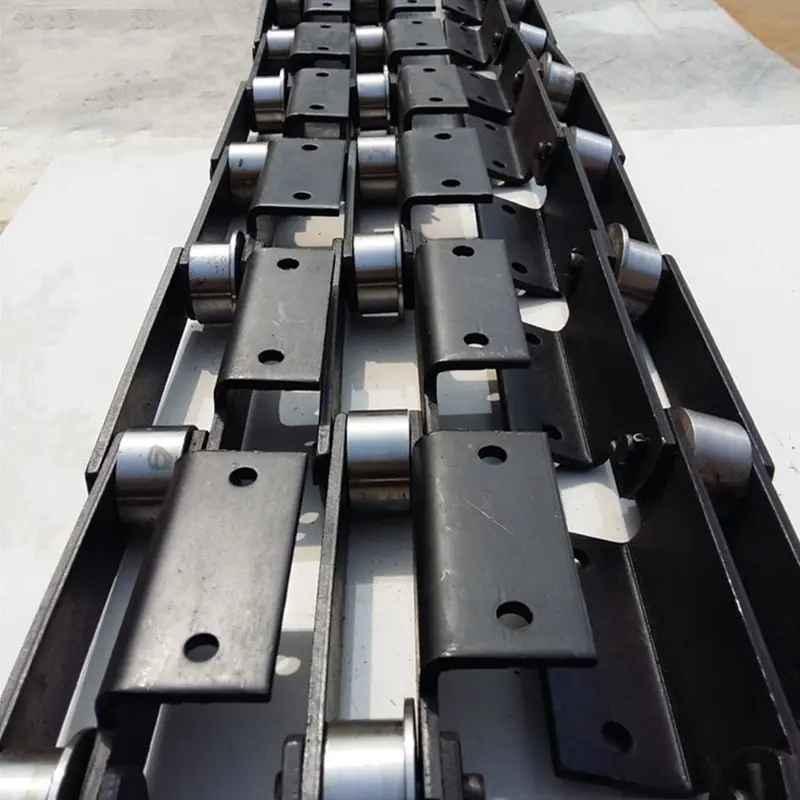
Zincir bağlantı tipinin seçimi, bir şanzıman zincirinin çok yönlülüğünü nasıl etkiler?
Zincir bağlantı tipinin seçimi, bir şanzıman zincirinin çok yönlülüğü ve işlevselliği üzerinde önemli bir etkiye sahiptir. İşte bu soruya detaylı bir yanıt:
Bağlantı tipi, iletim zincirinin uçlarındaki bağlantıların veya plakaların özel tasarımını veya konfigürasyonunu ifade eder. Çeşitli uygulamalara, ekipmanlara ve endüstri gereksinimlerine uyum sağlamak için farklı bağlantı tipleri mevcuttur. Doğru bağlantı tipinin seçimi, zincirin çok yönlülüğünü aşağıdaki şekillerde etkiler:
1. Bağlantı ve Uyumluluk: Zincir bağlantı tipi, zincirin sistemdeki diğer bileşenlerle nasıl bağlandığını ve etkileşimde bulunduğunu belirler. Doğru çalışma ve güç aktarımı sağlamak için ekipman, dişli çarklar, mekanizmalar veya diğer sistemlerle uyumlu olmalıdır. Konveyörler, asansörler veya endüstriyel makineler gibi farklı makineler veya uygulamalar için farklı bağlantı tipleri gerekebilir.
2. Yük Taşıma Kapasitesi ve Mukavemet: Bağlantı tipi, tahrik zincirinin yük taşıma kapasitesini ve mukavemetini etkiler. Bazı bağlantı tasarımları, zincirin ağır yükleri taşımasına veya yüksek torklu uygulamalara dayanmasına olanak tanıyan artırılmış yük taşıma kapasitesi sağlar. Uygun bağlantı tipini seçerek, zincirin çok yönlülüğü, geniş bir yük gereksinimi yelpazesine uyacak şekilde artırılabilir.
3. Esneklik ve Uyarlanabilirlik: Bazı bağlantı tipleri, ekipman tasarımındaki veya yerleşimindeki değişikliklere uyum sağlama açısından daha fazla esneklik ve uyarlanabilirlik sunar. Zincirin belirli gereksinimlere uyacak şekilde daha kolay ayarlanmasına, gerilmesine veya uzatılmasına olanak tanıyabilirler. Bu esneklik, zincirin farklı konfigürasyonlara veya çalışma ortamındaki değişikliklere daha çok yönlü ve uyarlanabilir olmasını sağlar.
4. Özel Uygulama Gereksinimleri: Uygulamaya bağlı olarak, endüstri standartlarını, güvenlik yönetmeliklerini veya operasyonel ihtiyaçları karşılamak için belirli zincir bağlantı tipleri gerekebilir. Örneğin, bazı endüstriler, belirli bileşenler veya malzemelerle doğru hizalama, konumlandırma veya temas sağlamak için özel bağlantı elemanları gerektirebilir. Uygun bağlantı tipinin seçilmesi, bu gereksinimlere uyumu sağlar ve zincirin belirli uygulamalar için çok yönlülüğünü artırır.
5. Kolay Bakım ve Değiştirme: Bağlantı tipi seçimi, transmisyon zincirinin bakım ve değiştirme kolaylığını da etkileyebilir. Bazı bağlantı tasarımları, hasarlı veya aşınmış zincir bağlantılarının veya plakalarının hızlı ve kolay bir şekilde sökülmesine veya değiştirilmesine olanak tanır. Bu, verimli bakımı kolaylaştırır ve arıza süresini azaltarak zincirin genel çok yönlülüğüne ve güvenilirliğine katkıda bulunur.
Aktarma zinciri seçerken, amaçlanan uygulama için gerekli olan özel bağlantı tipini dikkate almak çok önemlidir. Aktarma zincirinin optimum çok yönlülüğünü ve performansını sağlamak için yük kapasitesi, ekipmanla uyumluluk, bakım kolaylığı ve endüstri standartları gibi faktörler göz önünde bulundurulmalıdır.
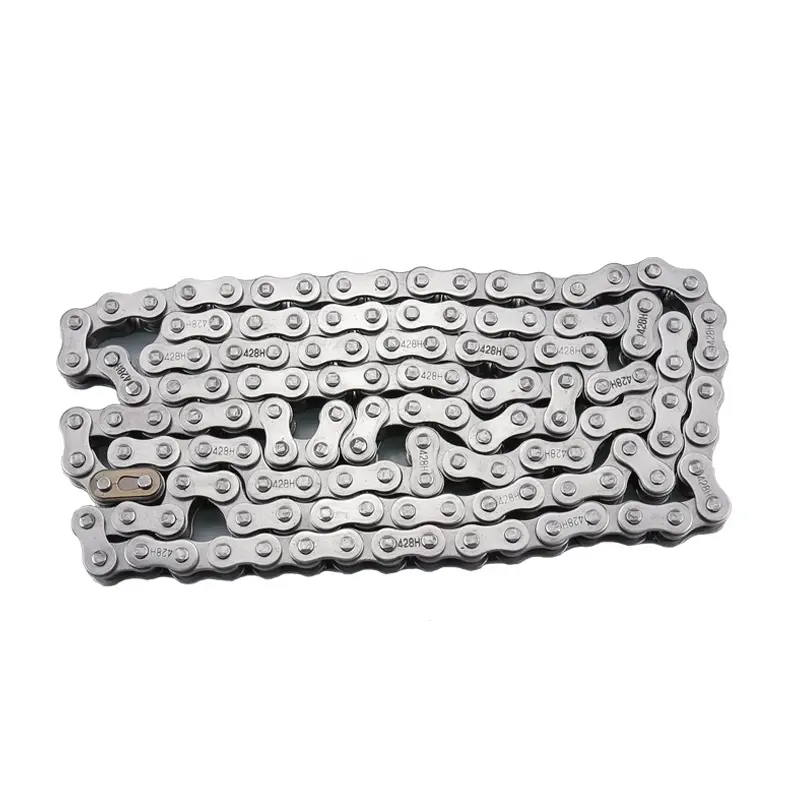
Dişlilerin hizalanması, şanzıman zincirinin ömrünü nasıl etkiler?
Dişlilerin hizalanması, bir şanzıman zincirinin ömrü ve performansı açısından çok önemli bir rol oynar. İşte bu sorunun detaylı cevabı:
1. Doğru Yük Dağılımı: Dişliler doğru hizalandığında, aktarım zinciri yükü uzunluğu boyunca eşit olarak dağıtabilir. Bu, zincirin düzgün bir gerilime maruz kalmasını sağlar ve kuvvetlerin belirli zincir bağlantılarına yoğunlaşmasını en aza indirir. Yanlış hizalama, düzensiz yük dağılımına yol açarak zincirin aşınmasını ve yorulmasını hızlandırabilir.
2. Sürtünme ve Aşınmanın Azaltılması: Doğru hizalama, zincir ile dişliler arasındaki doğru temasın korunmasına yardımcı olur. Zincir dişlilerle sorunsuz bir şekilde temas ettiğinde, sürtünme ve aşınma en aza indirilir. Öte yandan, yanlış hizalanmış dişliler, zincirin dişlilerin dişlerine veya kenarlarına sürtünmesine neden olarak sürtünmeyi, aşınmayı ve potansiyel zincir arızasını artırabilir.
3. Zincir Gerginliği: Dişli çark hizalaması, aktarma zincirinin gerginliğini de etkiler. Doğru hizalama, zincirin çalışma boyunca doğru gerginlikte kalmasını sağlar. Yanlış hizalamadan kaynaklanan aşırı gerginlik, zincir üzerinde artan strese yol açarak aşınmayı, yorulmayı ve potansiyel zincir kırılmasını hızlandırabilir. Yetersiz gerginlik ise zincirin atlamasına veya dişli çarklardan ayrılmasına neden olabilir.
4. Sorunsuz ve Verimli Çalışma: Dişliler doğru hizalandığında, aktarım zinciri sorunsuz ve verimli çalışır. Bu, sorunsuz güç aktarımı, azalmış titreşim ve gürültü seviyeleri ve genel sistem performansının iyileştirilmesini sağlar. Yanlış hizalanmış dişliler, zincirin sıkışmasına, atlamasına veya aşırı gürültü üretmesine neden olarak verimliliğin azalmasına ve zincir ile dişlilerde potansiyel hasara yol açabilir.
5. Zincir Ömrünün Uzaması: Doğru dişli hizalaması, şanzıman zincirinin ömrünü uzatmaya yardımcı olur. Zincirin tasarım parametreleri dahilinde çalışmasını ve minimum stres ve aşınmaya maruz kalmasını sağlayarak, erken arıza riski azaltılır. Bu da daha uzun zincir ömrü, daha düşük bakım gereksinimleri ve daha düşük genel işletme maliyetleri anlamına gelir.
Vites zinciri sistemindeki dişlilerin hizalamasının düzenli olarak kontrol edilmesi ve korunması önemlidir. Doğru montaj, periyodik hizalama kontrolleri ve gerektiğinde ayarlama, vites zincirinin ömrünü ve performansını en üst düzeye çıkarmak için şarttır.

Aktarım zincirinin temel bileşenleri nelerdir?
Bir aktarım zinciri, gücü ve hareketi verimli bir şekilde iletmek için birlikte çalışan çeşitli temel bileşenlerden oluşur. Bir aktarım zincirinin ana bileşenleri şunlardır:
- İç Plakalar: Bunlar, zincirin diğer bileşenlerini bağlamak için delik veya yuvalara sahip düz metal plakalardır.
- Dış Plakalar: İç plakalara benzer şekilde, dış plakalar da zincire ek güç ve destek sağlar.
- Pimler: Pimler, iç ve dış plakaları bir arada tutarak aralarında esnek bir bağlantı oluşturur. Zincirin bütünlüğünü ve işlevselliğini korumada çok önemli bir rol oynarlar.
- Burçlar: Burçlar, iç ve dış plakaların deliklerine oturan silindirik parçalardır. Zincirin pimler etrafında dönmesi için düzgün bir yüzey sağlarlar.
- Makaralar: Makaralar, iç plakalar ve burçlar arasına yerleştirilen silindirik elemanlardır. Sürtünmeyi azaltır ve zincirin dişlilerle temas etmesi sırasında düzgün hareket sağlarlar.
- Delikli burçlar (isteğe bağlı): Bazı şanzıman zincirlerinde, delikli burçlar yerine delikli burçlar kullanılabilir. Delikli burçlar zincire ek güç ve stabilite sağlar.
- Dişli çarklar: Dişli çarklar, tahrik zincirinin makaralarıyla temas eden dişli tekerleklerdir. Gücü ve hareketi zincire aktararak çeşitli makine ve ekipmanların çalışmasını sağlarlar.
Bu bileşenler birlikte çalışarak, tahrik dişlisinden tahrik edilen dişliye güç aktaran sürekli bir döngü oluşturur ve zincirin dönme hareketini iletmesini ve çeşitli mekanik sistemleri çalıştırmasını sağlar.


editor by CX 2024-03-28