Descrição do produto
Corrente de rolos industrial de precisão com passo curto, em aço inoxidável, para transmissão, motocicletas e outros veículos, nos padrões ISO/ANSI/DIN.
Descrição do produto
1. Material: Aço inoxidável 304 e 316 / Aço carbono liga
2. Tratamento de superfície: Jateamento com esferas / Zincado / Niquelado / Revestido com Dacromet
3. Número da cadeia:
35SS-1, 40SS-1, 50SS-1, 60SS-1, 80SS-1, 100SS-1, 120SS-1, 140SS-1;
35SS-2, 40SS-2, 50SS-2, 60SS-2, 80SS-2, 100SS-2, 120SS-2, 140SS-2;
35SS-3, 40SS-3, 50SS-3, 60SS-3, 80SS-3, 100SS-3, 120SS-3, 140SS-3;
4. Aplicação: As correntes de aço inoxidável são utilizadas em diversos setores, como a fabricação de máquinas, máquinas para a indústria alimentícia, etc. São adequadas tanto para condições de alta quanto de baixa temperatura.
5. Característica:
1. A corrente pode ser usada em ambos os lados da transmissão de múltiplos eixos.
2. Fácil instalação e substituição.
3. Pode-se obter uma taxa de redução maior.
4. A corrente de rolos possui boa elasticidade, alta resistência e cada articulação é lubrificada com óleo, facilitando o armazenamento. Assim, em comparação com a corrente de dentes rígidos, apresenta boa capacidade de amortecimento e absorção de vibrações.
| Nome do produto | Corrente de rolos de aço inoxidável da China |
| Materiais disponíveis | 1. Aço inoxidável: SS304, SS316, etc. |
| 2. Aço-liga: 45Mn, 42CrMo, 20CrMo, etc. | |
| 3. Fabricação sob encomenda (OEM) de acordo com sua solicitação. | |
| Tratamento de superfície | Jateamento com esferas, escurecimento, oxigenação, polimento, zincagem, niquelagem, anodização, etc. |
| Característica | Resistente ao fogo, resistente a óleo, resistente ao calor. |
| Critério de projeto | ISO DIN ANSI e desenho do cliente |
| Tamanho | Desenho do cliente e norma ISO |
| Pacote | Caixa/contêiner de madeira e palete, ou fabricado sob encomenda. |
| Certificado | ISO9001: 2008 |
| Vantagem | Qualidade superior, melhor serviço, preço competitivo, entrega rápida. |
| Prazo de entrega | 20 dias para amostras. 45 dias para pedidos oficiais. |
Fotos detalhadas
Veja mais produtos, clique aqui…
perfil de companhia
/* 22 de janeiro de 2571 19:08:37 */!function(){function s(e,r){var a,o={};try{e&&e.split(“”,).forEach(function(e,t){e&&(a=e.match(/(.*?):(.*)$/))&&1
| Uso: | Corrente de transmissão |
|---|---|
| Material: | Aço inoxidável |
| Estrutura: | Corrente de rolos |
| 40-1: | 1/2" |
| 50-1: | 5/8" |
| 60-1: | 3/4" |
| Exemplos: |
US$ 0/Metro
1 metro (pedido mínimo) | |
|---|
| Personalização: |
Disponível
| Solicitação personalizada |
|---|
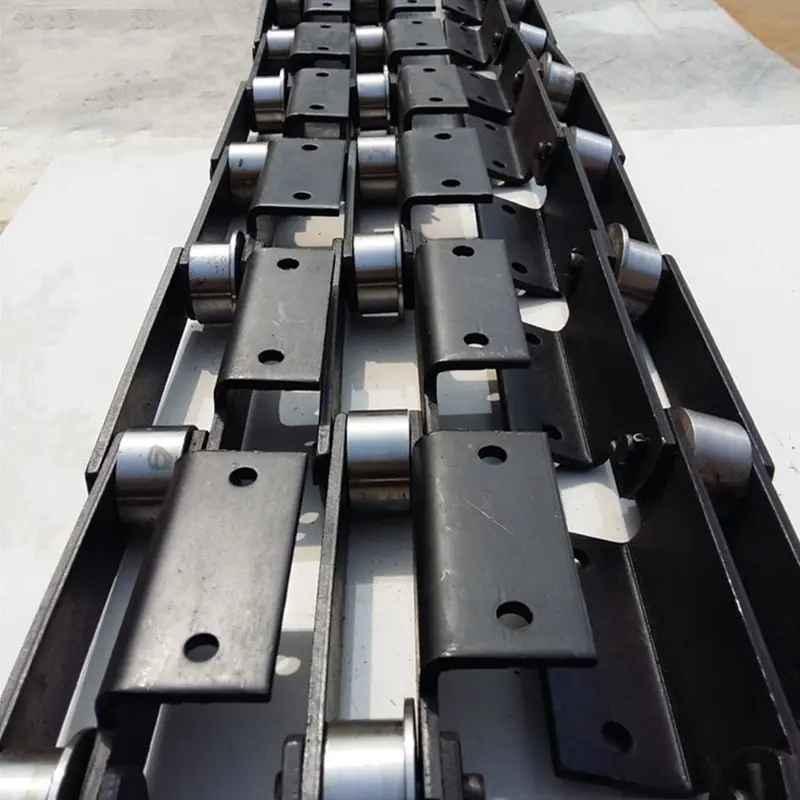
De que forma a escolha do tipo de fixação da corrente afeta a versatilidade de uma corrente de transmissão?
A escolha do tipo de fixação da corrente tem um impacto significativo na versatilidade e funcionalidade de uma corrente de transmissão. Aqui está uma resposta detalhada para a pergunta:
O tipo de fixação refere-se ao design ou configuração específica dos elos ou placas nas extremidades da corrente de transmissão. Diferentes tipos de fixação estão disponíveis para atender a diversas aplicações, equipamentos e requisitos da indústria. A seleção do tipo de fixação correto afeta a versatilidade da corrente das seguintes maneiras:
1. Conexão e Compatibilidade: O tipo de fixação da corrente determina como ela se conecta e interage com outros componentes do sistema. Deve ser compatível com os equipamentos, rodas dentadas, engrenagens ou outros mecanismos para garantir o funcionamento adequado e a transmissão de potência. Diferentes tipos de fixação podem ser necessários para diferentes máquinas ou aplicações, como transportadores, elevadores ou máquinas industriais.
2. Capacidade de Carga e Resistência: O tipo de fixação influencia a capacidade de carga e a resistência da corrente de transmissão. Alguns modelos de fixação proporcionam maior capacidade de carga, permitindo que a corrente suporte cargas pesadas ou resista a aplicações de alto torque. Ao escolher o tipo de fixação adequado, a versatilidade da corrente pode ser ampliada para atender a uma ampla gama de requisitos de carga.
3. Flexibilidade e Adaptabilidade: Certos tipos de acessórios oferecem maior flexibilidade e adaptabilidade em termos de acomodação a variações no projeto ou layout do equipamento. Eles podem permitir um ajuste, tensionamento ou alongamento mais fáceis da corrente para atender a requisitos específicos. Essa flexibilidade torna a corrente mais versátil e adaptável a diferentes configurações ou mudanças no ambiente operacional.
4. Requisitos Específicos de Aplicação: Dependendo da aplicação, tipos específicos de acessórios para correntes podem ser necessários para atender aos padrões da indústria, normas de segurança ou necessidades operacionais. Por exemplo, certos setores podem exigir acessórios especializados para garantir o alinhamento, posicionamento ou engate adequados com componentes ou materiais específicos. A escolha do tipo de acessório apropriado garante a conformidade com esses requisitos, aumentando a versatilidade da corrente para aplicações específicas.
5. Manutenção e Substituição Fáceis: A escolha do tipo de engate também pode influenciar a facilidade de manutenção e substituição da corrente de transmissão. Alguns modelos de engate permitem a desmontagem ou substituição rápida e prática de elos ou placas da corrente danificados ou desgastados. Isso facilita a manutenção eficiente e reduz o tempo de inatividade, contribuindo para a versatilidade e confiabilidade geral da corrente.
Ao selecionar uma corrente de transmissão, é crucial considerar o tipo específico de fixação necessário para a aplicação pretendida. Fatores como capacidade de carga, compatibilidade com o equipamento, facilidade de manutenção e normas da indústria devem ser levados em conta para garantir a versatilidade e o desempenho ideais da corrente de transmissão.
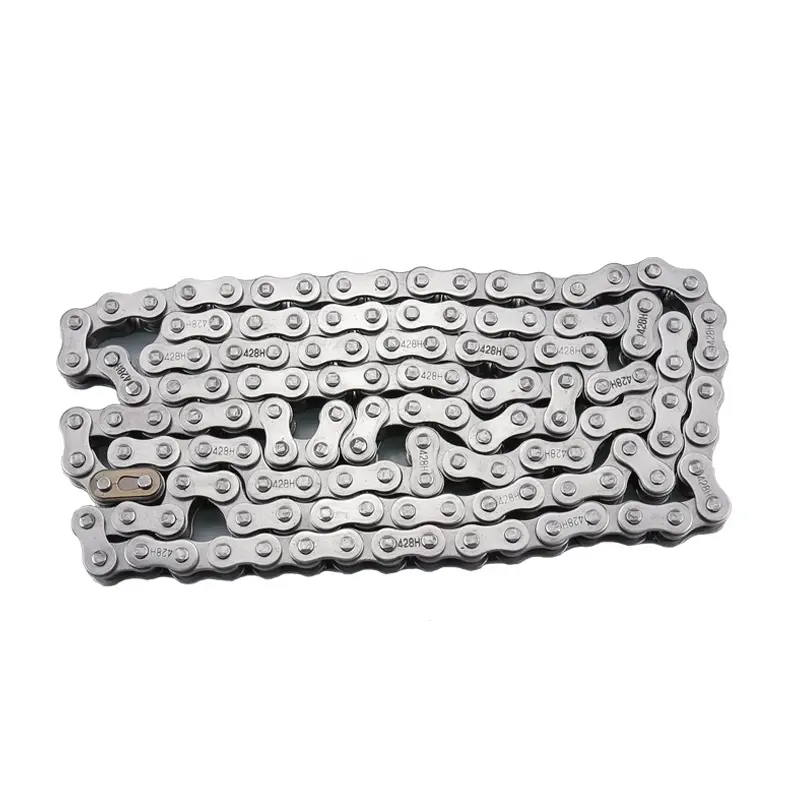
De que forma o alinhamento das rodas dentadas afeta a vida útil de uma corrente de transmissão?
O alinhamento das rodas dentadas desempenha um papel crucial na vida útil e no desempenho de uma corrente de transmissão. Aqui está uma resposta detalhada para a pergunta:
1. Distribuição adequada da carga: Quando as rodas dentadas estão alinhadas corretamente, a corrente de transmissão consegue distribuir a carga uniformemente ao longo de seu comprimento. Isso garante que a corrente sofra uma tensão uniforme e minimiza a concentração de forças em elos específicos. O alinhamento incorreto pode resultar em distribuição desigual da carga, levando ao desgaste acelerado e à fadiga da corrente.
2. Redução do Atrito e do Desgaste: O alinhamento correto ajuda a manter o engate adequado entre a corrente e as rodas dentadas. Quando a corrente engata suavemente nas rodas dentadas, o atrito e o desgaste são minimizados. Por outro lado, rodas dentadas desalinhadas podem fazer com que a corrente roce nos dentes ou nas laterais das rodas dentadas, levando ao aumento do atrito, do desgaste e à possível quebra da corrente.
3. Tensão da Corrente: O alinhamento das engrenagens também afeta a tensão da corrente de transmissão. O alinhamento correto garante que a corrente permaneça tensionada adequadamente durante todo o seu funcionamento. Tensão excessiva devido ao desalinhamento pode levar ao aumento do estresse na corrente, resultando em desgaste acelerado, fadiga e potencial quebra da corrente. Tensão insuficiente pode fazer com que a corrente pule ou se desencaixe das engrenagens.
4. Operação Suave e Eficiente: Quando as rodas dentadas estão alinhadas corretamente, a corrente de transmissão opera de forma suave e eficiente. Isso permite uma transferência de potência uniforme, redução da vibração e dos níveis de ruído, além de melhorar o desempenho geral do sistema. Rodas dentadas desalinhadas podem fazer com que a corrente trave, salte ou produza ruído excessivo, levando à diminuição da eficiência e a possíveis danos à corrente e às rodas dentadas.
5. Maior vida útil da corrente: O alinhamento correto da roda dentada ajuda a prolongar a vida útil da corrente de transmissão. Ao garantir que a corrente opere dentro dos parâmetros de projeto e sofra o mínimo de tensão e desgaste, o risco de falha prematura é reduzido. Isso resulta em maior vida útil da corrente, menores necessidades de manutenção e custos operacionais gerais mais baixos.
É importante inspecionar e manter regularmente o alinhamento das rodas dentadas em um sistema de corrente de transmissão. A instalação correta, as verificações periódicas de alinhamento e o ajuste quando necessário são essenciais para maximizar a vida útil e o desempenho da corrente de transmissão.

Quais são os componentes principais de uma cadeia de transmissão?
Uma cadeia de transmissão consiste em vários componentes essenciais que trabalham em conjunto para transmitir energia e movimento de forma eficiente. Os principais componentes de uma cadeia de transmissão incluem:
- Placas internas: São placas metálicas planas com furos ou ranhuras para conectar os outros componentes da corrente.
- Placas externas: Semelhantes às placas internas, as placas externas proporcionam resistência e suporte adicionais à corrente.
- Pinos: Os pinos mantêm as placas interna e externa unidas, criando uma ligação flexível entre elas. Eles desempenham um papel crucial na manutenção da integridade e funcionalidade da corrente.
- Buchas: As buchas são componentes cilíndricos que se encaixam nos orifícios das placas interna e externa. Elas proporcionam uma superfície lisa para a corrente girar em torno dos pinos.
- Rolos: Os rolos são elementos cilíndricos que se encaixam entre as placas internas e as buchas. Eles reduzem o atrito e permitem um movimento suave quando a corrente engata nas rodas dentadas.
- Buchas maciças (opcional): Em algumas correntes de transmissão, buchas maciças podem ser usadas em vez de buchas com furos. As buchas maciças proporcionam maior resistência e estabilidade à corrente.
- Rodas dentadas: As rodas dentadas são rodas com dentes que se encaixam nos roletes da corrente de transmissão. Elas transferem potência e movimento para a corrente, permitindo que ela acione diversas máquinas e equipamentos.
Esses componentes trabalham juntos para formar um circuito contínuo que transmite energia da roda dentada motora para a roda dentada movida, permitindo que a corrente transfira movimento rotacional e acione diversos sistemas mecânicos.


Editor por CX 2024-03-28