Product Description
Our roller chain size chart shows all the ANSI standard single-pitch and double-pitch chain sizes for making easy selections when it comes to sizing a chain!
Solid rollers enhance rotation on the bushing while reducing impact loads on the sprocket tooth during operation.
All components are heat treated to achieve maximum strength and greater wear resistance.
Pre-loaded during the manufacturing process to minimize the initial elongation.
Hot dipped lubrication ensures 100% lubrication of all chain components to extend wear life and reduce maintenance costs.
| ISO NO. |
ANSI NO. |
PITCH | BUSH WIDTH |
ROLLER DIA |
PIN | PLATE | MIN. STRENGTH |
AVG. STRENGTH |
WEIGHT | |||
| d | L1 | L2 | H | t/T | ||||||||
| mm | mm | mm | mm | mm | mm | mm | mm | kgf | kgf | kgm | ||
| *04C-1 | *25-1 | 6.350 | 3.18 | 3.30 | 2.31 | 3.90 | 4.80 | 6.00 | 0.80 | 3.50 | 4.60 | 0.14 |
| *06C-1 | *36-1 | 9.525 | 4.77 | 5.08 | 3.58 | 6.00 | 7.20 | 9.00 | 1.30 | 7.90 | 10.60 | 0.35 |
| 08A-1 | 40-1 | 12.700 | 7.85 | 7.77 | 3.96 | 8.30 | 9.60 | 12.00 | 1.50 | 14.10 | 18.00 | 0.66 |
| 571A-1 | 50-1 | 15.875 | 9.40 | 10.16 | 5.08 | 10.25 | 11.85 | 15.09 | 2.03 | 22.20 | 31.00 | 1.05 |
| 012A-1 | 60-1 | 19.050 | 12.57 | 11.91 | 5.94 | 12.65 | 14.35 | 18.00 | 2.42 | 31.80 | 42.00 | 1.56 |
| 016A-1 | 80-1 | 25.400 | 15.75 | 15.88 | 7.92 | 16.20 | 17.90 | 24.00 | 3.25 | 56.70 | 70.20 | 2.67 |
| 571A-1 | 100-1 | 31.750 | 18.90 | 19.05 | 9.52 | 19.80 | 23.30 | 30.00 | 4.00 | 88.50 | 115.00 | 4.04 |
| 571A-1 | 120-1 | 38.100 | 25.22 | 22.23 | 11.10 | 25.00 | 28.30 | 35.70 | 4.80 | 127.00 | 170.00 | 5.94 |
| 571A-1 | 140-1 | 44.450 | 25.22 | 25.40 | 12.70 | 26.90 | 30.90 | 41.00 | 5.00 | 172.00 | 213.00 | 7.50 |
| 032A-1 | 160-1 | 50.800 | 31.55 | 28.58 | 14.27 | 32.05 | 35.75 | 47.80 | 6.40 | 226.80 | 290.00 | 10.20 |
| 036A-1 | 180-1 | 57.150 | 35.48 | 35.71 | 17.46 | 36.05 | 40.75 | 53.60 | 7.20 | 280.20 | 340.00 | 13.95 |
| 040A-1 | 200-1 | 63.500 | 37.85 | 39.68 | 19.84 | 39.55 | 43.85 | 60.00 | 8.00 | 353.00 | 480.00 | 16.86 |
| 048A-1 | 240-1 | 76.200 | 47.35 | 47.63 | 23.81 | 47.60 | 52.40 | 72.39 | 9.50 | 510.00 | 620.00 | 24.25 |
| ISO NO. |
ANSI NO. |
PITCH | BUSH WIDTH |
ROLLER DIA |
PIN | PLATE | TRANS PITCH |
MIN. STRENGTH |
AVG. STRENGTH |
WEIGHT | |||
| d | L1 | L2 | H | t/T | |||||||||
| mm | mm | mm | mm | mm | mm | mm | mm | mm | kgf | kgf | kg/m | ||
| *04C-2 | *25-2 | 6.350 | 3.18 | 3.30 | 2.31 | 7.10 | 7.90 | 5.90 | 0.75 | 6.40 | 7.00 | 8.60 | 0.28 |
| *06C-2 | *36-2 | 9.525 | 4.77 | 5.08 | 3.58 | 11.10 | 12.30 | 9.00 | 1.27 | 10.13 | 15.80 | 20.00 | 0.69 |
| 08A-2 | 40-2 | 12.700 | 7.85 | 7.77 | 3.96 | 15.50 | 16.70 | 12.00 | 1.52 | 14.38 | 27.60 | 34.50 | 1.30 |
| 571A-2 | 50-2 | 15.875 | 9.40 | 10.16 | 5.08 | 19.30 | 20.70 | 15.00 | 2.00 | 18.11 | 43.60 | 59.50 | 2.08 |
| 012A-2 | 60-2 | 19.050 | 12.57 | 11.91 | 5.94 | 24.05 | 25.95 | 18.00 | 2.40 | 22.78 | 62.30 | 80.60 | 3.09 |
| 016A-2 | 80-2 | 25.400 | 15.75 | 15.88 | 7.92 | 30.75 | 33.15 | 23.50 | 3.20 | 29.29 | 111.20 | 134.80 | 5.29 |
| 571A-2 | 100-2 | 31.750 | 18.90 | 19.05 | 9.52 | 37.70 | 41.10 | 30.00 | 4.00 | 35.76 | 173.50 | 224.30 | 8.01 |
| 571A-2 | 120-2 | 38.100 | 25.22 | 22.23 | 11.10 | 47.75 | 51.05 | 35.80 | 4.90 | 45.44 | 249.10 | 326.40 | 11.84 |
| 571A-2 | 140-2 | 44.450 | 25.22 | 25.40 | 12.70 | 51.35 | 55.35 | 41.50 | 5.60 | 48.87 | 338.10 | 409.00 | 14.89 |
| 032A-2 | 160-2 | 50.800 | 31.55 | 28.58 | 14.27 | 61.35 | 65.05 | 48.00 | 6.40 | 58.55 | 444.80 | 556.80 | 20.26 |
| 036A-2 | 180-2 | 57.150 | 35.48 | 35.71 | 17.46 | 69.25 | 73.65 | 54.00 | 7.20 | 65.84 | 560.50 | 652.80 | 27.62 |
| 040A-2 | 200-2 | 63.500 | 37.85 | 39.68 | 19.84 | 75.35 | 79.65 | 59.60 | 8.00 | 71.55 | 693.90 | 921.60 | 33.64 |
| 048A-2 | 220-2 | 76.200 | 47.35 | 47.63 | 23.81 | 96.30 | 96.30 | 72.10 | 72.39 | 87.83 | 1000.80 | 1190.40 | 48.31 |
| Usage: | Transmission Chain, Conveyor Chain, Roller Chain |
|---|---|
| Material: | Alloy/Carbon Steel |
| Surface Treatment: | Polishing |
| Feature: | Heat Resistant |
| Chain Size: | Standard Size, Heavy Duty |
| Structure: | Roller Chain |
| Samples: |
US$ 10/Meter
1 Meter(Min.Order) | |
|---|
| Customization: |
Available
| Customized Request |
|---|
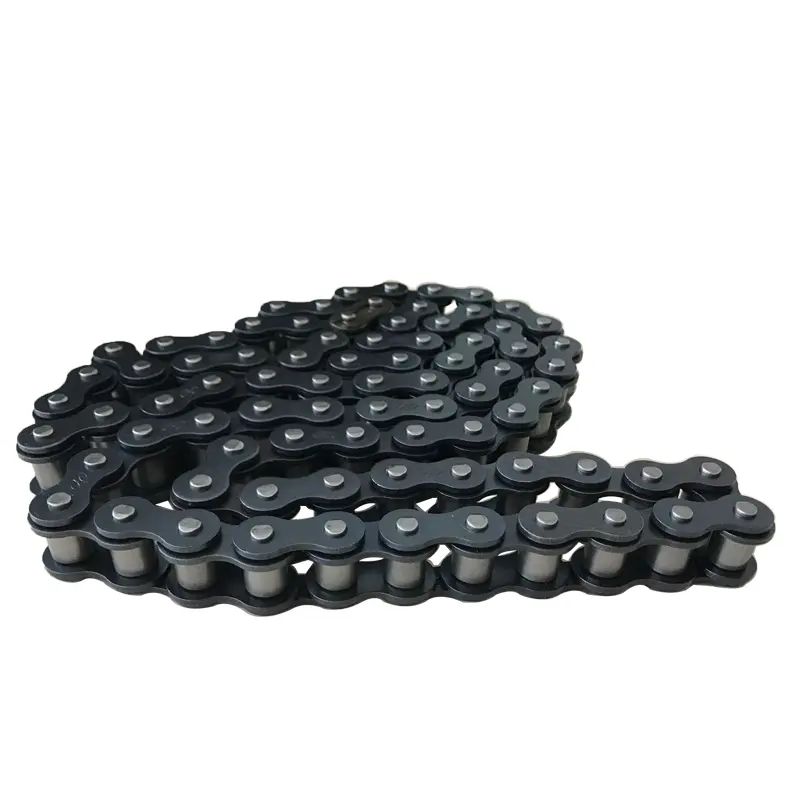
What are the benefits of using a low-noise transmission chain?
Using a low-noise transmission chain in industrial applications offers several advantages. Here’s a detailed answer to the question:
1. Noise Reduction: One of the primary benefits of using a low-noise transmission chain is the reduction in noise levels. These chains are designed with special features and materials to minimize vibrations, impact, and friction-induced noise during operation. This is particularly important in environments where noise reduction is critical, such as in residential areas, offices, or noise-sensitive industries.
2. Improved Workplace Environment: By reducing noise levels, low-noise transmission chains contribute to a more comfortable and productive workplace environment. Excessive noise can lead to employee fatigue, decreased concentration, and increased stress levels. Using low-noise chains helps create a quieter workspace, promoting better working conditions and overall well-being.
3. Compliance with Noise Regulations: In certain industries or regions, there are specific regulations or guidelines regarding acceptable noise levels. Using low-noise transmission chains can help ensure compliance with these regulations, avoiding potential fines or legal issues related to excessive noise emissions.
4. Enhanced Equipment Performance: Low-noise transmission chains are designed to provide smooth and efficient power transmission while minimizing noise generation. The reduction in vibration and impact noise not only improves the comfort of the workplace but also enhances the overall performance of the equipment. It can contribute to better precision, accuracy, and reliability of the machinery, leading to improved product quality and operational efficiency.
5. Extended Equipment Lifespan: Excessive noise and vibration can accelerate wear and tear on machinery components, leading to increased maintenance and premature failure. By using a low-noise transmission chain, the impact on the equipment’s mechanical parts is reduced, resulting in less wear, lower maintenance costs, and extended equipment lifespan.
6. Customer Satisfaction: In industries where noise can affect the end-user experience, such as automotive, consumer electronics, or precision engineering, using low-noise transmission chains can contribute to higher customer satisfaction. Products that operate quietly are often perceived as higher quality and can lead to a positive brand image and customer loy alty.
It’s important to note that the benefits of low-noise transmission chains may vary depending on the specific application and operating conditions. Manufacturers and equipment designers should consider factors such as load capacity, speed, lubrication, and environmental requirements when selecting and implementing low-noise transmission chains.
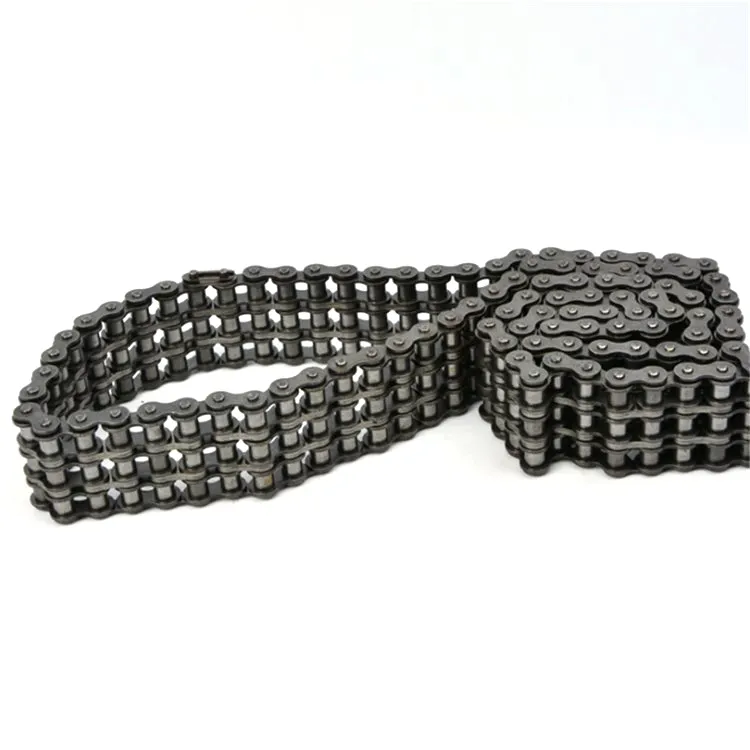
What are the advantages of using a flame-retardant transmission chain?
Flame-retardant transmission chains offer specific benefits in certain applications where fire safety is a concern. Here’s a detailed answer to the question:
1. Fire Protection: The primary advantage of using a flame-retardant transmission chain is enhanced fire protection. These chains are designed with materials and coatings that have high resistance to ignition and flame spread. In the event of a fire, they help to minimize the risk of the chain contributing to the spread of flames.
2. Safety: Flame-retardant transmission chains contribute to overall safety in environments where fire hazards are present. By reducing the flammability of the chain, they help prevent the chain from igniting or sustaining a fire, protecting personnel and property.
3. Compliance with Fire Regulations: In industries or applications where fire safety regulations are stringent, using flame-retardant transmission chains ensures compliance with these requirements. It helps to meet the necessary standards and regulations for fire prevention and protection.
4. Extended Escape Time: In situations where personnel may need to evacuate quickly during a fire, flame-retardant transmission chains can provide valuable additional time for safe evacuation. By resisting ignition and flame propagation, they help maintain structural integrity and delay the spread of fire.
5. Property Protection: Flame-retardant transmission chains help protect valuable equipment, machinery, and assets from fire damage. By reducing the risk of the chain catching fire, they minimize the potential for equipment failure and subsequent loss or damage.
It’s important to note that flame-retardant transmission chains may have specific design considerations and limitations. They are typically used in applications where fire safety is critical, such as in transportation systems, aerospace, mining, and other industries where the risk of fire is high. Selecting the appropriate flame-retardant chain requires considering the specific requirements of the application and ensuring compliance with relevant fire safety standards and regulations.
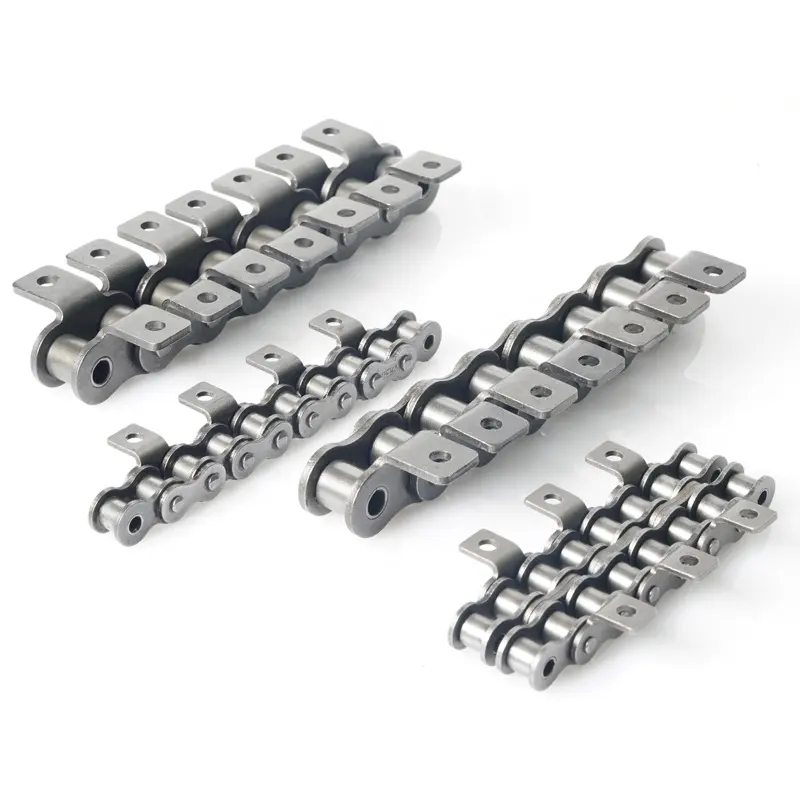
What are the main differences between standard and heavy-duty transmission chains?
Standard and heavy-duty transmission chains are designed to meet different load and performance requirements. Here are the main differences between these two types:
- Load Capacity: Heavy-duty transmission chains are built to handle higher loads and provide greater strength compared to standard chains. They are designed to withstand heavier and more demanding applications.
- Construction: Heavy-duty transmission chains are typically constructed with thicker plates, larger pins, and stronger components to enhance their durability and load-carrying capacity.
- Size: Heavy-duty transmission chains are often larger in size compared to standard chains to accommodate the increased load requirements.
- Weight: Due to their robust construction, heavy-duty transmission chains tend to be heavier than standard chains.
- Durability: Heavy-duty chains are engineered to have greater wear resistance, fatigue resistance, and overall durability to withstand harsh operating conditions and prolonged usage.
- Applications: Standard transmission chains are suitable for lighter-duty applications where moderate loads are involved, such as light machinery, conveyors, and small equipment. Heavy-duty transmission chains, on the other hand, are designed for heavy machinery, industrial equipment, mining applications, and other demanding environments.
It’s important to consider the specific requirements of your application, including load capacity, operating conditions, and expected lifespan, to determine whether a standard or heavy-duty transmission chain is the right choice.


editor by CX 2023-10-27