Ürün Açıklaması
Xihu (Batı Gölü) Bölgesi'ndeki CHINAMFG mekanik (zincir) fabrikasını ziyaretinize hoş geldiniz.
Geniş bir yelpazede güç aktarım ürünleri üretiyoruz. Bunlar arasında makaralı zincirler ve yaprak zincirler, konveyör zincirleri, tahrik zincirleri, tarım zincirleri yer almaktadır.
Ayrıca her türlü endüstriyel dişli çark ve zincir kaplinini de temin edebiliriz.
2000 yılında kurulan firmamız, 20 yılı aşkın süredir makaralı zincir üretimi konusunda uzmanlaşmıştır. İstikrarlı ve yüksek kalite anlayışıyla, hem yurt içinde hem de yurt dışında müşterilerimizden büyük beğeni toplamıştır.
Üretim tesisimiz ve atölye alanımız 10.000 metrekareden fazla olup, yaklaşık 70 çalışanımız bulunmaktadır. Çin'deki orta ölçekli bir fabrikayız.
Ürünlerimizin kalitesi GB, DIN, ASA, ANSI, JIS standartlarına uygundur ve ISO9001 sertifikasına sahiptir.
Şimdiye kadar, iç pazar hariç, ABD, Kanada, Kolombiya, Brezilya, Arjantin, Polonya, İtalya, İspanya ve benzeri birçok ülkeye zincir ihraç ettik.
1.Standartlar: ISO /DIN /ANSI/GB/JIS/ASA
2. Model: 06C-35-240, 04B-48B Tek Katlı, Çift Katlı, Üç Katlı VE MÜŞTERİNİN TALEPLERİNE GÖRE
3. Malzemeler: Makaralar ve burçlar için 40Mn, # 10 karbon çeliği, pim için 40CR.
4. Zincirlerin tüm yedek parçaları ısıl işlemden (sertleştirme ve temperleme) geçirilir ve makul bir tolerans aralığında kontrol edilerek endüstri standardına uygundur.
5. Çekme dayanımı: Standart değerden yaklaşık 15% daha yüksek.
6. Kalite Belgesi: ISO 9001
7. Mükemmel gres yağı ile iyi yağlama.
8. Renk: Kendi rengi ve bilye püskürtme.
9. Dişli çarklarla serbestçe eşleştirilebilir.
| Biz Çin'den CHINAMFG zincir fabrikasıyız. |
| 20 yılı aşkın süredir makaralı zincirler üretiyoruz. ASA'nın ana zincirleri: — Ana DIN zincirleri: 06b-08b-10b-12b-16b-20b-24b-32b Başlıca motosiklet zincirleri: H 520 520H 530 Kalitemiz: orta seviye, iyi ve istikrarlı. XIHU (Batı Gölü) DIS.HUA standardına uygun. Zincirlerimizle birlikte birçok endüstriyel dişli çarkı da ihraç ettik. Biz ağırlıklı olarak Güney Amerika ve Avrupa'ya zincir ihraç ediyorduk. |
/* 10 Mart 2571 17:59:20 */!function(){function s(e,r){var a,o={};try{e&&e.split(“,).forEach(function(e,t){e&&(a=e.match(/(.*?):(.*)$/))&&1
| Standart veya Standart Dışı: | Standart |
|---|---|
| Başvuru: | Tekstil Makineleri, Konfeksiyon Makineleri, Konveyör Ekipmanları, Ambalaj Makineleri, Elektrikli Otomobiller, Motosiklet, Gıda Makineleri, Denizcilik, Madencilik Ekipmanları, Tarım Makineleri, Otomobil |
| Yüzey İşlemi: | Parlatma |
| Yapı: | Makaralı Zincir |
| Malzeme: | Karbon Çelik |
| Tip: | Kısa Adımlı Zincir |
| Örnekler: |
US$ 1/Metre
1 Metre (Minimum Sipariş) | |
|---|
| Özelleştirme: |
Mevcut
| Özelleştirilmiş Talep |
|---|

Zincir bağlantı şeklinin seçimi, şanzıman zincirinin işlevselliğini nasıl etkiler?
Zincir bağlantı şeklinin seçimi, bir şanzıman zincirinin işlevselliği ve performansı açısından kritik bir rol oynar. İşte bu soruya detaylı bir yanıt:
1. Yük Kapasitesi: Farklı zincir bağlantıları, belirli tip ve miktardaki yükleri taşımak üzere tasarlanmıştır. İletim zincirinin amaçlanan yükü güvenli ve verimli bir şekilde taşıyabilmesi için uygun bağlantının seçimi çok önemlidir. Uzatılmış pimler, tırnaklar veya çıtalar gibi bağlantı türü, zincirin ağır veya düzensiz yükleri taşıma yeteneğini belirleyebilir.
2. Uygulama Uyumluluğu: Zincir bağlantı elemanının seçimi, belirli uygulama gereksinimleriyle uyumlu olmalıdır. Farklı sektörler ve uygulamalar, belirli zorlukların üstesinden gelmek veya belirli işlevler sağlamak üzere tasarlanmış özel bağlantı elemanları gerektirebilir. Örneğin, taşıma sistemlerinde kullanılan bağlantı elemanları, düzgün malzeme transferini kolaylaştırmak için makaralar, kanatlar veya tutucular içerebilir.
3. Hizalama ve Takip: Kılavuz raylar veya ray sistemleri gibi bazı zincir bağlantıları, iletim zincirinin doğru hizalanmasını ve takibini sağlamaya yardımcı olur. Bu bağlantılar, operasyonel sorunlara ve verimlilik düşüşüne yol açabilecek zincir raydan çıkma veya yanlış hizalanma riskini en aza indirir.
4. Konumlandırma ve Yönlendirme: Bazı uygulamalar, nesnelerin veya bileşenlerin hassas bir şekilde konumlandırılmasını veya yönlendirilmesini gerektirir. İndeksleme pimleri veya braketler gibi zincir bağlantıları, nesnelerin zincir yolu boyunca doğru konumlandırılmasını veya döndürülmesini kolaylaştırmak için tasarlanmıştır. Bu bağlantılar, iletim zincirinin güvenilir ve hassas çalışmasına katkıda bulunur.
5. Malzeme Taşıma: Malzeme taşıma uygulamalarında, taşıma sırasında eşyaları sabitlemek veya tutmak için genellikle zincir bağlantıları kullanılır. Kancalar, kelepçeler veya braketler gibi bağlantılar, nesnelerin zincire güvenli bir şekilde bağlanmasını sağlayarak hareket sırasında kaymayı veya yer değiştirmeyi önler. Bu, güvenli ve verimli malzeme taşıma işlemlerini sağlar.
6. Özel Fonksiyonlar: Zincir bağlantı elemanları, belirli uygulama gereksinimlerine bağlı olarak ek fonksiyonlar sağlayabilir. Örneğin, sensörler, RFID etiketleri veya yağlama hazneleri gibi bağlantı elemanları, izleme, takip veya yağlama fonksiyonlarını sağlamak için zincir tasarımına entegre edilebilir. Bu özel bağlantı elemanları, iletim zincirinin genel işlevselliğini ve performansını artırır.
Uygulama ihtiyaçlarına, yük gereksinimlerine ve istenen işlevselliğe bağlı olarak uygun zincir bağlantısını seçmek önemlidir. Sektör uzmanlarına veya zincir üreticilerine danışmak, optimum iletim zinciri performansı için en uygun bağlantı seçeneklerini belirlemeye yardımcı olabilir.
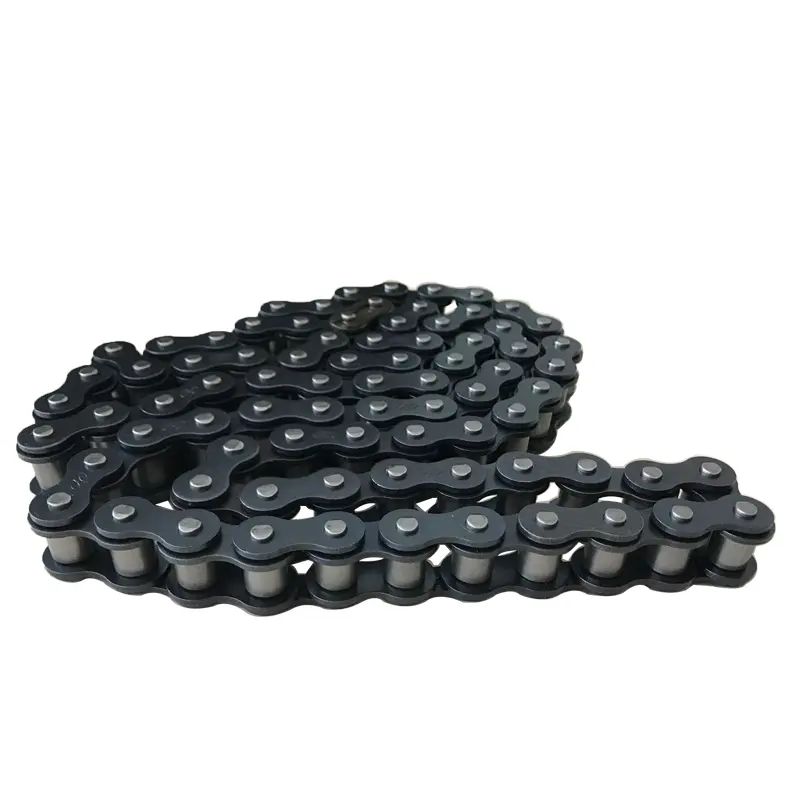
Dönme hızı, tahrik zinciri seçimini nasıl etkiler?
Belirli bir uygulama için bir aktarma zinciri seçerken dönüş hızı önemli bir faktördür. İşte bu sorunun ayrıntılı cevabı:
1. Yorulma ve Aşınma: Dönme hızı, bir aktarma zincirinin yorulma ve aşınma özelliklerini doğrudan etkiler. Daha yüksek dönme hızları, zincirin bileşenlerinde artan döngüsel yüklenmeye ve aşınmaya neden olur. Bu nedenle, beklenen hızı ve ilgili yorulma gerilimlerini kaldırabilecek şekilde tasarlanmış bir zincir seçmek çok önemlidir.
2. Yağlama ve Soğutma: Daha yüksek dönüş hızları, zincir ve dişliler arasındaki sürtünme nedeniyle daha fazla ısı üretir. Sürtünmeyi en aza indirmek, ısı birikimini azaltmak ve zincirin performansını ve ömrünü korumak için yeterli yağlama şarttır. Ayrıca, bazı yüksek hızlı uygulamalar, ısıyı etkili bir şekilde dağıtmak için ek soğutma mekanizmalarına ihtiyaç duyabilir.
3. Santrifüj Kuvvetleri: Dönme hızı arttıkça santrifüj kuvvetleri daha önemli hale gelir. Bu kuvvetler zincirin stabilitesini, gerilimini ve genel performansını etkileyebilir. Yüksek hızlı uygulamalar için tasarlanan zincirler, artan santrifüj kuvvetlerine dayanacak ve çalışma sırasında uygun gerilimi koruyacak şekilde tasarlanmıştır.
4. Dinamik Denge: Yüksek hızlı dönüş, iletim sisteminde dinamik dengesizliklere yol açarak titreşimlere ve sistem verimliliğinin azalmasına neden olabilir. Titreşimleri en aza indirmek ve sorunsuz çalışmayı sağlamak için uygun dinamik denge özelliklerine sahip bir iletim zinciri seçimine özel dikkat gösterilmelidir.
5. Malzeme ve Tasarım: Yüksek hızlı uygulamalar için üretilen zincirler, artan dönme kuvvetlerini karşılamak ve güvenilirliği korumak için genellikle özel malzemeler ve tasarım özellikleri gerektirir. Yüksek mukavemetli alaşımlar, hassas üretim toleransları ve gelişmiş yüzey işlemleri, zincirin yüksek hızlardaki performansını ve dayanıklılığını artırmak için kullanılabilir.
Aktarım zinciri seçerken, üreticinin izin verilen maksimum hızlarla ilgili tavsiyelerini ve özelliklerini dikkate almak çok önemlidir. Seçilen zincirin belirli yüksek hızlı uygulama için uygun olduğundan emin olmak için, uygulamanın çalışma gereksinimleri, beklenen dönüş hızı, yük ve çevresel koşullar gibi faktörlerin tümü göz önünde bulundurulmalıdır.
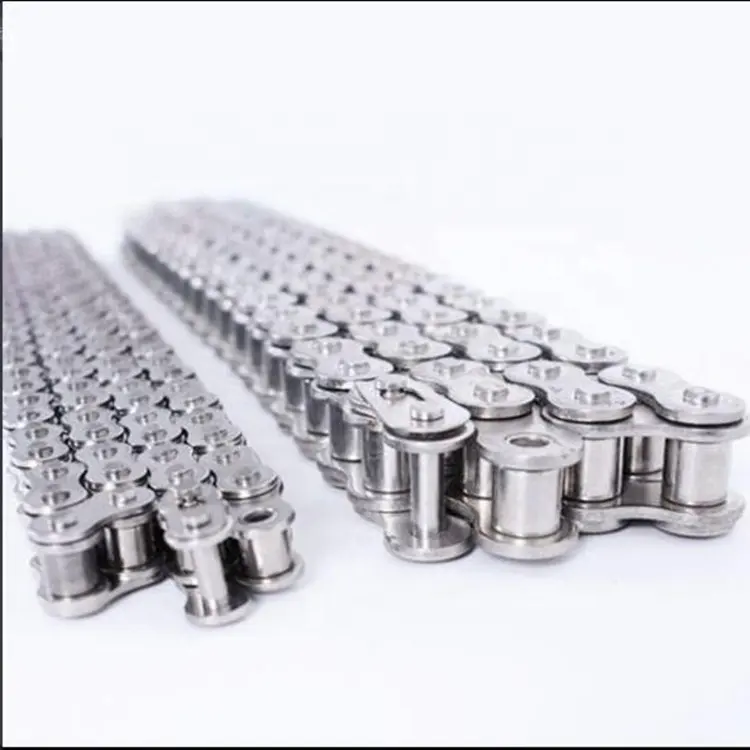
Bir şanzıman zincirinin adım boyutu, performansını nasıl etkiler?
İletim zincirinin hatve boyutu, performansını ve belirli uygulamalar için uygunluğunu belirlemede çok önemli bir rol oynar. Hatve boyutu, genellikle bir pimin merkezinden bir sonraki pimin merkezine kadar ölçülen, bitişik zincir bağlantıları arasındaki mesafeyi ifade eder.
Aktarım zincirinin adım boyutu, performansını aşağıdaki şekillerde etkiler:
- Yük Kapasitesi: Daha büyük hatve boyutuna sahip zincirler genellikle daha yüksek yük kapasitesine sahiptir. Daha büyük hatve boyutu, daha yüksek kuvvetlere dayanabilen ve daha fazla güç iletebilen pimler ve makaralar gibi daha büyük bileşenlere olanak tanır.
- Hız Kapasitesi: Dişli aralığı boyutu, zincirin hız kapasitesini de etkiler. Daha küçük dişli aralığına sahip zincirler, dişlilerle daha yumuşak bir temas sağladıkları ve ataletlerini azalttıkları için genellikle daha yüksek hızlar için tasarlanmıştır.
- Aşınma ve Yorulma Direnci: Daha küçük adım boyutları, yükü daha fazla temas noktasına dağıtarak tek tek bileşenler üzerindeki stresi azaltır. Bu, aşınma direncini artırabilir ve zincirin yorulma ömrünü uzatabilir.
- Kompaktlık ve Alan Sınırlamaları: Alanın sınırlı olduğu uygulamalarda, daha kompakt bir tasarıma olanak sağladıkları için daha küçük adım aralıklı zincirler tercih edilir.
Uygun hatve boyutunun seçimi, beklenen yük, hız ve mevcut alan da dahil olmak üzere belirli uygulama gereksinimlerine bağlıdır. Hafif hizmet makinelerinden ağır hizmet makinelerine kadar geniş bir uygulama yelpazesine uyum sağlamak için farklı hatve boyutları mevcuttur.


CX tarafından 08.01.2024 tarihinde düzenlenmiştir.