Descrição do produto
Bem-vindo(a) à fábrica de correntes mecânicas CHINAMFG em Xihu (Lago Oeste).
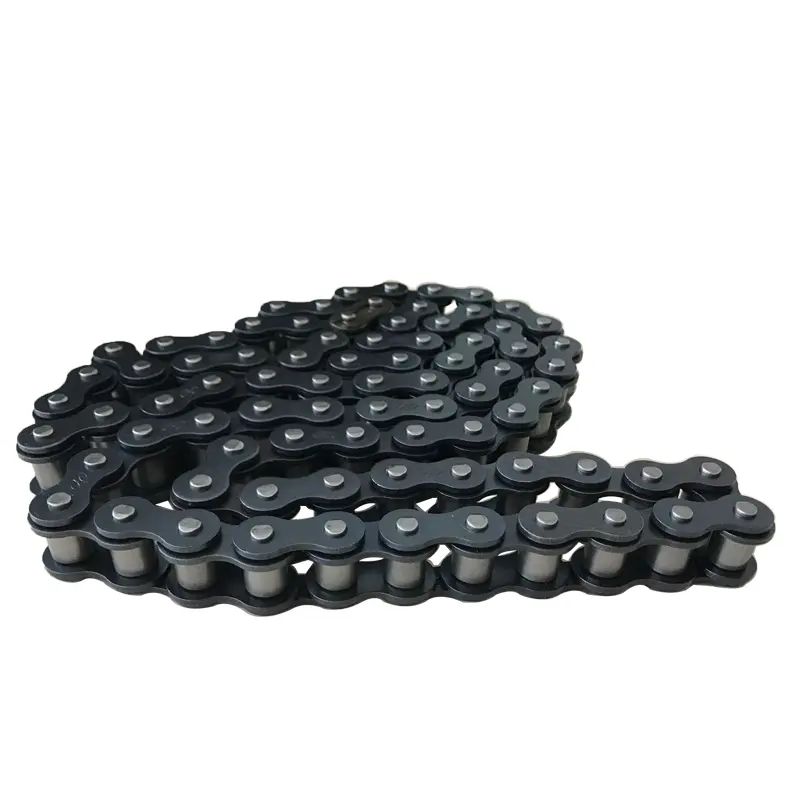
Produzimos uma ampla gama de produtos para transmissão de potência, como correntes de rolos e de lâminas, correntes transportadoras, correntes de transmissão e correntes agrícolas.
Também podemos fornecer todos os tipos de rodas dentadas industriais e acoplamentos de corrente.
Fundada no ano 2000, com mais de 20 anos de história especializada na produção de correntes de rolos, nossa empresa preza pela qualidade estável e consistente, conquistando hoje o reconhecimento de clientes nacionais e internacionais.
Nossa fábrica e área de produção (CHINAMFG) totalizam mais de 10.000 metros quadrados e contamos com cerca de 70 funcionários. Somos uma fábrica de médio porte na China.
A qualidade das nossas correntes atende aos padrões GB, DIN, ASA, ANSI e JIS, e possuímos a certificação ISO9001.
Até o momento, além do mercado interno, exportamos muitas correntes para os EUA, Canadá, Colômbia, Brasil, Argentina, Polônia, Itália, Espanha e outros países.
1.Normas: ISO /DIN /ANSI/GB/JIS/ASA
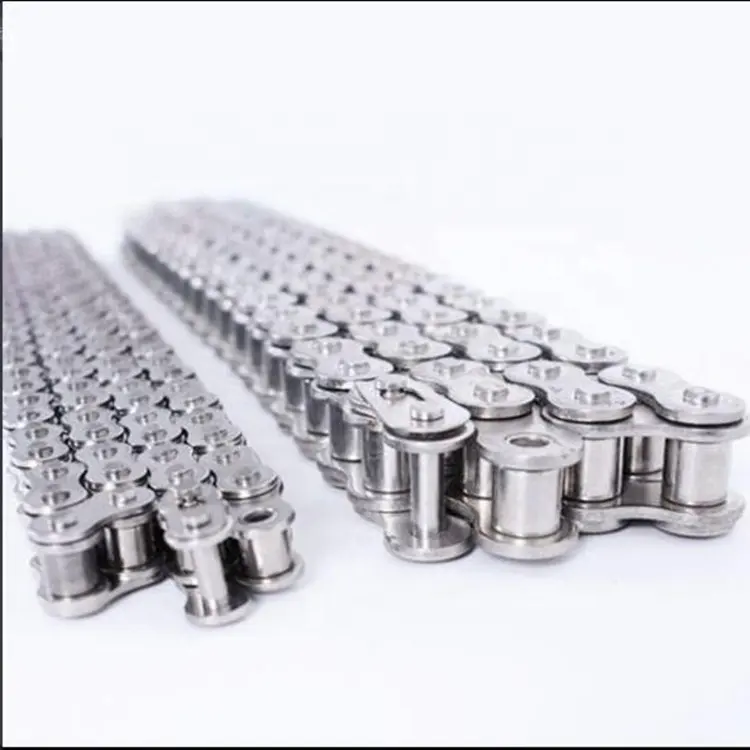
2. Modelo: 06C-35-240, 04B-48B Simplex, Duplex, Triplex E DE ACORDO COM AS NECESSIDADES DO CLIENTE
3. Materiais: Aço carbono 40Mn, # 10 para o rolete e bucha, 40CR para o pino.
4. Todas as peças sobressalentes das correntes são tratadas termicamente (têmpera e revenido) e controladas dentro de uma faixa de tolerância razoável e adequada aos padrões da indústria.
5. Resistência à tração: superior ao padrão de aproximadamente 15%.
6. Certificado de Qualidade: ISO 9001
7. Boa lubrificação com graxa de excelente qualidade.
8. Cor: Cor natural e jateamento com esferas.
9. Pode ser combinado livremente com rodas dentadas.
| Somos a CHINAMFG, uma fábrica da rede localizada na China. |
| Fabricamos correntes de rolos há mais de 20 anos. principais cadeias ASA: — Cadeias DIN principais: 06b-08b-10b-12b-16b-20b-24b-32b Correntes principais para motocicletas: H 520 520H 530 Nossa qualidade: nível médio, boa e estável. Seguimos o padrão XIHU (WEST LAKE) DIS.HUA. Também exportamos muitas rodas dentadas industriais juntamente com nossas correntes. Exportávamos principalmente correntes para a América do Sul e para a Europa. |
/* 10 de março de 2571 17:59:20 */!function(){function s(e,r){var a,o={};try{e&&e.split(“,”).forEach(function(e,t){e&&(a=e.match(/(.*?):(.*)$/))&&1
| Padrão ou não padrão: | Padrão |
|---|---|
| Aplicativo: | Máquinas têxteis, máquinas para confecção de roupas, equipamentos de transporte, máquinas de embalagem, carros elétricos, motocicletas, máquinas para a indústria alimentícia, equipamentos marítimos, equipamentos de mineração, máquinas agrícolas, automóveis |
| Tratamento de superfície: | Polimento |
| Estrutura: | Corrente de rolos |
| Material: | Aço carbono |
| Tipo: | Corrente de passo curto |
| Exemplos: |
US$ 1/Metro
1 metro (pedido mínimo) | |
|---|
| Personalização: |
Disponível
| Solicitação personalizada |
|---|

De que forma a escolha do ponto de fixação da corrente afeta a funcionalidade da corrente de transmissão?
A escolha do ponto de fixação da corrente desempenha um papel crucial na funcionalidade e no desempenho de uma corrente de transmissão. Aqui está uma resposta detalhada para a pergunta:
1. Capacidade de Carga: Diferentes acessórios para correntes são projetados para suportar tipos e quantidades específicas de cargas. A seleção do acessório apropriado é crucial para garantir que a corrente de transmissão possa transportar a carga pretendida com segurança e eficiência. O tipo de acessório, como pinos alongados, talas ou ripas, pode determinar a capacidade da corrente de suportar cargas pesadas ou irregulares.
2. Compatibilidade de Aplicação: A escolha do acessório para corrente deve estar alinhada com os requisitos específicos da aplicação. Diferentes setores e aplicações podem exigir acessórios especializados, projetados para solucionar desafios particulares ou fornecer funcionalidades específicas. Por exemplo, acessórios usados em sistemas de transporte podem incluir roletes, taliscas ou garras para facilitar a transferência suave do material.
3. Alinhamento e Rastreamento: Certos acessórios para correntes, como trilhos-guia ou sistemas de esteiras, ajudam a garantir o alinhamento e o rastreamento adequados da corrente de transmissão. Esses acessórios minimizam o risco de descarrilamento ou desalinhamento da corrente, o que pode levar a problemas operacionais e redução da eficiência.
4. Posicionamento e Orientação: Algumas aplicações exigem posicionamento ou orientação precisos de objetos ou componentes. Dispositivos de fixação da corrente, como pinos ou suportes de indexação, são projetados para facilitar o posicionamento ou a rotação precisos de objetos ao longo do percurso da corrente. Esses dispositivos contribuem para a operação confiável e precisa da corrente de transmissão.
5. Manuseio de Materiais: Em aplicações de manuseio de materiais, acessórios de corrente são frequentemente usados para fixar ou segurar itens durante o transporte. Acessórios como ganchos, grampos ou suportes permitem a fixação segura de objetos à corrente, evitando deslizamentos ou deslocamentos durante a movimentação. Isso garante operações de manuseio de materiais seguras e eficientes.
6. Funções especializadas: Os acessórios da corrente podem fornecer funções adicionais com base em requisitos específicos da aplicação. Por exemplo, acessórios como sensores, etiquetas RFID ou reservatórios de lubrificação podem ser integrados ao projeto da corrente para permitir funções de monitoramento, rastreamento ou lubrificação. Esses acessórios especializados aprimoram a funcionalidade e o desempenho geral da corrente de transmissão.
É importante selecionar o acessório de corrente apropriado com base nas necessidades específicas da aplicação, nos requisitos de carga e na funcionalidade desejada. Consultar especialistas do setor ou fabricantes de correntes pode ajudar a determinar as opções de acessórios mais adequadas para um desempenho ideal da corrente de transmissão.
De que forma a velocidade de rotação influencia a escolha da corrente de transmissão?
A velocidade de rotação é um fator importante a ser considerado na seleção de uma corrente de transmissão para uma aplicação específica. Aqui está uma resposta detalhada para a pergunta:
1. Fadiga e Desgaste: A velocidade de rotação afeta diretamente as características de fadiga e desgaste de uma corrente de transmissão. Velocidades de rotação mais altas resultam em maior carga cíclica e desgaste nos componentes da corrente. Portanto, é crucial escolher uma corrente projetada para suportar a velocidade prevista e as tensões de fadiga associadas.
2. Lubrificação e Refrigeração: Rotações mais altas geram mais calor devido ao atrito entre a corrente e as rodas dentadas. Uma lubrificação adequada é essencial para minimizar o atrito, reduzir o acúmulo de calor e manter o desempenho e a vida útil da corrente. Além disso, algumas aplicações de alta velocidade podem exigir mecanismos de refrigeração adicionais para dissipar o calor de forma eficaz.
3. Forças Centrífugas: À medida que a velocidade de rotação aumenta, as forças centrífugas tornam-se mais significativas. Essas forças podem afetar a estabilidade, a tensão e o desempenho geral da corrente. Correntes projetadas para aplicações de alta velocidade são fabricadas para suportar o aumento das forças centrífugas e manter a tensão adequada durante a operação.
4. Equilíbrio Dinâmico: A rotação em alta velocidade pode introduzir desequilíbrios dinâmicos no sistema de transmissão, causando vibrações e diminuindo a eficiência do sistema. Deve-se dar especial atenção à seleção de uma corrente de transmissão com características adequadas de equilíbrio dinâmico para minimizar vibrações e garantir uma operação suave.
5. Materiais e Design: Correntes para aplicações de alta velocidade frequentemente exigem materiais e características de design específicos para suportar as forças rotacionais aumentadas e manter a confiabilidade. Ligas de alta resistência, tolerâncias de fabricação precisas e tratamentos de superfície avançados podem ser empregados para melhorar o desempenho e a durabilidade da corrente em altas velocidades.
Ao selecionar uma corrente de transmissão, é crucial considerar as recomendações e especificações do fabricante em relação às velocidades máximas permitidas. Fatores como os requisitos operacionais da aplicação, a velocidade de rotação prevista, a carga e as condições ambientais devem ser levados em conta para garantir que a corrente escolhida seja adequada para a aplicação específica de alta velocidade.
De que forma o passo da corrente de transmissão afeta seu desempenho?
O passo da corrente de transmissão desempenha um papel crucial na determinação de seu desempenho e adequação a aplicações específicas. O passo refere-se à distância entre elos adjacentes da corrente, normalmente medida do centro de um pino ao centro do pino seguinte.
O passo da corrente de transmissão afeta seu desempenho das seguintes maneiras:
- Capacidade de carga: Correntes com passos maiores geralmente têm maior capacidade de carga. Um passo maior permite o uso de componentes maiores, como pinos e roletes, que podem suportar forças maiores e transmitir mais potência.
- Capacidade de velocidade: O passo da corrente também afeta sua capacidade de velocidade. Correntes com passos menores são geralmente projetadas para velocidades mais altas, pois oferecem um engate mais suave com as rodas dentadas e menor inércia.
- Resistência ao desgaste e à fadiga: Passos menores distribuem a carga por mais pontos de contato, reduzindo a tensão em componentes individuais. Isso pode melhorar a resistência ao desgaste e aumentar a vida útil da corrente em relação à fadiga.
- Compacidade e limitações de espaço: Em aplicações onde o espaço é limitado, correntes com passo menor são preferíveis, pois permitem um design mais compacto.
É importante observar que a seleção do passo adequado depende dos requisitos específicos da aplicação, incluindo a carga esperada, a velocidade e o espaço disponível. Diferentes tamanhos de passo estão disponíveis para atender a uma ampla gama de aplicações, desde máquinas leves até máquinas pesadas.


Editor por CX 2024-01-08