Productbeschrijving
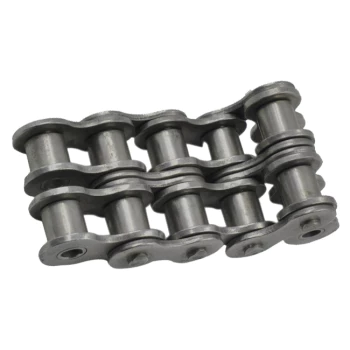
| 1) Type | rollenketting |
| 2) Materialen | Staal van klasse A |
| 3) Kettingnr. | 428 |
| 4) Garantie | 30.000 km |
| 5) Proces | Zandstralen, warmtebehandeling, Botsing met hoge snelheid, Vierzijdig geklonken, Voorbereidende rek- en strekoefeningen en hardlopen, Smeer met vet. |
| 6) Minimale bestelhoeveelheid (MOQ) | 500 stuks |
| 7) Leveringscapaciteit | 100.000 meter per jaar |
| 8) Treksterkte/Hardheid | standaard of hoger |
| 9) Levertijd | binnen 30 dagen na ontvangst van uw 30%-stortingen |
| 10) Betalingsvoorwaarden | 30%deposit and balanced by L/C,T/T |
| 11) Verpakking | De kettingen worden verpakt in plastic zakken en gekleurde dozen, maar kunnen ook volgens uw wensen worden verpakt. |
Onze diensten
Voorverkoop:
1. OEM- en ODM-service
2. Wij zullen al uw vragen binnen 24 uur beantwoorden.
3. Volledige productinformatie wordt aangeboden.
4. Indien gewenst sturen wij u een gratis proefmonster.
5. Alle overige redelijke vereisten zoals gevraagd
Tijdens de productie leveren wij:
1. Productieplanning
2. Er zal een afbeelding van de massaproductie worden aangeboden.
3. Alle overige redelijke vereisten zoals gevraagd
Voltooi de productie:
1. Volgnummer van de koerier
2. Documenten die u nodig heeft
3. Bescherming van uw verkoopgebied, ontwerpideeën en al uw persoonlijke gegevens.
Veelgestelde vragen:
Vraag 1: Inspecteert u de afgewerkte producten?
A: Ja, elke productiestap en de afgewerkte producten worden vóór verzending gecontroleerd door de kwaliteitscontrole.
Vraag 2: Wat is de garantie op uw producten?
A: Normaal gesproken geven we één jaar garantie na de leveringsdatum, maar dit is afhankelijk van het specifieke product.
Vraag 3: Bent u een fabrikant of een handelsonderneming?
A: Dat zijn we allebei. We zijn al bijna 20 jaar actief in de motoronderdelenbranche.
Vraag 4: Hoe kan ik de fabriek bezoeken?
A: Laat een bericht achter, dan halen we je gratis met de auto op.
Vraag 5: Kunt u een logo op maat op de ketting aanbrengen?
A: Ja, we kunnen logo's op maat maken door middel van gieten. We hebben uw toestemmingsbrief nodig.
| Type: | Ketting |
|---|---|
| Materiaal: | Staal |
| Certificering: | ISO9001: 2001 |
| Aantal rijen: | Enkele rij |
| Oppervlaktebehandeling: | Zandstralen, oliën |
| Transportpakket: | Plastic zak + kleurendoos + kartonnen doos |
| Voorbeelden: |
US$ 0/stuk
1 stuk (minimale bestelling) | |
|---|
| Aanpassing: |
Beschikbaar
| Aanvraag op maat |
|---|
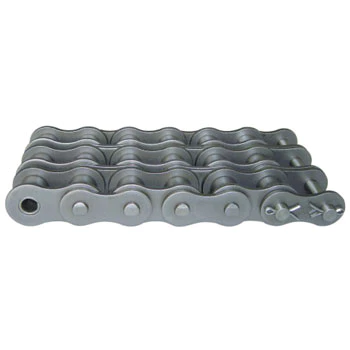
Kan een aandrijfketting worden gebruikt in chemische of petrochemische processen?
Ja, een aandrijfketting kan worden gebruikt in chemische of petrochemische processen waar betrouwbare krachtoverbrenging vereist is. Hier volgt een gedetailleerde uitleg:
De chemische en petrochemische industrie omvat het hanteren, mengen en verwerken van diverse stoffen, waaronder corrosieve chemicaliën, oplosmiddelen en koolwaterstoffen. Aandrijfkettingen bieden verschillende voordelen in deze toepassingen:
- Corrosiebestendigheid: Aandrijfkettingen kunnen worden geselecteerd of speciaal ontworpen met materialen die corrosiebestendigheid bieden. Roestvrij staal, hoogwaardige legeringen of coatings kunnen op de kettingcomponenten worden aangebracht om de corrosieve effecten van chemicaliën te weerstaan en de integriteit en prestaties van de ketting te behouden.
- Hoog draagvermogen: Chemische en petrochemische processen omvatten vaak zware werkzaamheden en het verplaatsen van grote lasten. Aandrijfkettingen zijn ontworpen om hoge belastingen aan te kunnen, een betrouwbare krachtoverbrenging te bieden en de veeleisende omstandigheden van deze toepassingen te weerstaan.
- Nauwkeurige controle: Aandrijfkettingen zorgen voor nauwkeurige controle over de beweging van apparatuur en processen in chemische en petrochemische fabrieken. Het in elkaar grijpende ontwerp van de ketting en tandwielen maakt nauwkeurige positionering, snelheidsregeling en synchronisatie van diverse componenten en machines mogelijk.
- Breed bedrijfstemperatuurbereik: Aandrijfkettingen kunnen zo worden ontworpen dat ze in een breed temperatuurbereik functioneren, waardoor ze bestand zijn tegen de temperatuurschommelingen die voorkomen in chemische en petrochemische processen. Materialen of smeermiddelen die bestand zijn tegen hoge temperaturen kunnen worden gebruikt om optimale prestaties onder extreme omstandigheden te garanderen.
- Bestand tegen extreme omstandigheden: Chemische en petrochemische verwerkingsomgevingen kunnen blootstelling aan extreme temperaturen, vochtigheid, stof en andere zware omstandigheden met zich meebrengen. Aandrijfkettingen zijn ontworpen om deze omstandigheden te weerstaan, met eigenschappen zoals afdichtingen, speciale coatings of materialen die bescherming bieden tegen verontreinigingen en een betrouwbare werking garanderen.
- Lange levensduur: Aandrijfkettingen kunnen, mits correct geselecteerd, geïnstalleerd en onderhouden, een lange levensduur bieden in chemische en petrochemische verwerkingsprocessen. Regelmatige inspectie, smering en spanningsafstelling dragen bij aan optimale prestaties van de ketting en minimaliseren stilstand als gevolg van kettingbreuk.
Bij de keuze van een aandrijfketting voor chemische of petrochemische verwerkingsprocessen moet rekening worden gehouden met factoren zoals corrosiebestendigheid, draagvermogen, temperatuurbereik, snelheidseisen en compatibiliteit met industriële regelgeving.
Het is belangrijk om de juiste onderhoudsprocedures toe te passen, waaronder regelmatige inspectie, smering en spanningsafstelling, om optimale prestaties en een lange levensduur van de aandrijfketting in chemische en petrochemische verwerkingsprocessen te garanderen.
Door aandrijfkettingen te gebruiken in chemische en petrochemische processen, profiteren operators van corrosiebestendigheid, een hoog draagvermogen, nauwkeurige controle, een breed temperatuurbereik, weerstand tegen zware omstandigheden, een lange levensduur en betrouwbare krachtoverbrenging, wat bijdraagt aan efficiënte en veilige procesvoering.
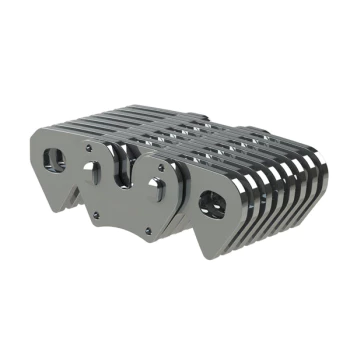
Wat zijn de voordelen van het gebruik van een corrosiebestendige aandrijfketting?
Het gebruik van een corrosiebestendige aandrijfketting biedt diverse voordelen ten opzichte van standaardkettingen bij gebruik in corrosieve omgevingen. Hieronder volgt een gedetailleerde uitleg:
Corrosiebestendige aandrijfkettingen zijn speciaal ontworpen en geconstrueerd om de effecten van corrosie te weerstaan, die kan ontstaan door blootstelling aan vocht, chemicaliën, zout water of andere corrosieve stoffen. De voordelen van het gebruik van dergelijke kettingen zijn onder andere:
- Verbeterde duurzaamheid: Corrosiebestendige aandrijfkettingen worden gemaakt van materialen met een superieure corrosiebestendigheid, zoals roestvrij staal of speciale coatings. Deze materialen beschermen de ketting tegen roest, oxidatie en andere vormen van corrosie, waardoor de duurzaamheid wordt gewaarborgd en de levensduur wordt verlengd.
- Betrouwbare prestaties: In corrosieve omgevingen kunnen standaardkettingen snel verslechteren, wat leidt tot verminderde prestaties, kettingverlenging of zelfs kettingbreuk. Corrosiebestendige kettingen daarentegen behouden hun structurele integriteit, waardoor betrouwbare krachtoverbrenging en constante prestaties mogelijk zijn, zelfs onder zware omstandigheden.
- Minder uitvaltijd en lagere onderhoudskosten: Het gebruik van corrosiebestendige kettingen kan de stilstandtijd en onderhoudskosten die gepaard gaan met het vervangen of repareren van kettingen verminderen. Deze kettingen zijn minder gevoelig voor corrosieschade, waardoor minder onderhoud nodig is en de kettingen minder vaak voortijdig vervangen hoeven te worden.
- Verbeterde veiligheid: Corrosiebestendige kettingen bieden meer veiligheid in omgevingen waar standaardkettingen door corrosie zouden kunnen bezwijken. Het risico op kettingbreuk, plotselinge breuk of ongelukken veroorzaakt door kettingproblemen wordt geminimaliseerd, wat een veiligere werking voor zowel personeel als materieel garandeert.
- Compatibiliteit met corrosieve omgevingen: Corrosiebestendige kettingen zijn ontworpen om bestand te zijn tegen blootstelling aan diverse corrosieve stoffen en omgevingen, waaronder maritieme, chemische of industriële omgevingen. Ze zijn ontwikkeld om de schadelijke effecten van vocht, chemicaliën, zuren of zout water te weerstaan, waardoor ze geschikt zijn voor toepassingen waar standaardkettingen snel zouden bezwijken.
- Toepassingsveelzijdigheid: Corrosiebestendige kettingen kunnen worden gebruikt in een breed scala aan industrieën en toepassingen die corrosiebestendigheid vereisen. Denk hierbij aan maritieme apparatuur, voedselverwerkingsmachines, chemische fabrieken, afvalwaterzuiveringsinstallaties of buitenapparatuur die aan de elementen is blootgesteld.
Het is belangrijk om te benadrukken dat hoewel corrosiebestendige kettingen superieure bescherming bieden tegen corrosie, regelmatige inspectie en onderhoud nog steeds noodzakelijk zijn om optimale prestaties te garanderen. Regelmatige reiniging, smering en controle op tekenen van corrosie of beschadiging zijn essentieel om de levensduur en prestaties van de ketting te maximaliseren.
Door gebruik te maken van corrosiebestendige aandrijfkettingen profiteren gebruikers van een langere levensduur, betrouwbare prestaties, lagere onderhoudskosten, verbeterde veiligheid en de mogelijkheid om in corrosieve omgevingen te werken zonder de integriteit van de ketting aan te tasten.
Wat is het verschil tussen een aandrijfketting en een distributieriem?
Een aandrijfketting en een distributieriem zijn beide onderdelen die gebruikt worden bij krachtoverbrenging, maar ze verschillen in constructie, werking en toepassing. Hieronder volgen de belangrijkste verschillen tussen een aandrijfketting en een distributieriem:
- Bouw: Een aandrijfketting bestaat uit onderling verbonden schakels of rollen, meestal van staal, die een flexibel mechanisme vormen. Een distributieriem daarentegen is een getande riem van versterkt rubber met tanden aan de binnenzijde.
- Krachtoverbrenging: Aandrijfkettingen worden veel gebruikt voor het overbrengen van vermogen in toepassingen waar flexibiliteit en een hoog draagvermogen vereist zijn, zoals in voertuigen, machines en industriële apparatuur. Distributieriemen daarentegen worden voornamelijk gebruikt voor de nauwkeurige synchronisatie van motoronderdelen, zoals nokkenassen en krukassen, in verbrandingsmotoren.
- Beweging en werking: Aandrijfkettingen brengen vermogen over door middel van rotatiebeweging. De aangrijping van de kettingschakels in de tandwielen maakt de overdracht van rotatiekracht mogelijk. Distributieriemen daarentegen vertrouwen op de vertanding van de tanden op de riem in groeven of oprolschijven om een nauwkeurige timing en synchronisatie van de interne componenten van de motor te garanderen.
- Onderhoud en spanning: Aandrijfkettingen vereisen periodieke smering en spanningsafstelling om een goede werking te garanderen en slijtage te minimaliseren. Distributieriemen daarentegen zijn doorgaans onderhoudsvrij en vereisen geen smering of frequente spanningsafstelling.
- Geluid en trillingen: Aandrijfkettingen, met name rollenkettingen, kunnen tijdens gebruik meer lawaai en trillingen produceren dan distributieriemen, die ontworpen zijn om met minder lawaai en trillingen te werken.
- Vervanging: Bij beschadiging of slijtage kunnen aandrijfkettingen gerepareerd worden door afzonderlijke schakels of secties te vervangen. Distributieriemen daarentegen moeten meestal volledig vervangen worden, omdat ze niet gemakkelijk te repareren zijn.
Uiteindelijk hangt de keuze tussen een aandrijfketting en een distributieriem af van de specifieke toepassingseisen, zoals de behoefte aan krachtoverbrenging, nauwkeurige timing, draagvermogen, onderhoudsvoorkeuren en bedrijfsomstandigheden.


Bewerkt door CX 22-08-2023