Build the inspection around failure mechanisms
The practical route is to move from machine duty to geometry, then to dynamic effects and service conditions, and only then approve a purchase or maintenance action. A shiny oily chain can still be poorly lubricated. Wear that increases chain pitch occurs mainly inside the articulating joints, so effective maintenance is defined by penetration and film condition, not by how wet the outside plates look.
Use the transmission chain product range as a map of available chain families only after you have captured pin-bushing interface and roller-bushing interface. For this topic, the first release condition is specific: confirm a clean lubricant film exists on the articulating surfaces rather than only on external steel. That sequence keeps catalog browsing from turning into a pitch-only or appearance-only substitution.
- Pin-Bushing Interface
- この要件は、別のエンジニアが同じ選択または診断を再現できるように、十分な背景情報とともに記録してください。
- Roller-Bushing Interface
- 意思決定を進める前に、図面、測定値、計算結果、または操作記録からこの情報を取得してください。
- Relubrication
- これを制御変数として扱い、ジョブレコードにその値、単位、動作状態、および発生源を記録してください。
- Oil Penetration
- 外観から推測するのではなく、物理的なドライブと最新のサプライヤーデータに基づいてこの項目を確認してください。
- Fretting Corrosion
- このパラメータを使用すると、不適切なオプションを早期に除外し、検証済みの値を最終仕様に保持できます。
Target the gap between inner and outer plates
A reliable result starts when you apply lubricant along the plate edges where capillary action and articulation can draw oil toward the pin-bushing interface. The underlying reason is the load-carrying joint is inside the chain and is shielded by the plates. In service, spraying the broad plate face is visually satisfying but may never reach the rubbing surfaces. An incorrect input may create dry pins and bushings generate wear debris, heat, and elongation while the outside remains oily.
Use the following field evidence: observe where the oil enters the joint and inspect a connecting link or accessible pin surface after circulation. Accept the result only if you can confirm a clean lubricant film exists on the articulating surfaces rather than only on external steel. If the check is visual, add a dimension or operating observation whenever practical.
Lubricate the roller-bushing contact where applicable
Establish the condition by choosing to direct some lubricant to the roller-to-bushing region so the roller can rotate during sprocket engagement. It affects the drive because a free roller reduces sliding as it enters and leaves the tooth pocket. A useful constraint is that contamination or corrosion can freeze the roller even when the pin joint remains mobile. Getting it wrong can produce a seized roller skids on the sprocket and can develop flats or tooth wear.
Confirm the condition this way: rotate several rollers by hand after safe isolation and look for smooth movement and clean surfaces. The step passes when you can restore lubrication or replace damaged rollers when they cannot rotate normally. Keep the evidence beside the chain designation and machine location in the maintenance record.
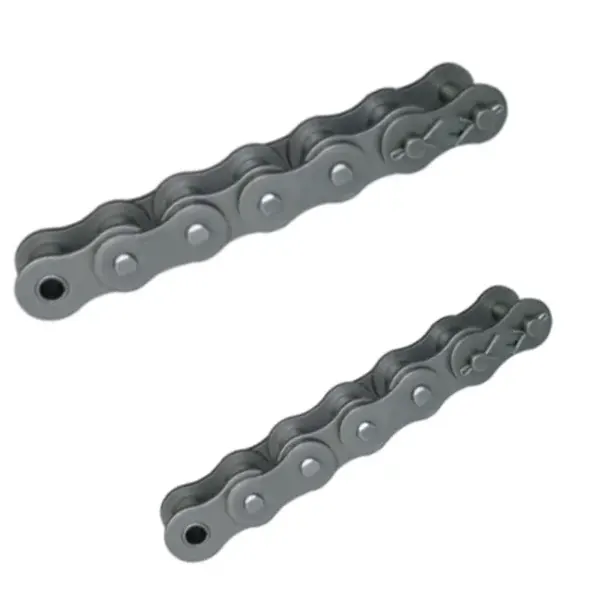
Use a lubricant that penetrates at operating temperature
Begin with the physical requirement: select viscosity and formulation from the chain or lubricant supplier guidance for speed, temperature, load, and environment. It is connected to oil must be mobile enough to enter small clearances while maintaining a separating film under load. At site level, very heavy oil or grease can stay outside the joint and collect abrasive dirt. The avoidable outcome is using an unsuitable product can increase drag without controlling internal wear.
Inspect as follows: note operating temperature and observe whether the lubricant flows into the joint or remains on the surface. Release the step after you can adjust viscosity or application method when penetration is poor or oil is being thrown off too quickly. Repeat the check after adjustment whenever the adjustment itself can change the measured condition.
Clean strategically before relubrication
Remove loose abrasive material and degraded deposits without stripping the chain in a way that leaves joints unprotected. Why it matters: new oil cannot work effectively if the joint entrance is blocked by hardened dirt or abrasive paste. Field nuance: aggressive solvent washing can also remove residual internal lubricant and create corrosion risk if the chain is not relubricated immediately. Failure mode: oiling over contamination can carry particles deeper into the joint.
Inspection: use a cleaning method compatible with the chain material, seals if present, and process environment, then dry as required. Release condition: relubricate promptly and verify the joint is clean enough for oil penetration. Record the operating state and the reference points used for this check.
Control quantity and frequency from condition
Start by use small, effective applications at intervals suited to duty rather than occasional flooding that mostly runs off. The mechanism is the joint consumes and loses lubricant continuously through articulation, contamination, heat, and centrifugal effects. In practice, operating conditions change the needed interval, so one calendar schedule does not fit every machine. If the assumption is wrong, too little oil increases wear while too much can attract dirt, contaminate product, or leak onto floors.
Field check: trend chain condition, oil film, elongation, noise, and operating hours or cycles. Accept the step when you can adjust the maintenance interval based on evidence and supplier limits rather than appearance alone. Save the measured or observed condition so the result can be repeated later.
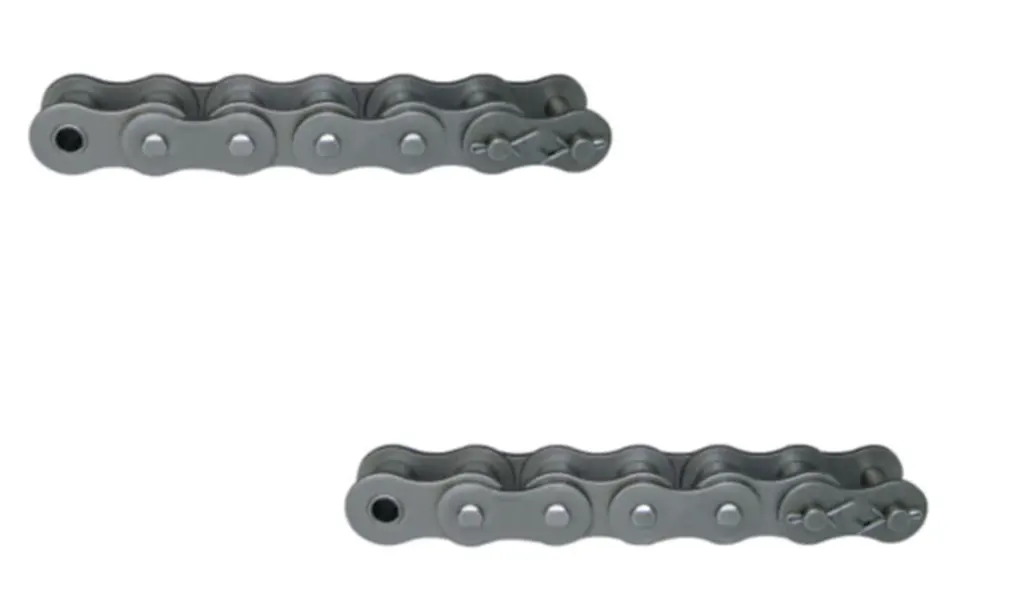
Verify success inside the chain
Use inspect pins, bushings, roller freedom, fretting color, elongation trend, and sprocket contact after the lubrication change. This controls the decision because the goal is lower internal friction and wear, not higher lubricant consumption. On the machine, persistent reddish debris, stiff joints, or rising wear rate means the lubrication strategy is still failing. The practical risk is continuing to add the same oil at the same point cannot correct a delivery problem.
Confirm it by doing this: open or inspect a representative joint during planned maintenance and compare condition with previous records. The evidence is sufficient when you can change nozzle position, lubricant, guarding, or interval until internal evidence shows stable lubrication. Note the tool, location, and operating condition with the result.
Maintenance decision table
| 意思決定ポイント | 検査または計算 | 受諾の証拠 |
|---|---|---|
| Target the gap between inner and outer plates | observe where the oil enters the joint and inspect a connecting link or accessible pin surface after circulation | confirm a clean lubricant film exists on the articulating surfaces rather than only on external steel |
| Lubricate the roller-bushing contact where applicable | rotate several rollers by hand after safe isolation and look for smooth movement and clean surfaces | restore lubrication or replace damaged rollers when they cannot rotate normally |
| Use a lubricant that penetrates at operating temperature | note operating temperature and observe whether the lubricant flows into the joint or remains on the surface | adjust viscosity or application method when penetration is poor or oil is being thrown off too quickly |
| Clean strategically before relubrication | use a cleaning method compatible with the chain material, seals if present, and process environment, then dry as required | relubricate promptly and verify the joint is clean enough for oil penetration |
| Control quantity and frequency from condition | trend chain condition, oil film, elongation, noise, and operating hours or cycles | adjust the maintenance interval based on evidence and supplier limits rather than appearance alone |
| Verify success inside the chain | open or inspect a representative joint during planned maintenance and compare condition with previous records | change nozzle position, lubricant, guarding, or interval until internal evidence shows stable lubrication |
| For this article, do not close the job until the pin-bushing interface evidence and every critical mating interface are recorded together. | ||
The neighboring component matters because chain behavior depends on the complete drive. review nearby chain-drive maintenance hardware provides additional product context for roller-chain lubrication and oil penetration; use it to frame questions, then confirm dimensions and ratings from the exact component drawing used on the machine.
Maintenance shortcuts that accelerate wear
Release check: confirm a clean lubricant film exists on the articulating surfaces rather than only on external steel.
Release check: restore lubrication or replace damaged rollers when they cannot rotate normally.
Release check: adjust viscosity or application method when penetration is poor or oil is being thrown off too quickly.
Release check: relubricate promptly and verify the joint is clean enough for oil penetration.
Maintenance FAQs
Record condition so the next inspection has a baseline
Close this maintenance task with a traceable record of pin-bushing interface, roller-bushing interface, and the inspection result for “Verify success inside the chain.” The release note should state the operating condition used for the check and identify the drawing, rating table, or machine document that set any model-specific limit. The chain-and-sprocket drive options can provide broader chain-drive context when a neighboring component also needs review.
If roller-chain lubrication and oil penetration still contains an unresolved variable, send the application data to the chain engineering team with the operating state, the relevant measurements, photographs of the chain and sprockets, and the unknown item clearly marked. For this topic, pay particular attention to relubrication. Resolving that gap before purchase or restart is usually cheaper than diagnosing a second problem created by an assumed value.
Send the operating condition, pin-bushing interface, roller-bushing interface, layout evidence, and the unresolved interface so the next decision is based on machine data rather than assumption.