Set up a defensible measurement
The quickest way to make this decision reliable is to define the operating condition first and postpone the chain number until the interfaces are known. Roller chain does not normally become longer because the link plates stretch elastically and stay stretched. Service elongation is mainly the accumulated clearance created by wear at many pin-bushing joints, so it should be measured over several pitches.
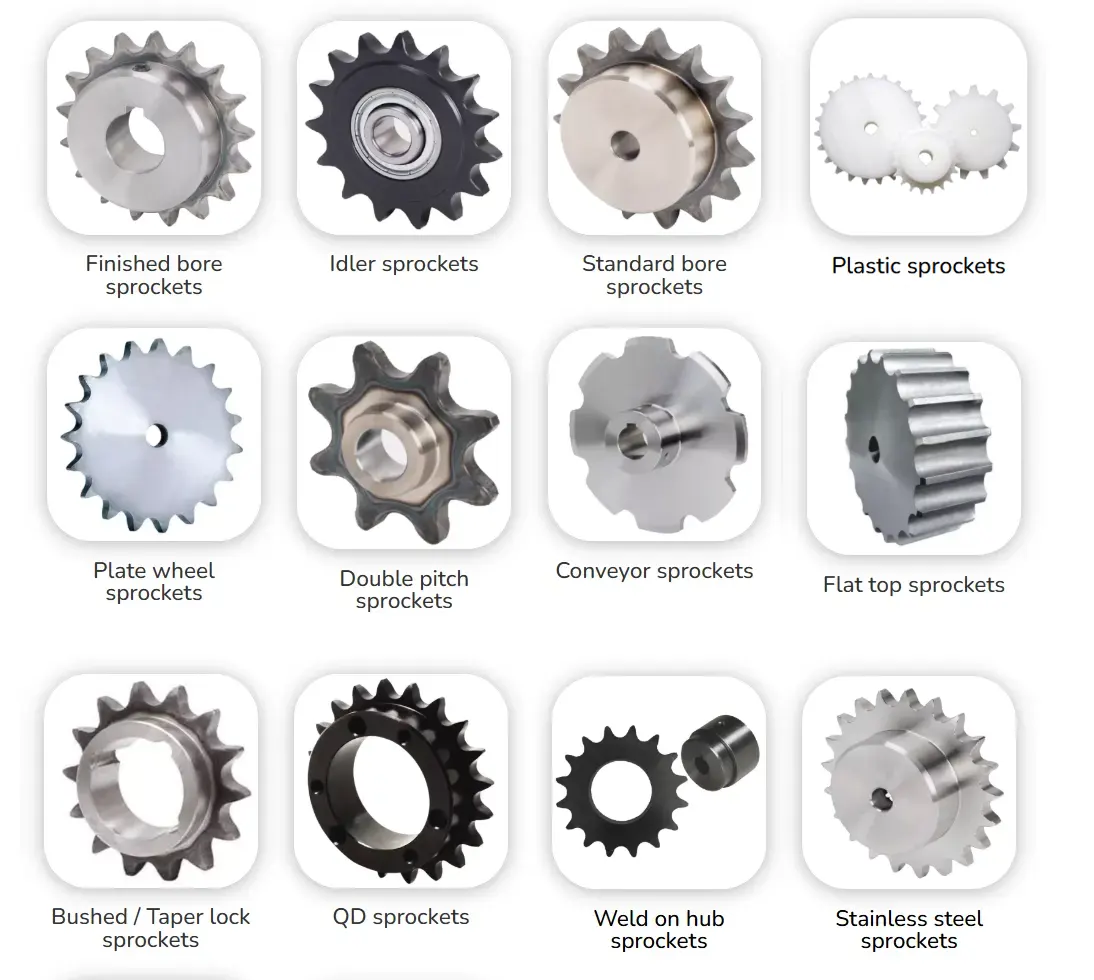
Use the transmission chain product range as a map of available chain families only after you have captured wear elongation and measured length. For this topic, the first release condition is specific: use the same measurement zone or method during future inspections for comparability. That sequence keeps catalog browsing from turning into a pitch-only or appearance-only substitution.
- Wear Elongation
- 意思決定を進める前に、図面、測定値、計算結果、または操作記録からこの情報を取得してください。
- Measured Length
- これを制御変数として扱い、ジョブレコードにその値、単位、動作状態、および発生源を記録してください。
- Standard Length
- 外観から推測するのではなく、物理的なドライブと最新のサプライヤーデータに基づいてこの項目を確認してください。
- Pin-Bushing Wear
- このパラメータを使用すると、不適切なオプションを早期に除外し、検証済みの値を最終仕様に保持できます。
- Replacement Criterion
- 機械のこの箇所を確認し、サプライヤーの図面やマニュアルが必要な不明点があれば記録してください。
Choose a representative straight measurement span
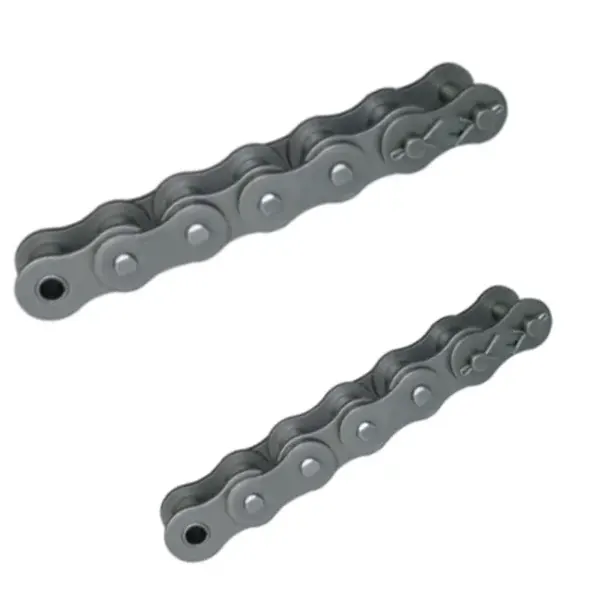
First, select a clean accessible section of chain away from the connecting link when possible and lightly tension it to remove free joint clearance. That step is tied to wear is distributed through the articulating joints and a slack wavy span cannot provide repeatable length data. A practical observation is that localized stiff or damaged links should also be noted because an average can hide them. Missing it can lead to measuring a loose chain can exaggerate scatter and make trend data unreliable.
For evidence, rotate the chain to several positions if access allows and choose a straight span with no sprocket wrap. Finish when you can use the same measurement zone or method during future inspections for comparability. Retain enough context to distinguish a new-chain dimension from a wear-affected measurement.
Measure several pitches instead of one
Treat measure over enough links to reduce caliper placement error and the effect of one unusually worn joint as the control point. The reason is multi-pitch measurement averages small local variations and magnifies the total wear change relative to tool resolution. Real installations also show that manufacturer guides commonly recommend measuring a group of links rather than a single pitch. The likely consequence of error is single-pitch readings can appear normal even when cumulative wear affects sprocket engagement.
Make the check at the machine: count a defined number of pitches and mark the two reference rollers or pins at the span ends. The release criterion is to record both the pitch count and the exact reference points with the measured value. Record whether the drive was stopped, loaded, warm, cold, clean, or contaminated as relevant.
Use repeatable roller reference geometry
Do not choose the hardware until you when following a roller-based method, measure the inside distance and outside distance between the end rollers and average them to obtain center-to-center span length. This matters because averaging inside and outside roller measurements reduces the need to locate invisible roller centers directly. Remember that roller wear, dirt, and caliper angle can still introduce error, so repeat readings matter. If ignored, holding the caliper diagonally or against damaged roller flats can bias the length.
Validate with a repeatable observation: clean the rollers, keep the tool parallel with the chain centerline, and repeat the inside and outside readings. Move on after you can confirm repeated calculations agree within the precision needed to distinguish service wear. Preserve the source of any numerical limit that belongs to a specific chain series.
Calculate percent elongation from nominal pitch length
A reliable result starts when you subtract the standard length from the measured length, divide by the standard length, and multiply by one hundred. The underlying reason is the standard length is chain pitch multiplied by the number of measured pitches. In service, using the original installed total length is less useful because take-up and link-count changes can confuse the baseline. An incorrect input may create mixing link count and pitch count creates a systematic percentage error.
Use the following field evidence: write nominal pitch, number of pitches, standard length, measured length, and computed percentage in one inspection record. Accept the result only if you can recalculate the percentage independently before making a replacement decision. If the check is visual, add a dimension or operating observation whenever practical.
Use the correct replacement limit for the drive
Establish the condition by choosing to compare measured elongation with the current chain or machine manufacturer criterion, considering sprocket tooth count and application. It affects the drive because acceptable wear is not one universal percentage for every transmission or conveyor chain. A useful constraint is that smaller sprockets can lose proper engagement at lower elongation than large sprockets and specialty chains may use different limits. Getting it wrong can produce applying an overly generous generic limit can let the chain ride high and damage sprocket teeth.
Confirm the condition this way: identify the exact chain series, sprocket tooth counts, and supplier wear limit used for the decision. The step passes when you can replace when the applicable criterion is reached or earlier if damage, stiffness, or unsafe condition requires it. Keep the evidence beside the chain designation and machine location in the maintenance record.
Trend elongation instead of waiting for one limit reading
Begin with the physical requirement: plot wear percentage against operating time, production cycles, or inspection date and note lubrication or process changes. It is connected to wear rate often accelerates after lubrication loss, contamination, misalignment, or sprocket damage. At site level, trend data can reveal a maintenance problem before the absolute replacement limit is reached. The avoidable outcome is a single measurement gives condition but not the speed at which condition is deteriorating.
Inspect as follows: repeat the same multi-pitch method and record operating context at each inspection. Release the step after you can investigate any step-change in wear rate and schedule replacement before predictable loss of engagement. Repeat the check after adjustment whenever the adjustment itself can change the measured condition.
Measurement record and cross-checks
| 意思決定ポイント | 検査または計算 | 受諾の証拠 |
|---|---|---|
| Choose a representative straight measurement span | rotate the chain to several positions if access allows and choose a straight span with no sprocket wrap | use the same measurement zone or method during future inspections for comparability |
| Measure several pitches instead of one | count a defined number of pitches and mark the two reference rollers or pins at the span ends | record both the pitch count and the exact reference points with the measured value |
| Use repeatable roller reference geometry | clean the rollers, keep the tool parallel with the chain centerline, and repeat the inside and outside readings | confirm repeated calculations agree within the precision needed to distinguish service wear |
| Calculate percent elongation from nominal pitch length | write nominal pitch, number of pitches, standard length, measured length, and computed percentage in one inspection record | recalculate the percentage independently before making a replacement decision |
| Use the correct replacement limit for the drive | identify the exact chain series, sprocket tooth counts, and supplier wear limit used for the decision | replace when the applicable criterion is reached or earlier if damage, stiffness, or unsafe condition requires it |
| Trend elongation instead of waiting for one limit reading | repeat the same multi-pitch method and record operating context at each inspection | investigate any step-change in wear rate and schedule replacement before predictable loss of engagement |
| For this article, do not close the job until the wear elongation evidence and every critical mating interface are recorded together. | ||
The neighboring component matters because chain behavior depends on the complete drive. review roller-chain dimensional context provides additional product context for roller-chain elongation measurement; use it to frame questions, then confirm dimensions and ratings from the exact component drawing used on the machine.
Measurement errors that cause wrong replacements
Release check: use the same measurement zone or method during future inspections for comparability.
Release check: record both the pitch count and the exact reference points with the measured value.
Release check: confirm repeated calculations agree within the precision needed to distinguish service wear.
Release check: recalculate the percentage independently before making a replacement decision.
Measurement and replacement FAQs
Turn measurements into an orderable specification
Close this measurement task with a traceable record of wear elongation, measured length, and the inspection result for “Trend elongation instead of waiting for one limit reading.” The release note should state the operating condition used for the check and identify the drawing, rating table, or machine document that set any model-specific limit. The chain-and-sprocket drive options can provide broader chain-drive context when a neighboring component also needs review.
If roller-chain elongation measurement still contains an unresolved variable, send the application data to the chain engineering team with the operating state, the relevant measurements, photographs of the chain and sprockets, and the unknown item clearly marked. For this topic, pay particular attention to standard length. Resolving that gap before purchase or restart is usually cheaper than diagnosing a second problem created by an assumed value.
Send the operating condition, wear elongation, measured length, layout evidence, and the unresolved interface so the next decision is based on machine data rather than assumption.