Deskripsi Produk
Deskripsi Produk
Rantai penarik ini memiliki efek perlindungan yang sangat baik pada kabel, mudah dipasang, berkualitas tinggi, dan dapat digunakan di lingkungan luar ruangan.
Berdasarkan bahan rantai penarik, dapat dibagi menjadi rantai penarik baja, rantai penarik baja aluminium, dan rantai penarik plastik.
Rantai penarik baja tahan karat, rantai penarik nilon. Menurut bentuk kabelnya, rantai penarik dapat dibagi menjadi rantai penarik jembatan, rantai penarik jembatan multi-tautan, rantai penarik tertutup, rantai penarik teredam, rantai penarik terbuka, rantai penarik universal, rantai tangki, rantai ulir, dll.
Aplikasi: *Rantai seret telah banyak digunakan dalam mesin perkakas CNC, peralatan elektronik, mesin pemadam kebakaran, mesin pengolahan batu, mesin pengolahan kaca, mesin pintu dan jendela, mesin cetak injeksi, robot, peralatan transportasi barang berat, gudang otomatis, dan sebagainya.
Foto Detail
Parameter Produk
|
Model |
Tinggi Bagian Dalam |
Lebar Bagian Dalam |
Tinggi Luar |
Lebar Luar |
Jari-jari Lengkung (R) |
Gaya |
|
18*25 |
18 |
25 |
23 |
35 |
R28/R38/R48/R75 |
Semi-tertutup |
|
18*37 |
18 |
37 |
23 |
47 |
||
|
25*25 |
25 |
25 |
40 |
45 |
R55/R75/R100/R125/R150/R190 |
Jenis jembatan tertutup sepenuhnya |
|
25*38 |
25 |
38 |
40 |
58 |
||
|
25*50 |
25 |
50 |
40 |
70 |
||
|
25*57 |
25 |
57 |
40 |
77 |
||
|
25*100 |
25 |
100 |
40 |
120 |
||
|
35*50 |
35 |
50 |
55 |
75 |
R75/R100/R125/R150/R200/R250 |
|
|
35*60 |
35 |
60 |
55 |
85 |
||
|
35*75 |
35 |
75 |
55 |
100 |
||
|
35*100 |
35 |
100 |
55 |
125 |
||
|
35*125 |
35 |
125 |
55 |
150 |
||
|
45*50 |
45 |
50 |
65 |
77 |
R75/R100/R125/R150/R200/R250/R300 |
|
|
45*60 |
45 |
60 |
65 |
87 |
||
|
45*75 |
45 |
75 |
65 |
102 |
||
|
45*100 |
45 |
100 |
65 |
127 |
||
|
55*60 |
55 |
60 |
75 |
90 |
R100/R125/R150/R200/R250/R300 |
|
|
55*75 |
55 |
75 |
75 |
105 |
||
|
55*125 |
55 |
125 |
75 |
155 |
||
|
65*75 |
65 |
75 |
85 |
107 |
R100/R125/R150/R200/R250/R300 |
|
|
65*100 |
65 |
100 |
85 |
132 |
||
|
65*150 |
65 |
150 |
85 |
182 |
||
|
65*200 |
65 |
200 |
85 |
232 |
||
|
80*95 |
80 |
95 |
106 |
135 |
R100/R150/R200/R250/R300/R350/400 |
|
|
80*125 |
80 |
125 |
106 |
165 |
||
|
80*150 |
80 |
150 |
106 |
190 |
||
|
80*200 |
80 |
200 |
106 |
240 |
||
|
80*300 |
80 |
300 |
106 |
340 |
||
|
80*400 |
80 |
400 |
106 |
440 |
Profil Perusahaan
Detail Kemasan
Untuk pesanan sampel, jika dikirim melalui TNT, DHL, Fedex, akan dikemas dalam karton kertas untuk pengiriman ekonomis.
Untuk pesanan dalam jumlah besar yang dikirim melalui laut, dikemas dalam karton kayu. Kami menyarankan pelanggan untuk menerima panjang maksimal 3000 mm agar mudah dan aman saat pengiriman.
Pelabuhan
Pelabuhan ZheJiang atau HangZhou
/* 22 Januari 2571 19:08:37 */!function(){function s(e,r){var a,o={};try{e&&e.split(“,”).forEach(function(e,t){e&&(a=e.match(/(.*?):(.*)$/))&&1
| Layanan Purna Jual: | Non |
|---|---|
| Jaminan: | Non |
| Pencetakan Logo: | Tanpa Pencetakan Logo |
| Kustomisasi: |
Tersedia
| Permintaan Khusus |
|---|
.shipping-cost-tm .tm-status-off{background: none;padding:0;color: #1470cc}
|
Biaya Pengiriman:
Perkiraan biaya pengiriman per unit. |
tentang biaya pengiriman dan perkiraan waktu pengiriman. |
|---|
| Metode Pembayaran: |
|
|---|---|
|
Pembayaran Awal Pembayaran Penuh |
| Mata uang: | US$ |
|---|
| Pengembalian & Penggantian: | Anda dapat mengajukan pengembalian dana hingga 30 hari setelah menerima produk. |
|---|
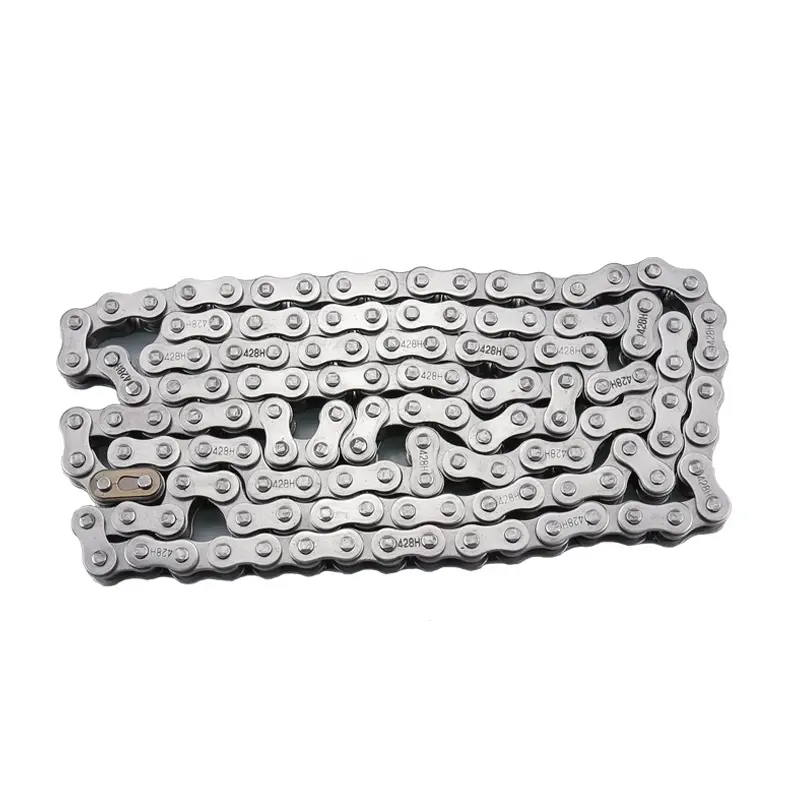
Apa saja manfaat menggunakan pelumas bebas perawatan pada rantai transmisi?
Penggunaan pelumas bebas perawatan pada rantai transmisi menawarkan beberapa keuntungan. Berikut jawaban rinci untuk pertanyaan tersebut:
1. Masa Pakai Rantai yang Lebih Lama: Pelumas bebas perawatan diformulasikan secara khusus untuk memberikan pelumasan tahan lama, mengurangi gesekan dan keausan pada rantai transmisi. Hal ini memperpanjang masa pakai rantai dan meminimalkan kebutuhan pelumasan atau pengaplikasian ulang yang sering.
2. Mengurangi Waktu Henti dan Biaya Perawatan: Dengan pelumas bebas perawatan, tidak perlu pelumasan rutin atau interval perawatan terjadwal. Hal ini secara signifikan mengurangi waktu henti untuk tugas pelumasan dan perawatan, sehingga menghasilkan penghematan biaya dan peningkatan produktivitas.
3. Peningkatan Kinerja dan Efisiensi: Penggunaan pelumas bebas perawatan memastikan pelumasan yang konsisten dan optimal selama pengoperasian rantai. Hal ini menghasilkan peningkatan kinerja, pengoperasian yang lebih lancar, dan pengurangan kehilangan daya akibat gesekan. Selain itu, pelumas bebas perawatan juga membantu menjaga efisiensi rantai dari waktu ke waktu.
4. Ramah Lingkungan: Pelumas bebas perawatan seringkali memiliki dampak lingkungan yang rendah. Pelumas ini dirancang untuk meminimalkan kebocoran, mengurangi limbah, dan menawarkan ketahanan yang lebih baik terhadap penumpukan kotoran dan serpihan. Hal ini mendorong lingkungan kerja yang lebih bersih dan aman.
5. Rutinitas Perawatan yang Disederhanakan: Dengan menggunakan pelumas bebas perawatan, kebutuhan akan pelumasan dan prosedur perawatan rutin dihilangkan atau dikurangi secara signifikan. Hal ini menyederhanakan rutinitas perawatan, menghemat waktu, dan memungkinkan operator untuk fokus pada tugas-tugas penting lainnya.
6. Pelumasan yang Konsisten di Lingkungan yang Menantang: Pelumas bebas perawatan dirancang untuk tahan terhadap kondisi operasi yang keras, seperti suhu tinggi, tekanan ekstrem, atau paparan kontaminan. Pelumas ini memberikan pelumasan yang andal bahkan di lingkungan yang menantang, memastikan kinerja rantai yang optimal dan umur pakai yang panjang.
Saat mempertimbangkan penggunaan pelumas bebas perawatan, penting untuk berkonsultasi dengan produsen atau pemasok pelumas untuk memastikan kompatibilitas dengan rantai transmisi dan persyaratan aplikasi spesifiknya. Mengikuti panduan yang direkomendasikan untuk aplikasi dan pengaplikasian ulang, serta inspeksi rutin, akan membantu mengoptimalkan manfaat penggunaan pelumas bebas perawatan pada rantai transmisi.
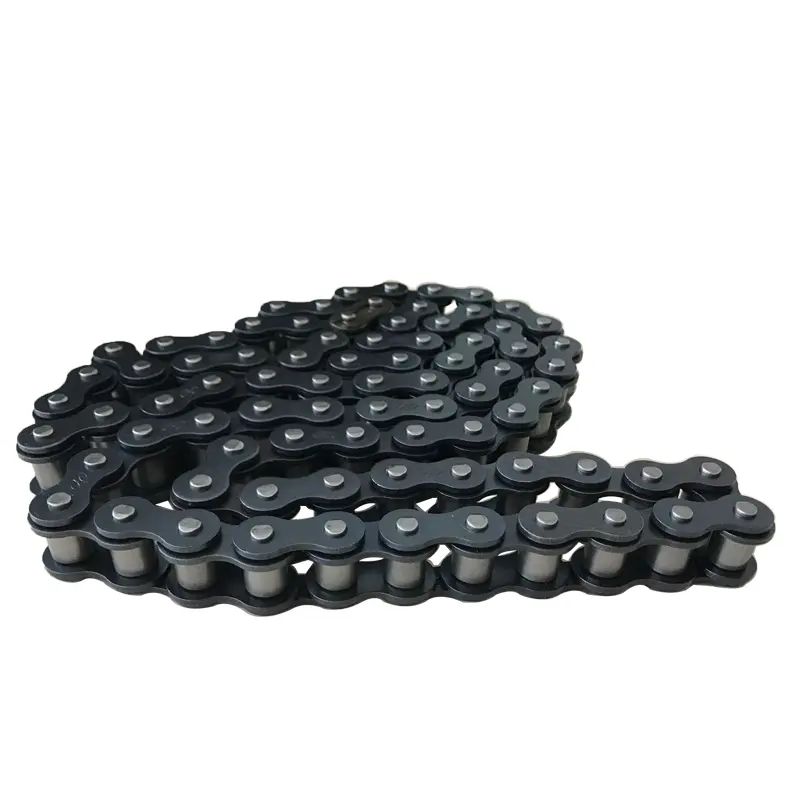
Bagaimana kecepatan putaran memengaruhi pemilihan rantai transmisi?
Kecepatan putaran merupakan faktor penting yang perlu dipertimbangkan saat memilih rantai transmisi untuk aplikasi tertentu. Berikut jawaban rinci untuk pertanyaan tersebut:
1. Kelelahan dan Keausan: Kecepatan putaran secara langsung memengaruhi karakteristik kelelahan dan keausan rantai transmisi. Kecepatan putaran yang lebih tinggi mengakibatkan peningkatan beban siklik dan keausan pada komponen rantai. Oleh karena itu, sangat penting untuk memilih rantai yang dirancang untuk menangani kecepatan yang diharapkan dan tegangan kelelahan yang terkait.
2. Pelumasan dan Pendinginan: Kecepatan putaran yang lebih tinggi menghasilkan lebih banyak panas karena gesekan antara rantai dan sproket. Pelumasan yang memadai sangat penting untuk meminimalkan gesekan, mengurangi penumpukan panas, dan menjaga kinerja serta umur pakai rantai. Selain itu, beberapa aplikasi kecepatan tinggi mungkin memerlukan mekanisme pendinginan tambahan untuk menghilangkan panas secara efektif.
3. Gaya Sentrifugal: Seiring peningkatan kecepatan putaran, gaya sentrifugal menjadi lebih signifikan. Gaya-gaya ini dapat memengaruhi stabilitas, tegangan, dan kinerja keseluruhan rantai. Rantai yang dirancang untuk aplikasi kecepatan tinggi direkayasa untuk menahan peningkatan gaya sentrifugal dan mempertahankan tegangan yang tepat selama pengoperasian.
4. Keseimbangan Dinamis: Putaran kecepatan tinggi dapat menimbulkan ketidakseimbangan dinamis dalam sistem transmisi, yang menyebabkan getaran dan penurunan efisiensi sistem. Perhatian khusus harus diberikan pada pemilihan rantai transmisi dengan karakteristik keseimbangan dinamis yang tepat untuk meminimalkan getaran dan memastikan pengoperasian yang lancar.
5. Material dan Desain: Rantai untuk aplikasi kecepatan tinggi seringkali memerlukan material dan fitur desain khusus untuk mengakomodasi peningkatan gaya rotasi dan menjaga keandalan. Paduan berkekuatan tinggi, toleransi manufaktur yang presisi, dan perlakuan permukaan canggih dapat digunakan untuk meningkatkan kinerja dan daya tahan rantai pada kecepatan tinggi.
Saat memilih rantai transmisi, sangat penting untuk mempertimbangkan rekomendasi dan spesifikasi pabrikan mengenai kecepatan maksimum yang diizinkan. Faktor-faktor seperti persyaratan operasional aplikasi, kecepatan putaran yang diantisipasi, beban, dan kondisi lingkungan harus diperhitungkan untuk memastikan rantai yang dipilih sesuai untuk aplikasi kecepatan tinggi tertentu.
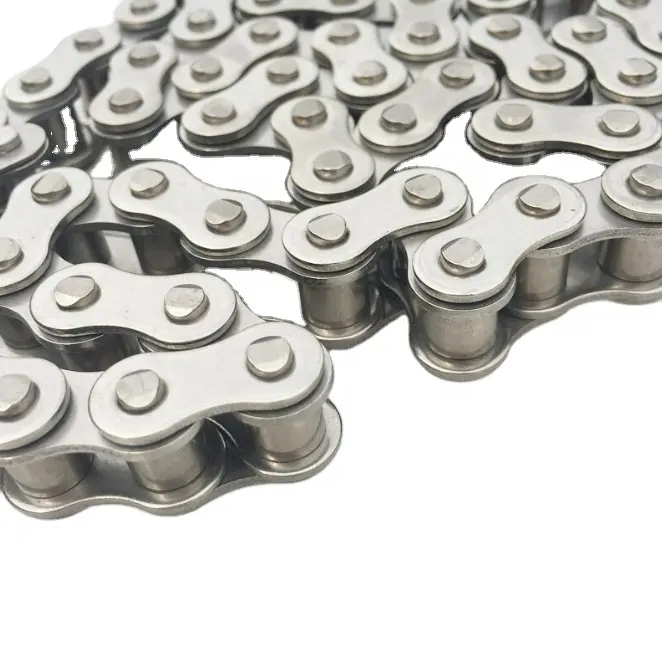
Apakah rantai transmisi dapat digunakan dalam aplikasi kecepatan tinggi?
Ya, rantai transmisi dapat digunakan dalam aplikasi kecepatan tinggi, tetapi ada beberapa hal yang perlu dipertimbangkan. Berikut penjelasan detailnya:
1. Desain Rantai: Aplikasi kecepatan tinggi memerlukan rantai transmisi yang dirancang khusus untuk menahan peningkatan kecepatan putaran dan beban dinamis. Rantai ini seringkali memiliki fitur seperti perlakuan permukaan khusus, material berkualitas tinggi, dan manufaktur presisi untuk memastikan pengoperasian yang lancar pada kecepatan tinggi.
2. Pelumasan: Pelumasan yang tepat sangat penting dalam aplikasi kecepatan tinggi untuk meminimalkan gesekan, pembangkitan panas, dan keausan. Pelumas dengan karakteristik kecepatan tinggi yang sangat baik, seperti viskositas rendah dan kekuatan lapisan film yang tinggi, biasanya direkomendasikan. Dalam beberapa kasus, sistem pelumasan khusus, seperti sirkulasi oli atau pelumasan semprot, dapat digunakan untuk memastikan pelumasan yang cukup pada kecepatan tinggi.
3. Penyeimbangan: Pengoperasian kecepatan tinggi dapat menimbulkan getaran dan ketidakseimbangan pada rantai transmisi, yang menyebabkan peningkatan tegangan dan potensi kegagalan. Penyeimbangan rantai dan komponen terkait, seperti sproket dan poros, penting untuk meminimalkan getaran dan memastikan pengoperasian yang lancar pada kecepatan tinggi.
4. Pengencangan: Pengencangan rantai transmisi yang tepat sangat penting dalam aplikasi kecepatan tinggi. Mempertahankan ketegangan yang sesuai membantu mencegah selip rantai, getaran berlebihan, dan keausan dini. Perangkat pengencang, seperti pengencang otomatis atau sistem pegas, dapat digunakan untuk memastikan ketegangan optimal selama pengoperasian.
5. Perawatan: Inspeksi, pelumasan, dan perawatan rutin sangat penting dalam aplikasi kecepatan tinggi untuk mendeteksi potensi masalah dan mengatasinya dengan segera. Pemeriksaan berkala terhadap keausan, keselarasan yang tepat, dan efektivitas pelumasan dapat membantu mencegah kegagalan yang tidak terduga dan memastikan kinerja rantai transmisi yang andal.
Penting untuk berkonsultasi dengan produsen atau pakar industri untuk memilih rantai transmisi yang tepat yang dirancang dan diberi peringkat khusus untuk aplikasi kecepatan tinggi. Dengan mengikuti pedoman dan praktik perawatan yang direkomendasikan, rantai transmisi dapat beroperasi dengan andal dan aman di lingkungan kecepatan tinggi, memenuhi persyaratan kinerja aplikasi tersebut.


Diedit oleh CX 2024-04-29