उत्पाद वर्णन
फ़ैक्टरी के बारे में
से अधिक के साथ 18 वर्षों का इतिहासहम ड्रॉप फोर्ज्ड उत्पादों के पेशेवर निर्माता हैं जैसे फोर्ज्ड चेन (X348 X458 X658 X678 X698 F100 F160), स्क्रैपर चेन (10160, 14218, 14226, 142N), कन्वेयर ट्रॉली (X348, X458, X678, XT160), और ड्राइव चेन (X348, X458, X678), और इसी तरह चेन के मानक मोल्ड।
इसके अलावा, हम ग्राहकों की विशिष्ट आवश्यकताओं के अनुसार, आपके चित्र या नमूने के आधार पर विशेष लिंक चेन, पुशर, पिन और प्लेट का उत्पादन भी कर सकते हैं।
उत्पाद वर्णन
1) सामग्री: मिश्र धातु इस्पात, 40Cr, 42CrMo इत्यादि।
2) प्रकार: मानक प्रकार, X348, X458, X678 इत्यादि। (या आपके चित्र के अनुसार)
3) प्रक्रिया: मोल्डिंग → फोर्जिंग → पॉलिशिंग और ब्लास्टिंग → फाइन मशीनिंग → हीट ट्रीटमेंट → ब्लास्टिंग → निरीक्षण और परीक्षण → पैकिंग
उत्पाद प्रदर्शन
तकनीकी डाटा
| नमूना | आयाम | वजन (किलोग्राम) | सामग्री | कठोरता | कार्यभार (केएन) | सीमा भार (केएन) | ||||||
| पी | टी | सी | एस | एफ | आर | डी | ||||||
| 10160बी | 101.6 | 24 | 36 | 13 | 14 | 6 | 14 | 0.32 | 20CrMnTi | सतह HRC 56-64° गहराई 0.6-1.2 मिमी |
18 | 100 |
| 10160 | 101.6 | 30 | 36 | 13 | 14.5 | 9 | 14 | 0.36 | 20CrMnTi | सतह का HRC 56-64°, गहराई 0.6-1.2 मिमी | 21.6 | 120 |
| 14218 | 142 | 42 | 50 | 19 | 20.5 | 11 | 25 | 1.15 | 20CrMnTi | सतह का HRC 56-64°, गहराई 0.6-1.2 मिमी | 48.6 | 270 |
| 14226 | 142 | 62 | 50 | 28 | 30 | 15 | 25 | 1.75 | 20CrMnTi | सतह का HRC 56-64°, गहराई 0.6-1.2 मिमी | 61.2 | 340 |
| 2571 | 200 | 66 | 60 | 30 | 32 | 18 | 30 | 2.8 | 20CrMnTi | सतह का HRC 56-64°, गहराई 0.6-1.2 मिमी | 72 | 400 |
| 26014 | 260 | 70 | 75 | 31 | 33 | 20 | 34 | 5.2 | 20CrMnTi | सतह का HRC 56-64°, गहराई 0.6-1.2 मिमी | 135 | 750 |
| 142एन | 142 | 43 | 50 | 19 | 22 | 12.5 | 25 | 1.2 | 40 करोड़ | शमन एचआरसी 36-44° | 75.6 | 420 |
| 150डी | 142 | 42 | 50 | 19 | 20.5 | 11 | 25 | 1.15 | 40 करोड़ | शमन एचआरसी 36-44° | 75.6 | 420 |
| एमजी20 | 200 | 70 | 50 | 27 | 29 | 17 | 35 | 3.78 | 40 करोड़ | शमन एचआरसी 36-44° | 144 | 800 |
| एमजी20बी | 200 | 70 | 50 | 27 | 29 | 17 | 30 | 3.82 | 40 करोड़ | शमन एचआरसी 36-44° | 140.4 | 780 |
| एमजी20सी | 200 | 70 | 50 | 27 | 29 | 17 | 28 | 3.85 | 40 करोड़ | शमन एचआरसी 36-44° | 122.4 | 680 |
| एमएस32 | 200 | 42 | 50 | 20 | 22 | 12 | 25 | 1.4 | 40 करोड़ | शमन एचआरसी 36-44° | 75.6 | 420 |
| एमएस55 | 200 | 80 | 70 | 35 | 38 | 25 | 28 | 4.36 | 40 करोड़ | शमन एचआरसी 36-44° | 138.6 | 770 |
| 3006 | 200 | 65 | 70 | 30 | 33 | 24 | 32 | 3.6 | 40 करोड़ | शमन एचआरसी 36-44° | 160.2 | 890 |
| एमएस63 | 250 | 70 | 80 | 30 | 33 | 20 | 32 | 4.93 | 40 करोड़ | शमन एचआरसी 36-44° | 147.6 | 820 |
| एस16 | 100 | 30 | 27 | 15 | 16 | 8 | 14 | 0.3 | 40 करोड़ | शमन एचआरसी 36-44° | 16 | 88 |
| एस20 | 125 | 34 | 33 | 17 | 18 | 8 | 17 | 0.37 | 40 करोड़ | शमन एचआरसी 36-44° | 19.4 | 108 |
| एस25 | 160 | 48 | 39 | 23 | 25 | 13 | 20 | 1.28 | 40 करोड़ | शमन एचआरसी 36-44° | 55.8 | 310 |
| एस30 | 142 | 46 | 49 | 22 | 23.5 | 14 | 25 | 1.3 | 40 करोड़ | शमन एचआरसी 36-44° | 91.8 | 510 |
| जेड16 | 100 | 40 | 35 | 18 | 20 | 12 | 17 | 0.4 | 40 करोड़ | शमन एचआरसी 36-44° | 32.4 | 180 |
| जेड20 | 125 | 50 | 46 | 24 | 26 | 15 | 20 | 0.67 | 40 करोड़ | शमन एचआरसी 36-44° | 59.4 | 330 |
| जेड20डी | 125 | 52 | 60 | 24 | 26 | 16 | 26 | 1.15 | 40 करोड़ | शमन एचआरसी 36-44° | 82.8 | 460 |
| जेड25 | 160 | 58 | 55 | 28 | 30 | 18 | 25 | 2.25 | 40 करोड़ | शमन एचआरसी 36-44° | 82.8 | 460 |
| जेड25डी | 160 | 66 | 64 | 29 | 31 | 22 | 28 | 2.6 | 40 करोड़ | शमन एचआरसी 36-44° | 120.6 | 670 |
| जेड30 | 142 | 64 | 50 | 29 | 30.5 | 18 | 25 | 1.8 | 40 करोड़ | शमन एचआरसी 36-44° | 111.6 | 620 |
उत्पाद और परीक्षण उपकरण
उत्पाद अनुप्रयोग
पैकेजिंग और डिलीवरी
हमें क्यों चुनें?
1. हम 15 वर्षों से अधिक समय से चेन उद्योग में कार्यरत हैं और हमारे पास समृद्ध बाजार अनुभव है। हम उत्पादन तकनीकों में लगातार सुधार करते रहते हैं। हमारे सभी उत्पादों का जीवनकाल लंबा है और वे बाजार परीक्षण में खरे उतरे हैं।
2. हम आपकी आवश्यकता या चेन के उपयोग के अनुसार उच्च गुणवत्ता वाली सामग्री, अच्छे घर्षण प्रतिरोध, अच्छे संक्षारण प्रतिरोध, उच्च मजबूती आदि के साथ सही चेन डिजाइन कर सकते हैं।
3. हम चेन निर्माता हैं; आप सीधे हमसे कम कीमत और उच्च गुणवत्ता वाला उत्पाद खरीद सकते हैं।
4. हमारे पास अंतरराष्ट्रीय व्यापार के लिए एक पेशेवर टीम है, जिनके पास भरपूर अनुभव है और वे ग्राहकों की समस्याओं को हल करने के लिए हमेशा तत्पर रहते हैं। इसलिए आपको चिंता करने की कोई जरूरत नहीं है।
5. हमारे पास दीर्घकालिक सहयोगी फॉरवर्डर है जो हमें सबसे कम भाड़ा दे सकता है। इससे आपको भाड़ा बचाने में मदद मिलेगी। इसके अलावा, एफसीएल के लिए, हम सबसे अधिक क्षमता वाले कंटेनर के आकार के अनुसार पैकेज डिजाइन करेंगे ताकि हम दोनों के लिए शिपिंग लागत में बचत हो सके।
|
शिपिंग लागत:
प्रति यूनिट अनुमानित माल ढुलाई शुल्क। |
बातचीत करने के लिए |
|---|
| मानक या गैर-मानक: | मानक |
|---|---|
| आवेदन पत्र: | वस्त्र निर्माण मशीनरी, परिधान मशीनरी, कन्वेयर उपकरण, पैकेजिंग मशीनरी, इलेक्ट्रिक कारें, मोटरसाइकिल, खाद्य मशीनरी, खनन उपकरण, कृषि मशीनरी, कोटिंग, छिड़काव, खनन, वध, असेंबली |
| सतह का उपचार: | चमकाने |
| उदाहरण: |
US$ 5/पीस
1 पीस (न्यूनतम ऑर्डर) | पुराना नमूना |
|---|
| अनुकूलन: |
उपलब्ध
| अनुकूलित अनुरोध |
|---|
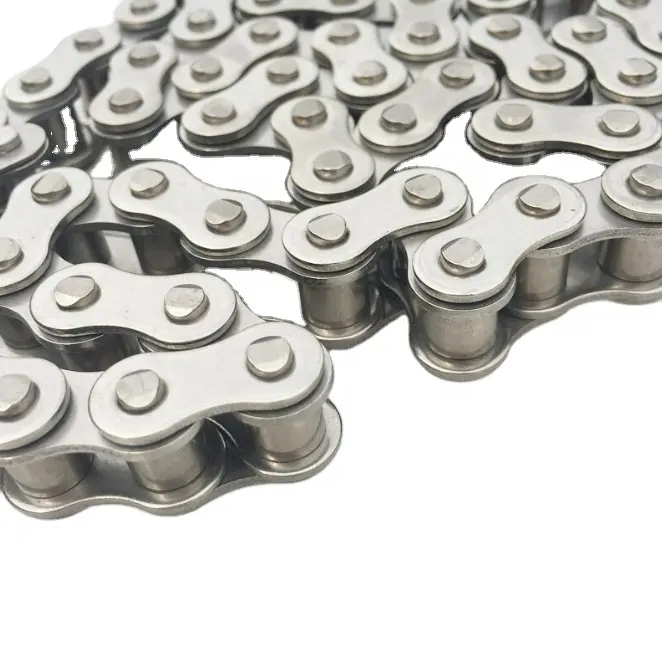
चेन टेंशनर का चुनाव ट्रांसमिशन चेन के प्रदर्शन को कैसे प्रभावित करता है?
ट्रांसमिशन चेन के इष्टतम प्रदर्शन को सुनिश्चित करने में चेन टेंशनर का चयन महत्वपूर्ण भूमिका निभाता है। प्रश्न का विस्तृत उत्तर यहाँ दिया गया है:
1. चेन का सही जुड़ाव: चेन टेंशनर ट्रांसमिशन चेन में सही तनाव बनाए रखने में मदद करता है, जिससे चेन और स्प्रोकेट के बीच सही जुड़ाव सुनिश्चित होता है। यह प्रभावी पावर ट्रांसमिशन और सुचारू संचालन के लिए आवश्यक है।
2. चेन की ढीलापन नियंत्रण: सही ढंग से चुना गया चेन टेंशनर चेन की ढीलापन को नियंत्रित करने में मदद करता है। अत्यधिक ढीलापन चेन के उछलने, गलत संरेखण और अधिक घिसाव का कारण बन सकता है, जबकि अपर्याप्त ढीलापन अत्यधिक तनाव पैदा कर सकता है, जिससे चेन और स्प्रोकेट का घिसाव तेजी से बढ़ सकता है।
3. शोर और कंपन में कमी: उपयुक्त चेन टेंशनर का उपयोग ट्रांसमिशन सिस्टम में शोर और कंपन को कम करने में सहायक होता है। यह चेन की गति के कारण उत्पन्न होने वाले झटकों और कंपन को कम करता है, जिससे संचालन शांत होता है और सिस्टम का समग्र प्रदर्शन बेहतर होता है।
4. चेन की लंबी आयु: उचित तनाव बनाए रखकर, चेन टेंशनर ट्रांसमिशन चेन के समय से पहले घिसने और खिंचाव को रोकने में मदद करता है। इससे चेन की आयु बढ़ती है, चेन बदलने की आवृत्ति कम होती है और रखरखाव लागत में कमी आती है।
5. घिसाव और खिंचाव की भरपाई: समय के साथ ट्रांसमिशन चेन के घिसने पर उसमें खिंचाव या फैलाव आ सकता है। चेन टेंशनर तनाव को समायोजित करके इस फैलाव की भरपाई करता है, जिससे चेन सही तनाव में रहती है और स्प्रोकेट के साथ ठीक से जुड़ी रहती है। इससे लगातार बेहतर प्रदर्शन सुनिश्चित होता है और चेन के फिसलने या अलग होने की समस्या नहीं होती।
6. परिवर्तनशील परिस्थितियों के अनुकूल ढलने की क्षमता: कुछ चेन टेंशनर गतिशील रूप से तनाव को समायोजित करने की क्षमता प्रदान करते हैं, जिससे तापमान में उतार-चढ़ाव या भार परिवर्तन जैसी परिचालन स्थितियों में होने वाले बदलावों को समायोजित किया जा सकता है। यह लचीलापन चेन के इष्टतम प्रदर्शन को सुनिश्चित करता है और तापीय विस्तार या संकुचन के प्रभावों की भरपाई करता है।
ट्रांसमिशन चेन और उसके उपयोग की आवश्यकताओं के अनुरूप चेन टेंशनर का चयन करना अत्यंत महत्वपूर्ण है। चेन टेंशनर चुनते समय चेन का आकार, टेंशन एडजस्टमेंट रेंज, पर्यावरणीय परिस्थितियाँ और लोड में बदलाव जैसे कारकों पर विचार करें। टेंशनर की नियमित जांच और रखरखाव भी आवश्यक है ताकि यह ठीक से काम करे और ट्रांसमिशन चेन का जीवनकाल बढ़े।

क्या ट्रांसमिशन चेन का उपयोग ऑटोमोबाइल या मोटरसाइकिल अनुप्रयोगों में किया जा सकता है?
ट्रांसमिशन चेन का उपयोग ऑटोमोबाइल और मोटरसाइकिल दोनों में किया जा सकता है। इस प्रश्न का विस्तृत उत्तर यहाँ दिया गया है:
ऑटोमोबाइल और मोटरसाइकिल अनुप्रयोगों में अक्सर इंजन से पहियों तक टॉर्क स्थानांतरित करने के लिए विश्वसनीय और कुशल पावर ट्रांसमिशन की आवश्यकता होती है। ट्रांसमिशन चेन कई फायदे प्रदान करती हैं जो उन्हें इन अनुप्रयोगों के लिए उपयुक्त बनाती हैं:
1. उच्च मजबूती: ट्रांसमिशन चेन को उच्च टॉर्क और पावर आवश्यकताओं को संभालने के लिए डिज़ाइन किया गया है, जिससे वे ऑटोमोटिव और मोटरसाइकिल पावर ट्रांसमिशन सिस्टम की कठिन परिस्थितियों के लिए उपयुक्त बन जाती हैं।
2. कुशल शक्ति स्थानांतरण: ट्रांसमिशन चेन इंजन से पहियों तक शक्ति स्थानांतरित करने का एक सीधा और कुशल साधन प्रदान करती हैं। इनमें घर्षण के कारण ऊर्जा की हानि कम होती है, जिससे प्रभावी शक्ति संचरण और इष्टतम प्रदर्शन संभव होता है।
3. कॉम्पैक्ट डिज़ाइन: ट्रांसमिशन चेन का डिज़ाइन कॉम्पैक्ट होता है, जिससे ये ऑटोमोटिव और मोटरसाइकिल अनुप्रयोगों में उपलब्ध सीमित स्थान के लिए उपयुक्त होती हैं। इन्हें अतिरिक्त स्थान घेरे बिना आसानी से ड्राइवट्रेन सिस्टम में एकीकृत किया जा सकता है।
4. व्यापक गति सीमा: ट्रांसमिशन चेन गति की एक विस्तृत श्रृंखला में प्रभावी ढंग से काम कर सकती हैं, जिससे ऑटोमोटिव और मोटरसाइकिल अनुप्रयोगों की विभिन्न गति आवश्यकताओं को पूरा किया जा सकता है।
5. बहुमुखी प्रतिभा: ट्रांसमिशन चेन का उपयोग विभिन्न प्रकार के ऑटोमोटिव और मोटरसाइकिल ट्रांसमिशन में किया जा सकता है, जिसमें मैनुअल ट्रांसमिशन, स्वचालित ट्रांसमिशन और फाइनल ड्राइव सिस्टम शामिल हैं।
6. टिकाऊपन: ट्रांसमिशन चेन को ऑटोमोबाइल और मोटरसाइकिल के कठिन परिस्थितियों का सामना करने के लिए बनाया गया है। इन्हें घिसाव, थकान और जंग से बचाने के लिए डिज़ाइन किया गया है, जिससे लंबे समय तक चलने वाला प्रदर्शन और विश्वसनीयता सुनिश्चित होती है।
7. किफायती: ट्रांसमिशन चेन ऑटोमोटिव और मोटरसाइकिल अनुप्रयोगों में पावर ट्रांसमिशन के लिए एक किफायती समाधान प्रदान करती हैं। ये आम तौर पर वैकल्पिक ट्रांसमिशन सिस्टम की तुलना में अधिक सस्ती होती हैं।
ट्रांसमिशन चेन का चयन करते समय, वाहन या मोटरसाइकिल के ट्रांसमिशन सिस्टम के विशिष्ट डिज़ाइन और आवश्यकताओं को ध्यान में रखना महत्वपूर्ण है। उचित रखरखाव, लुब्रिकेशन और समय-समय पर निरीक्षण भी चेन के बेहतर प्रदर्शन और टिकाऊपन के लिए आवश्यक हैं।
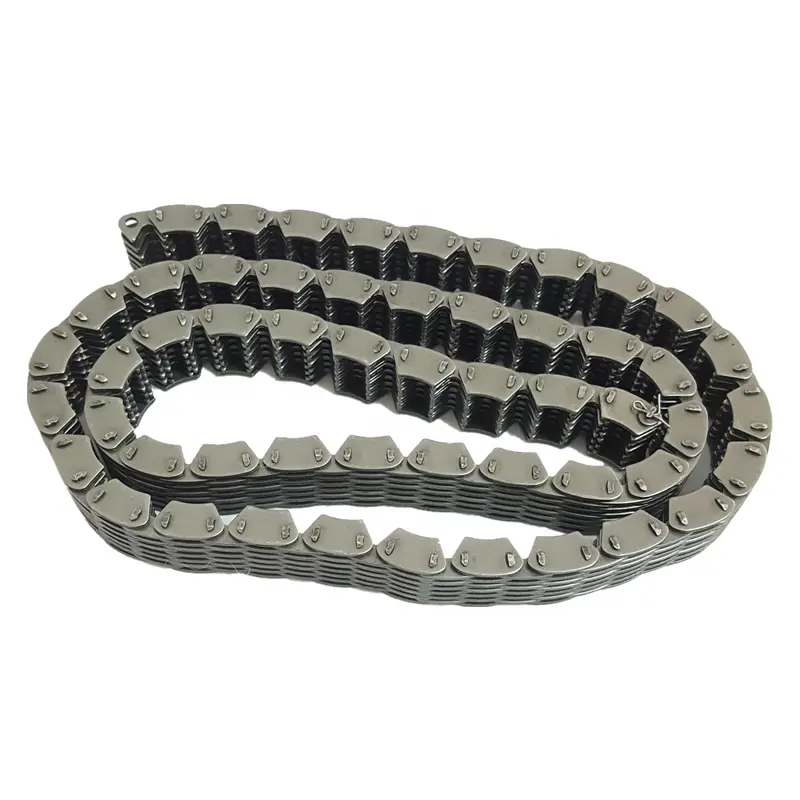
क्या ट्रांसमिशन चेन के लिए कोई उद्योग मानक या प्रमाणन मौजूद हैं?
जी हां, ट्रांसमिशन चेन के निर्माण, गुणवत्ता और प्रदर्शन को नियंत्रित करने वाले उद्योग मानक और प्रमाणन मौजूद हैं। यहां इसका विस्तृत विवरण दिया गया है:
1. एएनएसआई/एएसएमई मानक: अमेरिकन नेशनल स्टैंडर्ड्स इंस्टीट्यूट (एएनएसआई) और अमेरिकन सोसाइटी ऑफ मैकेनिकल इंजीनियर्स (एएसएमई) ने ट्रांसमिशन चेन के लिए मानक विकसित किए हैं, जैसे रोलर चेन के लिए एएनएसआई/एएसएमई बी29.1 और पिंटल चेन के लिए एएनएसआई/एएसएमई बी29.3। ये मानक विभिन्न प्रकार की ट्रांसमिशन चेन के लिए आयाम, सामग्री, सहनशीलता और प्रदर्शन आवश्यकताओं को परिभाषित करते हैं।
2. आईएसओ मानक: अंतर्राष्ट्रीय मानकीकरण संगठन (आईएसओ) ने ट्रांसमिशन चेन के लिए भी मानक स्थापित किए हैं, जिनमें शॉर्ट-पिच प्रिसिजन रोलर चेन के लिए आईएसओ 606 और शॉर्ट-पिच कन्वेयर चेन के लिए आईएसओ 1275 शामिल हैं। ये मानक चेन के आयामों और प्रदर्शन के संदर्भ में वैश्विक स्थिरता और अनुकूलता सुनिश्चित करते हैं।
3. डीआईएन मानक: जर्मनी में, ड्यूश्स इंस्टिट्यूट फर नॉर्मुंग (डीआईएन) ने ट्रांसमिशन चेन के लिए मानक विकसित किए हैं, जैसे रोलर चेन के लिए डीआईएन 8187 और बुश चेन के लिए डीआईएन 8181। ये मानक यूरोप में व्यापक रूप से उपयोग किए जाते हैं और चेन डिजाइन और प्रदर्शन के लिए विशिष्टताओं और आवश्यकताओं को परिभाषित करते हैं।
4. प्रमाणन: मानकों के अतिरिक्त, ऐसे प्रमाणन भी होते हैं जो ट्रांसमिशन चेन की गुणवत्ता और प्रदर्शन को प्रमाणित करते हैं। एक उल्लेखनीय प्रमाणन ISO 9001:2015 है, जो यह दर्शाता है कि निर्माता ने गुणवत्ता प्रबंधन प्रणाली लागू की है और उत्पाद की गुणवत्ता में निरंतरता के लिए निर्धारित मानदंडों को पूरा करता है।
यह ध्यान रखना महत्वपूर्ण है कि इन मानकों और प्रमाणनों का पालन करना स्वैच्छिक है, लेकिन इसकी अत्यधिक अनुशंसा की जाती है। मान्यता प्राप्त मानकों और प्रमाणनों के अनुरूप ट्रांसमिशन चेन का चयन यह सुनिश्चित करता है कि उनका निर्माण और परीक्षण प्रदर्शन, विश्वसनीयता और स्थायित्व के विशिष्ट मानदंडों को पूरा करने के लिए किया गया है।
ट्रांसमिशन चेन का चयन करते समय, प्रतिष्ठित निर्माताओं के उत्पादों को चुनना उचित होता है जो गुणवत्ता और उद्योग मानकों के अनुपालन को प्राथमिकता देते हैं। इससे यह सुनिश्चित होता है कि आपके द्वारा चुनी गई चेन आपके उपयोग की सभी आवश्यकताओं को पूरा करेगी और लंबे समय तक विश्वसनीय प्रदर्शन प्रदान करेगी।


सीएक्स द्वारा संपादित, 2023-09-11