Define the decision criteria before comparing
Treat this task as an engineering verification sequence. Each step should either produce a number, a physical observation, or a documented acceptance condition. At higher chain speeds, engagement dynamics become a design constraint rather than a minor comfort issue. Silent chain can reduce impact noise and chordal effects, but it requires dedicated sprockets, reliable lubrication, and confirmation of direction and operating limits.
Use the transmission chain product range as a map of available chain families only after you have captured silent chain and roller chain. For this topic, the first release condition is specific: choose the chain type whose engagement behavior matches the machine smoothness and noise requirement. That sequence keeps catalog browsing from turning into a pitch-only or appearance-only substitution.
- मौन श्रृंखला
- Check this point at the machine and document any uncertainty that still requires a supplier drawing or manual.
- रोलर चेन
- Record this requirement with enough context that a second engineer can reproduce the same selection or diagnosis.
- High-Speed Transmission
- Capture this input from a drawing, measurement, calculation, or operating record before the decision advances.
- Chordal Action
- Treat this as a controlled variable; note its value, unit, operating state, and source in the job record.
- Engagement Noise
- Verify this item against the physical drive and the current supplier data instead of estimating it from appearance.
Compare engagement mechanics first
Evaluate how rollers contact roller-chain sprockets versus how inverted-tooth plates engage a silent-chain sprocket. Why it matters: the two chain types transmit load through different contact paths and therefore generate different impact and vibration behavior. Field nuance: silent-chain plates engage at an angle and some designs use geometry intended to reduce chordal action. Failure mode: assuming the only difference is material or width misses the mechanism that affects noise.
Inspection: review chain and sprocket drawings and the predicted engagement frequency at operating speed. Release condition: choose the chain type whose engagement behavior matches the machine smoothness and noise requirement. Record the operating state and the reference points used for this check.
Check the actual high-speed operating point
Start by calculate chain speed and compare it with the manufacturer rating and lubrication limits for both candidate systems. The mechanism is speed capability depends on chain construction, sprocket teeth, width, load, and lubrication rather than a simple chain-type label. In practice, a roller chain can be suitable at substantial speed when correctly sized and lubricated, while a silent chain still has series-specific limits. If the assumption is wrong, selecting silent chain from the word high-speed without a rating check can create an under-reviewed drive.
Field check: plot the transmitted power and speed against both supplier selection methods. Accept the step when you can retain only combinations rated for the full continuous and transient operating range. Save the measured or observed condition so the result can be repeated later.
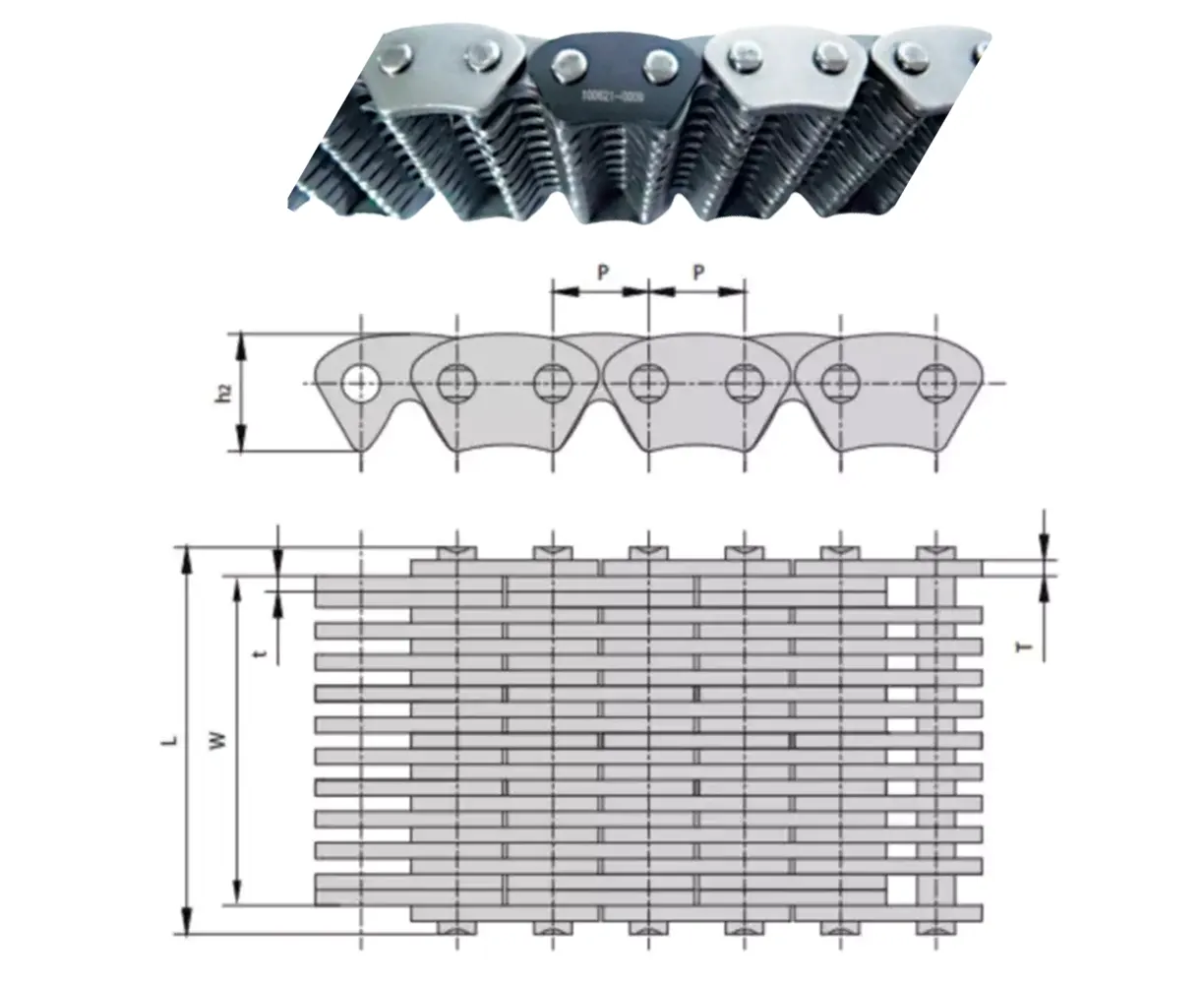
Compare noise and vibration at the source
Use separate sprocket-engagement noise, chain-span vibration, guard resonance, bearing noise, and process impact before changing chain type. This controls the decision because silent chain mainly addresses engagement dynamics and cannot cure a resonant guard, bent shaft, or misalignment. On the machine, roller-chain noise often falls with more sprocket teeth, smaller pitch, correct lubrication, and lower impact energy. The practical risk is converting chain type without diagnosing the noise can leave the dominant source unchanged.
Confirm it by doing this: measure or observe noise versus speed and correlate vibration with sprocket and chain frequencies. The evidence is sufficient when you can decide whether geometry optimization or a silent-chain conversion addresses the verified source. Note the tool, location, and operating condition with the result.
Include dedicated sprockets and retrofit geometry
Work from compare silent-chain sprocket tooth form, diameter, face width, bore, hub, alignment, and guard envelope with the existing roller-chain system. The engineering link is silent chain is not a drop-in strand replacement on roller-chain sprockets. One useful detail is that different sprocket geometry can change shaft spacing, hub design, and available guard clearance. Otherwise, budgeting only for chain can underestimate a retrofit and create dimensional incompatibility.
Verify at the drive: obtain complete sprocket drawings for both options and overlay them on the machine layout. Close this check only after you can approve the chain type only after the full chain-and-sprocket package fits the shafts and enclosure. Keep photographs or dimensions when they help preserve the interface condition.
Verify lubrication and direction requirements
Base the decision on design the oil system around the selected silent or roller chain and confirm whether the silent-chain series permits reversing. It matters because high-speed joints need dependable lubricant delivery and some silent-chain plate geometries are directional. During service, oil bath or forced systems may be required at operating points where occasional manual application is inadequate. A poor assumption can cause a quiet chain without sufficient oil can wear rapidly and a directional chain used in reverse can engage incorrectly.
Use this confirmation: review lubricant flow, temperature, filtering, chain path, and allowed direction of motion with the supplier. Proceed when you can confirm the maintenance system supports the selected chain continuously. If readings vary around the chain or sprocket, retain the spread instead of hiding it in one average.
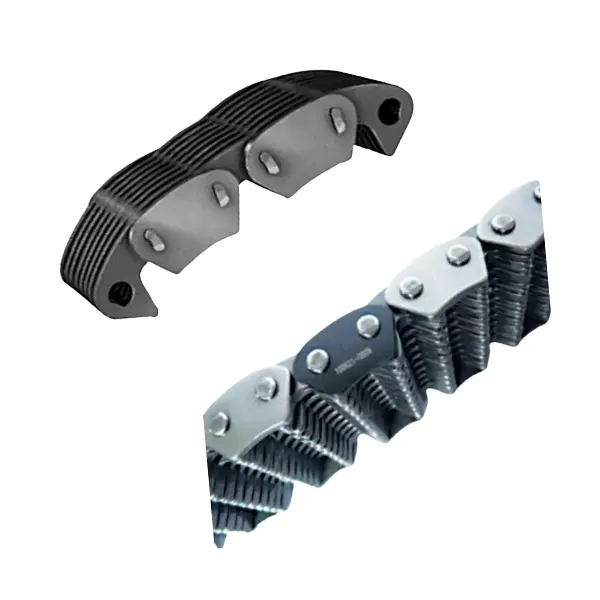
Compare maintenance and ownership burden
The controlling action is to include inspection access, lubrication hardware, sprocket replacement cost, availability, alignment sensitivity, and expected downtime. Its significance comes from silent chain may justify a higher system complexity where noise and high-speed smoothness are critical, while roller chain remains attractive for general industrial service. In the field, spares and technician familiarity can materially affect recovery time. The failure consequence is choosing on acquisition cost or noise alone can ignore the plant reliability model.
Check the hardware directly: build a simple comparison that includes chain, sprockets, lubrication, guard changes, and replacement procedure. Approval requires that you can choose the system that solves the verified high-speed requirement with manageable lifecycle cost. Write down any uncertainty that still needs a drawing, manual, or supplier response.
Side-by-side engineering checks
| Decision point | Inspection or calculation | Acceptance evidence |
|---|---|---|
| Compare engagement mechanics first | review chain and sprocket drawings and the predicted engagement frequency at operating speed | choose the chain type whose engagement behavior matches the machine smoothness and noise requirement |
| Check the actual high-speed operating point | plot the transmitted power and speed against both supplier selection methods | retain only combinations rated for the full continuous and transient operating range |
| Compare noise and vibration at the source | measure or observe noise versus speed and correlate vibration with sprocket and chain frequencies | decide whether geometry optimization or a silent-chain conversion addresses the verified source |
| Include dedicated sprockets and retrofit geometry | obtain complete sprocket drawings for both options and overlay them on the machine layout | approve the chain type only after the full chain-and-sprocket package fits the shafts and enclosure |
| Verify lubrication and direction requirements | review lubricant flow, temperature, filtering, chain path, and allowed direction of motion with the supplier | confirm the maintenance system supports the selected chain continuously |
| Compare maintenance and ownership burden | build a simple comparison that includes chain, sprockets, lubrication, guard changes, and replacement procedure | choose the system that solves the verified high-speed requirement with manageable lifecycle cost |
| For this article, do not close the job until the silent chain evidence and every critical mating interface are recorded together. | ||
The neighboring component matters because chain behavior depends on the complete drive. review silent-chain and drive-chain application examples provides additional product context for roller chain versus silent chain at high speed; use it to frame questions, then confirm dimensions and ratings from the exact component drawing used on the machine.
Tradeoffs that should stop a substitution
Release check: choose the chain type whose engagement behavior matches the machine smoothness and noise requirement.
Release check: retain only combinations rated for the full continuous and transient operating range.
Release check: decide whether geometry optimization or a silent-chain conversion addresses the verified source.
Release check: approve the chain type only after the full chain-and-sprocket package fits the shafts and enclosure.
Comparison FAQs
Choose the architecture that fits the duty
Close this comparison task with a traceable record of silent chain, roller chain, and the inspection result for “Compare maintenance and ownership burden.” The release note should state the operating condition used for the check and identify the drawing, rating table, or machine document that set any model-specific limit. The chain-and-sprocket drive options can provide broader chain-drive context when a neighboring component also needs review.
If roller chain versus silent chain at high speed still contains an unresolved variable, send the application data to the chain engineering team with the operating state, the relevant measurements, photographs of the chain and sprockets, and the unknown item clearly marked. For this topic, pay particular attention to high-speed transmission. Resolving that gap before purchase or restart is usually cheaper than diagnosing a second problem created by an assumed value.
Send the operating condition, silent chain, roller chain, layout evidence, and the unresolved interface so the next decision is based on machine data rather than assumption.