Start from the symptom, not the replacement part
The quickest way to make this decision reliable is to define the operating condition first and postpone the chain number until the interfaces are known. The quietest fix is the one that removes the dominant noise mechanism without reducing the chain rating below the machine duty. Noise can come from roller-to-tooth impact, dry articulation, span vibration, misalignment, runout, worn teeth, or resonant guards.
Start at the machine, then use the industrial transmission chain options to identify candidates consistent with chain drive noise and sprocket tooth count. Before a candidate is accepted, identify the source mechanism before changing pitch, tooth count, or guarding. This is deliberately different from choosing a familiar chain number first and trying to make the surrounding drive fit it later.
More teeth reduce articulation angle and roller impact velocity for a given chain speed. Therefore, adopt the change only when power capacity and machine speed remain correct.
Reducing noise by changing only one sprocket can alter the process ratio or packaging.
- Chain Drive Noise
- Recueillez ces informations à partir d'un dessin, d'une mesure, d'un calcul ou d'un compte rendu d'exploitation avant de prendre une décision.
- Sprocket Tooth Count
- Considérez ceci comme une variable contrôlée ; notez sa valeur, son unité, son état de fonctionnement et sa source dans l’enregistrement du travail.
- Engagement Impact
- Verify this item against the physical drive and the current supplier data instead of estimating it from appearance.
- Span Vibration
- Utilisez ce paramètre pour rejeter rapidement les options inadaptées, puis conservez la valeur vérifiée pour la spécification finale.
- Load Capacity
- Vérifiez ce point sur la machine et documentez toute incertitude qui nécessite encore un dessin ou un manuel du fournisseur.
Measure or classify the dominant noise source
Separate tonal engagement noise, rattling slack-span contact, squeal from dry joints, periodic knocks, and structural resonance. Why it matters: different sounds require different corrections and several can exist simultaneously. Field nuance: noise that changes directly with sprocket speed points toward engagement while noise tied to one chain loop suggests a local defect. Failure mode: installing acoustic panels around a mechanical fault can hide a reliability problem.
Inspection: observe noise versus speed and load and correlate it with chain, sprocket, and process frequencies. Release condition: identify the source mechanism before changing pitch, tooth count, or guarding. Record the operating state and the reference points used for this check.
Increase small-sprocket tooth count where space allows
Start by compare a larger-tooth-count sprocket and adjusted driven sprocket that preserve the required ratio. The mechanism is more teeth reduce articulation angle and roller impact velocity for a given chain speed. In practice, the larger diameter may require a different center distance, chain length, or guard. If the assumption is wrong, reducing noise by changing only one sprocket can alter the process ratio or packaging.
Field check: calculate the new ratio, diameters, chain length, wrap, and rating for each candidate tooth count. Accept the step when you can adopt the change only when power capacity and machine speed remain correct. Save the measured or observed condition so the result can be repeated later.
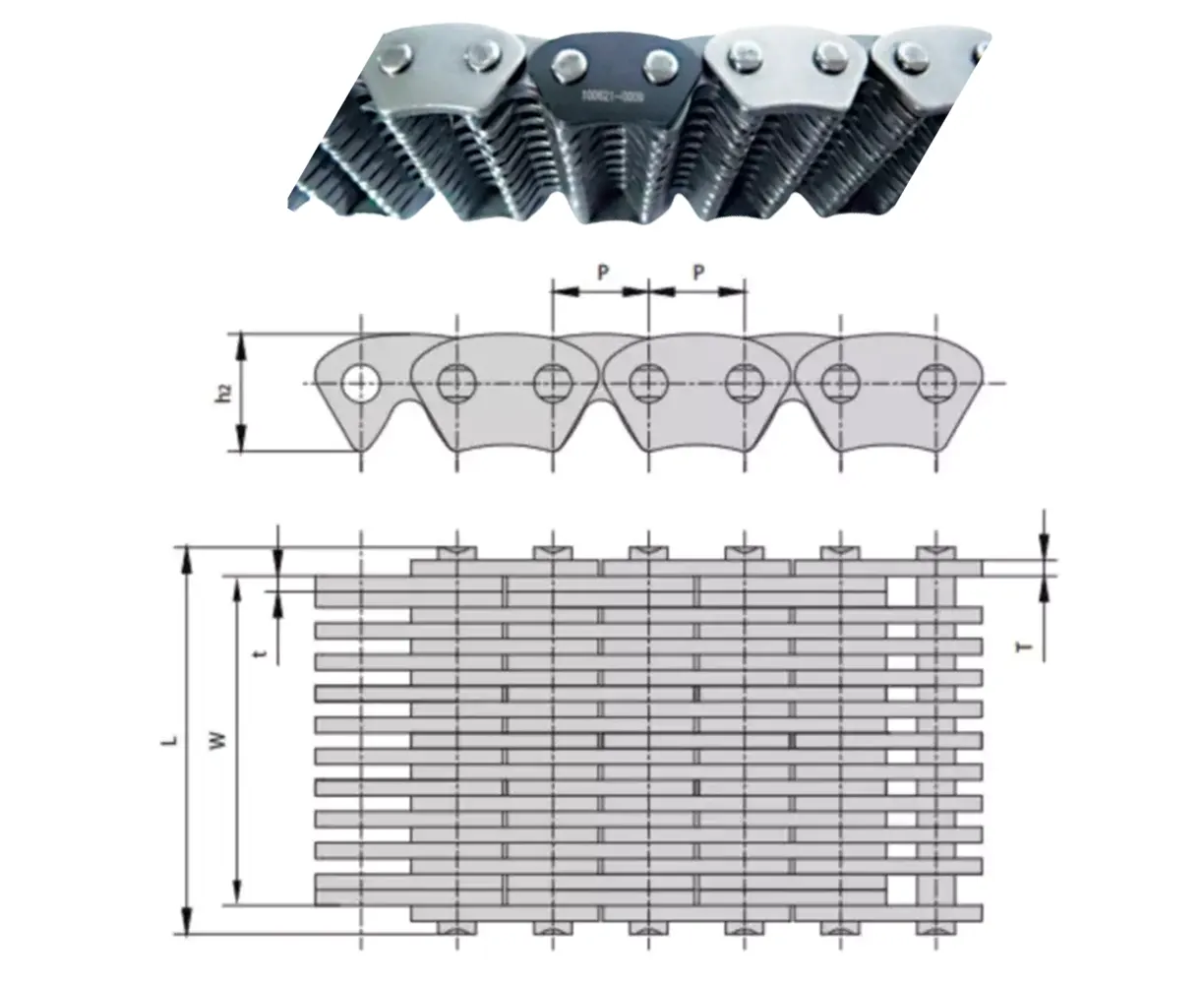
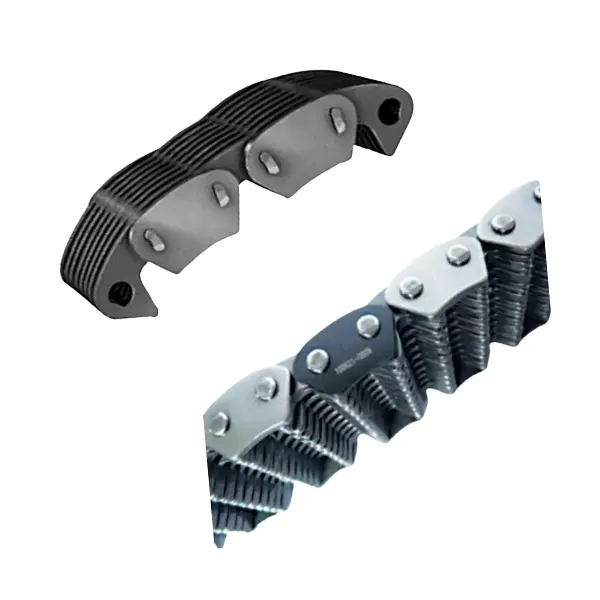
Consider a smaller-pitch multi-strand chain
Use compare whether smaller pitch with additional strands can meet the design power in a smoother geometry. This controls the decision because smaller pitch reduces individual link size and can allow more sprocket teeth within a similar diameter. On the machine, the tradeoff is more chain width, alignment sensitivity, and lubrication across rows. The practical risk is choosing smaller pitch without proper strand-factor calculations can sacrifice capacity.
Confirm it by doing this: use manufacturer ratings and multi-strand factors to compare candidates at actual RPM. The evidence is sufficient when you can select a configuration that meets load capacity and gives a favorable engagement geometry. Note the tool, location, and operating condition with the result.
Restore lubrication and alignment
Work from verify oil reaches pin-bushing joints and the sprocket tooth rows are aligned on parallel shafts. The engineering link is dry joints increase friction and impact while side-loaded chain scrubs and excites vibration. One useful detail is that correct lubricant and alignment often reduce noise without any chain-size change. Otherwise, using a quieter chain on a misaligned drive leaves the root reliability problem in place.
Verify at the drive: inspect joint film, side wear, shaft parallelism, sprocket axial alignment, and runout. Close this check only after you can correct service and geometry faults before redesigning the drive. Keep photographs or dimensions when they help preserve the interface condition.
Control span vibration without over-tensioning
Base the decision on adjust slack and use guides or a properly placed tensioner when long spans or fluctuating loads excite chain vibration. It matters because chain can resonate between sprockets and strike guards even when engagement itself is normal. During service, high pretension may suppress visible motion but increases bearing and joint load. A poor assumption can cause tightening until quiet can trade acoustic improvement for shorter mechanical life.
Use this confirmation: measure free span, observe the dynamic envelope, and evaluate guide or idler placement through full travel. Proceed when you can control motion while retaining the manufacturer-required slack and sprocket wrap. If readings vary around the chain or sprocket, retain the spread instead of hiding it in one average.
Treat worn sprockets and guards as noise amplifiers
The controlling action is to inspect hooked teeth, damaged rollers, loose guards, unsupported covers, and contact points around the chain path. Its significance comes from worn engagement surfaces and thin panels can amplify ordinary chain excitation into objectionable sound. In the field, a new chain can be noisy on old hooked sprockets and a resonant guard can dominate measured sound level. The failure consequence is changing chain type before repairing worn hardware may produce little improvement.
Check the hardware directly: run a low-load test with safe diagnostic damping or component inspection to identify structural resonance and tooth impact. Approval requires that you can replace worn parts and stiffen or isolate guards without reducing service access or safety. Write down any uncertainty that still needs a drawing, manual, or supplier response.
Diagnostic confirmation table
| Point de décision | Inspection ou calcul | Preuves d'acceptation |
|---|---|---|
| Measure or classify the dominant noise source | observe noise versus speed and load and correlate it with chain, sprocket, and process frequencies | identify the source mechanism before changing pitch, tooth count, or guarding |
| Increase small-sprocket tooth count where space allows | calculate the new ratio, diameters, chain length, wrap, and rating for each candidate tooth count | adopt the change only when power capacity and machine speed remain correct |
| Consider a smaller-pitch multi-strand chain | use manufacturer ratings and multi-strand factors to compare candidates at actual RPM | select a configuration that meets load capacity and gives a favorable engagement geometry |
| Restore lubrication and alignment | inspect joint film, side wear, shaft parallelism, sprocket axial alignment, and runout | correct service and geometry faults before redesigning the drive |
| Control span vibration without over-tensioning | measure free span, observe the dynamic envelope, and evaluate guide or idler placement through full travel | control motion while retaining the manufacturer-required slack and sprocket wrap |
| Treat worn sprockets and guards as noise amplifiers | run a low-load test with safe diagnostic damping or component inspection to identify structural resonance and tooth impact | replace worn parts and stiffen or isolate guards without reducing service access or safety |
| For this article, do not close the job until the chain drive noise evidence and every critical mating interface are recorded together. | ||
Some failures that look like chain problems are controlled by neighboring hardware. review sprocket options that influence engagement geometry helps illustrate that broader reducing industrial chain-drive noise context, while the acceptance criteria still come from the actual chain, sprocket, tensioning arrangement, and OEM documentation.
False fixes that hide the root cause
Release check: identify the source mechanism before changing pitch, tooth count, or guarding.
Release check: adopt the change only when power capacity and machine speed remain correct.
Release check: select a configuration that meets load capacity and gives a favorable engagement geometry.
Release check: correct service and geometry faults before redesigning the drive.
Troubleshooting FAQs
Correct the confirmed mechanism and verify the repair
Release the work only when the record connects chain drive noise and sprocket tooth count to the physical condition verified in “Treat worn sprockets and guards as noise amplifiers.” Include photos or measurements where they clarify the interface, and reference the document that owns any exact limit. The industrial chain drive solutions can then be used to explore alternatives without losing the original engineering basis.
Do not hide a remaining assumption inside the purchase description. send the application data to the chain engineering team with the machine duty, measured interfaces, photographs, and the unresolved question around engagement impact. A clear uncertainty is actionable; an undocumented guess becomes a future troubleshooting problem.
Send the operating condition, chain drive noise, sprocket tooth count, layout evidence, and the unresolved interface so the next decision is based on machine data rather than assumption.