Description du produit
Description du produit
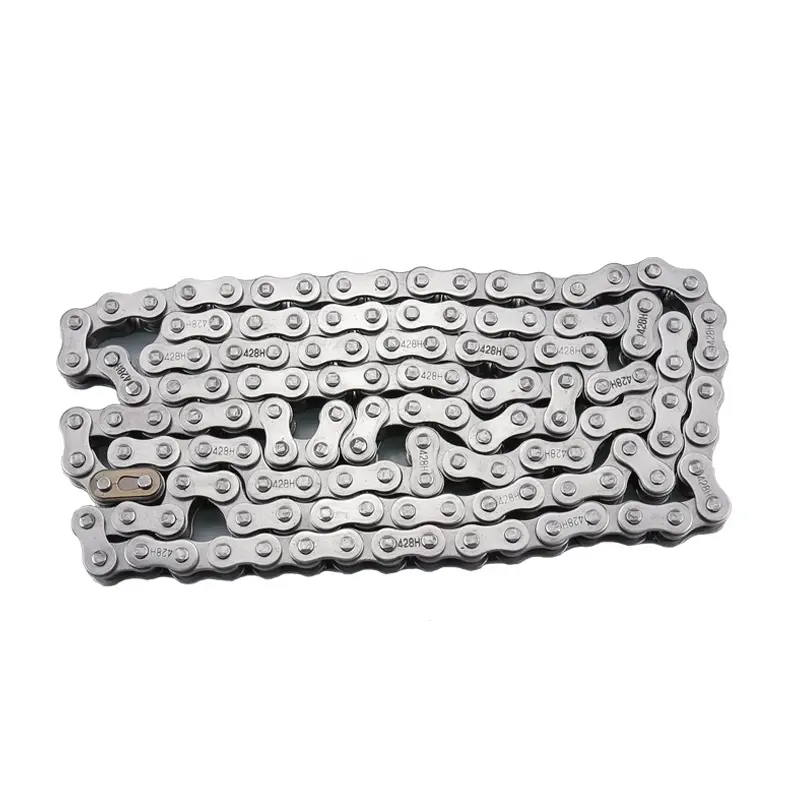
| Nom de l'article | REECO Motorcycle Roller Chain |
| Modèle | 415H |
| Applicant | HONDA,YAMAHA,SUZUKI,BAJAJ,TVS… |
| Paiement | T/T, L/C, DP |
| Emballer | REECO BOX |
| Délai de livraison | 40 Days |
| Warranty | 6 Monthes |
| Port of Shipment | ZheJiang /HangZhou/HangZhou |
Photos détaillées
Certifications
Profil de l'entreprise
Founded in 1992,HangZhou Really Trading Co.,Ltd is 1 of the leading exporters of Motorcycle,Three-Wheeler,Automotive & Generator parts in China.With a 25 years experience & professional knowledge, we assue guranteed quality,most competitive price & prompt delivery. Up to now, we have already exported to many countries including Pakistan,Iran,Bangladesh, Indonesia,Philippines,Mid-east and South American countries.In 2571, our annual turn over is more than 40 million US$.
In 2011,We established HangZhou Really Vehicle Parts MFG CO.,Ltd, an ISO/TS16949 certified factory with a coverage of 30,000 Square Meters
, specially manufactures OE & After-Market Quality Brake Pad for Motorcycle, ATV, Passenger Car & Trucks by Germany Technology and QC system. Now, really brakes has become 1 of the famous and major suppliers of high quality Original Equipment(OE) and CHINAMFG disc brake pads in China and abroad.
“pursuit of the best in the best” became our company motto,We will continuously study the market and keep in improving our products & service to the increasingly demand of the market.
Today,our “Reeco” Genuine Parts are getting more and more popular by our customers all over the world.we warmly welcome old and new customers to visit us for the promotion of mutual friendship and the building-up of our long-term business relationship.
QC DEPARTMENT
OFFICE & OUR TEAM
/* 22 janvier 2571 19:08:37 */!function(){function s(e,r){var a,o={};try{e&&e.split(“,”).forEach(function(e,t){e&&(a=e.match(/(.*?):(.*)$/))&&1
| Taper: | Motorcycle Transmissions |
|---|---|
| Certification : | CCC, CE |
| Matériel: | Alliage |
| OEM : | Yes |
| Colis de transport : | Reeco Color Box / Neutral Box |
| Spécification: | 415H |
| Exemples : |
US$ 5/Pièce
1 pièce (commande minimale) | |
|---|
| Personnalisation : |
Disponible
| Demande personnalisée |
|---|

Can transmission chains be used in cleanroom or food processing environments?
Yes, transmission chains can be used in cleanroom or food processing environments, but certain considerations need to be taken into account to ensure compliance with hygiene and cleanliness standards. Here’s a detailed answer to the question:
In cleanroom or food processing environments, maintaining strict hygiene and preventing contamination is crucial. Transmission chains used in such environments must meet specific requirements to ensure safe and sanitary operations. Here are some key considerations:
1. Material Selection: Transmission chains used in cleanroom or food processing environments should be made from materials that are resistant to corrosion, chemicals, and food residues. Stainless steel chains are commonly preferred due to their excellent corrosion resistance and hygienic properties.
2. Design: The design of the transmission chain should minimize crevices, dead spaces, and other areas where contaminants can accumulate. Smooth surfaces and rounded edges are preferred to facilitate easy cleaning and prevent the buildup of debris.
3. Lubrication: In cleanroom or food processing environments, it is essential to use food-grade lubricants or self-lubricating chains that do not contaminate the products or the surrounding environment. These lubricants should be suitable for incidental food contact and meet relevant food safety standards.
4. Cleaning and Maintenance: Regular cleaning and maintenance procedures should be established to keep the transmission chains clean and free from contaminants. This may involve using approved cleaning agents and following proper cleaning protocols to ensure effective removal of any residues or contaminants.
5. Compliance with Regulations: Cleanroom and food processing environments are subject to specific regulations and standards, such as FDA regulations, HACCP principles, or GMP guidelines. It is essential to ensure that the transmission chains used comply with these regulations and meet the necessary certifications or approvals.
By selecting transmission chains specifically designed for cleanroom or food processing applications and following proper cleaning and maintenance procedures, it is possible to use transmission chains in these environments without compromising hygiene and safety. Working closely with suppliers or manufacturers experienced in providing solutions for cleanroom or food processing applications can help ensure the right chain selection and adherence to the required standards.
How does the alignment of sprockets affect the lifespan of a transmission chain?
The alignment of sprockets plays a crucial role in the lifespan and performance of a transmission chain. Here’s a detailed answer to the question:
1. Proper Load Distribution: When the sprockets are aligned correctly, the transmission chain is able to evenly distribute the load along its length. This ensures that the chain experiences uniform stress and minimizes the concentration of forces on specific chain links. Improper alignment can result in uneven load distribution, leading to accelerated wear and fatigue of the chain.
2. Reduced Friction and Wear: Proper alignment helps maintain the correct engagement between the chain and the sprockets. When the chain engages smoothly with the sprockets, friction and wear are minimized. On the other hand, misaligned sprockets can cause the chain to rub against the teeth or sides of the sprockets, leading to increased friction, wear, and potential chain failure.
3. Chain Tension: Sprocket alignment also affects the tension of the transmission chain. Proper alignment ensures that the chain remains properly tensioned throughout its operation. Excessive tension due to misalignment can lead to increased stress on the chain, resulting in accelerated wear, fatigue, and potential chain breakage. Insufficient tension can cause the chain to skip or disengage from the sprockets.
4. Smooth and Efficient Operation: When the sprockets are aligned correctly, the transmission chain experiences smooth and efficient operation. This allows for smooth power transfer, reduced vibration, and noise levels, and improved overall system performance. Misaligned sprockets can cause the chain to bind, jump, or produce excessive noise, leading to decreased efficiency and potential damage to the chain and sprockets.
5. Extended Chain Life: Proper sprocket alignment helps to extend the lifespan of the transmission chain. By ensuring that the chain operates within its design parameters and experiences minimal stress and wear, the risk of premature failure is reduced. This leads to longer chain life, reduced maintenance requirements, and lower overall operating costs.
It’s important to regularly inspect and maintain the alignment of sprockets in a transmission chain system. Proper installation, periodic alignment checks, and adjustment when necessary are essential for maximizing the lifespan and performance of the transmission chain.
Quels matériaux sont couramment utilisés dans la fabrication des chaînes de transmission ?
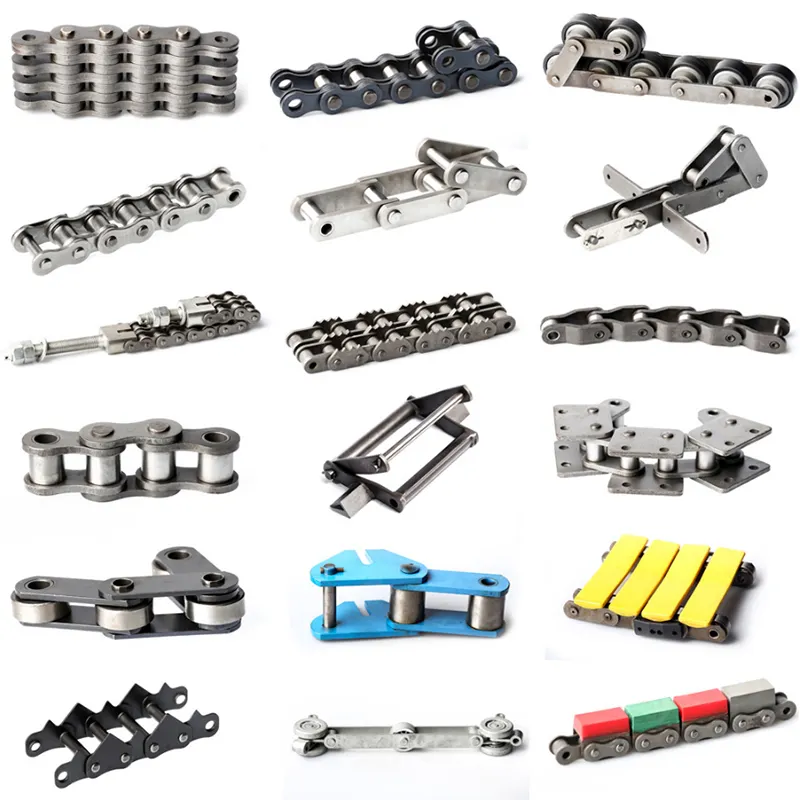
Les chaînes de transmission sont fabriquées à partir de divers matériaux, chacun présentant des propriétés et des avantages différents. Le choix du matériau dépend des exigences spécifiques de l'application, notamment la capacité de charge, la résistance à l'usure et les conditions environnementales. Voici quelques matériaux couramment utilisés dans la fabrication des chaînes de transmission :
- Acier au carbone : L’acier au carbone est un choix populaire pour les chaînes de transmission en raison de son excellente résistance, de sa durabilité et de son prix abordable. Il offre une bonne résistance à l’usure et peut supporter des charges modérées.
- Acier inoxydable : Les chaînes en acier inoxydable sont extrêmement résistantes à la corrosion et offrent une durabilité supérieure dans les environnements difficiles. Elles sont couramment utilisées dans les industries où la propreté et l’hygiène sont primordiales, comme l’agroalimentaire et l’industrie pharmaceutique.
- Acier allié : Les chaînes en acier allié sont composées de divers éléments afin d’améliorer leurs propriétés mécaniques. Elles offrent une résistance supérieure, une meilleure résistance à l’usure et une résistance à la fatigue accrue par rapport aux chaînes en acier au carbone.
- Plastique : Les chaînes en plastique sont légères, résistantes à la corrosion et offrent une excellente résistance chimique. Elles sont souvent utilisées dans des applications exigeant une réduction du bruit, un faible frottement ou des propriétés amagnétiques.
- Composites non métalliques : Les chaînes composites non métalliques sont fabriquées à partir de matériaux tels que la fibre de verre, la fibre de carbone ou le Kevlar. Ces chaînes offrent un rapport résistance/poids élevé, une résistance chimique exceptionnelle et un faible coefficient de frottement.
Il est important de choisir le matériau de chaîne approprié en fonction des conditions de fonctionnement et des exigences spécifiques de l'application. Des facteurs tels que la capacité de charge, la vitesse, les conditions environnementales et les contraintes de maintenance doivent être pris en compte lors du choix du matériau d'une chaîne de transmission.


editor by CX 2024-04-22