Produktbeschreibung
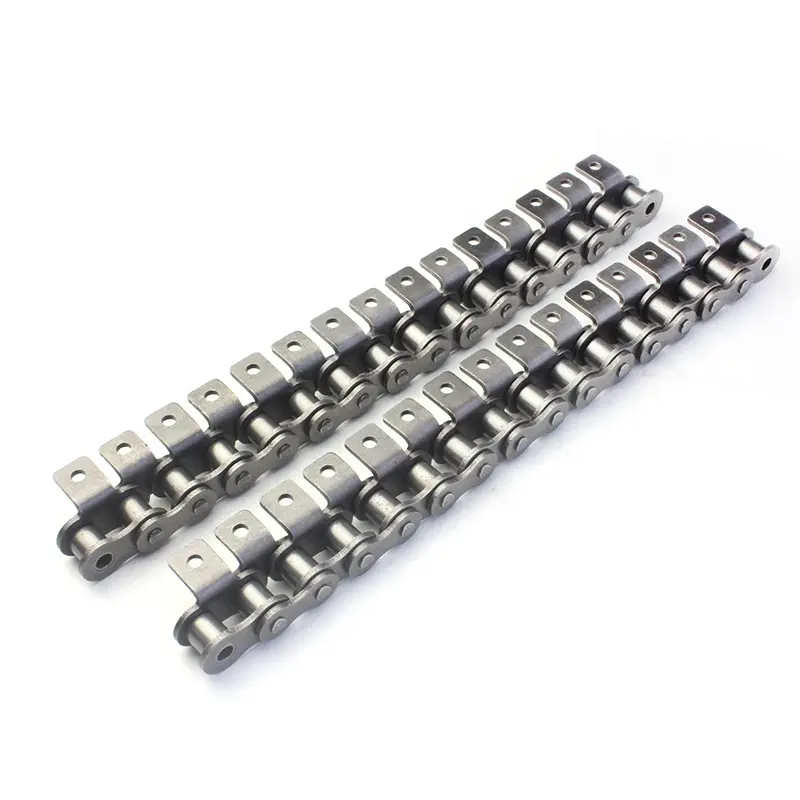
| Model NO. | 06C/08A/10A/12A/16A/20A/24A/28A/32A/40A/06B/08B/10B/12B/16B/20B/24B/28B/32B/40B-1/2/3 Heavy duty |
| Chain Model | Rollenketten |
| Structure (for Chain) | Rollenkette |
| Spezifikation | GB/T, DIN, ANSI, ISO, BS, JIS. |
| Origin | HangZhou, ZheJiang |
| Farbe | Solid Color |
| Chain Color | Customized |
Our company
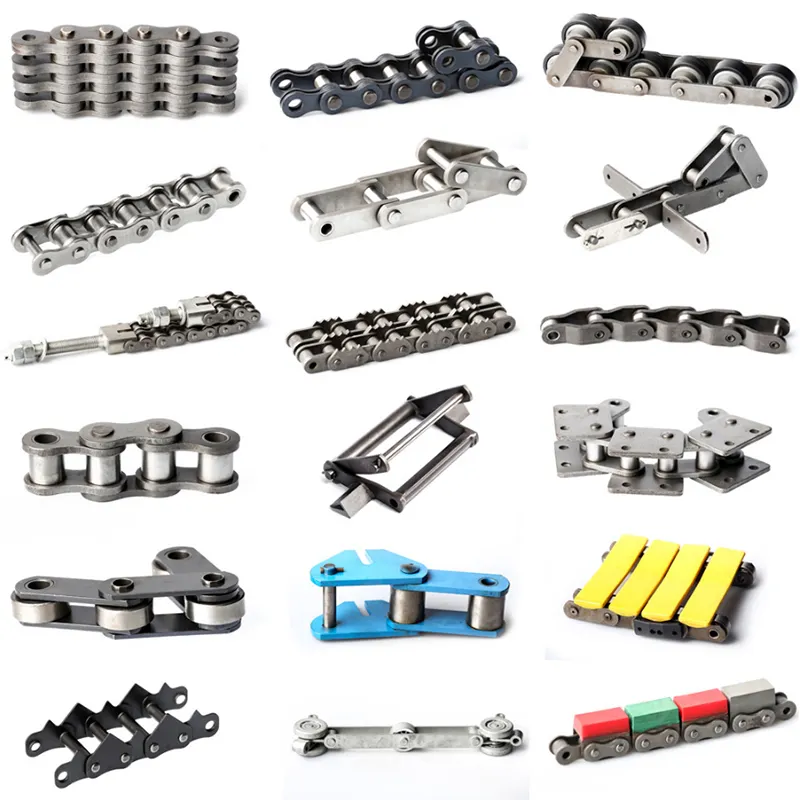
Wolff Chain Co. is 1 of the professional chain manufacturers in China. We focus on reseaching, manufacturing and trading of the chain drive with famous brands — “DOVON” and “DECHO”. We supply OEM services for many famous enterprises such as SUZUKI, XIHU (WEST LAKE) DIS., FAW, AGCO, JUMING as well.
Wolff mainly producing the Transmission chains,Conveyor chains,Dragging Chains,Silent chains,Leaf chains,Roller chains,Special chain and many other series of chain products. Our technicians a have improved the chains quality to the world-level. High quality material selection, powerful and precise heat-treatment technology and excellent assembly methods ensure Wolff chains meet the tough and strict requirements for machines and vehicles.
All of our products completely conform to the international standard such as ISO\DIN\ANSI\BS\JIS, etc. Wolff has been successfully certified by ISO9001 Quality Management System,SGS inspection and BV inspection. Wolff chains can be widely applied to many industries including automobile, motorcycle, forklift, wood processing machine, constructure machine, packing machine, food machine,tobacco machine and agricultural equipments. Wolff chains are popular in America,South America,Europe,Middle East, South East Asia and Africa markets.
Our workshop
Our certification
Welcome to our exhibition
Häufig gestellte Fragen
Q1. Wie lauten Ihre Verpackungsbedingungen?
A: Im Allgemeinen verpacken wir unsere Waren in einfarbigen Kartons. Sollten Sie spezielle Verpackungswünsche haben, besprechen Sie diese bitte im Voraus mit uns. Wir können die Waren dann nach Ihren Wünschen verpacken.
Frage 2: Wie lauten Ihre Zahlungsbedingungen?
A: T/T 30% als Anzahlung und 70% vor Lieferung. Wir zeigen Ihnen Fotos der Produkte und Verpackungen.
Bevor Sie den Restbetrag bezahlen. Andere Zahlungsbedingungen können Sie vorab mit uns besprechen.
Frage 3: Wie lauten Ihre Lieferbedingungen?
A: EXW, FOB, CFR, CIF.
Frage 4: Wie lange ist Ihre Lieferzeit?
A: Im Allgemeinen dauert es 25 bis 30 Tage nach Eingang Ihrer Vorauszahlung. Die genaue Lieferzeit hängt von verschiedenen Faktoren ab.
über die Artikel und die Menge Ihrer Bestellung.
Frage 5: Können Sie nach den Mustern produzieren?
A: Ja, wir können nach Ihren Mustern oder technischen Zeichnungen fertigen. Wir können die Formen und Vorrichtungen herstellen.
Frage 6: Wie sieht Ihre Stichprobenrichtlinie aus?
A: Wir können Ihnen ein Muster zur Verfügung stellen, sofern wir die entsprechenden Teile auf Lager haben. Die Kosten für das Muster müssen jedoch vom Kunden getragen werden.
Die Kurierkosten. Musterbestellungen sind willkommen.
Frage 7: Testen Sie alle Ihre Waren vor der Auslieferung?
A: Ja, wir führen vor der Auslieferung einen 100%-Test durch.
Frage 8: Wie können wir eine langfristige und gute Geschäftsbeziehung aufbauen?
1. Wir achten auf gute Qualität und wettbewerbsfähige Preise, um den Nutzen für unsere Kunden zu gewährleisten;
2. Wir respektieren jeden Kunden als Freund und pflegen aufrichtige Geschäftsbeziehungen und Freundschaften.
| Standard oder Nichtstandard: | Standard |
|---|---|
| Anwendung: | Textile Machinery, Garment Machinery, Conveyer Equipment, Packaging Machinery, Food Machinery, Marine, Mining Equipment |
| Oberflächenbehandlung: | Oil Blooming |
| Struktur: | Rollenkette |
| Material: | Kohlenstoffstahl |
| Typ: | Kurze Teilungskette |
| Proben: |
US$ 0/Stück
1 Stück (Mindestbestellmenge) | |
|---|
| Anpassung: |
Verfügbar
| Kundenspezifische Anfrage |
|---|
How does the length of a transmission chain impact its performance?
The length of a transmission chain plays a significant role in its overall performance and functionality. Here’s a detailed explanation:
1. Proper Fit and Function: The length of a transmission chain needs to be carefully selected to ensure it fits and functions correctly within the designated system. If the chain is too short, it may not be able to reach the sprockets or pulleys properly, leading to ineffective power transmission and potential chain slippage. On the other hand, if the chain is too long, it may sag, create excessive tension, or cause interference with other components, resulting in inefficient operation or premature wear.
2. Tension and Slack Control: The length of a transmission chain affects the tension and slack control within the system. A properly tensioned chain ensures optimal power transmission, reduces backlash, and minimizes the risk of chain derailment. The chain length must be adjusted to maintain the appropriate tension throughout the operating cycle, considering factors such as load variations, temperature changes, and system dynamics.
3. Flexibility and Bending Requirements: The length of a transmission chain influences its flexibility and bending characteristics. Longer chains may have a higher degree of flexibility, allowing them to navigate complex paths or accommodate greater distances between sprockets or pulleys. However, excessive chain length can lead to excessive bending, resulting in increased friction, wear, and potential premature failure.
4. Sprocket Interactions: The length of the transmission chain affects its interaction with the sprockets or pulleys. The number of chain links determines the engagement between the chain and the teeth of the sprockets. Proper length ensures smooth engagement, minimal tooth wear, and efficient power transfer. Incorrect chain length can cause misalignment, increased noise, and accelerated sprocket or chain wear.
5. System Efficiency and Performance: The length of a transmission chain directly impacts the overall efficiency and performance of the system. A properly sized chain ensures optimum power transmission, minimal energy losses, and reliable operation. By selecting the appropriate chain length, system designers can maximize efficiency, minimize wear, and optimize the lifespan of both the chain and related components.
When selecting the length of a transmission chain, it’s crucial to consider the specific requirements of the application, including the distance between sprockets or pulleys, the desired tension, and the expected load conditions. Consulting with chain manufacturers or industry experts can provide valuable guidance in determining the appropriate chain length for optimal performance and longevity.
What are the benefits of using a corrosion-resistant coating on a transmission chain?
A corrosion-resistant coating offers several advantages when applied to a transmission chain. Here’s a detailed answer to the question:
1. Enhanced Durability: Corrosion can significantly impact the lifespan and performance of a transmission chain. By applying a corrosion-resistant coating, the chain is protected from the damaging effects of moisture, chemicals, and environmental factors, increasing its durability and longevity.
2. Rust Prevention: Rust formation on a transmission chain can lead to friction, wear, and reduced functionality. A corrosion-resistant coating acts as a barrier, preventing the chain from coming into direct contact with moisture or corrosive substances, thereby inhibiting rust formation and maintaining the chain’s smooth operation.
3. Improved Performance: Corrosion can affect the smooth movement of the chain, causing stiffness, binding, or seizing. With a corrosion-resistant coating, the chain experiences reduced friction and resistance, leading to improved performance, efficient power transmission, and reduced energy consumption.
4. Reduced Maintenance: A transmission chain with a corrosion-resistant coating requires less frequent maintenance and cleaning compared to an uncoated chain. The coating acts as a protective layer, minimizing the accumulation of dirt, debris, and contaminants, thereby reducing the need for frequent cleaning and maintenance.
5. Cost Savings: The use of a corrosion-resistant coating on a transmission chain can result in long-term cost savings. By extending the lifespan of the chain and reducing maintenance requirements, the need for chain replacements and associated downtime and expenses are minimized.
6. Versatility: Corrosion-resistant coatings are available in various formulations suitable for different environments and applications. Whether the transmission chain operates in outdoor conditions, high humidity, chemical exposure, or other corrosive environments, there are coatings specifically designed to provide optimal protection.
7. Environmental Considerations: Using a corrosion-resistant coating on a transmission chain contributes to environmental sustainability. By extending the life of the chain, fewer resources are consumed in manufacturing replacements, reducing waste generation and promoting a more eco-friendly approach.
It’s important to note that the selection of the appropriate corrosion-resistant coating depends on the specific operating conditions, such as temperature, chemical exposure, and the type of corrosive agents encountered. Consulting with coating manufacturers or experts can help determine the most suitable coating solution for a transmission chain based on the application requirements.
How does the choice of sprockets impact the performance of a transmission chain?
The choice of sprockets has a significant impact on the performance and longevity of a transmission chain. Here’s a detailed explanation:
1. Tooth Profile: The tooth profile of the sprockets should match the design of the transmission chain. Common tooth profiles include standard, modified, and special profiles. Proper matching ensures smooth engagement, reduced noise, and efficient power transmission.
2. Pitch Diameter: The pitch diameter of the sprockets determines the chain’s speed ratio and the rotational speed of the driven component. It should be selected based on the desired speed and torque requirements of the system.
3. Number of Teeth: The number of teeth on the sprockets affects the chain’s engagement and load distribution. Sprockets with a higher number of teeth distribute the load over more contact points, reducing wear and increasing the chain’s capacity to handle higher loads.
4. Material Selection: The material of the sprockets should be compatible with the chain and the operating environment. Common materials include steel, stainless steel, and plastics. Consider factors such as strength, wear resistance, and corrosion resistance when selecting the sprocket material.
5. Sprocket Hardness: The hardness of the sprockets is important to withstand the chain’s contact forces and resist wear. Proper hardness ensures that the sprockets maintain their tooth profile and engage with the chain effectively over an extended period.
6. Sprocket Alignment: Proper alignment of the sprockets is crucial to minimize wear, noise, and premature failure. Misalignment can lead to uneven load distribution, increased stress on the chain, and accelerated wear. Ensure that the sprockets are aligned both axially and radially to maintain optimal performance.
7. Lubrication: Sprockets should be adequately lubricated to reduce friction, wear, and heat generation. Proper lubrication ensures smooth rotation and minimizes the risk of chain failure. Consider using lubricants specifically formulated for sprocket and chain applications.
8. Maintenance: Regular inspection and maintenance of the sprockets are essential to detect any signs of wear, misalignment, or damage. Replace worn or damaged sprockets promptly to prevent chain slippage, excessive wear, and potential system failure.
Choosing the appropriate sprockets that are compatible with the transmission chain and the operating conditions is critical for achieving reliable and efficient performance. Consult the manufacturer’s guidelines and recommendations for selecting the right sprockets based on the specific application requirements.


editor by CX 2023-07-27