وصف المنتج
| رقم الموديل | 06C/08A/10A/12A/16A/20A/24A/28A/32A/40A/06B/08B/10B/12B/16B/20B/24B/28B/32B/40B-1/2/3 خدمة شديدة التحمل |
| نموذج السلسلة | سلاسل بكرات |
| الهيكل (للسلسلة) | سلسلة بكرات |
| مواصفة | GB/T، DIN، ANSI، ISO، BS، JIS. |
| أصل | هانغتشو، تشجيانغ |
| لون | لون موحد |
| لون السلسلة | مخصص |
شركتنا
تُعدّ شركة وولف تشين واحدة من أبرز الشركات المصنّعة للسلاسل في الصين. نُركّز على البحث والتطوير والتصنيع والتجارة في أنظمة نقل الحركة بالسلاسل، ونُقدّم منتجات من علامات تجارية شهيرة مثل "دوفون" و"ديتشو". كما نُقدّم خدمات التصنيع الأصلي (OEM) للعديد من الشركات العالمية الرائدة، مثل سوزوكي، وشيهو (ويست ليك)، وفاو، وأجكو، وجومينغ.
تُنتج شركة وولف بشكل رئيسي سلاسل النقل، وسلاسل السيور الناقلة، وسلاسل الجر، والسلاسل الصامتة، والسلاسل الورقية، وسلاسل البكرات، والسلاسل الخاصة، والعديد من أنواع السلاسل الأخرى. وقد ارتقى فنيونا بجودة السلاسل إلى مستوى عالمي. ويضمن اختيار المواد عالية الجودة، وتقنية المعالجة الحرارية الدقيقة والفعالة، وأساليب التجميع الممتازة، أن تلبي سلاسل وولف المتطلبات الصارمة والدقيقة للآلات والمركبات.
تتوافق جميع منتجاتنا تمامًا مع المعايير الدولية مثل ISO وDIN وANSI وBS وJIS وغيرها. وقد حصلت شركة وولف بنجاح على شهادة نظام إدارة الجودة ISO9001، بالإضافة إلى شهادات فحص من SGS وBV. تُستخدم سلاسل وولف على نطاق واسع في العديد من الصناعات، بما في ذلك صناعة السيارات والدراجات النارية والرافعات الشوكية وآلات معالجة الأخشاب وآلات البناء وآلات التعبئة والتغليف وآلات تصنيع الأغذية وآلات التبغ والمعدات الزراعية. تحظى سلاسل وولف بشعبية واسعة في أسواق أمريكا الجنوبية وأوروبا والشرق الأوسط وجنوب شرق آسيا وأفريقيا.
ورشة عملنا
شهادتنا
أهلاً بكم في معرضنا
التعليمات
سؤال1. ما هي شروط التعبئة والتغليف لديكم؟
ج: عادةً ما نقوم بتعبئة بضائعنا في صناديق ذات لون واحد. إذا كان لديك طلب خاص بشأن التعبئة، فيرجى التواصل معنا مسبقًا، وسنقوم بتعبئة البضائع وفقًا لطلبك.
س2. ما هي شروط الدفع الخاصة بكم؟
ج: يتم الدفع عن طريق التحويل المصرفي T/T 30% كدفعة مقدمة، و70% قبل التسليم. سنعرض لكم صور المنتجات والتغليف.
قبل سداد المبلغ المتبقي. أما بالنسبة لشروط الدفع الأخرى، فيرجى التفاوض معنا مسبقاً، ويمكننا مناقشتها.
س٣. ما هي شروط التسليم الخاصة بكم؟
أ: EXW، FOB، CFR، CIF.
س4. ماذا عن وقت التسليم لديكم؟
ج: بشكل عام، يستغرق الأمر من 25 إلى 30 يومًا بعد استلام دفعتك المقدمة. يعتمد وقت التسليم المحدد على
بخصوص المنتجات وكمية طلبك.
س5. هل يمكنك الإنتاج وفقًا للعينات؟
ج: نعم، يمكننا الإنتاج بناءً على عيناتكم أو رسوماتكم الفنية. يمكننا بناء القوالب والتجهيزات.
س6. ما هي سياسة العينات لديكم؟
ج: يمكننا توفير عينة إذا كانت لدينا قطع جاهزة في المخزون، ولكن يتعين على العملاء دفع تكلفة العينة و
تكلفة الشحن. نرحب بطلبات العينات.
س7. هل تقومون باختبار جميع منتجاتكم قبل التسليم؟
ج: نعم، نجري اختبار 100% قبل التسليم
س8: كيف تجعلون أعمالنا التجارية طويلة الأمد وعلاقة جيدة؟
1. نحافظ على الجودة العالية والأسعار التنافسية لضمان استفادة عملائنا؛
2. نحن نحترم كل عميل كصديق لنا، ونتعامل معه بصدق ونبني معه علاقات صداقة.
| قياسي أم غير قياسي: | معيار |
|---|---|
| طلب: | آلات النسيج، آلات الملابس، معدات النقل، آلات التعبئة والتغليف، آلات الأغذية، المعدات البحرية، معدات التعدين |
| معالجة السطح: | ازدهار الزيت |
| بناء: | سلسلة بكرات |
| مادة: | الفولاذ الكربوني |
| يكتب: | سلسلة قصيرة الخطوة |
| أمثلة: |
US$ 0/قطعة
قطعة واحدة (الحد الأدنى للطلب) | |
|---|
| التخصيص: |
متاح
| طلب مخصص |
|---|
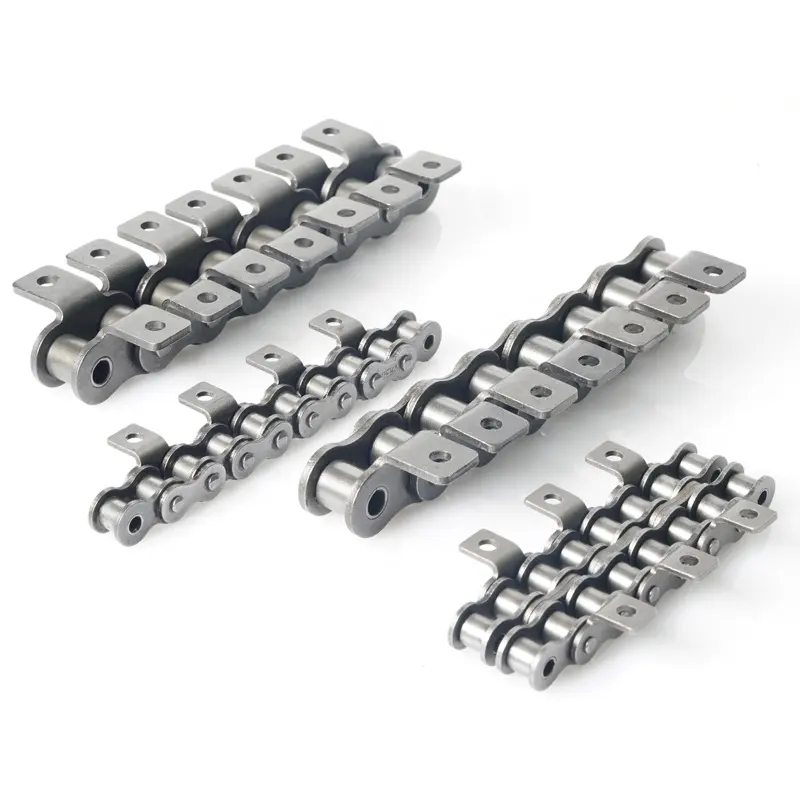
ما هي فوائد استخدام سلسلة نقل الحركة المقاومة للتآكل؟
يوفر استخدام سلسلة نقل حركة مقاومة للتآكل العديد من المزايا من حيث الأداء والمتانة والفعالية من حيث التكلفة. إليك إجابة مفصلة على السؤال:
1. عمر أطول: صُممت سلاسل نقل الحركة المقاومة للتآكل خصيصًا لتحمل الظروف البيئية القاسية ومقاومة آثار التآكل. وهي مصنوعة من مواد مثل الفولاذ المقاوم للصدأ، أو الفولاذ المطلي بالنيكل، أو طبقات طلاء مثل الزنك أو الكروم، مما يوفر حماية ممتازة ضد التآكل. باستخدام سلسلة مقاومة للتآكل، يمكنك إطالة عمرها بشكل ملحوظ وتقليل الحاجة إلى استبدالها بشكل متكرر.
٢. أداء موثوق: يمكن أن يؤثر التآكل سلبًا على أداء سلاسل النقل من خلال التسبب في التآكل والاحتكاك والانحشار. تحافظ السلاسل المقاومة للتآكل على تشغيلها السلس وأدائها المتسق مع مرور الوقت، مما يضمن نقلًا موثوقًا للطاقة ويقلل من خطر تعطل السلسلة أو توقفها عن العمل.
3. تقليل الصيانة: تتطلب السلاسل المقاومة للتآكل صيانة أقل مقارنةً بالسلاسل العادية. فهي أقل عرضةً للصدأ والتلف، مما يؤدي إلى انخفاض تكاليف الصيانة والوقت المستغرق في تشحيم السلاسل وتنظيفها واستبدالها. وهذا مفيدٌ بشكلٍ خاص في الصناعات التي يصعب فيها الوصول إلى الصيانة أو تكون مكلفة.
4. توفير التكاليف: على الرغم من أن السلاسل المقاومة للتآكل قد تكون تكلفتها الأولية أعلى مقارنةً بالسلاسل العادية، إلا أنها توفر وفورات طويلة الأجل. فعمرها الطويل وانخفاض متطلبات صيانتها يؤديان إلى انخفاض تكاليف التشغيل الإجمالية وتحسين موثوقية المعدات. إضافةً إلى ذلك، فإن تجنب التلف المبكر للسلاسل بسبب التآكل يمنع تلف المعدات المكلف وتوقف الإنتاج.
٥. التنوع: تتميز سلاسل النقل المقاومة للتآكل بملاءمتها لمجموعة واسعة من التطبيقات والبيئات. يمكن استخدامها في صناعات مثل تصنيع الأغذية، والصناعات البحرية، والكيميائية، والصيدلانية، أو معدات الهواء الطلق، حيث يشيع التعرض للرطوبة، والمواد الكيميائية، والمياه المالحة، أو غيرها من المواد المسببة للتآكل. يتيح تنوع استخدامات هذه السلاسل المقاومة للتآكل إمكانية نشرها في ظروف تشغيل متنوعة دون المساس بالأداء أو المتانة.
6. الامتثال للوائح: في بعض الصناعات، مثل صناعة الأغذية أو الأدوية، تُطبق لوائح صارمة ومعايير صحية دقيقة. يساعد استخدام السلاسل المقاومة للتآكل على تلبية هذه المتطلبات التنظيمية، مما يضمن سلامة المنتج وسلامته ومطابقته لمعايير الصناعة.
باختيار سلسلة نقل حركة مقاومة للتآكل، يمكنك الاستفادة من عمرها الطويل، وأدائها الموثوق، وتقليل الصيانة، وتوفير التكاليف، وتعدد استخداماتها، ومطابقتها للوائح. من المهم مراعاة متطلبات التطبيق المحددة والظروف البيئية عند اختيار سلسلة نقل الحركة المقاومة للتآكل المناسبة لتحقيق الأداء الأمثل وطول العمر.
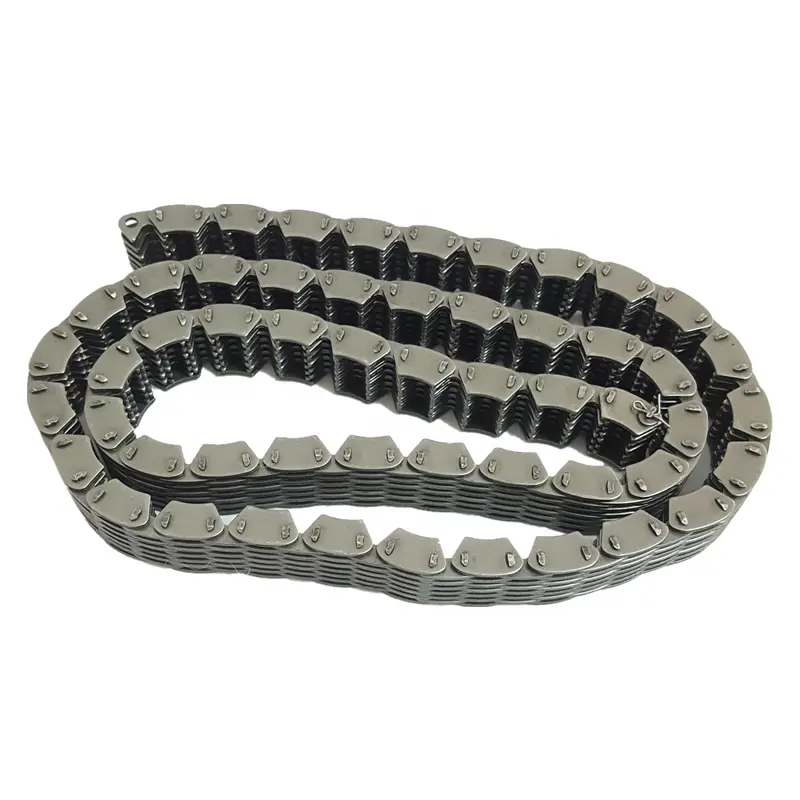
ما هي مزايا استخدام سلسلة نقل الحركة ذات الخطوة المزدوجة؟
توفر سلسلة نقل الحركة ذات الخطوة المزدوجة العديد من المزايا في تطبيقات معينة. إليك إجابة مفصلة على السؤال:
1. فعالية من حيث التكلفة: عادةً ما تكون سلاسل نقل الحركة ذات الخطوة المزدوجة أقل تكلفة مقارنةً بسلاسل الخطوة القياسية. وهذا يجعلها خيارًا فعالًا من حيث التكلفة للتطبيقات التي لا تتطلب دقة عالية وقدرة تحمل عالية للأحمال.
2. وزن أخف: تتميز السلاسل ذات الخطوة المزدوجة بوزن أخف مقارنةً بالسلاسل ذات الخطوة القياسية من نفس الطول. وهذا يُعد ميزةً في التطبيقات التي تتطلب تقليل الوزن، مثل المعدات المحمولة أو أنظمة النقل.
3. تقليل الضوضاء والاهتزاز: يساعد طول خطوة السلاسل ذات الخطوة المزدوجة على تقليل مستويات الضوضاء والاهتزاز أثناء التشغيل. وهذا مفيد في التطبيقات التي يكون فيها تقليل الضوضاء أمرًا بالغ الأهمية، كما هو الحال في السيارات أو الآلات الصناعية.
4. قدرة أعلى على السرعة: تتميز السلاسل ذات الخطوة المزدوجة بقدرتها على العمل بسرعات أعلى مقارنةً بالسلاسل ذات الخطوة القياسية. وتتيح الخطوة الأطول حركة أكثر سلاسة وكفاءة، مما يجعلها مناسبة للتطبيقات التي تتطلب تشغيلاً عالي السرعة.
5. عمر أطول: بفضل طول خطوتها، توزع السلاسل ذات الخطوة المزدوجة الحمل على مساحة سطح أكبر، مما يقلل من الإجهاد والتآكل على مكونات السلسلة الفردية. وهذا بدوره قد يؤدي إلى عمر خدمة أطول مقارنةً بالسلاسل ذات الخطوة القياسية.
6. خيارات التخصيص: يمكن تخصيص السلاسل ذات الخطوة المزدوجة لتلبية متطلبات التطبيقات المحددة. ويمكن تصنيعها بمواد وطلاءات وملحقات مختلفة لتحسين أدائها في بيئات أو تطبيقات معينة.
7. التوافر الواسع: تتوفر سلاسل نقل الحركة ذات الخطوة المزدوجة على نطاق واسع في السوق، مما يجعلها متاحة بسهولة لمختلف الصناعات والتطبيقات. وهي تأتي بأحجام وتكوينات مختلفة لتناسب قدرات التحميل المختلفة وتصاميم الأنظمة المتنوعة.
من المهم ملاحظة أنه على الرغم من أن سلاسل نقل الحركة ذات الخطوة المزدوجة توفر مزايا في تطبيقات معينة، إلا أنها قد لا تكون مناسبة لجميع التطبيقات. لذا، ينبغي مراعاة عوامل مثل سعة التحميل والسرعة والدقة والظروف البيئية عند اختيار السلسلة المناسبة لتطبيق معين.
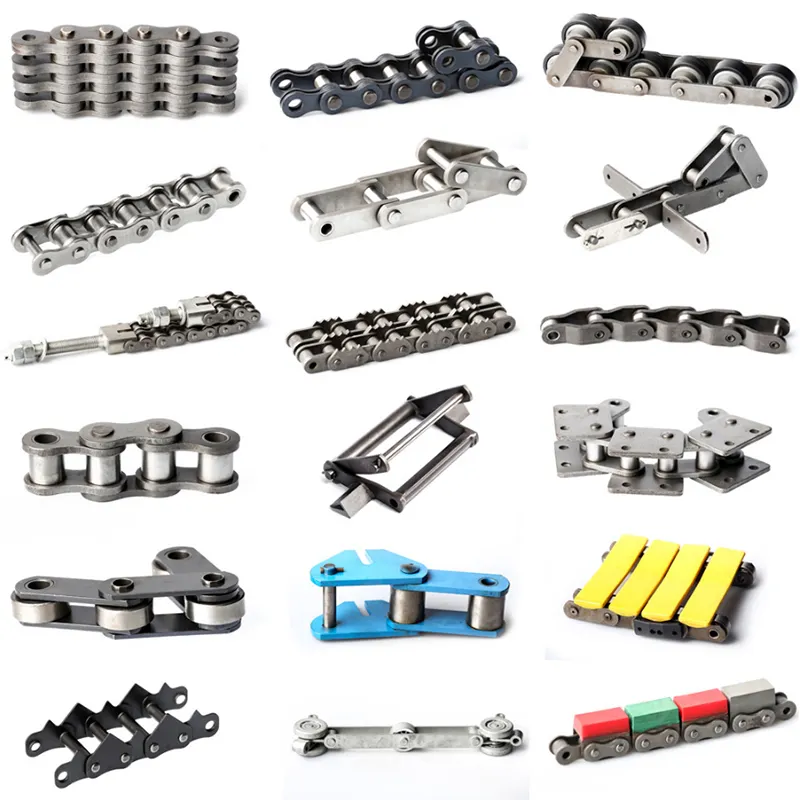
ما هي المواد الشائعة الاستخدام في تصنيع سلاسل نقل الحركة؟
تُصنع سلاسل نقل الحركة باستخدام مواد متنوعة، لكل منها خصائص ومزايا مختلفة. يعتمد اختيار المادة على متطلبات التطبيق المحددة، بما في ذلك قدرة التحمل، ومقاومة التآكل، والظروف البيئية. فيما يلي بعض المواد الشائعة الاستخدام في تصنيع سلاسل نقل الحركة:
- الفولاذ الكربوني: يُعد الفولاذ الكربوني خيارًا شائعًا لسلاسل نقل الحركة نظرًا لقوته ومتانته الممتازة، بالإضافة إلى سعره المعقول. كما أنه يتميز بمقاومة جيدة للتآكل، ويتحمل أحمالًا متوسطة.
- الفولاذ المقاوم للصدأ: تتميز سلاسل الفولاذ المقاوم للصدأ بمقاومتها العالية للتآكل، وتوفر متانة فائقة في البيئات القاسية. وهي شائعة الاستخدام في الصناعات التي تُعد فيها النظافة والتعقيم أمراً بالغ الأهمية، مثل صناعة الأغذية والأدوية.
- الفولاذ السبائكي: تُصنع سلاسل الفولاذ السبائكي من سبائك تحتوي على عناصر مختلفة لتحسين خصائصها الميكانيكية. وتتميز هذه السلاسل بقوة أعلى، ومقاومة أكبر للتآكل، ومقاومة أفضل للإجهاد مقارنةً بسلاسل الفولاذ الكربوني.
- البلاستيك: تتميز السلاسل البلاستيكية بخفة وزنها ومقاومتها للتآكل ومقاومتها الكيميائية الممتازة. وغالبًا ما تُستخدم في التطبيقات التي تتطلب تقليل الضوضاء أو انخفاض الاحتكاك أو خصائص غير مغناطيسية.
- المواد المركبة غير المعدنية: تُصنع السلاسل المركبة غير المعدنية من مواد مثل الألياف الزجاجية أو ألياف الكربون أو الكيفلار. وتتميز هذه السلاسل بنسبة عالية من القوة إلى الوزن، ومقاومة كيميائية استثنائية، وخصائص احتكاك منخفضة.
من المهم اختيار مادة السلسلة المناسبة بناءً على ظروف التشغيل ومتطلبات التطبيق المحددة. يجب مراعاة عوامل مثل سعة التحميل والسرعة والظروف البيئية واعتبارات الصيانة عند اختيار مادة سلسلة النقل.


تم التحرير بواسطة CX بتاريخ 26-10-2023