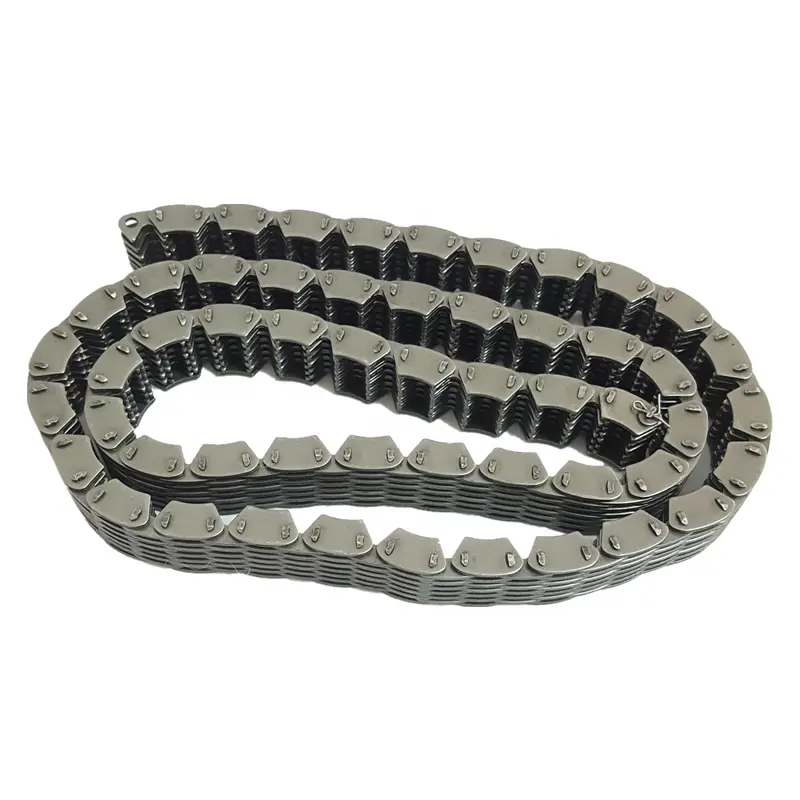
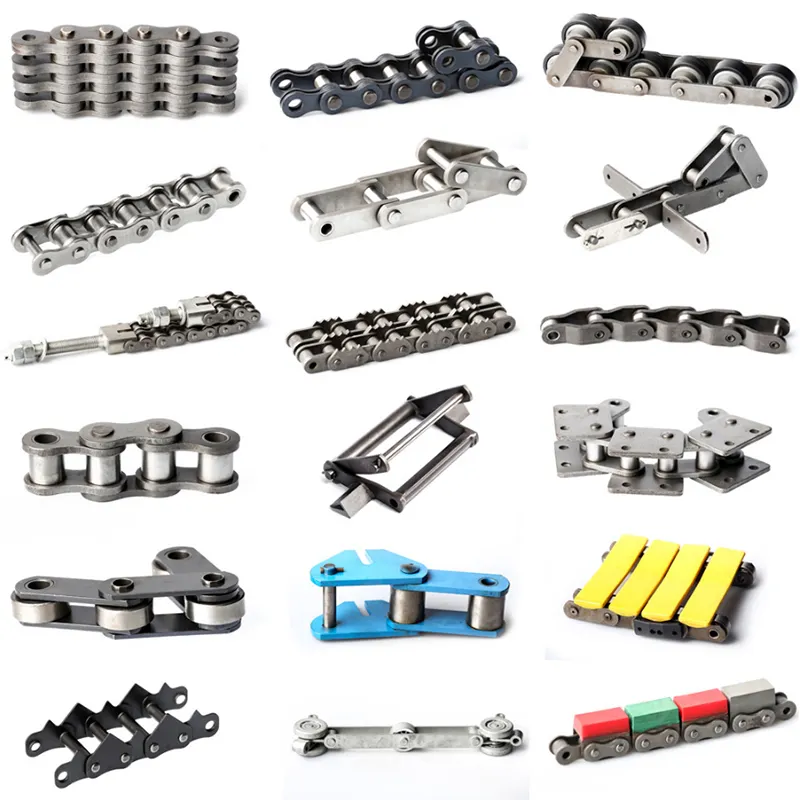
产品描述
| Model NO. | 06C/08A/10A/12A/16A/20A/24A/28A/32A/40A/06B/08B/10B/12B/16B/20B/24B/28B/32B/40B-1/2/3 Heavy duty |
| Chain Model | 滚子链 |
| Structure (for Chain) | 滚子链 |
| Specification | GB/T, DIN, ANSI, ISO, BS, JIS. |
| Origin | HangZhou, ZheJiang |
| Color | Solid Color |
| Chain Color | Customized |
Our company
Wolff Chain Co. is 1 of the professional chain manufacturers in China. We focus on reseaching, manufacturing and trading of the chain drive with famous brands — “DOVON” and “DECHO”. We supply OEM services for many famous enterprises such as SUZUKI, XIHU (WEST LAKE) DIS., FAW, AGCO, JUMING as well.
Wolff mainly producing the Transmission chains,Conveyor chains,Dragging Chains,Silent chains,Leaf chains,Roller chains,Special chain and many other series of chain products. Our technicians a have improved the chains quality to the world-level. High quality material selection, powerful and precise heat-treatment technology and excellent assembly methods ensure Wolff chains meet the tough and strict requirements for machines and vehicles.
All of our products completely conform to the international standard such as ISO\DIN\ANSI\BS\JIS, etc. Wolff has been successfully certified by ISO9001 Quality Management System,SGS inspection and BV inspection. Wolff chains can be widely applied to many industries including automobile, motorcycle, forklift, wood processing machine, constructure machine, packing machine, food machine,tobacco machine and agricultural equipments. Wolff chains are popular in America,South America,Europe,Middle East, South East Asia and Africa markets.
Our workshop
Our certification
Welcome to our exhibition
FAQ
Q1. What is your terms of packing?
A: Generally, we pack our goods in single color box. If you have special request about packing, pls negotiate with us in advance, we can pack the goods as your request.
Q2. What is your terms of payment?
A: T/T 30% as deposit, and 70% before delivery. We’ll show you the photos of the products and packages
before you pay the balance. Other payments terms, pls negotiate with us in advance, we can discuss.
Q3. What is your terms of delivery?
A: EXW, FOB, CFR, CIF.
Q4. How about your delivery time?
A: Generally, it will take 25 to 30 days after receiving your advance payment. The specific delivery time depends
on the items and the quantity of your order.
Q5. Can you produce according to the samples?
A: Yes, we can produce by your samples or technical drawings. We can build the molds and fixtures.
Q6. What is your sample policy?
A: We can supply the sample if we have ready parts in stock, but the customers have to pay the sample cost and
the courier cost.We welcome sample order.
Q7. Do you test all your goods before delivery?
A: Yes, we have 100% test before delivery
Q8: How do you make our business long-term and good relationship?
1. We keep good quality and competitive price to ensure our customers benefit ;
2. We respect every customer as our friend and we sincerely do business and make friends with them,
| Standard or Nonstandard: | Standard |
|---|---|
| Application: | Textile Machinery, Garment Machinery, Conveyer Equipment, Packaging Machinery, Food Machinery, Marine, Mining Equipment |
| 表面处理: | Oil Blooming |
| 结构: | 滚子链 |
| 材料: | Carbon Steel |
| Type: | Short Pitch Chain |
| Samples: |
US$ 0/Piece
1 Piece(Min.Order) | |
|---|
| 定制化: |
可用的
| 定制请求 |
|---|
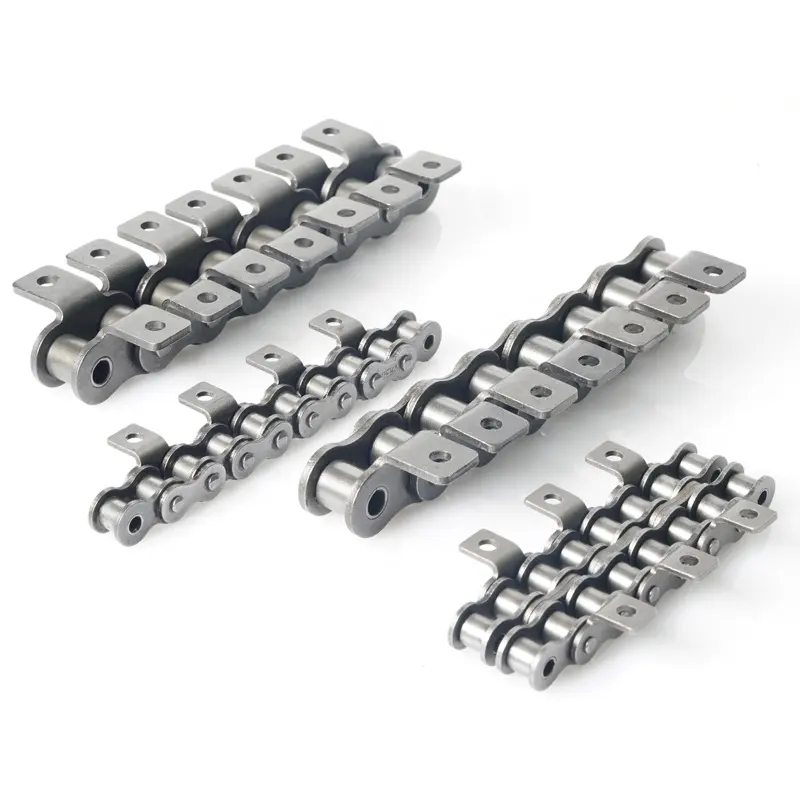
What are the benefits of using a corrosion-resistant transmission chain?
Using a corrosion-resistant transmission chain offers several advantages in terms of performance, durability, and cost-effectiveness. Here’s a detailed answer to the question:
1. Extended Lifespan: Corrosion-resistant transmission chains are specifically designed to withstand harsh environments and resist the effects of corrosion. They are made from materials such as stainless steel, nickel-plated steel, or coatings like zinc or chrome, which provide excellent protection against corrosion. By using a corrosion-resistant chain, you can significantly extend the lifespan of the chain and reduce the need for frequent replacements.
2. Reliable Performance: Corrosion can negatively impact the performance of transmission chains by causing wear, friction, and binding. Corrosion-resistant chains maintain their smooth operation and consistent performance over time, ensuring reliable power transmission and reducing the risk of chain failure or downtime.
3. Reduced Maintenance: Corrosion-resistant chains require less maintenance compared to standard chains. They are less prone to rust and degradation, resulting in lower maintenance costs and time spent on chain lubrication, cleaning, and replacement. This is particularly beneficial in industries where maintenance accessibility is challenging or costly.
4. Cost Savings: although corrosion-resistant chains may have a higher upfront cost compared to standard chains, they offer long-term cost savings. The extended lifespan and reduced maintenance requirements result in lower overall operating costs and improved equipment reliability. Additionally, avoiding premature chain failure due to corrosion can prevent costly equipment damage and production downtime.
5. Versatility: Corrosion-resistant transmission chains are suitable for a wide range of applications and environments. They can be used in industries such as food processing, marine, chemical, pharmaceutical, or outdoor equipment, where exposure to moisture, chemicals, s altwater, or other corrosive substances is common. The versatility of corrosion-resistant chains allows them to be deployed in diverse operating conditions without compromising performance or durability.
6. Compliance with Regulations: In certain industries, such as food processing or pharmaceuticals, strict regulations and hygiene standards are in place. Using corrosion-resistant chains helps meet these regulatory requirements, ensuring product integrity, safety, and compliance with industry standards.
By choosing a corrosion-resistant transmission chain, you can benefit from its extended lifespan, reliable performance, reduced maintenance, cost savings, versatility, and compliance with regulations. It is important to consider the specific application requirements and environmental conditions when selecting the appropriate corrosion-resistant chain for optimal performance and longevity.

What are the advantages of using a double-pitch transmission chain?
A double-pitch transmission chain offers several advantages in certain applications. Here’s a detailed answer to the question:
1. Cost-Effective: Double-pitch transmission chains are typically less expensive compared to standard pitch chains. This makes them a cost-effective choice for applications where high precision and high load capacity are not essential.
2. Lighter Weight: Double-pitch chains are lighter in weight compared to standard pitch chains of the same length. This can be advantageous in applications where weight reduction is desired, such as in portable equipment or conveyor systems.
3. Reduced Noise and Vibration: The longer pitch of double-pitch chains helps to reduce noise and vibration levels during operation. This can be beneficial in applications where noise reduction is important, such as in automotive or industrial machinery.
4. Higher Speed Capability: Double-pitch chains can operate at higher speeds compared to standard pitch chains. The longer pitch allows for smoother and more efficient motion, making them suitable for applications that require high-speed operation.
5. Extended Life: Due to their longer pitch, double-pitch chains distribute the load over a larger surface area, reducing stress and wear on individual chain components. This can result in an extended service life compared to standard pitch chains.
6. Customization Options: Double-pitch chains can be customized to meet specific application requirements. They can be made with different materials, coatings, and attachments to enhance their performance in specific environments or applications.
7. Wide Availability: Double-pitch transmission chains are widely available in the market, making them easily accessible for various industries and applications. They come in different sizes and configurations to accommodate different load capacities and system designs.
It’s important to note that while double-pitch transmission chains offer advantages in certain applications, they may not be suitable for all applications. Factors such as load capacity, speed, precision, and environmental conditions should be considered when selecting the appropriate chain for a specific application.

What materials are commonly used in manufacturing transmission chains?
Transmission chains are manufactured using various materials, each offering different properties and advantages. The choice of material depends on the specific application requirements, including load capacity, wear resistance, and environmental conditions. Here are some commonly used materials in the manufacturing of transmission chains:
- Carbon Steel: Carbon steel is a popular choice for transmission chains due to its excellent strength, durability, and affordability. It provides good wear resistance and can handle moderate loads.
- Stainless Steel: Stainless steel chains are highly resistant to corrosion and offer superior durability in challenging environments. They are commonly used in industries where cleanliness and hygiene are critical, such as food processing and pharmaceuticals.
- Alloy Steel: Alloy steel chains are alloyed with various elements to enhance their mechanical properties. They offer higher strength, increased wear resistance, and improved fatigue resistance compared to carbon steel chains.
- Plastic: Plastic chains are lightweight, corrosion-resistant, and offer excellent chemical resistance. They are often used in applications where noise reduction, low friction, or non-magnetic properties are required.
- Non-metallic Composites: Non-metallic composite chains are made from materials such as fiberglass, carbon fiber, or Kevlar. These chains offer high strength-to-weight ratios, exceptional chemical resistance, and low friction characteristics.
It’s important to select the appropriate chain material based on the specific operating conditions and requirements of the application. Factors such as load capacity, speed, environmental conditions, and maintenance considerations should be taken into account when choosing the material for a transmission chain.


editor by CX 2023-10-26