وصف المنتج
سلاسل بكرات دقيقة ذات خطوة قصيرة
أ. خدماتنا:
1. سيتم الرد على أي استفسار من جانبكم بخصوص السلسلة في غضون 24 ساعة.
2. سيقوم موظفو المبيعات المدربون تدريباً جيداً وذوو الخبرة بالرد على جميع استفساراتكم باللغة الإنجليزية بطلاقة.
3. خدمات تصنيع المعدات الأصلية (OEM) متوفرة لدينا، وسيقوم مصممنا المحترف بتحويل فكرتك الخاصة إلى واقع ملموس.
4. حماية منطقة مبيعاتك، وأفكار التصميم، وجميع معلوماتك الخاصة.
5. يتم توصيل طلباتكم عن طريق البريد الجوي أو الشحن البحري.
6. بفضل سنوات من الخبرة في التصنيع والترويج في السوق العالمية، نضمن لك الربح والنجاح الباهر!
ب. وصف المنتج:
| أسلوب: | سلاسل بكرات أحادية، سلاسل بكرات ثنائية، سلاسل بكرات ثلاثية، سلاسل بكرات متعددة |
| رقم السلسلة: (ANSI/ISO) | 03C، 04C، 06C، 08A، 10A، 12A-~ 48A |
| رقم السلسلة: (ANSI) | 15, 25,35,41,40,50 ~ 240 |
| يقذف: | 4.7625 مم ~ 76.200 مم |
ج. عرض الشركة وعملية المنتج
د. التغليف والشهادة
| تفاصيل التغليف: | سلسلة + كيس بلاستيكي + صندوق محايد + صندوق خشبي + كرتون كبير + منصات نقالة فولاذية |
| تفاصيل التسليم: | خمسة أسابيع |
الأسئلة الشائعة:
1. هل أنت شركة مصنعة أم شركة تجارية؟
نحن مصنع تأسس عام 1991 ولدينا فريق تجاري للخدمات الدولية.
2. ما هي شروط الدفع التي تستخدمها عادةً؟
إيداع T/T 30% و70% مقابل المستند، أو عبر ويسترن يونيون، أو خطاب اعتماد مستندي عند الاطلاع
3. ما هي مدة التسليم لبضائعك؟
عادةً ما يستغرق التوصيل 45 يومًا بعد تأكيد الطلب. قد يتوفر التوصيل خلال 30 يومًا في موسم الركود لبعض المنتجات (من مايو إلى يوليو)، وخلال 65 يومًا خلال رأس السنة وموسم الذروة (من يناير إلى مارس).
4. هل تحضر أي عروض؟
نحضر معرض هانوفر في ألمانيا، ومعرض NMW في أستراليا، ومعرض كانتون، ومعرض PTC في الصين، والعديد من معارض الأثاث المتخصصة الأخرى.
5. هل لديكم أي خدمة دردشة فورية؟
/* 22 يناير 2571 19:08:37 */!function(){function s(e,r){var a,o={};try{e&&e.split(“,").forEach(function(e,t){e&&(a=e.match(/(.*?):(.*)$/))&&1
| الاستخدام: | سلسلة ناقلة |
|---|---|
| مادة: | سبائك/فولاذ كربوني |
| معالجة السطح: | الطلاء الكهربائي |
| ميزة: | مقاوم للحرارة |
| حجم السلسلة: | 1/2 بوصة × 11/128 بوصة |
| بناء: | سلسلة بكرات |
| التخصيص: |
متاح
| طلب مخصص |
|---|
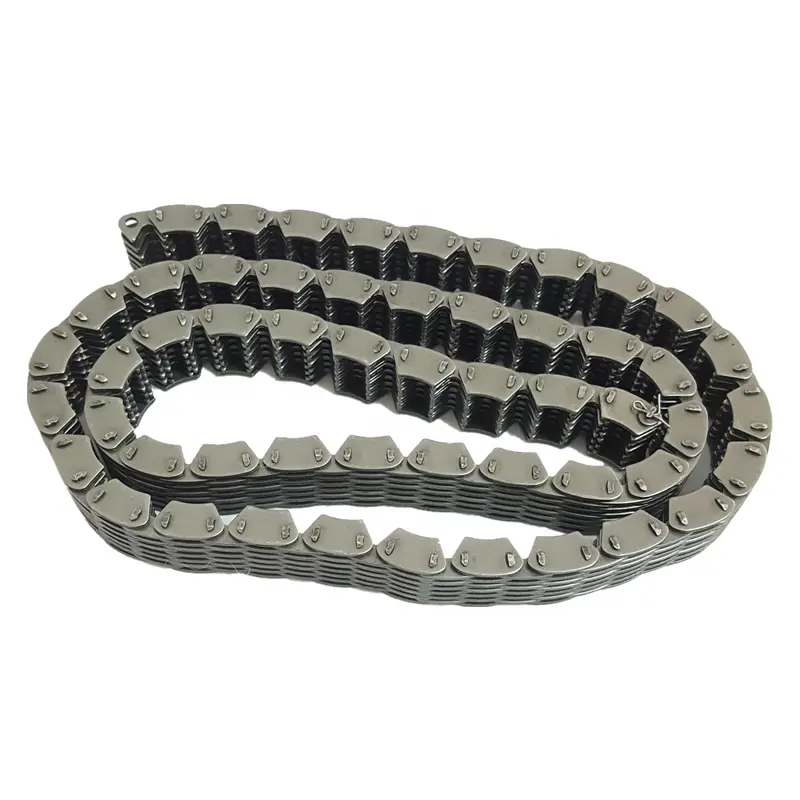
هل يمكن استخدام سلاسل النقل في التطبيقات البحرية أو البحرية؟
نعم، يمكن استخدام سلاسل النقل في التطبيقات البحرية أو البحرية. إليك إجابة مفصلة على السؤال:
1. مقاومة التآكل: تُصنع سلاسل النقل المستخدمة في التطبيقات البحرية أو البحرية عادةً من مواد تتميز بمقاومة عالية للتآكل، مثل الفولاذ المقاوم للصدأ أو السلاسل المطلية خصيصًا. صُممت هذه السلاسل لتحمل التأثيرات التآكلية للمياه المالحة والرطوبة وغيرها من الظروف البيئية القاسية.
٢. الإحكام والحماية: في البيئات البحرية أو البحرية المفتوحة، غالبًا ما تُجهز سلاسل النقل بإجراءات إضافية للإحكام والحماية. قد تشمل هذه الإجراءات موانع تسرب، أو أغطية، أو طلاءات خاصة توفر طبقة حماية إضافية ضد الماء والحطام والملوثات.
3. قدرة تحمل عالية للأحمال: غالبًا ما تتضمن التطبيقات البحرية والبحرية عمليات شاقة، مثل رفع أو سحب الأحمال الثقيلة. صُممت سلاسل النقل المستخدمة في هذه التطبيقات لتحمل الأحمال العالية وتوفير نقل طاقة موثوق.
4. مقاومة الظروف القاسية: قد تكون البيئات البحرية والبيئات البحرية المفتوحة صعبة، نظرًا لعوامل مثل الرطوبة العالية ودرجات الحرارة القصوى والتعرض للمياه المالحة والمواد الكاشطة. صُممت سلاسل النقل لهذه التطبيقات لتحمل هذه الظروف القاسية والحفاظ على أدائها ومتانتها.
5. الامتثال لمعايير الصناعة: قد تحتاج سلاسل النقل المستخدمة في التطبيقات البحرية أو البحرية إلى استيفاء معايير ولوائح صناعية محددة. تضمن هذه المعايير ملاءمة السلاسل للظروف الصعبة ومتطلبات السلامة في الصناعات البحرية والبحرية.
من المهم اختيار سلاسل نقل الحركة المصممة خصيصًا للتطبيقات البحرية أو البحرية لضمان أداء موثوق به وطويل الأمد. يُعدّ استشارة الخبراء في هذا المجال واتباع إرشادات الشركة المصنعة فيما يتعلق بالتركيب والصيانة والفحص أمرًا ضروريًا لزيادة فعالية سلاسل نقل الحركة وإطالة عمرها في هذه البيئات.
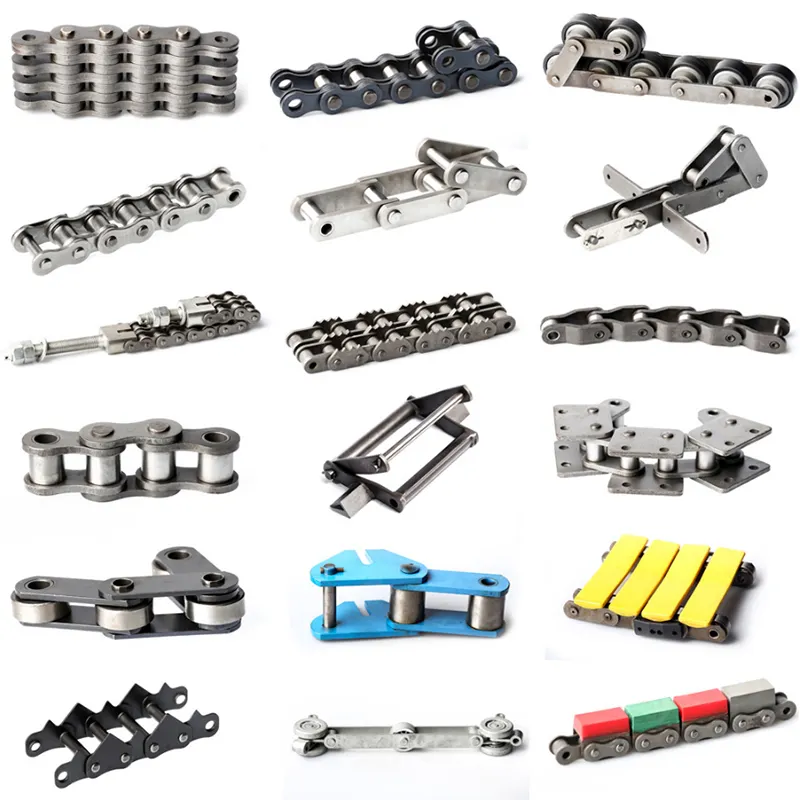
ما هي مزايا استخدام سلسلة نقل الحركة ذاتية التنظيف؟
يوفر استخدام سلسلة نقل الحركة ذاتية التنظيف العديد من المزايا، والتي تم توضيحها بالتفصيل أدناه:
1. أداء مُحسّن: صُممت سلاسل نقل الحركة ذاتية التنظيف لإزالة الحطام والأوساخ والملوثات التي قد تتراكم عليها أثناء التشغيل بكفاءة. فالحفاظ على نظافة السلسلة يُسهم في ضمان الأداء الأمثل ويمنع تراكم الحطام الذي قد يؤثر على حركتها، وتداخلها مع التروس، وكفاءتها العامة.
٢. تقليل الصيانة: بفضل سلسلة نقل الحركة ذاتية التنظيف، تقل الحاجة إلى التنظيف والصيانة اليدوية المتكررة بشكل ملحوظ. يتضمن تصميم السلسلة ميزات مثل الصفائح ذات الأشكال الخاصة، والقضبان الجانبية المنحنية، أو مكونات إضافية تمنع بشكل فعال التصاق الأوساخ بالسلسلة أو دخولها إلى مناطقها الحساسة. هذا يقلل الوقت والجهد اللازمين لمهام التنظيف والصيانة، مما يؤدي إلى توفير التكاليف وتحسين الإنتاجية.
3. إطالة عمر السلسلة: تساعد آلية التنظيف الذاتي لهذه السلاسل على إطالة عمرها. فمن خلال إزالة الشوائب بفعالية ومنع تراكم الملوثات، تتعرض السلسلة لتآكل أقل. وهذا بدوره يقلل من استطالة السلسلة، ويقلل الاحتكاك الداخلي، ويخفض خطر التلف المبكر. ونتيجة لذلك، تتحسن متانة السلسلة وعمرها الافتراضي بشكل عام.
4. موثوقية معززة: تساهم سلاسل النقل ذاتية التنظيف في تعزيز الموثوقية والأداء المتسق. ويضمن عدم تراكم الحطام تعشيقًا سلسًا مع التروس، مما يمنع انزلاق السلسلة أو تعطلها أو حدوث انقطاعات مفاجئة في نقل الطاقة. ويؤدي التشغيل الموثوق للسلسلة إلى تحسين وقت التشغيل وتقليل وقت التوقف وزيادة كفاءة النظام بشكل عام.
٥. مناسبة للبيئات القاسية: تستفيد الصناعات والتطبيقات التي تعمل في بيئات ذات مستويات عالية من الغبار أو الأوساخ أو غيرها من الجسيمات بشكل كبير من سلاسل النقل ذاتية التنظيف. وهي شائعة الاستخدام في صناعات مثل الزراعة والبناء والتعدين ومناولة المواد، حيث يكثر التعرض للبيئات القاسية. وتساعد خاصية التنظيف الذاتي على الحفاظ على أداء السلسلة وموثوقيتها حتى في هذه الظروف القاسية.
من المهم الإشارة إلى أنه على الرغم من المزايا الكبيرة التي توفرها سلاسل نقل الحركة ذاتية التنظيف، إلا أن الفحص والصيانة الدورية ضروريان لضمان أدائها الأمثل. فمراقبة حالة السلسلة، وتطبيق التشحيم المناسب، ومعالجة أي علامات تآكل أو تلف، أمور أساسية لتحقيق أقصى استفادة من سلاسل نقل الحركة ذاتية التنظيف وضمان موثوقيتها على المدى الطويل.
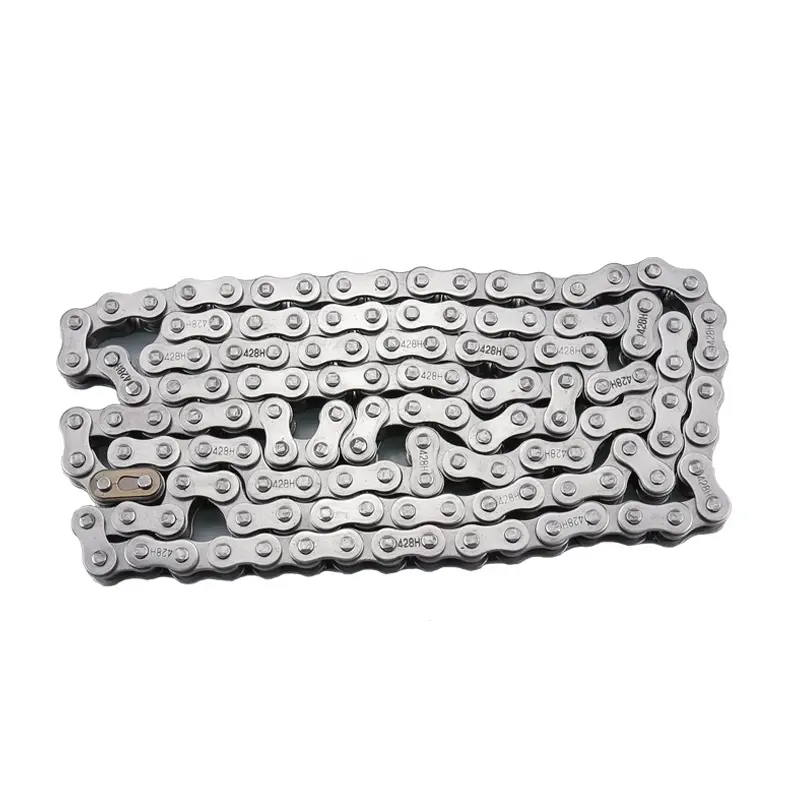
ما هي الأسباب الشائعة للفشل في سلاسل النقل؟
تتعرض سلاسل نقل الحركة لعوامل مختلفة قد تُسهم في تعطلها بمرور الوقت. إليكم شرحًا مفصلًا:
1. عدم كفاية التشحيم: يُعدّ عدم كفاية التشحيم أو عدم ملاءمته أحد الأسباب الرئيسية لتلف السلسلة. إذ يُمكن أن يؤدي عدم كفاية التشحيم إلى زيادة الاحتكاك، وتوليد الحرارة، وتسارع التآكل بين مكونات السلسلة، مثل الدبابيس والبطانات والبكرات.
٢. التلوث: يمكن أن تدخل الملوثات مثل الأوساخ والغبار والحطام والرطوبة إلى نظام السلسلة، مما يؤثر على أدائها ويتسبب في تآكلها بشكل متسارع. كما يمكن أن يعيق التلوث عملية التشحيم السليمة، ويزيد الاحتكاك، ويسبب التآكل، مما يؤدي إلى تلف السلسلة.
3. التحميل الزائد: قد يؤدي تطبيق أحمال زائدة تتجاوز قدرة السلسلة المقدرة إلى التحميل الزائد، مما يسبب إجهادًا وتشوهًا في مكونات السلسلة. وقد ينتج عن التحميل الزائد استطالة السلسلة، وتسارع تآكلها، وفي النهاية، تلفها.
4. عدم المحاذاة: قد يؤدي عدم محاذاة السلسلة والتروس بشكل صحيح إلى توزيع غير متساوٍ للقوى، مما ينتج عنه تآكل موضعي وزيادة الضغط على مناطق معينة من السلسلة. وقد ينتج عدم المحاذاة عن التركيب غير الصحيح أو تآكل التروس، مما يؤدي إلى تلف السلسلة قبل الأوان.
5. الإجهاد: يمكن أن يؤدي التحميل والإجهاد الدوري المتكرر إلى إجهاد السلسلة، مما يتسبب في تشققها وكسورها، وفي النهاية، تعطلها. ويزداد احتمال حدوث تعطل السلسلة نتيجة الإجهاد عند تعرضها لتطبيقات عالية السرعة أو عالية التردد.
6. التآكل: قد يؤدي التعرض للبيئات المسببة للتآكل، مثل الرطوبة العالية أو المواد الكيميائية أو درجات الحرارة القصوى، إلى تآكل مكونات السلسلة. يُضعف التآكل سلامة السلسلة الهيكلية، مما يؤدي إلى تلفها المبكر.
7. سوء الصيانة: قد تُسهم ممارسات الصيانة غير الكافية، مثل قلة عمليات الفحص، وعدم التشحيم، وإهمال معالجة المشكلات المحتملة، في تلف السلسلة. تُعد الصيانة الدورية، بما في ذلك التشحيم والتنظيف والشد المناسب، ضرورية لضمان عمر أطول وأداء موثوق لسلاسل نقل الحركة.
من المهم معالجة هذه العوامل لمنع تعطل السلسلة. يُعدّ التشحيم السليم والفحوصات الدورية والتنظيف وفحص المحاذاة من ممارسات الصيانة الأساسية. كما يُساعد اختيار السلسلة المناسبة للتطبيق، واتباع إرشادات الشركة المصنعة، والالتزام بمعايير الصناعة على تقليل مخاطر التعطل وضمان الأداء الأمثل وطول عمر سلاسل النقل.


تم التحرير بواسطة CX بتاريخ 29-03-2024