وصف المنتج
سلسلة بكرات صناعية للدراجات النارية، مصنوعة من الفولاذ المقاوم للصدأ عالي الدقة، ذات خطوة قصيرة، وفقًا لمعايير ISO/ANSI/DIN
وصف المنتج
1. المادة: الفولاذ المقاوم للصدأ 304 و 316 / الفولاذ الكربوني السبائكي
2. معالجة السطح: التشكيل بالخردق / الطلاء بالزنك / الطلاء بالنيكل / الطلاء بالداكروميت
3. رقم السلسلة:
35SS-1، 40SS-1، 50SS-1، 60SS-1، 80SS-1، 100SS-1، 120SS-1، 140SS-1؛
35SS-2، 40SS-2، 50SS-2، 60SS-2، 80SS-2، 100SS-2، 120SS-2، 140SS-2؛
35SS-3، 40SS-3، 50SS-3، 60SS-3، 80SS-3، 100SS-3، 120SS-3، 140SS-3؛
4. التطبيق: تُستخدم سلاسل الفولاذ المقاوم للصدأ في العديد من الصناعات، مثل صناعة الآلات، وآلات تصنيع الأغذية، وما إلى ذلك. كما أنها مناسبة لظروف درجات الحرارة العالية والمنخفضة.
5. الخاصية:
1. يمكن استخدام السلسلة على كلا جانبي ناقل الحركة متعدد المحاور.
2. سهولة التركيب والاستبدال.
3. يمكن أن يحقق نسبة تخفيض أكبر.
4. تتميز سلسلة البكرات بمرونة جيدة وقوة عالية، كما أن كل جزء من أجزاء المفصل مزود بزيت تشحيم، مما يسهل تخزينها. وبالتالي، بالمقارنة مع أسنان التلامس الصلبة، تتمتع بقدرة جيدة على امتصاص الاهتزازات والتخميد.
| اسم المنتج | سلسلة بكرات من الفولاذ المقاوم للصدأ من الصين |
| المواد المتاحة | 1. الفولاذ المقاوم للصدأ: SS304، SS316، إلخ |
| 2. سبائك الصلب: 45Mn، 42CrMo، 20CrMo، إلخ | |
| 3. تصنيع المعدات الأصلية حسب طلبك | |
| معالجة السطح | التشكيل بالخردق، والتسويد، والأكسدة، والتلميع، والطلاء بالزنك، والطلاء بالنيكل، والأنودة، إلخ. |
| السمة | مقاوم للحريق، مقاوم للزيوت، مقاوم للحرارة |
| معيار التصميم | ISO DIN ANSI ورسم العميل |
| مقاس | رسم العميل ومعيار ISO |
| طَرد | صندوق خشبي / حاوية ومنصة نقالة، أو مصنوع حسب الطلب |
| شهادة | ISO9001: 2008 |
| ميزة | جودة ممتازة، خدمة رائعة، سعر تنافسي، توصيل سريع |
| موعد التسليم | 20 يوماً للعينات. 45 يوماً للطلب الرسمي. |
صور تفصيلية
للاطلاع على المزيد من المنتجات، يرجى الضغط هنا…
نبذة عن الشركة
| الاستخدام: | سلسلة النقل |
|---|---|
| مادة: | الفولاذ المقاوم للصدأ |
| بناء: | سلسلة بكرات |
| 80-1: | 1" |
| مقاس: | 50ss-1 |
| آخر: | مقاومة التآكل |
| أمثلة: |
US$ 0/متر
متر واحد (الحد الأدنى للطلب) | |
|---|
| التخصيص: |
متاح
| طلب مخصص |
|---|
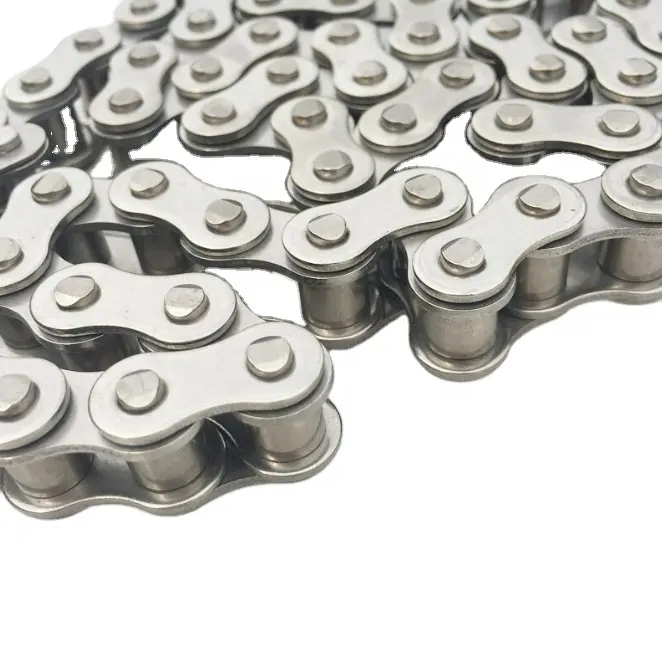
كيف يؤثر اختيار جهاز شد السلسلة على أداء سلسلة نقل الحركة؟
يُعد اختيار شداد السلسلة عاملاً حاسماً في ضمان الأداء الأمثل لسلسلة ناقل الحركة. إليك إجابة مفصلة على السؤال:
1. تعشيق السلسلة بشكل صحيح: يساعد جهاز شد السلسلة في الحفاظ على الشد الصحيح في سلسلة النقل، مما يضمن التعشيق السليم بين السلسلة والتروس. وهذا أمر ضروري لنقل الطاقة بكفاءة وسلاسة التشغيل.
٢. التحكم في ارتخاء السلسلة: يساعد اختيار شداد السلسلة المناسب على التحكم في ارتخاء السلسلة، وهو مقدار ارتخائها. قد يؤدي الارتخاء المفرط إلى قفز السلسلة، وعدم محاذاتها، وزيادة تآكلها، بينما قد يؤدي الارتخاء غير الكافي إلى شد مفرط، مما يؤدي إلى تسارع تآكل السلسلة والتروس.
3. تقليل الضوضاء والاهتزاز: يساعد استخدام شداد سلسلة مناسب على تقليل الضوضاء والاهتزاز في نظام النقل. فهو يُخفف من قوى الصدمات والاهتزازات الناتجة عن حركة السلسلة، مما يؤدي إلى تشغيل أكثر هدوءًا وتحسين أداء النظام بشكل عام.
4. إطالة عمر السلسلة: من خلال الحفاظ على الشد المناسب، يساعد شداد السلسلة على منع التآكل المبكر واستطالة سلسلة ناقل الحركة. وهذا يساهم في إطالة عمر السلسلة، مما يقلل من عدد مرات استبدالها ويخفض تكاليف الصيانة.
٥. تعويض التآكل والتمدد: مع مرور الوقت، قد تتعرض سلسلة ناقل الحركة للتمدد أو الاستطالة. يعمل جهاز شد السلسلة على تعويض هذا التمدد عن طريق ضبط الشد، مما يضمن بقاء السلسلة مشدودة بشكل صحيح ومتشابكة مع التروس. يساعد ذلك في الحفاظ على أداء ثابت ويمنع الانزلاق أو الانفصال.
٦. التكيف مع الظروف المتغيرة: توفر بعض أجهزة شد السلاسل إمكانية ضبط الشد ديناميكيًا، بما يتناسب مع تغيرات ظروف التشغيل مثل تقلبات درجة الحرارة أو تغيرات الحمل. تضمن هذه المرونة الأداء الأمثل للسلسلة وتعوض آثار التمدد أو الانكماش الحراري.
من الضروري اختيار شداد سلسلة متوافق مع سلسلة ناقل الحركة ومتطلبات التطبيق المحددة. عند اختيار شداد السلسلة، يجب مراعاة عوامل مثل حجم السلسلة، ونطاق ضبط الشد، والظروف البيئية، وتغيرات الأحمال. كما أن الفحص والصيانة الدورية للشداد ضروريان لضمان عمله بكفاءة وإطالة عمر سلسلة ناقل الحركة.
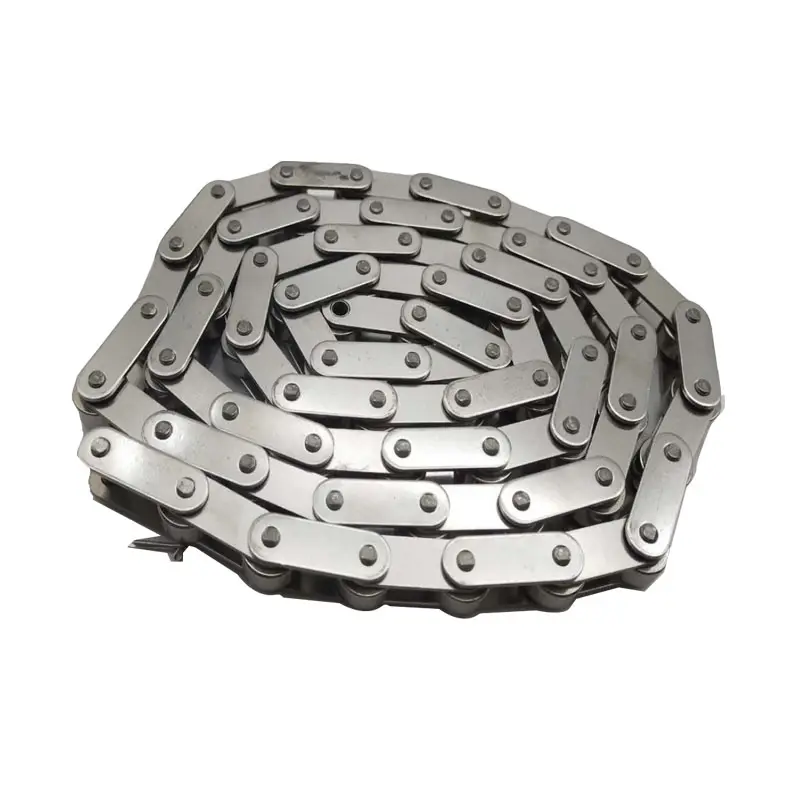
ما هي فوائد استخدام سلسلة نقل الحركة خفيفة الوزن؟
يوفر استخدام سلسلة نقل حركة خفيفة الوزن العديد من المزايا. إليك إجابة مفصلة على السؤال:
1. تحسين الكفاءة: تعمل سلسلة النقل خفيفة الوزن على تقليل الوزن الإجمالي للنظام، مما يؤدي إلى تحسين كفاءة الطاقة. ومع انخفاض الكتلة المتحركة، تقل الطاقة اللازمة لتشغيل السلسلة، مما يؤدي إلى انخفاض استهلاك الطاقة.
٢. زيادة نسبة القوة إلى الوزن: تسمح خفة وزن السلسلة بزيادة نسبة القوة إلى الوزن. وهذا يعني أن سلسلة أصغر وأخف وزنًا يمكنها نقل نفس مقدار الطاقة التي تنقلها سلسلة أثقل، مما يجعلها مناسبة للتطبيقات التي يكون فيها تقليل الوزن أمرًا بالغ الأهمية، كما هو الحال في المعدات المحمولة أو اليدوية.
3. انخفاض القصور الذاتي: يؤدي انخفاض وزن سلسلة النقل إلى تقليل القصور الذاتي للنظام. وهذا يتيح تسارعًا وتباطؤًا أسرع، مما ينتج عنه أوقات استجابة محسّنة وأداء عام أفضل في التطبيقات الديناميكية.
4. سهولة المناولة والتركيب: تتميز سلاسل نقل الحركة خفيفة الوزن بسهولة المناولة والتركيب مقارنةً بالسلاسل الأثقل. فهي تتطلب جهدًا وعمالة أقل أثناء التركيب أو الصيانة، مما يجعلها أكثر ملاءمة وتوفيرًا للوقت.
5. تقليل التآكل: يساهم انخفاض وزن السلسلة في تقليل التآكل الذي يلحق بالمكونات الأخرى للنظام، مثل العجلات المسننة والمحامل والأعمدة. وهذا بدوره يطيل عمر هذه المكونات ويقلل من الحاجة إلى الصيانة والاستبدال.
٦. توفير التكاليف: يمكن أن يؤدي استخدام سلسلة نقل حركة خفيفة الوزن إلى توفير التكاليف بعدة طرق. يؤدي انخفاض استهلاك الطاقة إلى انخفاض تكاليف التشغيل، وقد يسمح الوزن الأخف باستخدام مكونات داعمة أصغر حجمًا وأقل تكلفة.
من المهم ملاحظة أن اختيار سلسلة نقل الحركة خفيفة الوزن يجب أن يستند إلى متطلبات التطبيق المحددة. ينبغي مراعاة عوامل مثل سعة التحميل والسرعة وبيئة التشغيل والتوافق مع مكونات النظام الأخرى لضمان تلبية السلسلة خفيفة الوزن لاحتياجات الأداء والمتانة للتطبيق.
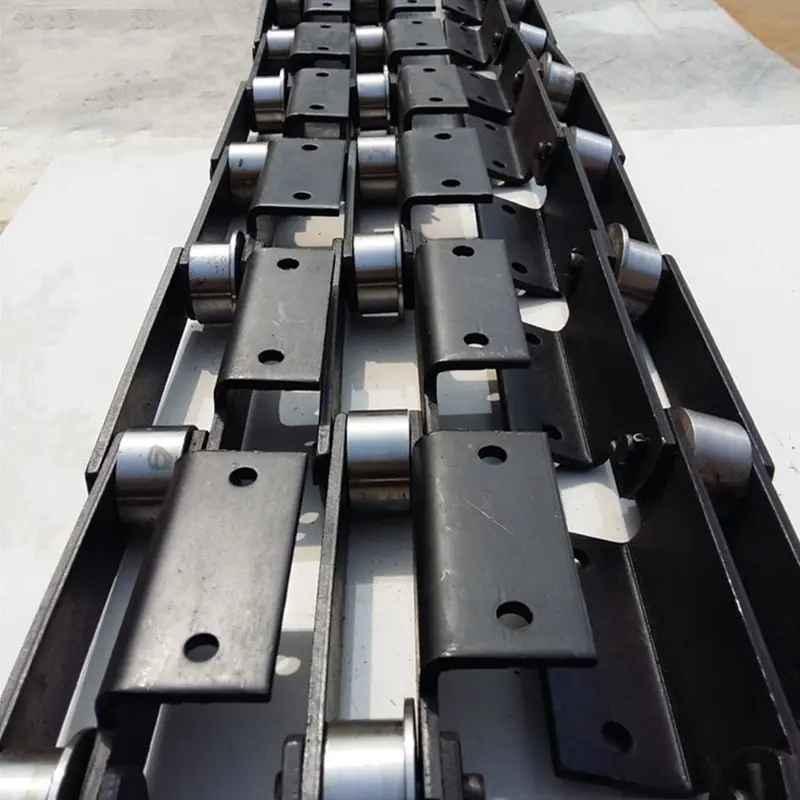
هل توجد متطلبات تشحيم محددة لسلاسل نقل الحركة؟
نعم، تتطلب سلاسل نقل الحركة عادةً تزييتًا مناسبًا لضمان التشغيل السلس، وتقليل التآكل، وإطالة عمرها الافتراضي. إليك بعض النقاط الرئيسية المتعلقة بمتطلبات تزييت سلاسل نقل الحركة:
- التشحيم النظيف والكافي: من المهم الحفاظ على تشحيم السلسلة بشكل كافٍ لتقليل الاحتكاك والتآكل بين أجزائها. يساعد التشحيم على تقليل توليد الحرارة ويمنع التلامس المباشر بين الأجزاء المعدنية، مما قد يؤدي إلى التآكل المبكر والتلف.
- اختيار المُزَلِّق المناسب: يُعدّ اختيار المُزَلِّق المناسب أمرًا بالغ الأهمية لتحقيق الأداء الأمثل للسلسلة. تشمل العوامل التي يجب مراعاتها عند اختيار المُزَلِّق درجة حرارة الاستخدام، وظروف التحميل، والسرعة، والعوامل البيئية. يجب أن يتمتع المُزَلِّق بخصائص التصاق جيدة، ومقاومة للأكسدة، وأن يُوفِّر طبقة تشحيم قوية بما يكفي لحماية أسطح السلسلة.
- فترات التشحيم المناسبة: يُعدّ التشحيم المنتظم على فترات مناسبة ضروريًا للحفاظ على أداء السلسلة وتقليل خطر التآكل المفرط. يعتمد تواتر التشحيم على ظروف التشغيل ونوع المُشحِّم المستخدم. عادةً ما تُقدّم الشركات المصنّعة توصيات بشأن فترات التشحيم بناءً على نوع السلسلة والاستخدام.
- تطبيق التشحيم الفعال: يُعدّ التطبيق الصحيح لمادة التشحيم أمرًا بالغ الأهمية لضمان تغطية متساوية وتغلغلها في جميع مكونات السلسلة. يجب وضع مادة التشحيم على ألواح الوصلات الداخلية، وأسطح البكرات، ومواضع اتصال الدبابيس بالبطانات. يجب إزالة مادة التشحيم الزائدة لمنع تراكمها وتلوثها.
- الاعتبارات البيئية: في بعض البيئات، كالبيئات المتربة أو المتسخة، قد تحتاج السلسلة إلى تشحيم متكرر لمنع دخول الملوثات والحفاظ على طبقة التشحيم المناسبة. إضافةً إلى ذلك، في التطبيقات ذات درجات الحرارة العالية أو السرعات العالية، قد يكون من الضروري استخدام مواد تشحيم خاصة تتحمل درجات الحرارة العالية أو السرعات العالية.
- الفحص والصيانة الدورية: إلى جانب التشحيم المناسب، يُعد الفحص والصيانة الدورية لسلسلة ناقل الحركة أمرًا ضروريًا. يشمل ذلك التحقق من علامات التآكل، وتدهور جودة مواد التشحيم، والتأكد من شد السلسلة بشكل صحيح. يجب استبدال أي أجزاء تالفة أو متآكلة على الفور لمنع تعطل السلسلة.
إن اتباع توصيات الشركة المصنعة والالتزام بمتطلبات التشحيم المحددة لسلسلة ناقل الحركة سيساعد على ضمان الأداء الأمثل، وتقليل التآكل، وإطالة عمر السلسلة.


تم التحرير بواسطة CX بتاريخ 2023-08-03