وصف المنتج
| رقم الموديل | 06C/08A/10A/12A/16A/20A/24A/28A/32A/40A/06B/08B/10B/12B/16B/20B/24B/28B/32B/40B-1/2/3 خدمة شديدة التحمل |
| نموذج السلسلة | سلاسل بكرات |
| الهيكل (للسلسلة) | سلسلة بكرات |
| مواصفة | GB/T، DIN، ANSI، ISO، BS، JIS. |
| أصل | هانغتشو، تشجيانغ |
| لون | لون موحد |
| لون السلسلة | مخصص |
شركتنا
تُعدّ شركة وولف تشين واحدة من أبرز الشركات المصنّعة للسلاسل في الصين. نُركّز على البحث والتطوير والتصنيع والتجارة في أنظمة نقل الحركة بالسلاسل، ونُقدّم منتجات من علامات تجارية شهيرة مثل "دوفون" و"ديتشو". كما نُقدّم خدمات التصنيع الأصلي (OEM) للعديد من الشركات العالمية الرائدة، مثل سوزوكي، وشيهو (ويست ليك)، وفاو، وأجكو، وجومينغ.
تُنتج شركة وولف بشكل رئيسي سلاسل النقل، وسلاسل السيور الناقلة، وسلاسل الجر، والسلاسل الصامتة، والسلاسل الورقية، وسلاسل البكرات، والسلاسل الخاصة، والعديد من أنواع السلاسل الأخرى. وقد ارتقى فنيونا بجودة السلاسل إلى مستوى عالمي. ويضمن اختيار المواد عالية الجودة، وتقنية المعالجة الحرارية الدقيقة والفعالة، وأساليب التجميع الممتازة، أن تلبي سلاسل وولف المتطلبات الصارمة والدقيقة للآلات والمركبات.
تتوافق جميع منتجاتنا تمامًا مع المعايير الدولية مثل ISO وDIN وANSI وBS وJIS وغيرها. وقد حصلت شركة وولف بنجاح على شهادة نظام إدارة الجودة ISO9001، بالإضافة إلى شهادات فحص من SGS وBV. تُستخدم سلاسل وولف على نطاق واسع في العديد من الصناعات، بما في ذلك صناعة السيارات والدراجات النارية والرافعات الشوكية وآلات معالجة الأخشاب وآلات البناء وآلات التعبئة والتغليف وآلات تصنيع الأغذية وآلات التبغ والمعدات الزراعية. تحظى سلاسل وولف بشعبية واسعة في أسواق أمريكا الجنوبية وأوروبا والشرق الأوسط وجنوب شرق آسيا وأفريقيا.
ورشة عملنا
شهادتنا
أهلاً بكم في معرضنا
التعليمات
سؤال1. ما هي شروط التعبئة والتغليف لديكم؟
ج: عادةً ما نقوم بتعبئة بضائعنا في صناديق ذات لون واحد. إذا كان لديك طلب خاص بشأن التعبئة، فيرجى التواصل معنا مسبقًا، وسنقوم بتعبئة البضائع وفقًا لطلبك.
س2. ما هي شروط الدفع الخاصة بكم؟
ج: يتم الدفع عن طريق التحويل المصرفي T/T 30% كدفعة مقدمة، و70% قبل التسليم. سنعرض لكم صور المنتجات والتغليف.
قبل سداد المبلغ المتبقي. أما بالنسبة لشروط الدفع الأخرى، فيرجى التفاوض معنا مسبقاً، ويمكننا مناقشتها.
س٣. ما هي شروط التسليم الخاصة بكم؟
أ: EXW، FOB، CFR، CIF.
س4. ماذا عن وقت التسليم لديكم؟
ج: بشكل عام، يستغرق الأمر من 25 إلى 30 يومًا بعد استلام دفعتك المقدمة. يعتمد وقت التسليم المحدد على
بخصوص المنتجات وكمية طلبك.
س5. هل يمكنك الإنتاج وفقًا للعينات؟
ج: نعم، يمكننا الإنتاج بناءً على عيناتكم أو رسوماتكم الفنية. يمكننا بناء القوالب والتجهيزات.
س6. ما هي سياسة العينات لديكم؟
ج: يمكننا توفير عينة إذا كانت لدينا قطع جاهزة في المخزون، ولكن يتعين على العملاء دفع تكلفة العينة و
تكلفة الشحن. نرحب بطلبات العينات.
س7. هل تقومون باختبار جميع منتجاتكم قبل التسليم؟
ج: نعم، نجري اختبار 100% قبل التسليم
س8: كيف تجعلون أعمالنا التجارية طويلة الأمد وعلاقة جيدة؟
1. نحافظ على الجودة العالية والأسعار التنافسية لضمان استفادة عملائنا؛
2. نحن نحترم كل عميل كصديق لنا، ونتعامل معه بصدق ونبني معه علاقات صداقة.
| قياسي أم غير قياسي: | معيار |
|---|---|
| طلب: | آلات النسيج، آلات الملابس، معدات النقل، آلات التعبئة والتغليف، آلات الأغذية، المعدات البحرية، معدات التعدين |
| معالجة السطح: | ازدهار الزيت |
| بناء: | سلسلة بكرات |
| مادة: | الفولاذ الكربوني |
| يكتب: | سلسلة قصيرة الخطوة |
| أمثلة: |
US$ 0/قطعة
قطعة واحدة (الحد الأدنى للطلب) | |
|---|
| التخصيص: |
متاح
| طلب مخصص |
|---|

هل يمكن استخدام سلاسل نقل الطاقة في بيئات ذات درجات حرارة عالية؟
نعم، يمكن استخدام سلاسل النقل في بيئات ذات درجات حرارة عالية، ولكن هناك اعتبارات معينة يجب مراعاتها. إليك شرح مفصل:
1. اختيار المواد: عند التشغيل في بيئات ذات درجات حرارة عالية، من الضروري اختيار سلاسل نقل الحركة المصنوعة من مواد مقاومة للحرارة. تشمل المواد الشائعة المستخدمة في التطبيقات ذات درجات الحرارة العالية سبائك الصلب المعالجة حرارياً، والفولاذ المقاوم للصدأ، وسبائك خاصة مقاومة للحرارة. توفر هذه المواد مقاومة محسّنة للتمدد الحراري والأكسدة والتشوه عند درجات الحرارة المرتفعة.
٢. التشحيم: يُعدّ التشحيم السليم ضروريًا لأداء سلاسل نقل الحركة وإطالة عمرها في البيئات ذات درجات الحرارة العالية. ينبغي استخدام مواد تشحيم عالية الحرارة ذات ثبات حراري فائق لضمان التشحيم الكافي وتقليل توليد الحرارة الناتجة عن الاحتكاك. صُممت هذه المواد خصيصًا لتحمّل درجات الحرارة المرتفعة وتوفير تشحيم فعّال، مما يقلل التآكل ويطيل عمر السلسلة.
3. تصميم السلسلة: قد يتضمن تصميم سلاسل نقل الحركة للبيئات ذات درجات الحرارة العالية خصائص لتعزيز مقاومتها للحرارة. تشمل هذه الخصائص الطلاءات المقاومة للحرارة، وعمليات المعالجة الحرارية المتخصصة، وتحسين خصائص تبديد الحرارة. بالإضافة إلى ذلك، ينبغي مراعاة قدرة تحمل السلسلة، ومقاومتها للإجهاد، وثبات أبعادها بعناية لضمان التشغيل الموثوق به تحت الضغط الحراري.
٤. حدود درجة الحرارة: من المهم معرفة حدود درجة الحرارة التي يحددها المصنّع لسلسلة نقل الحركة. تختلف نطاقات درجات الحرارة التي تعمل ضمنها السلاسل بأمان. قد يؤدي تجاوز حدود درجة الحرارة الموصى بها إلى تلف السلسلة، وانخفاض قوتها، وتسارع تآكلها، واحتمالية تلف المكونات المحيطة بها.
5. الفحص والصيانة الدورية: يُعد الفحص والصيانة الدورية أمرًا بالغ الأهمية لمراقبة حالة سلاسل نقل الحركة في البيئات ذات درجات الحرارة العالية. تساعد عمليات الفحص الدورية على اكتشاف علامات التآكل أو الاستطالة أو التلف الناتج عن الإجهاد الحراري. كما أن الاستبدال الفوري للسلاسل البالية أو التالفة، بالإضافة إلى التشحيم المناسب وضبط الشد، يضمن استمرار التشغيل الموثوق.
من المهم استشارة مصنعي السلاسل أو خبراء الصناعة لاختيار سلسلة النقل المناسبة والتأكد من توافقها مع التطبيقات ذات درجات الحرارة العالية. اتباع إرشادات الشركة المصنعة، والتركيب الصحيح، والصيانة الدورية، كلها عوامل تساهم في الاستخدام الآمن والفعال لسلاسل النقل في البيئات ذات درجات الحرارة العالية.
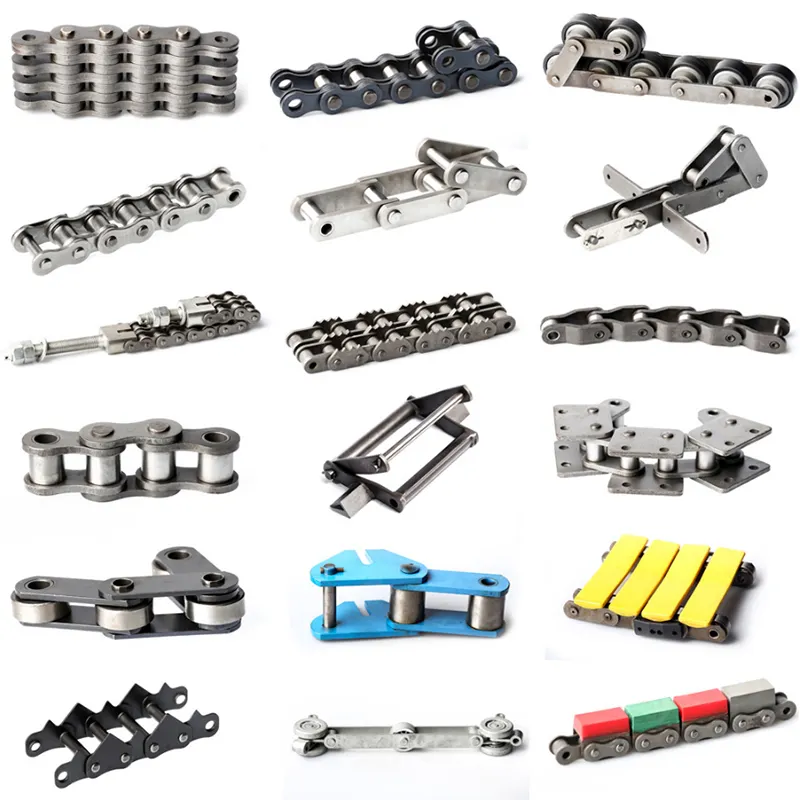
ما هي مزايا استخدام سلسلة نقل الحركة ذاتية التنظيف؟
يوفر استخدام سلسلة نقل الحركة ذاتية التنظيف العديد من المزايا، والتي تم توضيحها بالتفصيل أدناه:
1. أداء مُحسّن: صُممت سلاسل نقل الحركة ذاتية التنظيف لإزالة الحطام والأوساخ والملوثات التي قد تتراكم عليها أثناء التشغيل بكفاءة. فالحفاظ على نظافة السلسلة يُسهم في ضمان الأداء الأمثل ويمنع تراكم الحطام الذي قد يؤثر على حركتها، وتداخلها مع التروس، وكفاءتها العامة.
٢. تقليل الصيانة: بفضل سلسلة نقل الحركة ذاتية التنظيف، تقل الحاجة إلى التنظيف والصيانة اليدوية المتكررة بشكل ملحوظ. يتضمن تصميم السلسلة ميزات مثل الصفائح ذات الأشكال الخاصة، والقضبان الجانبية المنحنية، أو مكونات إضافية تمنع بشكل فعال التصاق الأوساخ بالسلسلة أو دخولها إلى مناطقها الحساسة. هذا يقلل الوقت والجهد اللازمين لمهام التنظيف والصيانة، مما يؤدي إلى توفير التكاليف وتحسين الإنتاجية.
3. إطالة عمر السلسلة: تساعد آلية التنظيف الذاتي لهذه السلاسل على إطالة عمرها. فمن خلال إزالة الشوائب بفعالية ومنع تراكم الملوثات، تتعرض السلسلة لتآكل أقل. وهذا بدوره يقلل من استطالة السلسلة، ويقلل الاحتكاك الداخلي، ويخفض خطر التلف المبكر. ونتيجة لذلك، تتحسن متانة السلسلة وعمرها الافتراضي بشكل عام.
4. موثوقية معززة: تساهم سلاسل النقل ذاتية التنظيف في تعزيز الموثوقية والأداء المتسق. ويضمن عدم تراكم الحطام تعشيقًا سلسًا مع التروس، مما يمنع انزلاق السلسلة أو تعطلها أو حدوث انقطاعات مفاجئة في نقل الطاقة. ويؤدي التشغيل الموثوق للسلسلة إلى تحسين وقت التشغيل وتقليل وقت التوقف وزيادة كفاءة النظام بشكل عام.
٥. مناسبة للبيئات القاسية: تستفيد الصناعات والتطبيقات التي تعمل في بيئات ذات مستويات عالية من الغبار أو الأوساخ أو غيرها من الجسيمات بشكل كبير من سلاسل النقل ذاتية التنظيف. وهي شائعة الاستخدام في صناعات مثل الزراعة والبناء والتعدين ومناولة المواد، حيث يكثر التعرض للبيئات القاسية. وتساعد خاصية التنظيف الذاتي على الحفاظ على أداء السلسلة وموثوقيتها حتى في هذه الظروف القاسية.
من المهم الإشارة إلى أنه على الرغم من المزايا الكبيرة التي توفرها سلاسل نقل الحركة ذاتية التنظيف، إلا أن الفحص والصيانة الدورية ضروريان لضمان أدائها الأمثل. فمراقبة حالة السلسلة، وتطبيق التشحيم المناسب، ومعالجة أي علامات تآكل أو تلف، أمور أساسية لتحقيق أقصى استفادة من سلاسل نقل الحركة ذاتية التنظيف وضمان موثوقيتها على المدى الطويل.
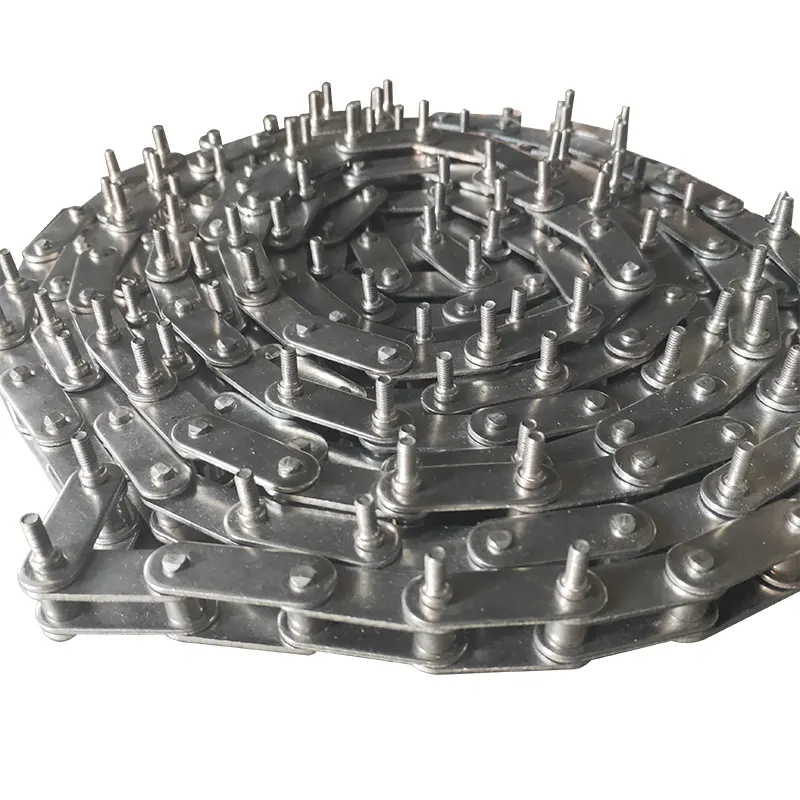
ما هي مزايا استخدام سلاسل نقل الحركة المصنوعة من الفولاذ المقاوم للصدأ؟
تتميز سلاسل نقل الحركة المصنوعة من الفولاذ المقاوم للصدأ بالعديد من المزايا مقارنةً بالسلاسل المصنوعة من مواد أخرى. فيما يلي بعض الفوائد الرئيسية لاستخدام سلاسل نقل الحركة المصنوعة من الفولاذ المقاوم للصدأ:
- مقاومة التآكل: تتميز سلاسل الفولاذ المقاوم للصدأ بمقاومة عالية للتآكل والصدأ، مما يجعلها مثالية للاستخدام في البيئات القاسية أو المسببة للتآكل. فهي تتحمل التعرض للرطوبة والمواد الكيميائية وتغيرات درجات الحرارة دون التأثير على أدائها.
- المتانة وطول العمر: تتميز سلاسل الفولاذ المقاوم للصدأ بمتانة فائقة وعمر خدمة طويل. فهي أقل عرضة للتآكل والإجهاد، مما يضمن تشغيلًا موثوقًا حتى في ظل الأحمال الثقيلة والظروف القاسية. وهذا يقلل الحاجة إلى الاستبدال والصيانة المتكررة، مما يؤدي إلى توفير في التكاليف على المدى الطويل.
- النظافة والتعقيم: تُستخدم سلاسل الفولاذ المقاوم للصدأ على نطاق واسع في الصناعات التي تتطلب معايير نظافة صارمة، مثل صناعة الأغذية والأدوية والمعدات الطبية. فهي سهلة التنظيف والتعقيم، ومقاومة للتلوث، ويمكنها تحمل الغسيل بدرجات حرارة عالية دون أن تتلف.
- قوة عالية: تتميز سلاسل الفولاذ المقاوم للصدأ بقوة شد عالية، مما يسمح لها بتحمل الأحمال الثقيلة ونقل الطاقة بكفاءة. وهذا يجعلها مناسبة للتطبيقات التي تتطلب نقل طاقة قوي وموثوق.
- مقاومة درجات الحرارة: تتميز سلاسل الفولاذ المقاوم للصدأ بمقاومة جيدة لدرجات الحرارة المرتفعة والمنخفضة. فهي تحافظ على خصائصها الميكانيكية وأدائها حتى في بيئات درجات الحرارة القصوى، مما يجعلها مناسبة للتطبيقات التي تشهد تغيرات في درجات الحرارة.
- صيانة منخفضة: بفضل مقاومتها الممتازة للتآكل ومتانتها، تتطلب سلاسل الفولاذ المقاوم للصدأ الحد الأدنى من الصيانة. فهي تعمل بكفاءة عالية مع الحد الأدنى من التشحيم، مما يقلل الحاجة إلى عمليات الفحص المتكررة وفترات التشحيم.
بشكل عام، توفر سلاسل نقل الحركة المصنوعة من الفولاذ المقاوم للصدأ حلاً موثوقاً وطويل الأمد للتطبيقات التي تكون فيها مقاومة التآكل والمتانة والنظافة والقوة أموراً أساسية.


تم التحرير بواسطة CX بتاريخ 2023-09-01