وصف المنتج
قائمة منتجاتنا:
سلاسل بكرات قياسية أحادية/مزدوجة/ثلاثية من السلسلتين A و B وسلاسل بكرات غير قياسية
| DIN/ISO | ANSI | يقذف | أسطوانة | عرض | دبوس | دبوس | لانر | طبق | ذروة | متوسط | وزن | |
| كين/أيزو | ANSL | بين | القطر | طول | طبق | سميك | قوة الشد | قوة الشد | لكل | |||
| سلسلة | سلسلة | الصفائح الداخلية | عمق | -ness | قوة | قوة | متر | |||||
| لا. | لا. | P | د1 | ب1 | د2 | ل | Lc | h2 | تي | سؤال | س0 | q |
| الأعلى | مين | الأعلى | الأعلى | الأعلى | الأعلى | الأعلى | مين | |||||
| مم | مم | مم | مم | مم | مم | مم | مم | كيلو نيوتن / رطل | كيلو نيوتن | كجم/م | ||
| *03C | *15 | 4.7625 | 2.48 | 2.38 | 1.62 | 6.1 | 6.9 | 4.3 | 0.6 | 1.80/409 | 2 | 0.08 |
| *04C-1 | *25 | 6.35 | 3.3 | 3.18 | 2.31 | 7.9 | 8.4 | 6 | 0.8 | 3.50/795 | 4.6 | 0.15 |
| *06C-1 | *35 | 9.525 | 5.08 | 4.77 | 3.58 | 12.4 | 13.17 | 9 | 1.3 | 7.90/1795 | 10.8 | 0.33 |
| 085-1 | 41 | 12.7 | 7.77 | 6.25 | 3.58 | 13.75 | 15 | 9.91 | 1.3 | 6.67/1516 | 12.6 | 0.41 |
| 08A-1 | 40 | 12.7 | 7.95 | 7.85 | 3.96 | 16.6 | 17.8 | 12 | 1.5 | 14.10/3205 | 17.5 | 0.62 |
| 10A-1 | 50 | 15.875 | 10.16 | 9.4 | 5.08 | 20.7 | 22.2 | 15.09 | 2.03 | 22.20/5045 | 29.4 | 1.02 |
| 12A-1 | 60 | 19.05 | 11.91 | 12.57 | 5.94 | 25.9 | 27.7 | 18 | 2.42 | 31.80/7227 | 41.5 | 1.5 |
| 16A-1 | 80 | 25.4 | 15.88 | 15.75 | 7.92 | 32.7 | 35 | 24 | 3.25 | 59.70/12886 | 69.4 | 2.6 |
| 20A-1 | 100 | 31.75 | 19.05 | 18.9 | 9.53 | 40.4 | 44.7 | 30 | 4 | 88.50/20114 | 109.2 | 3.91 |
| 24A-1 | 120 | 38.1 | 22.23 | 25.22 | 11.1 | 50.3 | 54.3 | 35.7 | 4.8 | 127.00/28864 | 156.3 | 5.62 |
| 28A-1 | 140 | 44.45 | 25.4 | 25.22 | 12.7 | 54.4 | 59 | 41 | 5.6 | 172.40/39182 | 212 | 7.5 |
| 32A-1 | 160 | 50.8 | 28.58 | 31.55 | 14.27 | 64.8 | 69.6 | 47.8 | 6.4 | 226.80/51545 | 278.9 | 1.1 |
| 36A-1 | 180 | 57.15 | 35.71 | 35.48 | 17.46 | 72.8 | 78.6 | 53.6 | 7.2 | 280.20/63682 | 341.8 | 13.45 |
| 40A-1 | 200 | 63.5 | 39.68 | 37.85 | 19.85 | 80.3 | 87.2 | 60 | 8 | 353.80/80409 | 431.6 | 16.15 |
| 48A-1 | 240 | 76.2 | 47.63 | 47.35 | 23.81 | 90.5 | 103 | 72.39 | 9.5 | 51.30/115977 | 622.5 | 23.2 |
| DIN/ISO | يقذف | أسطوانة | عرض | دبوس | دبوس | لانر | طبق | ذروة | متوسط | وزن | |
| كين/أيزو | بين | القطر | طول | طبق | سميك | قوة الشد | قوة الشد | لكل | |||
| سلسلة | الصفائح الداخلية | عمق | -ness | قوة | قوة | متر | |||||
| لا. | P | د1 | ب1 | د2 | ل | Lc | h2 | تي | سؤال | س0 | q |
| الأعلى | مين | الأعلى | الأعلى | الأعلى | الأعلى | الأعلى | مين | ||||
| مم | مم | مم | مم | مم | مم | مم | مم | كيلو نيوتن / رطل | كيلو نيوتن | كجم/م | |
| 04B-1 | 6 | 4 | 2.8 | 1.85 | 6.8 | 7.8 | 5 | 0.6 | 3.2/682 | 3.2 | 0.11 |
| 05B-1 | 8 | 5 | 3 | 2.31 | 8.2 | 8.9 | 7.1 | 0.8 | 5.0/1136 | 5.9 | 0.2 |
| *06B-1 | 9.525 | 6.35 | 5.72 | 3.28 | 13.15 | 14.1 | 8.2 | 1.3 | 9.0/2045 | 10.4 | 0.41 |
| 08B-1 | 12.7 | 8.51 | 7.75 | 4.45 | 16.7 | 18.2 | 11.8 | 1.6 | 18.0/4091 | 19.4 | 0.69 |
| 10B-1 | 15.875 | 10.16 | 9.65 | 5.08 | 19.5 | 20.9 | 14.7 | 1.7 | 22.4/5091 | 27.5 | 0.93 |
| 12B-1 | 19.05 | 12.07 | 11.68 | 5.72 | 22.5 | 24.2 | 16 | 1.85 | 29.0/6591 | 32.2 | 1.15 |
| 16ب-1 | 25.4 | 15.88 | 17.02 | 8.28 | 36.1 | 37.4 | 21 | 4.15/3.1 | 60.0/13636 | 72.8 | 2.71 |
| 20B-1 | 31.75 | 19.05 | 19.56 | 10.19 | 41.3 | 45 | 26.4 | 4.5/3.5 | 95.0/21591 | 106.7 | 3.7 |
| 24B-1 | 38.1 | 25.4 | 25.4 | 14.63 | 53.4 | 57.8 | 33.2 | 6.0/4.8 | 160.0/36364 | 178 | 7.1 |
| 28B-1 | 44.45 | 27.94 | 30.99 | 15.9 | 65.1 | 69.5 | 36.7 | 7.5/6.0 | 200.0/45455 | 222 | 8.5 |
| 32B-1 | 50.8 | 29.21 | 30.99 | 17.81 | 66 | 71 | 42 | 7.0/6.0 | 250.0/56818 | 277.5 | 10.25 |
| 40B-1 | 63.5 | 39.37 | 38.1 | 22.89 | 82.2 | 89.2 | 52.96 | 8.5/8.0 | 355.0/80682 | 394 | 16.35 |
| 48B-1 | 76.2 | 48.26 | 45.72 | 29.24 | 99.1 | 107 | 63.8 | 560.0/127272 | 621.6 | 25 | |
عرض المنتجات
ورشة عملنا
معدات المعالجة الحرارية لدينا
التعليمات
س1. ما هي شروط التعبئة والتغليف لديكم؟
ج: عادةً ما نقوم بتعبئة بضائعنا في صناديق ذات لون واحد. إذا كان لديك طلب خاص بشأن التعبئة، فيرجى التواصل معنا مسبقًا، وسنقوم بتعبئة البضائع وفقًا لطلبك.
س2. ما هي شروط الدفع الخاصة بكم؟
ج: يتم الدفع عن طريق التحويل المصرفي T/T 30% كدفعة مقدمة، و70% قبل التسليم. سنعرض لكم صور المنتجات والتغليف.
قبل سداد المبلغ المتبقي. أما بالنسبة لشروط الدفع الأخرى، فيرجى التفاوض معنا مسبقاً، ويمكننا مناقشتها.
س٣. ما هي شروط التسليم الخاصة بكم؟
أ: EXW، FOB، CFR، CIF.
س4. ماذا عن وقت التسليم لديكم؟
ج: بشكل عام، يستغرق الأمر من 25 إلى 30 يومًا بعد استلام دفعتك المقدمة. يعتمد وقت التسليم المحدد على
بخصوص المنتجات وكمية طلبك.
س5. هل يمكنك الإنتاج وفقًا للعينات؟
ج: نعم، يمكننا الإنتاج بناءً على عيناتكم أو رسوماتكم الفنية. يمكننا بناء القوالب والتجهيزات.
س6. ما هي سياسة العينات لديكم؟
ج: يمكننا توفير عينة إذا كانت لدينا قطع جاهزة في المخزون، ولكن يتعين على العملاء دفع تكلفة العينة و
تكلفة الشحن. نرحب بطلبات العينات.
س7. هل تقومون باختبار جميع منتجاتكم قبل التسليم؟
ج: نعم، نجري اختبار 100% قبل التسليم
س8: كيف تجعلون أعمالنا التجارية طويلة الأمد وعلاقة جيدة؟
1. نحافظ على الجودة العالية والأسعار التنافسية لضمان استفادة عملائنا؛
2. نحن نحترم كل عميل كصديق لنا، ونتعامل معه بصدق ونبني معه علاقات صداقة.
بغض النظر عن مصدرهم.
| مادة: | سبيكة |
|---|---|
| بناء: | سلسلة بكرات |
| معالجة السطح: | تلميع |
| حجم السلسلة: | 1/2 بوصة × 11/128 بوصة |
| ميزة: | مقاوم للحريق، مقاوم للزيوت، مقاوم للحرارة |
| حزمة النقل: | صندوق خشبي غير معالج بالتبخير، عن طريق الجو أو البحر |
| أمثلة: |
US$ 2/متر
متر واحد (الحد الأدنى للطلب) | |
|---|
| التخصيص: |
متاح
| طلب مخصص |
|---|
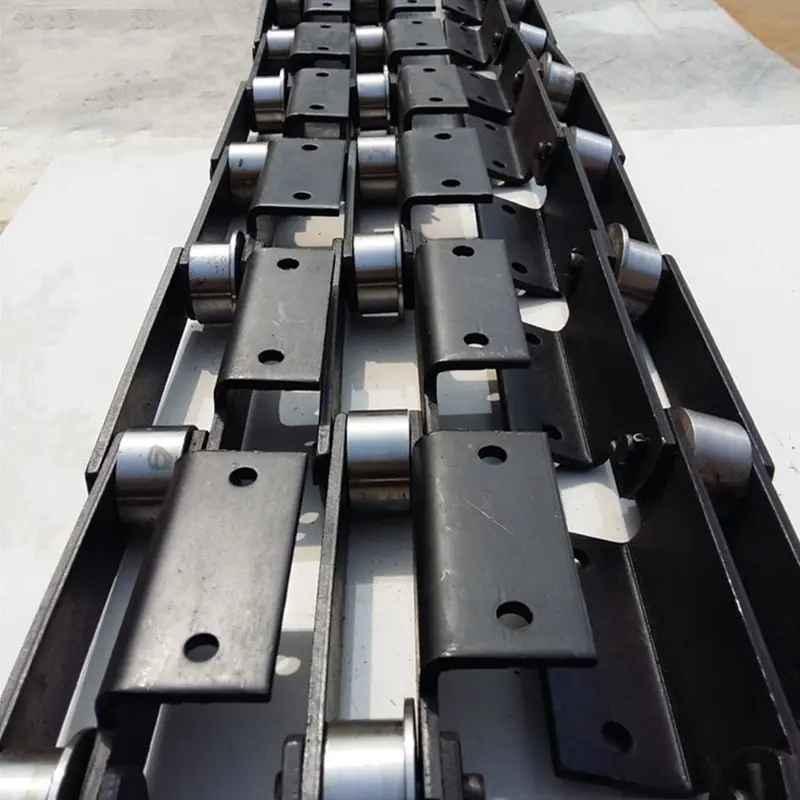
كيف يؤثر اختيار نوع وصلة السلسلة على تعدد استخدامات سلسلة النقل؟
يؤثر اختيار نوع وصلة السلسلة بشكل كبير على تنوع استخدامات سلسلة النقل ووظائفها. إليك إجابة مفصلة على السؤال:
يشير نوع التثبيت إلى التصميم أو التكوين المحدد للوصلات أو الصفائح الموجودة في نهايات سلسلة النقل. تتوفر أنواع تثبيت مختلفة لتناسب التطبيقات والمعدات ومتطلبات الصناعة المتنوعة. يؤثر اختيار نوع التثبيت المناسب على تعدد استخدامات السلسلة بالطرق التالية:
1. التوصيل والتوافق: يحدد نوع وصلة السلسلة كيفية اتصالها وتفاعلها مع المكونات الأخرى في النظام. يجب أن تكون متوافقة مع المعدات، والتروس، والآليات الأخرى لضمان الأداء السليم ونقل الطاقة بكفاءة. قد تتطلب الآلات أو التطبيقات المختلفة أنواعًا مختلفة من الوصلات، مثل السيور الناقلة، والمصاعد، والآلات الصناعية.
٢. قدرة التحميل والقوة: يؤثر نوع التثبيت على قدرة التحميل وقوة سلسلة النقل. توفر بعض تصميمات التثبيت قدرة تحمل أعلى، مما يسمح للسلسلة بتحمل الأحمال الثقيلة أو تطبيقات عزم الدوران العالي. باختيار نوع التثبيت المناسب، يمكن تعزيز تنوع السلسلة لتناسب نطاقًا واسعًا من متطلبات التحميل.
3. المرونة وقابلية التكيف: توفر بعض أنواع الملحقات مرونة وقابلية تكيف أكبر لاستيعاب الاختلافات في تصميم المعدات أو تخطيطها. وقد تسمح هذه الأنواع بسهولة ضبط السلسلة أو شدها أو إطالتها لتلبية متطلبات محددة. تُمكّن هذه المرونة السلسلة من أن تكون أكثر تنوعًا وقابلية للتكيف مع التكوينات المختلفة أو التغييرات في بيئة التشغيل.
4. متطلبات التطبيق الخاصة: قد يتطلب التطبيق أنواعًا محددة من ملحقات السلسلة لتلبية معايير الصناعة، ولوائح السلامة، أو الاحتياجات التشغيلية. على سبيل المثال، قد تتطلب بعض الصناعات ملحقات متخصصة لضمان المحاذاة، والوضع، أو التفاعل الصحيح مع مكونات أو مواد معينة. يضمن اختيار نوع الملحق المناسب الامتثال لهذه المتطلبات، مما يعزز تنوع استخدامات السلسلة في تطبيقات محددة.
٥. سهولة الصيانة والاستبدال: يؤثر نوع التثبيت أيضًا على سهولة صيانة واستبدال سلسلة النقل. تسمح بعض تصميمات التثبيت بفك أو استبدال حلقات أو صفائح السلسلة التالفة أو البالية بسرعة وسهولة. وهذا يُسهّل الصيانة الفعّالة ويقلل من وقت التوقف، مما يُساهم في تعدد استخدامات السلسلة وموثوقيتها بشكل عام.
عند اختيار سلسلة نقل الحركة، من الضروري مراعاة نوع التثبيت المطلوب للتطبيق المقصود. يجب أخذ عوامل مثل سعة التحميل، والتوافق مع المعدات، وسهولة الصيانة، ومعايير الصناعة في الاعتبار لضمان تعدد استخدامات سلسلة نقل الحركة وأدائها الأمثل.
هل يمكن استخدام سلاسل نقل الحركة في التطبيقات ذات عزم الدوران العالي؟
نعم، تُستخدم سلاسل نقل الحركة بشكل شائع في التطبيقات التي تتطلب عزم دوران عالٍ نظرًا لقدرتها على نقل الطاقة بكفاءة. إليك إجابة مفصلة على السؤال:
1. نقل طاقة قوي: صُممت سلاسل نقل الطاقة لتحمل كميات كبيرة من الطاقة، بما في ذلك التطبيقات ذات عزم الدوران العالي. وهي قادرة على نقل عزم الدوران من مصدر الطاقة إلى المكونات المُدارة بكفاءة.
2. قدرة التحميل: صُممت سلاسل النقل لتحمل الأحمال الثقيلة ومستويات عزم الدوران العالية. وهي مصممة بمواد ذات قوة مناسبة، وخطوة سلسلة، ومكونات لتلبية متطلبات عزم الدوران المحددة للتطبيق.
3. تطبيقات متنوعة: تُستخدم سلاسل النقل في تطبيقات متنوعة تتطلب عزم دوران عالٍ في مختلف الصناعات، مثل صناعة السيارات، والبناء، والتعدين، والزراعة، والتصنيع. وهي شائعة الاستخدام في أنظمة نقل الطاقة، والآلات، والمعدات، والناقلات، وغيرها من الآليات التي تتطلب نقلًا فعالًا لعزم الدوران.
٤. التوافق مع التروس: تعمل سلاسل النقل بالتزامن مع التروس، المصممة للتشابك مع حلقات السلسلة ونقل عزم الدوران. يضمن تصميم واختيار التروس المناسبة نقلًا سلسًا وموثوقًا لعزم الدوران في التطبيقات التي تتطلب عزم دوران عالٍ.
٥. القوة والمتانة: تُصنع سلاسل النقل باستخدام مواد عالية القوة مثل الفولاذ السبائكي، والفولاذ المقاوم للصدأ، أو الفولاذ المعالج حرارياً، لتوفير القوة والمتانة اللازمتين للعمليات ذات عزم الدوران العالي. تتحمل هذه المواد القوى الناتجة عن مستويات عزم الدوران العالية دون تآكل أو تلف مبكر.
٦. التشحيم والصيانة المناسبان: لضمان الأداء الأمثل في التطبيقات التي تتطلب عزم دوران عالٍ، من الضروري الحفاظ على التشحيم المناسب وإجراء الصيانة الدورية لسلسلة النقل. يقلل التشحيم الكافي من الاحتكاك وتوليد الحرارة والتآكل، مما يطيل عمر السلسلة ويحافظ على قدرتها على نقل عزم الدوران.
من المهم استشارة خبراء الصناعة أو الشركات المصنعة لاختيار سلسلة نقل الحركة المناسبة والتأكد من أنها تلبي متطلبات عزم الدوران المحددة للتطبيق. بالإضافة إلى ذلك، فإن اتباع ممارسات التركيب والصيانة الموصى بها سيساعد على تحقيق أقصى قدر من الأداء وإطالة عمر سلسلة نقل الحركة في التطبيقات التي تتطلب عزم دوران عالٍ.
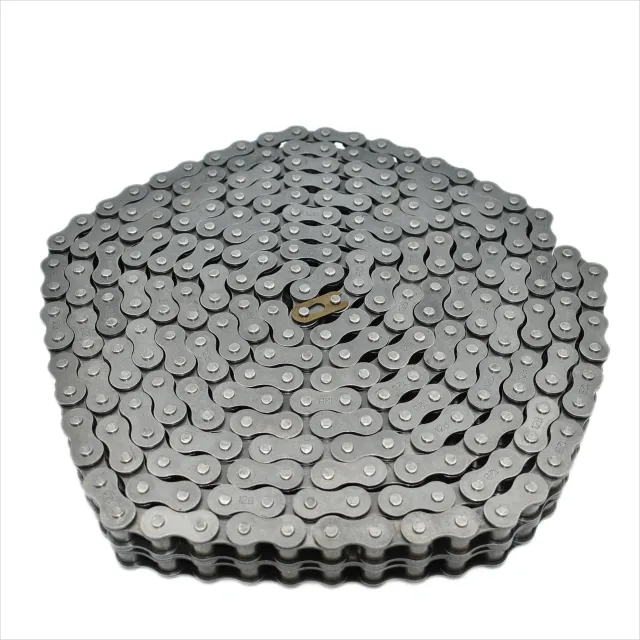
ما هي أنواع سلاسل نقل الحركة المختلفة المتاحة؟
تتوفر أنواع عديدة من سلاسل نقل الحركة، كل منها مصمم ليناسب تطبيقات وظروف تشغيل محددة. فيما يلي بعض الأنواع الشائعة:
- سلاسل البكرات: تُعد سلاسل البكرات أكثر أنواع سلاسل النقل استخدامًا. وهي تتكون من صفائح داخلية وخارجية، ودبابيس، وجلب، وبكرات. تساعد البكرات على تقليل الاحتكاك وتسهيل الحركة السلسة.
- السلاسل الصامتة: تتميز السلاسل الصامتة، والمعروفة أيضاً بالسلاسل ذات الأسنان المقلوبة أو السلاسل المسننة، بأشكال أسنان خاصة تتعشق مع تروس مسننة متوافقة. وهي مصممة لتقليل الضوضاء والاهتزاز إلى أدنى حد، مما يجعلها مناسبة للتطبيقات التي تتطلب تشغيلاً هادئاً.
- سلاسل الأوراق: تُصنع سلاسل الأوراق من حلقات متشابكة مصنوعة من صفائح فولاذية مسطحة. وتُعرف بقوة شدها العالية ومقاومتها للإجهاد، مما يجعلها مناسبة للتطبيقات الشاقة ذات الأحمال العالية.
- سلاسل التوقيت: تُستخدم سلاسل التوقيت في المحركات لمزامنة دوران عمود الكامات وعمود المرفق. تتميز هذه السلاسل بأسنان دقيقة تتشابك مع تروس التوقيت، مما يضمن توقيتًا دقيقًا وأداءً فعالاً للمحرك.
- سلاسل فولاذية هندسية: هي سلاسل متخصصة للغاية مصممة لصناعات وتطبيقات محددة. وغالبًا ما تُستخدم في بيئات قاسية مثل التعدين والغابات ومناولة المواد.
- السلاسل البلاستيكية: تُصنع السلاسل البلاستيكية من مواد بلاستيكية عالية المتانة، مثل الأسيتال أو النايلون. وتتميز بمقاومتها للتآكل، وخفة وزنها، وانخفاض مستوى الضوضاء أثناء التشغيل. وتُستخدم على نطاق واسع في صناعات تجهيز الأغذية والتعبئة والتغليف، وغيرها من الصناعات التي تتطلب معايير نظافة صارمة.
هذه مجرد أمثلة قليلة لأنواع سلاسل النقل. وبحسب التطبيق المحدد، قد تتوفر سلاسل متخصصة أخرى لتلبية المتطلبات الفريدة لمختلف الصناعات والآلات.
كيف تختلف سلاسل البكرات عن أنواع سلاسل النقل الأخرى؟
تُعد سلاسل البكرات، والمعروفة أيضًا باسم سلاسل وصلات البكرات، نوعًا شائع الاستخدام من سلاسل نقل الحركة، وتتميز عن السلاسل الأخرى بعدة طرق:
- التصميم: تتكون سلاسل البكرات من صفائح داخلية وخارجية، ودبابيس، وجلب، وبكرات. تساعد البكرات، التي تدور بحرية، على تقليل الاحتكاك والتآكل، مما ينتج عنه نقل طاقة أكثر سلاسة وكفاءة.
- تطبيقات واسعة: تتميز سلاسل البكرات بتعدد استخداماتها وتستخدم على نطاق واسع في مختلف الصناعات، بما في ذلك صناعة السيارات والآلات الصناعية والمعدات الزراعية وأنظمة النقل.
- قدرة تحمل عالية للأحمال: تم تصميم سلاسل البكرات لتحمل الأحمال العالية وتوفر قوة شد ممتازة، مما يجعلها مناسبة للتطبيقات التي تتطلب أداءً عاليًا.
- الكفاءة: تُعرف السلاسل الأسطوانية بكفاءتها العالية في نقل الطاقة. يقلل تصميم الأسطوانات من الاحتكاك، مما يؤدي إلى تقليل فقد الطاقة وتحسين الكفاءة الإجمالية.
- الفعالية من حيث التكلفة: تعتبر سلاسل البكرات فعالة من حيث التكلفة نسبياً مقارنة ببعض سلاسل النقل المتخصصة الأخرى، مما يجعلها خياراً شائعاً في العديد من التطبيقات.
رغم مزايا سلاسل البكرات، من المهم ملاحظة أن أنواعًا مختلفة من سلاسل النقل قد تكون أكثر ملاءمة لتطبيقات محددة. يجب مراعاة عوامل مثل سعة الحمولة، والسرعة، ومستوى الضوضاء، والظروف البيئية عند اختيار سلسلة النقل المناسبة لتطبيق معين.


تم التحرير بواسطة CX بتاريخ 2023-11-03