وصف المنتج
سلسلة زراعية معتمدة بشهادة ISO 9001
لماذا تختارنا؟
1. تأسست شركة HangZhou Xihu (West Lake) Dis.hua Chain Group Co., Ltd في عام 1991، ولدينا 5 شركات تابعة في الصين و 6 شركات تابعة في الخارج أيضًا؛
2. نحن نغطي مساحة إنتاج تبلغ 200100 متر مربع، ولدينا أكثر من 1800 مجموعة من المعدات المتطورة وأكثر من 3100 موظف من ذوي المهارات العالية، وقد تجاوزت الطاقة الإنتاجية السنوية 20000000 متر؛
3. نحن متخصصون في إنتاج جميع أنواع السلاسل القياسية والسلاسل الخاصة، مثل سلاسل السلسلة A أو B، وسلاسل القيادة، وسلاسل النقل، وسلاسل الجر. السلاسل الزراعية، العجلات المسننة والتروس وما إلى ذلك؛
4. لقد حصلنا على شهادات ISO9001 وISO14001 وISO16969 وAAA وAPI.
5. شركاؤنا من بين أفضل الشركات العالمية، مثل جون دير، ونيو هولاند، وكلاس، وهوندا، وكوبوتا، ويانمار، إلخ.
تتضمن سلاسلنا الزراعية العناصر التالية:
1. سلاسل بكرات قصيرة الخطوة شديدة التحمل من سلسلة SH عالية القوة
2. سلاسل بكرات قصيرة الخطوة شديدة التحمل من سلسلة SP
3. سلاسل جرارات المشي
4. دمج السلاسل
5. سلسلة ZGS38 المدمجة مع الملحقات
6. سلاسل حصاد الأرز
7. سلسلة زراعية متنوعة مع ملحقاتها
8. سلاسل زراعية فولاذية من النوع S
9. سلسلة زراعية فولاذية من النوع S مع ملحقات
10. سلاسل زراعية فولاذية من النوع أ
11. سلاسل زراعية فولاذية من النوع CA
12. سلسلة زراعية فولاذية من النوع C مع ملحقات
13. سلسلة زراعية خاصة مع ملحقاتها
1) المنتجات ذات الصلة
2) الشهادات
تأسست شركة HangZhou Xihu (West Lake) Dis.hua Chain Group Co., Ltd في عام 1991، ولديها الآن خمس شركات تابعة مملوكة بالكامل، واحدة في مقاطعة تشجيانغ، وأربع أخرى في هانغتشو، مقاطعة هانغتشو، وهي شركة مصنعة محترفة للسلاسل والعجلات المسننة والتروس المسننة ومنتجات نقل الطاقة المختلفة.
تُركز المجموعة، التي تضم العلامتين التجاريتين XIHU (WEST LAKE) DIS.HUA وZIQIANG، على إنتاج جميع أنواع سلاسل البكرات القياسية والسلاسل الخاصة، مثل سلاسل النقل، وسلاسل الفولاذ المقاوم للصدأ، والسلاسل الزراعية. وبفضل تسجيل علامتها التجارية Xihu (West Lake) Dis.hua في أكثر من 70 دولة، بما في ذلك أمريكا وأوروبا واليابان، تُقيم المجموعة شراكات طويلة الأمد مع كبرى الشركات العالمية، مثل JOHNDEERE وNEW HOLLAND وCLAAS وHONDA وKUBOTA وYANMAR.
يضم مجمع شي هوا (بحيرة الغرب) مركزًا تقنيًا على مستوى المقاطعة، ومحطة عمل أكاديمية، ومحطة تجارب لكبار الباحثين، بالإضافة إلى مئات البرامج الوطنية. وبفضل هذه المنصات والقدرات التقنية العالية، قام أكثر من مئات المهندسين والفنيين بتطوير منتجات متخصصة عالية الدقة والقوة، ونفذوا برامج قوالب للمكونات الرئيسية في صناعة السيارات وبرنامج إنعاش الصناعة الوطنية.
أُولي اهتمام كبير لحماية البيئة وترشيد استهلاك الطاقة، ويُجسّد المنتج هذا الاهتمام خير تجسيد. في عام 2000، كانت شركة شيهو (بحيرة الغرب) ديشو من أوائل الشركات التي حصلت على شهادة إدارة البيئة ISO 14001، ثم اجتازت بنجاح فحص الإنتاج النظيف والاقتصاد القائم على إعادة التدوير، لتنال لقب "مؤسسة تشانغتشو الخضراء".
"نحن نحرص دائماً على تقديم أفضل منتجاتنا لعملائنا."
| الاستخدام: | سلسلة النقل |
|---|---|
| مادة: | سبائك/فولاذ كربوني |
| معالجة السطح: | ازدهار الزيت |
| ميزة: | مقاوم للحرارة |
| حجم السلسلة: | 1/2 بوصة × 11/128 بوصة |
| بناء: | سلسلة بكرات |
| التخصيص: |
متاح
| طلب مخصص |
|---|
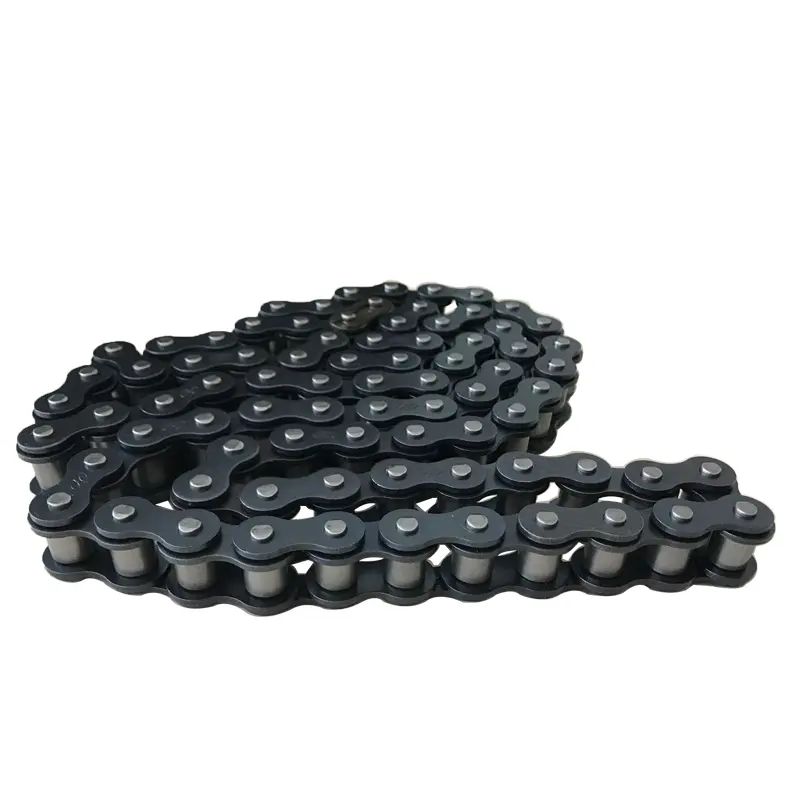
كيف يؤثر تصميم سلسلة نقل الحركة على كفاءتها؟
يلعب تصميم سلسلة نقل الحركة دورًا حاسمًا في تحديد كفاءتها وأدائها العام. إليك شرحًا مفصلًا:
1. شكل وصلات السلسلة وهندستها: يؤثر شكل وصلات السلسلة وهندستها بشكل مباشر على كفاءة نقل الطاقة. فالسلاسل ذات تصميمات الوصلات المُحسّنة، كالتصميمات الانسيابية أو المنحنية، تُقلل الاحتكاك وتُخفّض فقد الطاقة أثناء التشغيل. تُعزز هذه الميزات التصميمية كفاءة السلسلة وتُسهم في نقل الطاقة بسلاسة أكبر.
٢. أسطح التحميل: يؤثر تصميم وجودة أسطح التحميل في سلسلة نقل الحركة بشكل كبير على كفاءتها. تتضمن السلاسل المصممة جيدًا أسطح تحميل مصنعة بدقة عالية تقلل الاحتكاك والتآكل. تقلل الأسطح الملساء والمصنعة بدقة من فقد الطاقة الناتج عن الاحتكاك، مما يؤدي إلى كفاءة أعلى وأداء عام أفضل.
3. تصميم البكرات والبطانات: يؤثر تصميم البكرات والبطانات في سلسلة نقل الحركة بشكل كبير على كفاءتها. فالسلاسل ذات البكرات والبطانات المصممة بشكل صحيح تقلل الاحتكاك وتتيح دورانًا سلسًا. كما تضمن أسطح التلامس منخفضة الاحتكاك بين البكرات والتروس نقلًا فعالًا للطاقة، مما يقلل من هدر الطاقة ويحسن الكفاءة العامة للسلسلة.
٤. نظام التشحيم: يؤثر تصميم نظام التشحيم داخل السلسلة على كفاءتها. فالتشحيم السليم يقلل الاحتكاك والتآكل، مما يسمح للسلسلة بالعمل بكفاءة أكبر. وتتضمن بعض سلاسل النقل خصائص تشحيم ذاتي أو آليات تشحيم متطورة لضمان التشحيم الأمثل في جميع أنحاء السلسلة، مما يزيد من كفاءتها.
5. اختيار المواد: يؤثر اختيار المواد المستخدمة في مكونات السلسلة، مثل الوصلات والبكرات والبطانات، على كفاءتها. تساهم المواد عالية الجودة ذات المقاومة الممتازة للتآكل ومعاملات الاحتكاك المنخفضة في زيادة الكفاءة. بالإضافة إلى ذلك، يمكن للمواد خفيفة الوزن أن تقلل من الوزن الإجمالي للسلسلة، مما يؤدي إلى تقليل القصور الذاتي وتحسين الكفاءة.
٦. التصنيع الدقيق: تؤثر دقة تصنيع سلسلة نقل الحركة بشكل مباشر على كفاءتها. فالسلاسل المصنعة بتفاوتات دقيقة وعمليات تصنيع عالية الجودة تضمن ملاءمة مثالية، وتقليل الاحتكاك، ونقل الطاقة الأمثل، مما يؤدي إلى تحسين الكفاءة.
من المهم ملاحظة أن اعتبارات التصميم والميزات المذكورة أعلاه قد تختلف باختلاف نوع سلسلة النقل وتطبيقها. ويمكن أن يوفر استشارة الخبراء أو الشركات المصنعة مزيدًا من المعلومات حول ميزات التصميم التي تُحسّن كفاءة سلسلة نقل معينة.
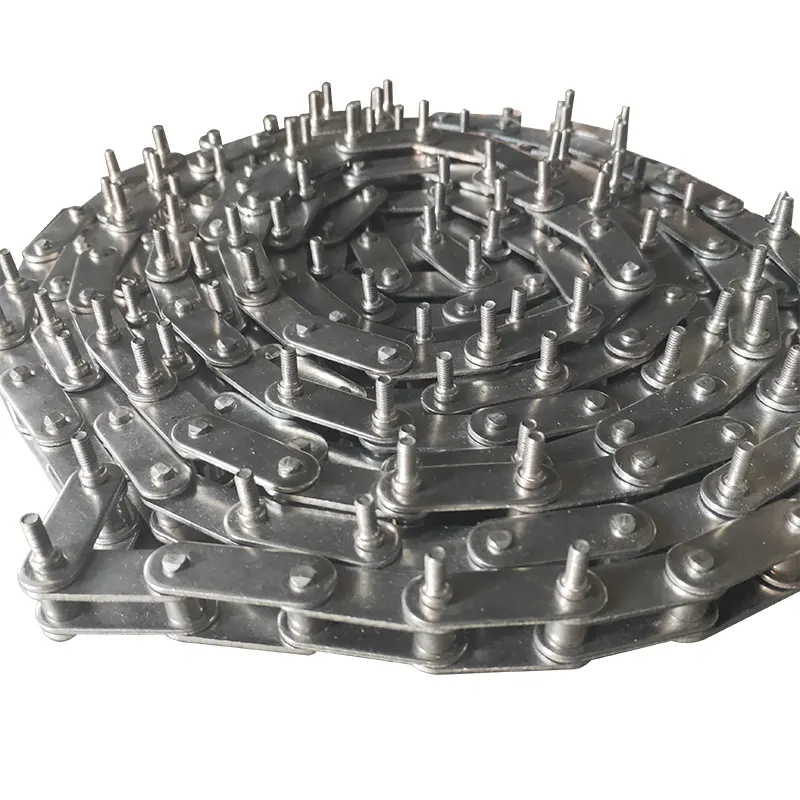
كيف يؤثر اختيار المادة على أداء سلسلة نقل الحركة؟
يُعد اختيار مادة سلسلة ناقل الحركة عاملاً حاسماً في أدائها العام ومتانتها. إليك إجابة مفصلة على السؤال:
1. المتانة وقدرة التحمل: تختلف المواد في مستويات متانتها وقدرتها على تحمل الأحمال. توفر المواد عالية المتانة، مثل الفولاذ السبائكي أو الفولاذ المقاوم للصدأ، متانة فائقة وتتحمل الأحمال الثقيلة. يضمن اختيار مادة ذات متانة كافية قدرة سلسلة النقل على تحمل الحمل المطلوب دون تآكل أو عطل مبكر.
٢. مقاومة التآكل: تؤثر المادة المستخدمة في تصنيع سلسلة ناقل الحركة على مقاومتها للتآكل. تتميز بعض المواد، مثل الفولاذ المقوى أو بعض السبائك، بخصائص مقاومة تآكل ممتازة، مما يسمح للسلسلة بتحمل الظروف القاسية وإطالة عمرها. يقلل اختيار مادة ذات مقاومة جيدة للتآكل من الحاجة إلى استبدال السلسلة وصيانتها بشكل متكرر.
3. مقاومة التآكل: في البيئات التي يُعدّ فيها التآكل مصدر قلق، مثل البيئات الخارجية أو الصناعية التي تتعرض للتآكل، يُعدّ اختيار مادة ذات مقاومة عالية للتآكل أمرًا ضروريًا. توفر السلاسل المصنوعة من الفولاذ المقاوم للصدأ أو المطلية خصيصًا مقاومة ممتازة للصدأ والتآكل، مما يضمن أداءً موثوقًا وعمرًا طويلًا حتى في الظروف القاسية.
4. مقاومة الإجهاد: تُعدّ مقاومة الإجهاد للمادة عاملاً حاسماً في التطبيقات التي تتعرض فيها سلسلة النقل لأحمال دورية متكررة. قد يحدث فشل الإجهاد عندما تتعرض السلسلة لدورات إجهاد مستمرة، مما يؤدي إلى تشققات وفشل نهائي. تُعدّ المواد ذات مقاومة الإجهاد العالية، مثل سبائك معينة أو الفولاذ المعالج حرارياً، مثالية للتطبيقات التي تتطلب مقاومة ممتازة للإجهاد.
5. مقاومة الحرارة: تؤثر درجة حرارة التشغيل للتطبيق على اختيار مادة سلسلة النقل. فبعض المواد، كالفولاذ المعالج حرارياً أو السبائك المتخصصة، تتحمل درجات الحرارة العالية دون أن تفقد خصائصها الميكانيكية. في المقابل، قد تكون بعض أنواع البلاستيك أو البوليمرات مناسبة للتطبيقات ذات درجات الحرارة المنخفضة. ويضمن اختيار مادة تتحمل نطاق درجات الحرارة المتوقع الأداء الأمثل ويمنع تلف السلسلة قبل الأوان.
٦. اعتبارات التكلفة: يتضمن اختيار المواد أيضًا اعتبارات التكلفة. قد تكون تكلفة بعض المواد عالية الأداء، مثل الفولاذ المقاوم للصدأ أو السبائك المتخصصة، أعلى في البداية مقارنةً بسلاسل الفولاذ الكربوني القياسية. ومع ذلك، فإن الأداء المحسن، وطول العمر، وانخفاض متطلبات الصيانة التي توفرها هذه المواد قد تؤدي إلى توفير في التكاليف على المدى الطويل.
من المهم تقييم المتطلبات الخاصة بالتطبيق بدقة، بما في ذلك سعة التحميل والظروف البيئية ومعايير التشغيل، عند اختيار مادة سلسلة النقل. ويمكن أن تساعد استشارة خبراء الصناعة أو الشركات المصنعة في تحديد المادة الأنسب لتحقيق الأداء الأمثل للسلسلة وطول عمرها.
ما هي مزايا استخدام سلاسل نقل الحركة المصنوعة من الفولاذ المقاوم للصدأ؟
تتميز سلاسل نقل الحركة المصنوعة من الفولاذ المقاوم للصدأ بالعديد من المزايا مقارنةً بالسلاسل المصنوعة من مواد أخرى. فيما يلي بعض الفوائد الرئيسية لاستخدام سلاسل نقل الحركة المصنوعة من الفولاذ المقاوم للصدأ:
- مقاومة التآكل: تتميز سلاسل الفولاذ المقاوم للصدأ بمقاومة عالية للتآكل والصدأ، مما يجعلها مثالية للاستخدام في البيئات القاسية أو المسببة للتآكل. فهي تتحمل التعرض للرطوبة والمواد الكيميائية وتغيرات درجات الحرارة دون التأثير على أدائها.
- المتانة وطول العمر: تتميز سلاسل الفولاذ المقاوم للصدأ بمتانة فائقة وعمر خدمة طويل. فهي أقل عرضة للتآكل والإجهاد، مما يضمن تشغيلًا موثوقًا حتى في ظل الأحمال الثقيلة والظروف القاسية. وهذا يقلل الحاجة إلى الاستبدال والصيانة المتكررة، مما يؤدي إلى توفير في التكاليف على المدى الطويل.
- النظافة والتعقيم: تُستخدم سلاسل الفولاذ المقاوم للصدأ على نطاق واسع في الصناعات التي تتطلب معايير نظافة صارمة، مثل صناعة الأغذية والأدوية والمعدات الطبية. فهي سهلة التنظيف والتعقيم، ومقاومة للتلوث، ويمكنها تحمل الغسيل بدرجات حرارة عالية دون أن تتلف.
- قوة عالية: تتميز سلاسل الفولاذ المقاوم للصدأ بقوة شد عالية، مما يسمح لها بتحمل الأحمال الثقيلة ونقل الطاقة بكفاءة. وهذا يجعلها مناسبة للتطبيقات التي تتطلب نقل طاقة قوي وموثوق.
- مقاومة درجات الحرارة: تتميز سلاسل الفولاذ المقاوم للصدأ بمقاومة جيدة لدرجات الحرارة المرتفعة والمنخفضة. فهي تحافظ على خصائصها الميكانيكية وأدائها حتى في بيئات درجات الحرارة القصوى، مما يجعلها مناسبة للتطبيقات التي تشهد تغيرات في درجات الحرارة.
- صيانة منخفضة: بفضل مقاومتها الممتازة للتآكل ومتانتها، تتطلب سلاسل الفولاذ المقاوم للصدأ الحد الأدنى من الصيانة. فهي تعمل بكفاءة عالية مع الحد الأدنى من التشحيم، مما يقلل الحاجة إلى عمليات الفحص المتكررة وفترات التشحيم.
بشكل عام، توفر سلاسل نقل الحركة المصنوعة من الفولاذ المقاوم للصدأ حلاً موثوقاً وطويل الأمد للتطبيقات التي تكون فيها مقاومة التآكل والمتانة والنظافة والقوة أموراً أساسية.


تم التحرير بواسطة CX بتاريخ 26-10-2023