وصف المنتج
وصف المنتج
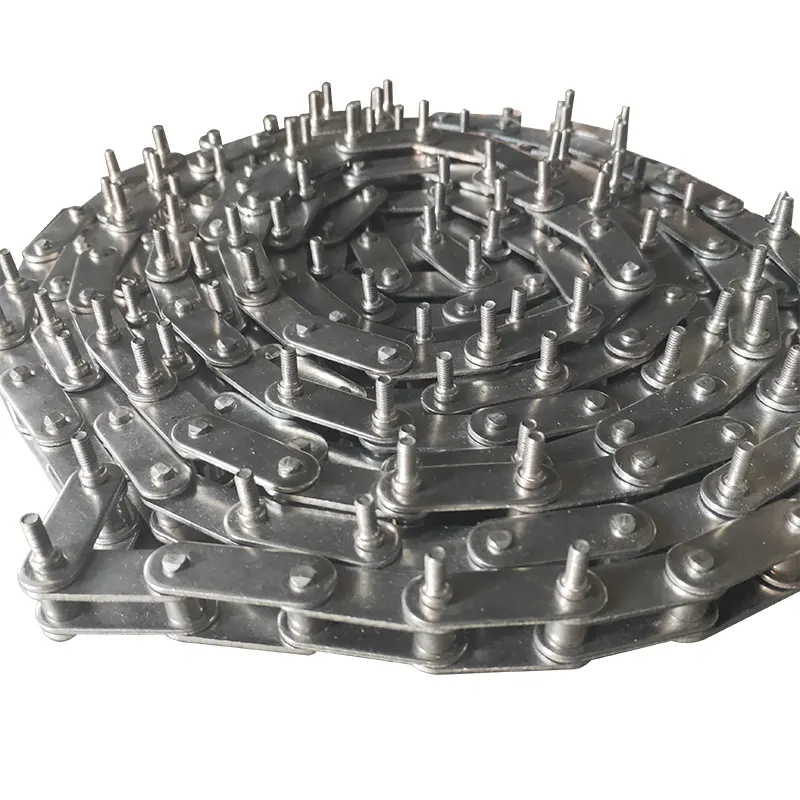
The chain of agricultural machinery industry is applied to rice, wheat, corn, cotton and other agricultural machinery, providing driving and conveying functions, and realizing mechanized flower operation in the whole process of agricultural production from arable land to harvest. It is mainly applied to rice machinery, corn machinery, cotton machinery, etc
سمة المنتج
|
الاستخدام |
Agricultural roller chain |
|
مادة |
chain plate: 45Mn,bush: Q195, roller: 10#,pin: 40Cr |
|
معالجة السطح |
netural/sand-blasted/shot-peening |
| application area | Rice machinery, harvester and other agricultural machinery |
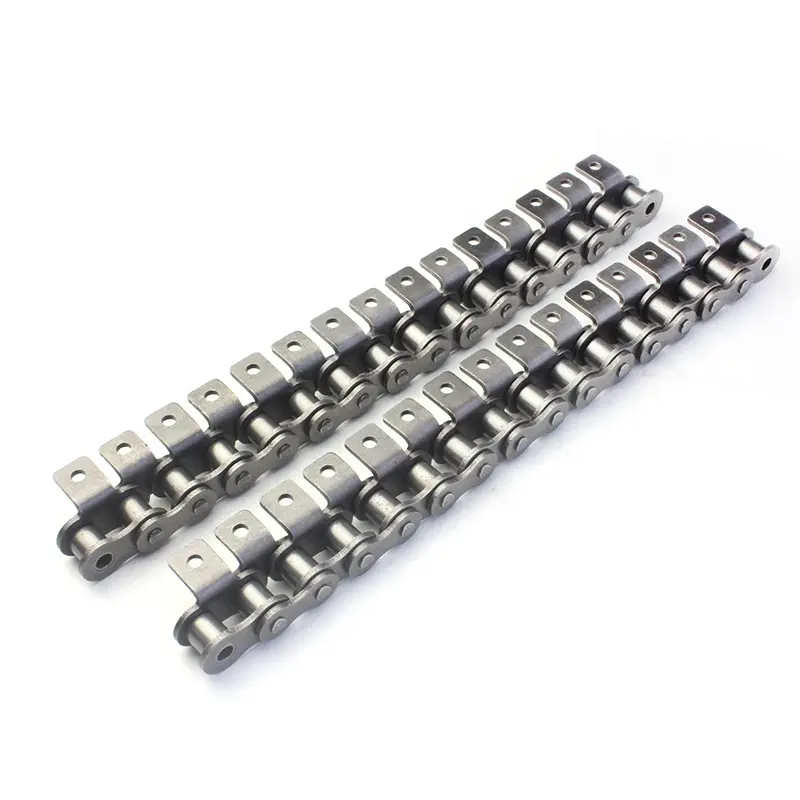
| product type | S Type Steel Agricultural Chain with Attachments C Type Steel Agricultural Chain with Attachments A Type Steel Agricultural Chain with Attachments CA Type Steel Agricultural Chain with Attachments |
| certificate | ISO,SGS,ANSI,DIN |
| ميناء |
Any sea port or airport in china |
| قسط |
خطاب اعتماد، تحويل مصرفي، مستندات مقابل الدفع، ويسترن يونيون |
| طَرد |
سلسلة، كيس بلاستيكي، علبة ملونة، صندوق خشبي. أو تصنيع حسب الطلب (OEM) |
| S Type | S32,S32V,S42,S45,S51,S52,
55V,55VF1,S55,S55R,S55RH,S62,S77,S88 |
| C Type | CA550,CA550V,CA555,CA557,CA620,CA2060H,CA2063H,CA550F4,CA550F5
38.4R,38.4V,55VD,S62F3,CA960 |
| A Type | A550,A555,A557,A620 |
| CA Type | CA627,CA550D,CA557D,CA620D |
| كما نقوم بتنفيذ عمليات التصنيع حسب الطلب (OEM) وفقًا لمتطلباتكم. |
|
صور تفصيلية
معايير المنتج
مزايانا
Company Advantages:
رخصة استيراد وتصدير خاصة، العلامة التجارية للتلفزيون مسجلة بنجاح في العديد من البلدان، شبكة مبيعات منتشرة في جميع أنحاء الصين، يتم تصدير المنتجات إلى 65 دولة في 5 قارات.
عضوية:
1. عضو في الجمعية الصينية لصناعة مكونات الآلات العامة.
2. عضو في جمعية نقل السلسلة الصينية.
3. عضو في جمعية توحيد معايير سلسلة التوريد الصينية.
4. عضو في الجمعية الصينية لمصنعي الآلات الزراعية.
بفضل كوادرنا وعمالنا المدربين تدريباً ممتازاً، ومعداتنا المتطورة والفعالة، وشبكة مبيعاتنا المتكاملة، وأنظمة ضمان الجودة الصارمة، نضمن لكم أن سلسلتنا عالية الجودة ستلبي جميع متطلباتكم وأعلى معايير الجودة.
Please do not hesitate to contact us for more information on how TransVision products can meet your industries demands at highly competitive pricing.
Quality First, Clients Uppermost.
Product Categories
| لماذا تختارنا؟ |
مجموعة منتجات شاملة: نقوم بإنتاج وتوريد مجموعة واسعة من أنظمة نقل الطاقة
تشمل المنتجات سلاسل القيادة، وسلاسل نقل الأوراق، وسلاسل النقل، والسلاسل الزراعية، والعجلات المسننة، و
وصلات. ستُقلل تجربة التسوق الشاملة هذه من متجر واحد بشكل كبير من تكاليف البحث الخاصة بك بينما
نضمن لك العثور على ما تريد بنقرة واحدة.
منتجات اختيار القيمة: منتجاتنا هي أفضل مزيج من الجودة والسعر، وستحصل على ما تستحقه.
ما تريده في حدود ميزانيتك
لدينا 15 مندوبي مبيعات ومهندسين ذوي خبرة؛
فريقنا جاهز لخدمتكم في أي وقت تحتاجون فيه إلى المساعدة. إنهم مدربون تدريباً جيداً في هذا المجال.
نحن على دراية تامة وسنرد دائمًا على طلباتكم في غضون 24 ساعة.
معدل الاحتفاظ بالعملاء 100%: يعود عملاؤنا الدائمون من الخارج ليس فقط من أجلنا
منتجات عالية الجودة، ولكن بفضل الخدمات المتميزة التي قدمناها على مر السنين.
| التعليمات |
| س1: ما هو متوسط وقت التسليم لديكم؟ ج: يختلف الأمر. عادةً ما تستغرق عملية التسليم من البداية إلى النهاية من شهر إلى شهرين. كما نوفر خدمة الشحن السريع للطلبات العاجلة. لمزيد من التفاصيل، يُرجى التواصل مع مندوب المبيعات لدينا. س2: هل سعرك أفضل من أسعار منافسيك مع مراعاة نفس الجودة؟ س4: هل يمكننا فحص البضائع قبل الشحن؟ س5: ما هي طريقة الدفع المقبولة في مصنعكم؟ س6: ماذا لو كانت لدي أي أسئلة أخرى؟ |
|
تكلفة الشحن:
تكلفة الشحن المقدرة لكل وحدة. |
To be negotiated |
|---|
| مادة: | سبائك/فولاذ كربوني |
|---|---|
| بناء: | سلسلة بكرات |
| معالجة السطح: | Oxygenation |
| التخصيص: |
متاح
| طلب مخصص |
|---|
What are the benefits of using a corrosion-resistant material for a transmission chain?
Using a corrosion-resistant material for a transmission chain offers several advantages. Here’s a detailed answer to the question:
Corrosion-resistant materials, such as stainless steel or specialized coatings, provide the following benefits for transmission chains:
1. Enhanced Durability: Corrosion can significantly reduce the lifespan of a transmission chain by causing surface degradation, pitting, or rusting. By using a corrosion-resistant material, the chain’s durability is improved, allowing it to withstand exposure to harsh environments, chemicals, moisture, and temperature variations.
2. Extended Service Life: Corrosion-resistant materials help prevent or minimize the formation of rust or corrosion on the chain’s surface. This extends the chain’s service life, reducing the frequency of replacements and associated downtime and maintenance costs.
3. Reliable Performance: Corrosion can negatively impact the performance of a transmission chain by increasing friction, decreasing flexibility, and impairing the smooth engagement with sprockets or other components. Using a corrosion-resistant material ensures consistent and reliable performance, allowing the chain to operate smoothly and efficiently.
4. Reduced Maintenance: Corrosion-resistant transmission chains require less maintenance compared to chains made from non-corrosion-resistant materials. They are less prone to surface damage, require fewer lubrication intervals, and generally demand less attention to prevent deterioration. This results in reduced maintenance efforts and costs.
5. Suitable for Challenging Environments: Many industries and applications expose transmission chains to corrosive substances, moisture, humidity, or high temperatures. Using a corrosion-resistant material ensures that the chain can perform reliably in these challenging environments, such as marine, chemical processing, food processing, or outdoor applications.
6. Improved Safety: Corrosion can compromise the integrity and strength of a transmission chain, potentially leading to chain failure or unexpected equipment downtime. Utilizing a corrosion-resistant material helps maintain the chain’s structural integrity, reducing the risk of accidents, equipment failures, and associated safety hazards.
It’s important to consider the specific requirements of the application and the level of corrosion resistance needed when selecting a transmission chain material. Factors such as environmental conditions, temperature, exposure to chemicals, and industry standards should be taken into account to ensure optimal performance and longevity of the chain.

How does the choice of lubrication method impact the performance of a transmission chain?
The choice of lubrication method plays a crucial role in the performance and longevity of a transmission chain. Here’s a detailed answer to the question:
1. Reduced Friction and Wear: Proper lubrication ensures a thin film of lubricant between the moving parts of the transmission chain, reducing friction and minimizing wear. This helps to maintain the integrity of the chain’s components, such as pins, rollers, and bushings, by preventing metal-to-metal contact and reducing surface damage.
2. Heat Dissipation: Lubrication helps in dissipating heat generated during the operation of the transmission chain. By reducing friction and providing a cooling effect, the lubricant helps to prevent overheating, which can lead to premature wear, deformation, or failure of the chain.
3. Corrosion Protection: Lubricants often contain additives that offer corrosion protection to the transmission chain. These additives create a protective barrier against moisture, chemicals, and other corrosive elements, preventing rust formation and maintaining the chain’s performance in corrosive environments.
4. Noise Reduction: Adequate lubrication reduces the noise generated by the movement of the transmission chain. The lubricant acts as a cushion between the contacting surfaces, dampening vibrations and minimizing the noise levels produced during operation. This contributes to a quieter and smoother chain operation.
5. Extended Lifespan: Proper lubrication helps to extend the lifespan of the transmission chain. By reducing friction, wear, and the accumulation of debris, lubrication minimizes the stress on the chain’s components, resulting in improved durability and reduced likelihood of premature failure.
6. Operational Efficiency: A well-lubricated transmission chain operates with higher efficiency. With reduced friction, the chain experiences less power loss, enabling more effective power transmission. This leads to improved overall system efficiency, reduced energy consumption, and lower operating costs.
7. Contamination Prevention: Lubrication acts as a barrier, preventing contaminants, such as dust, dirt, and debris, from entering the chain’s components. This helps to maintain the cleanliness of the chain, reducing the risk of abrasive wear and preserving the integrity of its parts.
It’s important to consider the specific operating conditions, such as temperature, speed, load, and environment, when selecting the lubrication method for a transmission chain. Factors such as the viscosity, temperature range, and compatibility of the lubricant with the chain material should be taken into account to ensure optimal lubrication performance.
How do you choose the right transmission chain for a specific application?
Choosing the right transmission chain for a specific application is crucial to ensure optimal performance and longevity. Here are the key factors to consider when selecting a transmission chain:
- Load Capacity: Determine the maximum load that the chain will need to transmit. This includes both the static and dynamic loads. Ensure that the selected chain has a sufficient load capacity to handle the application requirements.
- Speed and RPM: Consider the operating speed and rotational speed of the chain. Higher speeds may require chains with improved fatigue resistance and lubrication capabilities.
- Environment: Evaluate the environmental conditions in which the chain will operate. Factors such as temperature, moisture, dust, chemicals, and corrosive agents can impact chain performance. Choose a chain that is resistant to the specific environmental conditions.
- Alignment and Tension: Ensure proper alignment and tensioning of the chain. Misalignment and improper tension can lead to premature wear and failure. Select a chain that allows for proper adjustment and maintains optimal tension during operation.
- Maintenance: Consider the maintenance requirements of the chain. Some chains may require regular lubrication, while others may be self-lubricating or maintenance-free. Evaluate the available resources and the desired level of maintenance for the application.
- Compatibility: Ensure compatibility between the chain and other components in the transmission system, such as sprockets or gears. The chain should match the tooth profile and pitch of the mating components.
- Manufacturer’s Recommendations: Consult the manufacturer’s guidelines and recommendations for selecting the appropriate chain for specific applications. Manufacturers often provide detailed specifications, load charts, and application guidelines for their chains.
By considering these factors and consulting with chain manufacturers or industry experts, you can choose the right transmission chain that meets the specific requirements of your application, ensuring reliable and efficient operation.


editor by CX 2023-09-04