Описание продукта
Описание продукта
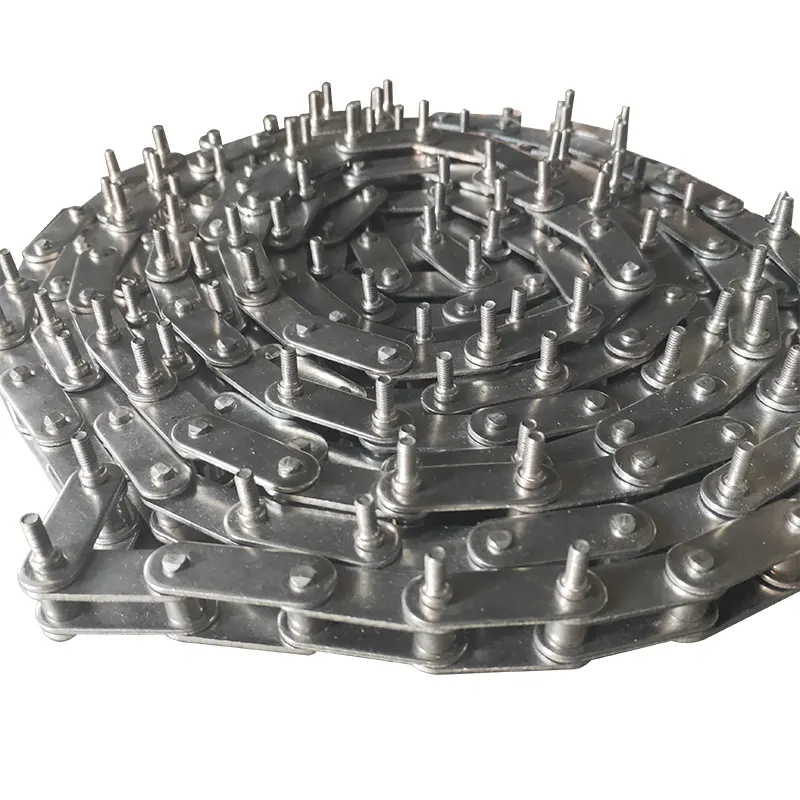
Технологическая цепочка сельскохозяйственной техники применяется для обработки риса, пшеницы, кукурузы, хлопка и других культур, обеспечивая функции привода и транспортировки, а также механизированную обработку урожая на всех этапах сельскохозяйственного производства, от пахотных земель до сбора урожая. В основном она применяется в машинах для обработки риса, кукурузы, хлопка и т.д.
Атрибут продукта
|
Использование |
Сельскохозяйственная роликовая цепь |
|
Материал |
Пластина цепи: 45Mn, втулка: Q195, ролик: 10#, штифт: 40Cr |
|
Обработка поверхности |
нейтральный/пескоструйная обработка/дробеструйная обработка |
| область применения | Рисоуборочная техника, комбайны и другая сельскохозяйственная техника |
| тип продукта | Сельскохозяйственная стальная цепь S-типа с навесным оборудованием. Стальная сельскохозяйственная цепь С-образного типа с навесным оборудованием Тип стальной сельскохозяйственной цепи с навесным оборудованием Сельскохозяйственная цепь из стали типа CA с навесным оборудованием. |
| сертификат | ISO, SGS, ANSI, DIN |
| Порт |
Любой морской порт или аэропорт в Китае |
| Оплата |
Аккредитив, банковский перевод, документарный платеж, Western Union |
| Упаковка |
Цепочка, полиэтиленовый пакет, цветная коробка, деревянный ящик. Или OEM-заказ. |
| Тип S | S32, S32V, S42, S45, S51, S52,
55V, 55VF1, S55, S55R, S55RH, S62, S77, S88 |
| Тип С | CA550, CA550V, CA555, CA557, CA620, CA2060H, CA2063H, CA550F4, CA550F5
38.4R,38.4V,55VD,S62F3,CA960 |
| Тип А | A550, A555, A557, A620 |
| Тип CA | CA627, CA550D, CA557D, CA620D |
| Мы также осуществляем производство по OEM-заказам в соответствии с вашими требованиями. |
|
Подробные фотографии
Параметры продукта
Наши преимущества
Преимущества компании:
Собственная лицензия на импорт и экспорт, торговая марка телевизоров успешно зарегистрирована во многих странах, сеть продаж охватывает весь Китай, продукция экспортируется в 65 стран на 5 континентах.
Членство:
1. Член Китайской ассоциации производителей машиностроительных компонентов.
2. Член Китайской ассоциации цепных передач.
3. Член Китайской ассоциации стандартизации цепей.
4. Член Китайской ассоциации производителей сельскохозяйственной техники.
Благодаря высококвалифицированному персоналу, современному и эффективному оборудованию, разветвленной сети продаж и строгим системам контроля качества, вы можете быть уверены, что наша высококачественная производственная сеть способна удовлетворить все требования заказчиков и самые строгие стандарты качества.
Пожалуйста, не стесняйтесь обращаться к нам за дополнительной информацией о том, как продукция TransVision может удовлетворить потребности вашей отрасли по весьма конкурентоспособным ценам.
Качество превыше всего, клиенты – на первом месте.
Категории товаров
| Почему выбирают нас? |
Широкий ассортимент продукции. Мы производим и поставляем широкий спектр оборудования для передачи энергии.
В ассортимент продукции входят приводные цепи, листовые цепи, конвейерные цепи, сельскохозяйственные цепи, звездочки и т.д.
соединительные элементы. Такой формат покупок в одном магазине значительно снизит ваши затраты на поиск, а также позволит совершать покупки в одном месте.
Гарантируем, что вы найдете то, что вам нужно, одним щелчком мыши.
Выгодные предложения на продукцию. Наша продукция – это лучшее сочетание качества и цены, и вы получаете то, что ищете.
вы хотите в рамках вашего бюджета
Опытные специалисты по продажам и инженеры. В нашей команде 15 опытных специалистов по продажам и 5 инженеров;
Наша команда всегда к вашим услугам, когда вам нужна помощь. Наши специалисты имеют отличную подготовку и соответствуют отраслевым стандартам.
Мы знаем все подробности и всегда отвечаем на ваши запросы в течение 24 часов.
100% Показатель удержания клиентов Наши постоянные клиенты из-за рубежа возвращаются не только из-за наших
Мы гордимся продукцией премиум-качества и превосходным сервисом, который предоставляем на протяжении многих лет.
| Часто задаваемые вопросы |
| В1: Каково ваше среднее время выполнения заказа? А: Сроки варьируются. Наш стандартный срок выполнения заказа составляет 1-2 месяца. Мы также предлагаем экспресс-доставку для срочных заказов. Для получения более подробной информации, пожалуйста, обратитесь к нашему менеджеру по продажам. В2: Ваша цена лучше, чем у конкурентов, при одинаковом качестве? Вопрос 4: Можем ли мы проверить товар перед отправкой? В5: Какие способы оплаты принимаются вашим заводом? В6: Что делать, если у меня возникнут другие вопросы? |
|
Стоимость доставки:
Ориентировочная стоимость доставки за единицу товара. |
Подлежит обсуждению |
|---|
| Материал: | Легированная/углеродистая сталь |
|---|---|
| Структура: | Роликовая цепь |
| Обработка поверхности: | Оксигенация |
| Настройка: |
Доступный
| Индивидуальный запрос |
|---|
В чём преимущества использования коррозионностойкого материала для трансмиссионной цепи?
Использование коррозионностойкого материала для трансмиссионной цепи дает ряд преимуществ. Вот подробный ответ на вопрос:
Коррозионностойкие материалы, такие как нержавеющая сталь или специальные покрытия, обеспечивают следующие преимущества для цепей трансмиссии:
1. Повышенная прочность: Коррозия может значительно сократить срок службы трансмиссионной цепи, вызывая деградацию поверхности, образование точечных повреждений или ржавчину. Использование коррозионностойкого материала повышает прочность цепи, позволяя ей выдерживать воздействие агрессивных сред, химических веществ, влаги и перепадов температуры.
2. Увеличенный срок службы: Коррозионностойкие материалы помогают предотвратить или минимизировать образование ржавчины или коррозии на поверхности цепи. Это продлевает срок службы цепи, снижая частоту замен, а также связанные с этим простои и затраты на техническое обслуживание.
3. Надежная работа: Коррозия может негативно влиять на работу трансмиссионной цепи, увеличивая трение, снижая гибкость и ухудшая плавность зацепления со звездочками или другими компонентами. Использование коррозионностойкого материала обеспечивает стабильную и надежную работу, позволяя цепи функционировать плавно и эффективно.
4. Снижение затрат на техническое обслуживание: Коррозионностойкие трансмиссионные цепи требуют меньше технического обслуживания по сравнению с цепями, изготовленными из некоррозионных материалов. Они менее подвержены повреждениям поверхности, требуют меньшего количества интервалов смазки и, как правило, меньше внимания для предотвращения износа. Это приводит к снижению трудозатрат и расходов на техническое обслуживание.
5. Подходит для сложных условий эксплуатации: Во многих отраслях и областях применения цепи трансмиссии подвергаются воздействию коррозионных веществ, влаги, сырости или высоких температур. Использование коррозионностойкого материала гарантирует надежную работу цепи в таких сложных условиях, как морская промышленность, химическая промышленность, пищевая промышленность или эксплуатация на открытом воздухе.
6. Повышенная безопасность: Коррозия может нарушить целостность и прочность цепи привода, что потенциально может привести к ее поломке или неожиданному простою оборудования. Использование коррозионностойкого материала помогает сохранить структурную целостность цепи, снижая риск аварий, отказов оборудования и связанных с этим угроз безопасности.
При выборе материала для трансмиссионной цепи важно учитывать специфические требования применения и необходимый уровень коррозионной стойкости. Для обеспечения оптимальной производительности и долговечности цепи следует принимать во внимание такие факторы, как условия окружающей среды, температура, воздействие химических веществ и отраслевые стандарты.

Как выбор метода смазки влияет на производительность трансмиссионной цепи?
Выбор метода смазки играет решающую роль в производительности и долговечности трансмиссионной цепи. Вот подробный ответ на вопрос:
1. Снижение трения и износа: Правильная смазка обеспечивает образование тонкой пленки смазки между движущимися частями трансмиссионной цепи, снижая трение и минимизируя износ. Это помогает поддерживать целостность компонентов цепи, таких как штифты, ролики и втулки, предотвращая контакт металла с металлом и уменьшая повреждение поверхности.
2. Рассеивание тепла: Смазка помогает рассеивать тепло, выделяемое во время работы трансмиссионной цепи. Снижая трение и обеспечивая охлаждающий эффект, смазка помогает предотвратить перегрев, который может привести к преждевременному износу, деформации или выходу цепи из строя.
3. Защита от коррозии: Смазочные материалы часто содержат присадки, обеспечивающие защиту цепи трансмиссии от коррозии. Эти присадки создают защитный барьер от влаги, химических веществ и других коррозионных элементов, предотвращая образование ржавчины и поддерживая работоспособность цепи в агрессивных средах.
4. Снижение шума: Адекватная смазка снижает шум, создаваемый движением трансмиссионной цепи. Смазка действует как амортизатор между контактирующими поверхностями, гася вибрации и минимизируя уровень шума, производимого во время работы. Это способствует более тихой и плавной работе цепи.
5. Увеличенный срок службы: Правильная смазка помогает продлить срок службы трансмиссионной цепи. Снижая трение, износ и накопление мусора, смазка минимизирует нагрузку на компоненты цепи, что приводит к повышению долговечности и снижению вероятности преждевременного выхода из строя.
6. Эксплуатационная эффективность: Хорошо смазанная цепь передачи работает с большей эффективностью. Благодаря уменьшенному трению цепь испытывает меньшие потери мощности, что обеспечивает более эффективную передачу мощности. Это приводит к повышению общей эффективности системы, снижению энергопотребления и уменьшению эксплуатационных расходов.
7. Предотвращение загрязнения: Смазка действует как барьер, предотвращая попадание загрязнений, таких как пыль, грязь и мусор, в компоненты цепи. Это помогает поддерживать чистоту цепи, снижая риск абразивного износа и сохраняя целостность ее деталей.
При выборе метода смазки для трансмиссионной цепи важно учитывать специфические условия эксплуатации, такие как температура, скорость, нагрузка и окружающая среда. Для обеспечения оптимальной эффективности смазки следует принимать во внимание такие факторы, как вязкость, температурный диапазон и совместимость смазки с материалом цепи.
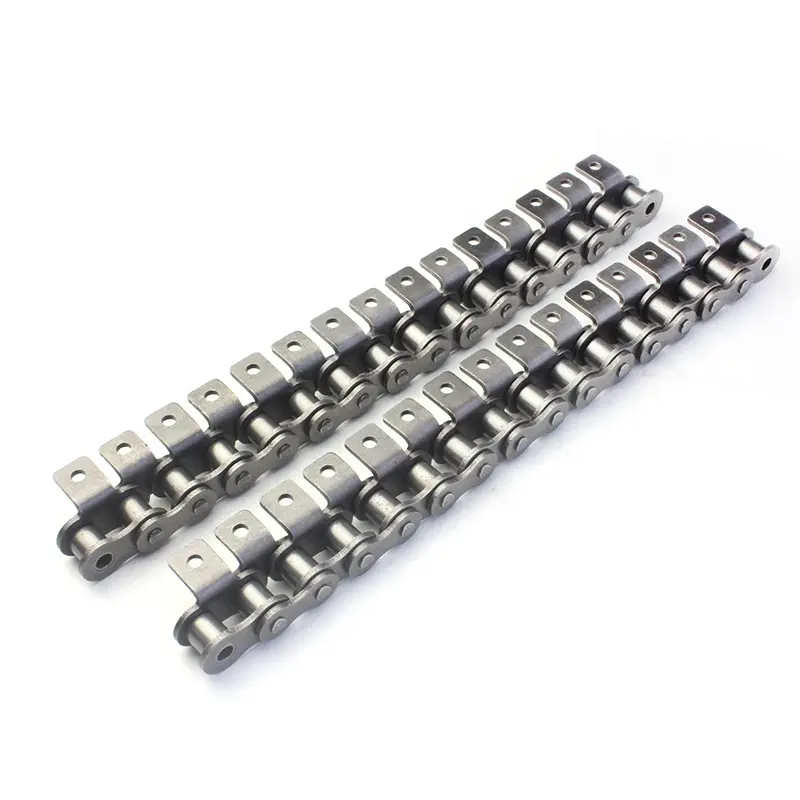
Как выбрать подходящую трансмиссионную цепь для конкретного применения?
Выбор правильной трансмиссионной цепи для конкретного применения имеет решающее значение для обеспечения оптимальной производительности и долговечности. Вот основные факторы, которые следует учитывать при выборе трансмиссионной цепи:
- Грузоподъемность: Определите максимальную нагрузку, которую должна передавать цепь. Это включает как статическую, так и динамическую нагрузку. Убедитесь, что выбранная цепь обладает достаточной грузоподъемностью для выполнения требований приложения.
- Скорость и частота вращения: Учитывайте рабочую скорость и частоту вращения цепи. Для более высоких скоростей могут потребоваться цепи с улучшенной устойчивостью к усталости и смазывающими свойствами.
- Условия эксплуатации: Оцените условия окружающей среды, в которых будет работать цепь. Такие факторы, как температура, влажность, пыль, химические вещества и коррозионные агенты, могут повлиять на производительность цепи. Выберите цепь, устойчивую к конкретным условиям окружающей среды.
- Выравнивание и натяжение: Обеспечьте правильное выравнивание и натяжение цепи. Неправильное выравнивание и натяжение могут привести к преждевременному износу и поломке. Выберите цепь, которая позволяет производить правильную регулировку и поддерживает оптимальное натяжение во время работы.
- Техническое обслуживание: Учитывайте требования к техническому обслуживанию цепи. Некоторые цепи могут нуждаться в регулярной смазке, в то время как другие могут быть самосмазывающимися или не требующими технического обслуживания. Оцените имеющиеся ресурсы и желаемый уровень технического обслуживания для данного применения.
- Совместимость: Обеспечьте совместимость цепи с другими компонентами трансмиссионной системы, такими как звездочки или шестерни. Цепь должна соответствовать профилю зубьев и шагу сопряженных компонентов.
- Рекомендации производителя: Для выбора подходящей цепи для конкретных задач ознакомьтесь с рекомендациями и инструкциями производителя. Производители часто предоставляют подробные технические характеристики, таблицы нагрузок и инструкции по применению своих цепей.
Учитывая эти факторы и консультируясь с производителями цепей или отраслевыми экспертами, вы сможете выбрать подходящую цепь для передачи крутящего момента, отвечающую конкретным требованиям вашего применения, обеспечивая надежную и эффективную работу.


Редактор: CX, 04.09.2023