Build the selection envelope
Most costly chain-drive mistakes begin when one visible symptom or one catalog dimension is treated as the whole problem. Corrosion resistance is an environment-and-load decision. Stainless construction, coated carbon steel, specialty bushings, and maintenance-optimized chains solve different combinations of moisture, chemicals, strength, and lubrication access.
Start at the machine, then use the industrial transmission chain options to identify candidates consistent with corrosion-resistant chain and stainless steel chain. Before a candidate is accepted, define the environment in terms a chain supplier can compare with material and coating limits. This is deliberately different from choosing a familiar chain number first and trying to make the surrounding drive fit it later.
Materials with better corrosion behavior can have different strength, hardness, and wear characteristics from standard carbon steel chain. Therefore, approve only an option that passes the mechanical duty and environment together.
Substituting stainless solely for rust resistance can reduce operating margin if the duty is not re-rated.
- Corrosion-Resistant Chain
- Verify this item against the physical drive and the current supplier data instead of estimating it from appearance.
- سلسلة من الفولاذ المقاوم للصدأ
- Use this parameter to reject unsuitable options early, then retain the verified value for the final specification.
- Protective Coating
- Check this point at the machine and document any uncertainty that still requires a supplier drawing or manual.
- Washdown
- Record this requirement with enough context that a second engineer can reproduce the same selection or diagnosis.
- Lubricant Compatibility
- Capture this input from a drawing, measurement, calculation, or operating record before the decision advances.
Classify the corrosive exposure
List water source, washdown chemistry, salt, process chemicals, humidity, outdoor condensation, temperature, and contact time. Why it matters: corrosion mechanisms depend on the actual medium and exposure cycle rather than the word wet. Field nuance: intermittent drying can concentrate salts while frequent chemical washdown may attack coatings or lubricants. Failure mode: a chain that survives rain may fail quickly in alkaline cleaner or salt spray.
Inspection: collect cleaning chemical data sheets, process temperatures, drainage conditions, and evidence of existing corrosion location. Release condition: define the environment in terms a chain supplier can compare with material and coating limits. Record the operating state and the reference points used for this check.
Separate corrosion resistance from mechanical capacity
Start by check allowable load and power ratings for stainless or coated alternatives at the real speed and duty. The mechanism is materials with better corrosion behavior can have different strength, hardness, and wear characteristics from standard carbon steel chain. In practice, some coated designs retain a carbon-steel load path while stainless designs prioritize corrosion resistance. If the assumption is wrong, substituting stainless solely for rust resistance can reduce operating margin if the duty is not re-rated.
Field check: compare candidate chains on both corrosion suitability and manufacturer operating ratings. Accept the step when you can approve only an option that passes the mechanical duty and environment together. Save the measured or observed condition so the result can be repeated later.
Decide whether external lubrication is acceptable
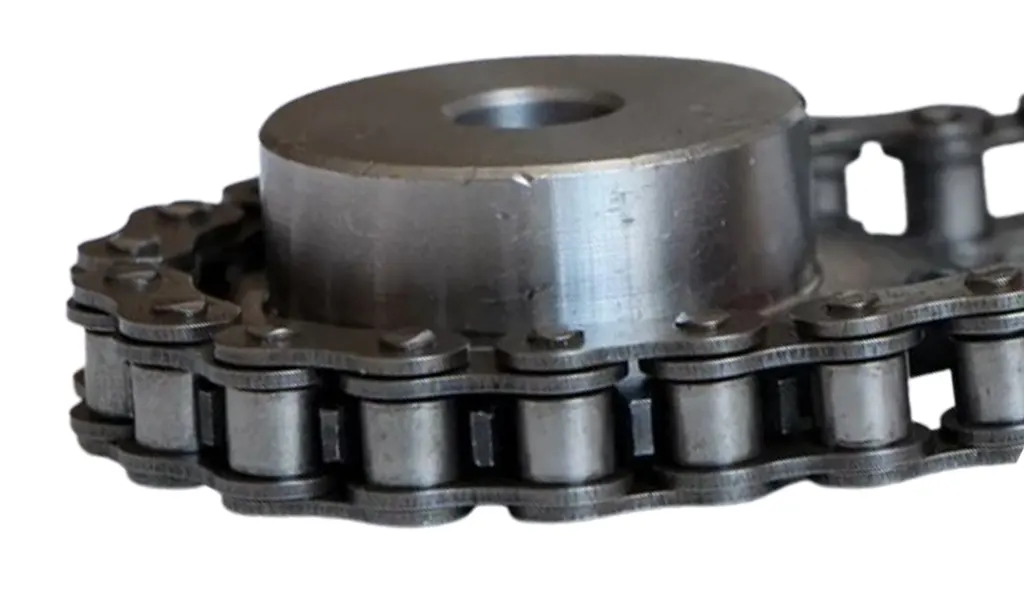
Use determine whether oil can be used, whether it can contact product, and whether washdown removes it. This controls the decision because the pin-bushing joint still needs wear control even when plates resist rust. On the machine, food, packaging, clean-room, or dry-process applications may restrict conventional lubrication. The practical risk is a corrosion-resistant chain can still elongate rapidly if the joint runs dry outside its design capability.
Confirm it by doing this: map the lubrication path, cleaning frequency, and any contamination restrictions. The evidence is sufficient when you can choose a chain and lubricant system explicitly suitable for the hygiene and maintenance constraints. Note the tool, location, and operating condition with the result.
Compare stainless, coated, and specialty dry-running concepts
Work from match material architecture to the dominant risk rather than assuming one premium option is universal. The engineering link is stainless can resist rust, coatings can preserve higher-strength steel, and engineered bushings can support low-lubrication service. One useful detail is that coating damage, chemical incompatibility, or abrasive wear can change the expected benefit. Otherwise, the wrong protection system can fail at pins or joints while the outer plates still look acceptable.
Verify at the drive: ask for construction details, coating limits, compatible chemicals, and wear data for the candidate series. Close this check only after you can select the concept whose protected surfaces include the actual failure location. Keep photographs or dimensions when they help preserve the interface condition.
Protect sprockets and neighboring components too
Base the decision on specify compatible sprocket material, coating, shaft hardware, guards, and drainage. It matters because a corrosion-resistant chain operating on rusting sprockets can suffer abrasive contamination and poor engagement. During service, galvanic combinations and trapped wash water can also attack shafts or fasteners. A poor assumption can cause upgrading only the chain can leave the drive limited by corroded teeth or hardware.
Use this confirmation: inspect tooth pockets, hub faces, keys, fasteners, and guard drainage for corrosion products. Proceed when you can treat chain, sprockets, and exposed mounting hardware as one corrosion-control system. If readings vary around the chain or sprocket, retain the spread instead of hiding it in one average.
Make inspection criteria visible
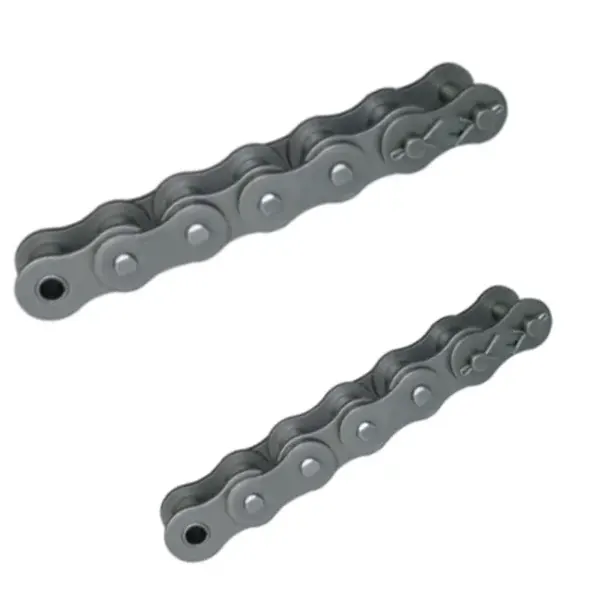
The controlling action is to define where to look for red rust, pitting, stiff joints, coating loss, roller damage, and wear elongation after washdown cycles. Its significance comes from corrosion often begins in crevices and joints before the overall strand looks severely rusted. In the field, surface discoloration alone does not reveal whether load-carrying cross-section or articulation is compromised. The failure consequence is waiting for a chain to seize can allow pitting and wear to progress unseen.
Check the hardware directly: inspect representative joints, rollers, pin ends, plates, and sprocket teeth under good lighting after cleaning. Approval requires that you can replace or investigate when pitting, stiffness, dimensional wear, or coating failure reaches the supplier criterion. Write down any uncertainty that still needs a drawing, manual, or supplier response.
Candidate verification table
| Decision point | Inspection or calculation | Acceptance evidence |
|---|---|---|
| Classify the corrosive exposure | collect cleaning chemical data sheets, process temperatures, drainage conditions, and evidence of existing corrosion location | define the environment in terms a chain supplier can compare with material and coating limits |
| Separate corrosion resistance from mechanical capacity | compare candidate chains on both corrosion suitability and manufacturer operating ratings | approve only an option that passes the mechanical duty and environment together |
| Decide whether external lubrication is acceptable | map the lubrication path, cleaning frequency, and any contamination restrictions | choose a chain and lubricant system explicitly suitable for the hygiene and maintenance constraints |
| Compare stainless, coated, and specialty dry-running concepts | ask for construction details, coating limits, compatible chemicals, and wear data for the candidate series | select the concept whose protected surfaces include the actual failure location |
| Protect sprockets and neighboring components too | inspect tooth pockets, hub faces, keys, fasteners, and guard drainage for corrosion products | treat chain, sprockets, and exposed mounting hardware as one corrosion-control system |
| Make inspection criteria visible | inspect representative joints, rollers, pin ends, plates, and sprocket teeth under good lighting after cleaning | replace or investigate when pitting, stiffness, dimensional wear, or coating failure reaches the supplier criterion |
| For this article, do not close the job until the corrosion-resistant chain evidence and every critical mating interface are recorded together. | ||
Some failures that look like chain problems are controlled by neighboring hardware. review stainless and coated sprocket material options helps illustrate that broader corrosion-resistant chain for wet machinery context, while the acceptance criteria still come from the actual chain, sprocket, tensioning arrangement, and OEM documentation.
What disqualifies a chain choice
Release check: define the environment in terms a chain supplier can compare with material and coating limits.
Release check: approve only an option that passes the mechanical duty and environment together.
Release check: choose a chain and lubricant system explicitly suitable for the hygiene and maintenance constraints.
Release check: select the concept whose protected surfaces include the actual failure location.
Selection questions engineers ask
Issue the final chain specification
Release the work only when the record connects corrosion-resistant chain and stainless steel chain to the physical condition verified in “Make inspection criteria visible.” Include photos or measurements where they clarify the interface, and reference the document that owns any exact limit. The industrial chain drive solutions can then be used to explore alternatives without losing the original engineering basis.
Do not hide a remaining assumption inside the purchase description. send the application data to the chain engineering team with the machine duty, measured interfaces, photographs, and the unresolved question around protective coating. A clear uncertainty is actionable; an undocumented guess becomes a future troubleshooting problem.
Send the operating condition, corrosion-resistant chain, stainless steel chain, layout evidence, and the unresolved interface so the next decision is based on machine data rather than assumption.