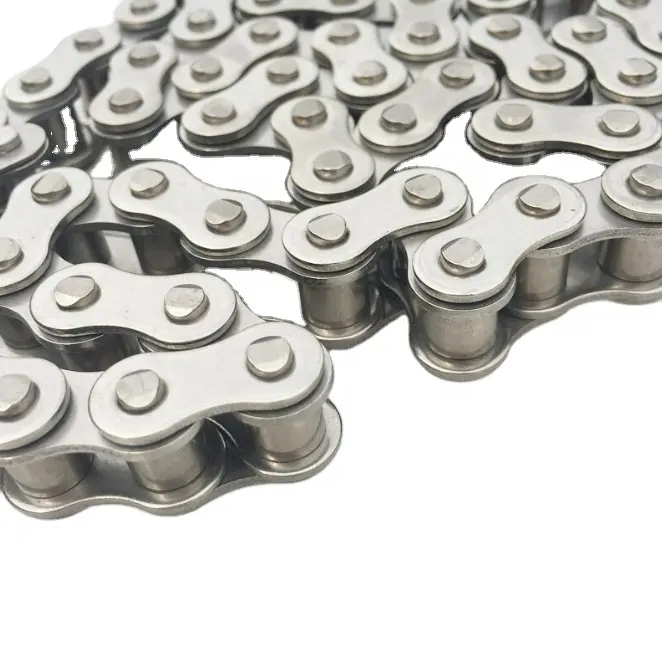
Ürün Açıklaması
| Model NO. | 06C/08A/10A/12A/16A/20A/24A/28A/32A/40A/06B/08B/10B/12B/16B/20B/24B/28B/32B/40B-1/2/3 Ağır hizmet tipi |
| Zincir Modeli | Makaralı Zincirler |
| Yapı (Zincir için) | Makaralı Zincir |
| Özellikler | GB/T, DIN, ANSI, ISO, BS, JIS. |
| Köken | HangZhou, ZheJiang |
| Renk | Düz Renk |
| Zincir Rengi | Özelleştirilmiş |
Şirketimiz
Wolff Chain Co., Çin'deki profesyonel zincir üreticilerinden biridir. “DOVON” ve “DECHO” gibi ünlü markalarla zincir tahrik sistemlerinin araştırılması, üretimi ve ticaretine odaklanıyoruz. Ayrıca SUZUKI, XIHU (WEST LAKE) DIS., FAW, AGCO, JUMING gibi birçok ünlü işletmeye OEM hizmetleri de sunmaktayız.
Wolff, ağırlıklı olarak transmisyon zincirleri, konveyör zincirleri, çekme zincirleri, sessiz zincirler, yaprak zincirler, makaralı zincirler, özel zincirler ve daha birçok zincir ürün serisi üretmektedir. Teknik ekibimiz, zincir kalitesini dünya standartlarına yükseltmiştir. Yüksek kaliteli malzeme seçimi, güçlü ve hassas ısıl işlem teknolojisi ve mükemmel montaj yöntemleri, Wolff zincirlerinin makineler ve araçlar için zorlu ve katı gereksinimleri karşılamasını sağlar.
Ürünlerimizin tamamı ISO, DIN, ANSI, BS, JIS gibi uluslararası standartlara tamamen uygundur. Wolff, ISO9001 Kalite Yönetim Sistemi, SGS ve BV denetimlerinden başarıyla geçmiştir. Wolff zincirleri, otomotiv, motosiklet, forklift, ağaç işleme makineleri, inşaat makineleri, paketleme makineleri, gıda makineleri ve tarım ekipmanları dahil olmak üzere birçok sektörde yaygın olarak kullanılmaktadır. Wolff zincirleri Amerika, Güney Amerika, Avrupa, Orta Doğu, Güneydoğu Asya ve Afrika pazarlarında popülerdir.
Atölyemiz
Sertifikamız
Sergimize hoş geldiniz.
SSS
Q1. Paketleme şartlarınız nelerdir?
A: Genellikle ürünlerimizi tek renkli kutularda paketliyoruz. Paketleme konusunda özel bir isteğiniz varsa, lütfen önceden bizimle görüşün, ürünleri isteğiniz doğrultusunda paketleyebiliriz.
S2. Ödeme koşullarınız nelerdir?
A: 30% tutarında depozito ve 70% tutarında teslimat öncesi ödeme. Ürünlerin ve paketlerin fotoğraflarını size göstereceğiz.
Bakiyeyi ödemeden önce. Diğer ödeme koşulları için lütfen önceden bizimle görüşün, tartışabiliriz.
S3. Teslimat şartlarınız nelerdir?
A: EXW, FOB, CFR, CIF.
S4. Teslimat süreniz nasıl?
A: Genellikle, ön ödemenizi aldıktan sonra 25 ila 30 gün sürer. Belirli teslimat süresi şunlara bağlıdır:
Siparişinizdeki ürünlere ve miktarına bağlı olarak.
S5. Örneklere göre üretim yapabilir misiniz?
A: Evet, numunelerinize veya teknik çizimlerinize göre üretim yapabiliriz. Kalıpları ve aparatları üretebiliriz.
S6. Numune politikanız nedir?
A: Stoklarımızda hazır parçalar varsa numune sağlayabiliriz, ancak müşterilerin numune maliyetini ödemesi gerekiyor.
Kargo ücreti. Numune siparişlerinizi memnuniyetle kabul ediyoruz.
S7. Teslimattan önce tüm ürünlerinizi test ediyor musunuz?
A: Evet, teslimattan önce 100% testini yapıyoruz.
S8: İş ilişkimizi uzun vadeli ve iyi bir şekilde nasıl sürdürebiliriz?
1. Müşterilerimizin fayda sağlamasını sağlamak için yüksek kalite ve rekabetçi fiyatlar sunuyoruz;
2. Her müşterimize arkadaşımız gibi davranırız ve onlarla samimi bir şekilde iş yapar ve dostluk kurarız.
| Standart veya Standart Dışı: | Standart |
|---|---|
| Başvuru: | Tekstil Makineleri, Konfeksiyon Makineleri, Konveyör Ekipmanları, Ambalaj Makineleri, Gıda Makineleri, Denizcilik, Madencilik Ekipmanları |
| Yüzey İşlemi: | Yağ Çiçeklenmesi |
| Örnekler: |
US$ 0/Adet
1 Adet (Minimum Sipariş) | Sipariş Örneği |
|---|
| Özelleştirme: |
Mevcut
| Özelleştirilmiş Talep |
|---|
.shipping-cost-tm .tm-status-off{background: none;padding:0;color: #1470cc}
|
Nakliye Ücreti:
Birim başına tahmini nakliye ücreti. |
Kargo ücreti ve tahmini teslim süresi hakkında bilgi. |
|---|
| Ödeme yöntemi: |
|
|---|---|
|
İlk Ödeme Tam Ödeme |
| Para birimi: | US$ |
|---|
| İade ve geri ödemeler: | Ürünleri teslim aldıktan sonraki 30 güne kadar iade talebinde bulunabilirsiniz. |
|---|
Zincir gerdiricisinin seçimi, şanzıman zincirinin performansını nasıl etkiler?
Zincir gerdiricisinin seçimi, şanzıman zincirinin optimum performansını sağlamada kritik bir rol oynar. İşte bu sorunun ayrıntılı cevabı:
1. Doğru Zincir Bağlantısı: Zincir gerdirici, şanzıman zincirindeki doğru gerginliği koruyarak zincir ve dişliler arasında doğru bağlantıyı sağlar. Bu, etkili güç aktarımı ve sorunsuz çalışma için çok önemlidir.
2. Zincir Gevşekliği Kontrolü: Doğru seçilmiş bir zincir gerdirici, zincirdeki gevşeklik miktarını kontrol etmeye yardımcı olur. Aşırı zincir gevşekliği, zincir atlamasına, hizalama bozukluğuna ve aşınmanın artmasına yol açabilirken, yetersiz gevşeklik aşırı gerginliğe neden olarak zincir ve dişli aşınmasını hızlandırabilir.
3. Gürültü ve Titreşim Azaltma: Uygun bir zincir gerdiricinin kullanılması, şanzıman sistemindeki gürültü ve titreşimi en aza indirmeye yardımcı olur. Zincirin hareketinden kaynaklanan darbe kuvvetlerini ve titreşimleri azaltarak daha sessiz çalışma ve genel sistem performansının iyileştirilmesine katkıda bulunur.
4. Zincir Ömrünün Uzaması: Zincir gerdirici, doğru gerginliği koruyarak, şanzıman zincirinin erken aşınmasını ve uzamasını önlemeye yardımcı olur. Bu, zincirin ömrünü uzatır, zincir değiştirme sıklığını azaltır ve bakım maliyetlerini düşürür.
5. Aşınma ve Esneme Telafisi: Bir şanzıman zinciri zamanla aşındıkça uzama veya gerilme yaşayabilir. Zincir gerdirici, gerilimi ayarlayarak bu uzamayı telafi eder ve zincirin doğru şekilde gerilmiş ve dişlilerle temas halinde kalmasını sağlar. Bu, tutarlı performansı korumaya ve atlama veya ayrılmayı önlemeye yardımcı olur.
6. Değişken Koşullara Uyarlanabilirlik: Bazı zincir gerdirme mekanizmaları, sıcaklık dalgalanmaları veya yük değişiklikleri gibi çalışma koşullarındaki değişikliklere uyum sağlayarak gerilimi dinamik olarak ayarlama olanağı sunar. Bu esneklik, optimum zincir performansını sağlar ve termal genleşme veya büzülmenin etkilerini telafi eder.
Şanzıman zinciri ve uygulama gereksinimleriyle uyumlu bir zincir gerdirici seçmek çok önemlidir. Zincir gerdirici seçerken zincir boyutu, gerilim ayar aralığı, çevresel koşullar ve yük değişimleri gibi faktörleri göz önünde bulundurun. Gerdiricinin düzgün çalışmasını sağlamak ve şanzıman zincirinin ömrünü uzatmak için düzenli olarak kontrol edilmesi ve bakımı da şarttır.

Yağlama yönteminin seçimi, şanzıman zincirinin performansını nasıl etkiler?
Yağlama yönteminin seçimi, şanzıman zincirinin performansı ve ömrü açısından çok önemli bir rol oynar. İşte bu soruya detaylı bir yanıt:
1. Sürtünme ve Aşınmanın Azaltılması: Uygun yağlama, tahrik zincirinin hareketli parçaları arasında ince bir yağlayıcı film tabakası oluşturarak sürtünmeyi azaltır ve aşınmayı en aza indirir. Bu, metal-metal temasını önleyerek ve yüzey hasarını azaltarak, pimler, makaralar ve burçlar gibi zincir bileşenlerinin bütünlüğünü korumaya yardımcı olur.
2. Isı Dağılımı: Yağlama, tahrik zincirinin çalışması sırasında oluşan ısının dağıtılmasına yardımcı olur. Sürtünmeyi azaltarak ve soğutma etkisi sağlayarak, yağlayıcı, zincirin erken aşınmasına, deformasyonuna veya arızasına yol açabilecek aşırı ısınmayı önlemeye yardımcı olur.
3. Korozyon Koruması: Yağlayıcılar genellikle şanzıman zincirine korozyon koruması sağlayan katkı maddeleri içerir. Bu katkı maddeleri neme, kimyasallara ve diğer aşındırıcı unsurlara karşı koruyucu bir bariyer oluşturarak pas oluşumunu önler ve zincirin aşındırıcı ortamlardaki performansını korur.
4. Gürültü Azaltma: Yeterli yağlama, tahrik zincirinin hareketinden kaynaklanan gürültüyü azaltır. Yağlayıcı, temas eden yüzeyler arasında bir yastık görevi görerek titreşimleri sönümler ve çalışma sırasında oluşan gürültü seviyelerini en aza indirir. Bu da daha sessiz ve pürüzsüz bir zincir çalışmasına katkıda bulunur.
5. Uzun Ömür: Uygun yağlama, şanzıman zincirinin ömrünü uzatmaya yardımcı olur. Sürtünmeyi, aşınmayı ve kir birikimini azaltarak, yağlama zincirin bileşenleri üzerindeki stresi en aza indirir; bu da dayanıklılığı artırır ve erken arıza olasılığını azaltır.
6. Operasyonel Verimlilik: İyi yağlanmış bir tahrik zinciri daha yüksek verimlilikle çalışır. Sürtünmenin azalmasıyla zincir daha az güç kaybı yaşar ve bu da daha etkili güç aktarımına olanak tanır. Bu durum, genel sistem verimliliğinin artmasına, enerji tüketiminin azalmasına ve işletme maliyetlerinin düşmesine yol açar.
7. Kirlenmeyi Önleme: Yağlama, toz, kir ve döküntü gibi kirleticilerin zincirin bileşenlerine girmesini engelleyen bir bariyer görevi görür. Bu, zincirin temizliğinin korunmasına, aşındırıcı aşınma riskinin azaltılmasına ve parçalarının bütünlüğünün korunmasına yardımcı olur.
Aktarma zinciri için yağlama yöntemini seçerken sıcaklık, hız, yük ve çevre gibi özel çalışma koşullarını dikkate almak önemlidir. Optimum yağlama performansı sağlamak için yağlayıcının viskozitesi, sıcaklık aralığı ve zincir malzemesiyle uyumluluğu gibi faktörler göz önünde bulundurulmalıdır.
İletim zincirlerinin yaygın olarak kullanıldığı sektörler veya uygulamalar nelerdir?
Aktarım zincirleri, güç ve hareketin verimli bir şekilde iletilmesinin gerekli olduğu çeşitli endüstrilerde ve uygulamalarda yaygın olarak kullanılmaktadır. İşte aktarım zincirlerine dayanan bazı yaygın endüstriler ve uygulamalar:
- Otomotiv: Şanzıman zincirleri, otomobil motorlarında ve aktarma organlarında gücü motordan tekerleklere iletmek için kullanılır.
- Tarım: Traktörler, biçerdöverler ve hasat makineleri gibi tarım makinelerinde, konveyör sistemleri ve tarım ekipmanları gibi çeşitli uygulamalarda güç aktarımı için tahrik zincirleri kullanılır.
- Endüstriyel Üretim: İletim zincirleri, konveyörler, malzeme taşıma sistemleri, paketleme ekipmanları, baskı makineleri ve takım tezgahları da dahil olmak üzere çok çeşitli endüstriyel makinelerde bulunur.
- Madencilik ve İnşaat: Tahrik zincirleri, ekskavatörler, buldozerler ve madencilik ekipmanları gibi ağır makinelerde kazma, kaldırma ve diğer işlemler için güç iletmek amacıyla kullanılır.
- Yiyecek ve İçecek: İletim zincirleri, gıda işleme ekipmanlarında, şişeleme tesislerinde ve konveyör sistemlerinde ürünleri üretim hatları boyunca taşımak için kullanılır.
- Tekstil: Tekstil üretim makinelerinde, örneğin dokuma tezgahlarında ve iplik eğirme makinelerinde, güç aktarımı için iletim zincirleri kullanılır.
- Enerji ve Altyapı: İletim zincirleri, enerji üretim santrallerinde, rüzgar türbinlerinde ve diğer yenilenebilir enerji sistemlerinde, enerjiyi kaynaktan elektrik şebekesine iletmek için kullanılır.
- Malzeme Taşıma: İletim zincirleri, depolarda ve dağıtım merkezlerinde malların taşınması ve elleçlenmesi için forkliftler, paletleme makineleri ve otomatik depolama sistemleri de dahil olmak üzere malzeme taşıma ekipmanlarında yaygın olarak kullanılmaktadır.
- Denizcilik: İletim zincirleri, gemi tahrik sistemleri, demirleme ekipmanları ve kargo elleçleme vinçleri gibi denizcilik araçlarında uygulama alanı bulmaktadır.
Bunlar sadece birkaç örnek olup, iletim zincirleri güvenilir güç iletiminin şart olduğu çeşitli diğer endüstrilerde ve uygulamalarda da kullanılmaktadır. İletim zincirlerinin özel tasarımı ve özellikleri, her endüstri ve uygulamanın gereksinimlerine bağlı olarak değişebilir.


CX tarafından 08.11.2023 tarihinde düzenlenmiştir.