Deskripsi Produk
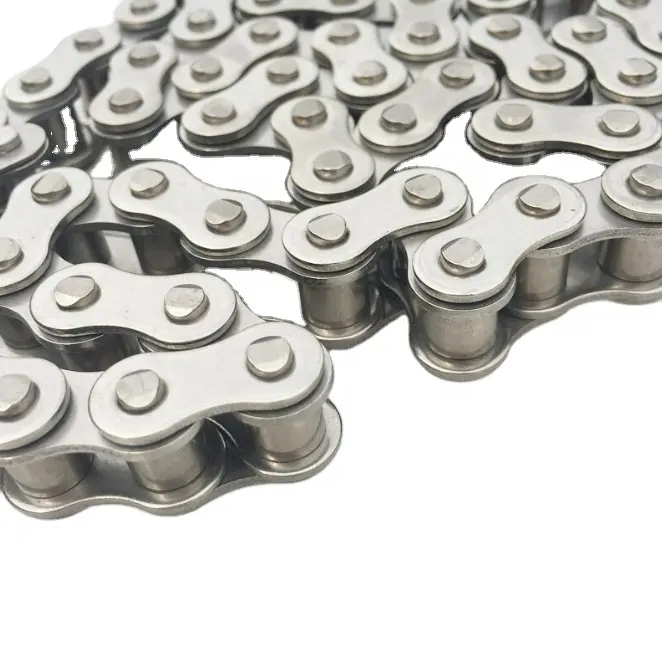
| Nomor Model. | 06C/08A/10A/12A/16A/20A/24A/28A/32A/40A/06B/08B/10B/12B/16B/20B/24B/28B/32B/40B-1/2/3 Tugas berat |
| Model Rantai | Rantai Rol |
| Struktur (untuk Rantai) | Rantai Rol |
| Spesifikasi | GB/T, DIN, ANSI, ISO, BS, JIS. |
| Asal | Hangzhou, Zhejiang |
| Warna | Warna Solid |
| Warna Rantai | Disesuaikan |
Perusahaan kami
Wolff Chain Co. adalah salah satu produsen rantai profesional di Tiongkok. Kami fokus pada penelitian, manufaktur, dan perdagangan penggerak rantai dengan merek terkenal — “DOVON” dan “DECHO”. Kami juga menyediakan layanan OEM untuk banyak perusahaan terkenal seperti SUZUKI, XIHU (WEST LAKE) DIS., FAW, AGCO, dan JUMING.
Wolff terutama memproduksi rantai transmisi, rantai konveyor, rantai penarik, rantai senyap, rantai daun, rantai rol, rantai khusus, dan banyak seri produk rantai lainnya. Teknisi kami telah meningkatkan kualitas rantai hingga mencapai standar dunia. Pemilihan material berkualitas tinggi, teknologi perlakuan panas yang kuat dan presisi, serta metode perakitan yang unggul memastikan rantai Wolff memenuhi persyaratan yang ketat dan berat untuk mesin dan kendaraan.
Semua produk kami sepenuhnya sesuai dengan standar internasional seperti ISO/DIN/ANSI/BS/JIS, dll. Wolff telah berhasil mendapatkan sertifikasi Sistem Manajemen Mutu ISO9001, inspeksi SGS, dan inspeksi BV. Rantai Wolff dapat diaplikasikan secara luas di banyak industri termasuk otomotif, sepeda motor, forklift, mesin pengolahan kayu, mesin konstruksi, mesin pengemas, mesin makanan, dan peralatan pertanian. Rantai Wolff populer di pasar Amerika, Amerika Selatan, Eropa, Timur Tengah, Asia Tenggara, dan Afrika.
Bengkel kami
Sertifikasi kami
Selamat datang di pameran kami.
Pertanyaan yang Sering Diajukan (FAQ)
Q1. Apa ketentuan pengemasan Anda?
A: Umumnya, kami mengemas barang-barang kami dalam kotak berwarna tunggal. Jika Anda memiliki permintaan khusus tentang pengemasan, silakan bernegosiasi dengan kami terlebih dahulu, kami dapat mengemas barang sesuai permintaan Anda.
Q2. Apa ketentuan pembayaran Anda?
A: Pembayaran T/T 30% sebagai uang muka, dan 70% sebelum pengiriman. Kami akan menunjukkan foto produk dan kemasannya kepada Anda.
sebelum Anda membayar sisa tagihan. Untuk ketentuan pembayaran lainnya, silakan bernegosiasi dengan kami terlebih dahulu, kita bisa berdiskusi.
Q3. Apa ketentuan pengiriman Anda?
A: EXW, FOB, CFR, CIF.
Q4. Bagaimana dengan waktu pengiriman Anda?
A: Umumnya, akan memakan waktu 25 hingga 30 hari setelah menerima pembayaran di muka Anda. Waktu pengiriman spesifik bergantung pada
pada item dan jumlah pesanan Anda.
Q5. Dapatkah Anda memproduksi sesuai dengan sampel?
A: Ya, kami dapat memproduksi berdasarkan sampel atau gambar teknis Anda. Kami dapat membuat cetakan dan perlengkapannya.
Q6. Apa kebijakan sampel Anda?
A: Kami dapat menyediakan sampel jika kami memiliki suku cadang yang siap tersedia, tetapi pelanggan harus membayar biaya sampel dan
biaya kurir. Kami menerima pesanan sampel.
Q7. Apakah Anda menguji semua barang Anda sebelum pengiriman?
A: Ya, kami melakukan pengujian 100% sebelum pengiriman.
Q8: Bagaimana Anda membangun hubungan bisnis jangka panjang dan baik dengan kami?
1. Kami menjaga kualitas yang baik dan harga yang kompetitif untuk memastikan pelanggan kami mendapatkan keuntungan;
2. Kami menghormati setiap pelanggan sebagai teman kami dan kami dengan tulus berbisnis dan menjalin persahabatan dengan mereka.
| Standar atau Nonstandar: | Standar |
|---|---|
| Aplikasi: | Mesin Tekstil, Mesin Garmen, Peralatan Konveyor, Mesin Pengemas, Mesin Makanan, Kelautan, Peralatan Pertambangan |
| Perlakuan Permukaan: | Minyak yang Berkembang |
| Contoh: |
US$ 0/Potong
1 Buah (Minimum Pemesanan) | Pesan Sampel |
|---|
| Kustomisasi: |
Tersedia
| Permintaan Khusus |
|---|
.shipping-cost-tm .tm-status-off{background: none;padding:0;color: #1470cc}
|
Biaya Pengiriman:
Perkiraan biaya pengiriman per unit. |
tentang biaya pengiriman dan perkiraan waktu pengiriman. |
|---|
| Metode Pembayaran: |
|
|---|---|
|
Pembayaran Awal Pembayaran Penuh |
| Mata uang: | US$ |
|---|
| Pengembalian & Penggantian: | Anda dapat mengajukan pengembalian dana hingga 30 hari setelah menerima produk. |
|---|
Bagaimana pemilihan tensioner rantai memengaruhi kinerja rantai transmisi?
Pemilihan tensioner rantai memainkan peran penting dalam memastikan kinerja optimal rantai transmisi. Berikut jawaban rinci untuk pertanyaan tersebut:
1. Keterikatan Rantai yang Tepat: Penegang rantai membantu menjaga ketegangan yang benar pada rantai transmisi, memastikan keterikatan yang tepat antara rantai dan sproket. Ini sangat penting untuk transmisi daya yang efektif dan pengoperasian yang lancar.
2. Pengendalian Kelonggaran Rantai: Penegang rantai yang dipilih dengan tepat membantu mengendalikan kelonggaran rantai, yaitu seberapa longgar rantai tersebut. Kelonggaran rantai yang berlebihan dapat menyebabkan rantai melompat, ketidaksejajaran, dan peningkatan keausan, sementara kelonggaran yang tidak cukup dapat menyebabkan tegangan berlebihan, yang mengakibatkan keausan rantai dan gir yang lebih cepat.
3. Pengurangan Kebisingan dan Getaran: Penggunaan tensioner rantai yang tepat membantu meminimalkan kebisingan dan getaran pada sistem transmisi. Ini membantu meredam gaya benturan dan getaran yang disebabkan oleh gerakan rantai, sehingga menghasilkan pengoperasian yang lebih tenang dan peningkatan kinerja sistem secara keseluruhan.
4. Memperpanjang Umur Rantai: Dengan menjaga tegangan yang tepat, penegang rantai membantu mencegah keausan dini dan pemanjangan rantai transmisi. Hal ini berkontribusi pada umur rantai yang lebih panjang, mengurangi frekuensi penggantian rantai dan menurunkan biaya perawatan.
5. Kompensasi untuk Keausan dan Peregangan: Seiring waktu, rantai transmisi dapat mengalami pemanjangan atau peregangan. Penegang rantai mengkompensasi pemanjangan ini dengan menyesuaikan tegangan, memastikan rantai tetap tegang dan terhubung dengan sproket dengan benar. Hal ini membantu menjaga kinerja yang konsisten dan mencegah selip atau terlepasnya rantai.
6. Kemampuan Beradaptasi dengan Kondisi yang Berubah-ubah: Beberapa penegang rantai menawarkan kemampuan untuk menyesuaikan tegangan secara dinamis, mengakomodasi variasi kondisi operasi seperti fluktuasi suhu atau perubahan beban. Fleksibilitas ini memastikan kinerja rantai yang optimal dan mengkompensasi efek pemuaian atau penyusutan termal.
Sangat penting untuk memilih penegang rantai yang kompatibel dengan rantai transmisi dan persyaratan aplikasi tertentu. Pertimbangkan faktor-faktor seperti ukuran rantai, rentang penyesuaian tegangan, kondisi lingkungan, dan variasi beban saat memilih penegang rantai. Inspeksi dan perawatan rutin penegang juga penting untuk memastikan fungsinya yang baik dan memperpanjang umur rantai transmisi.

Bagaimana pemilihan metode pelumasan memengaruhi kinerja rantai transmisi?
Pemilihan metode pelumasan memainkan peran penting dalam kinerja dan umur pakai rantai transmisi. Berikut jawaban rinci untuk pertanyaan tersebut:
1. Mengurangi Gesekan dan Keausan: Pelumasan yang tepat memastikan lapisan tipis pelumas di antara bagian-bagian yang bergerak pada rantai transmisi, mengurangi gesekan dan meminimalkan keausan. Hal ini membantu menjaga integritas komponen rantai, seperti pin, roller, dan bushing, dengan mencegah kontak logam-ke-logam dan mengurangi kerusakan permukaan.
2. Pelepasan Panas: Pelumasan membantu melepaskan panas yang dihasilkan selama pengoperasian rantai transmisi. Dengan mengurangi gesekan dan memberikan efek pendinginan, pelumas membantu mencegah panas berlebih, yang dapat menyebabkan keausan dini, deformasi, atau kegagalan rantai.
3. Perlindungan Korosi: Pelumas sering mengandung aditif yang memberikan perlindungan korosi pada rantai transmisi. Aditif ini menciptakan penghalang pelindung terhadap kelembapan, bahan kimia, dan unsur korosif lainnya, mencegah pembentukan karat dan menjaga kinerja rantai di lingkungan yang korosif.
4. Pengurangan Kebisingan: Pelumasan yang memadai mengurangi kebisingan yang dihasilkan oleh pergerakan rantai transmisi. Pelumas bertindak sebagai bantalan antara permukaan yang bersentuhan, meredam getaran dan meminimalkan tingkat kebisingan yang dihasilkan selama pengoperasian. Hal ini berkontribusi pada pengoperasian rantai yang lebih tenang dan lancar.
5. Masa Pakai yang Lebih Panjang: Pelumasan yang tepat membantu memperpanjang masa pakai rantai transmisi. Dengan mengurangi gesekan, keausan, dan penumpukan kotoran, pelumasan meminimalkan tekanan pada komponen rantai, sehingga meningkatkan daya tahan dan mengurangi kemungkinan kegagalan dini.
6. Efisiensi Operasional: Rantai transmisi yang dilumasi dengan baik beroperasi dengan efisiensi yang lebih tinggi. Dengan gesekan yang berkurang, rantai mengalami kehilangan daya yang lebih sedikit, sehingga memungkinkan transmisi daya yang lebih efektif. Hal ini menyebabkan peningkatan efisiensi sistem secara keseluruhan, pengurangan konsumsi energi, dan biaya operasional yang lebih rendah.
7. Pencegahan Kontaminasi: Pelumasan bertindak sebagai penghalang, mencegah kontaminan, seperti debu, kotoran, dan serpihan, masuk ke dalam komponen rantai. Hal ini membantu menjaga kebersihan rantai, mengurangi risiko keausan abrasif, dan menjaga integritas bagian-bagiannya.
Penting untuk mempertimbangkan kondisi operasi spesifik, seperti suhu, kecepatan, beban, dan lingkungan, saat memilih metode pelumasan untuk rantai transmisi. Faktor-faktor seperti viskositas, kisaran suhu, dan kompatibilitas pelumas dengan material rantai harus diperhitungkan untuk memastikan kinerja pelumasan yang optimal.
Industri atau aplikasi umum apa saja yang menggunakan rantai transmisi?
Rantai transmisi banyak digunakan di berbagai industri dan aplikasi yang membutuhkan transfer daya dan gerakan yang efisien. Berikut beberapa industri dan aplikasi umum yang bergantung pada rantai transmisi:
- Otomotif: Rantai transmisi digunakan pada mesin dan sistem penggerak mobil untuk mentransfer daya dari mesin ke roda.
- Pertanian: Rantai transmisi digunakan pada mesin pertanian seperti traktor, mesin pemanen gabungan, dan mesin pemanen untuk transmisi daya dalam berbagai aplikasi seperti sistem konveyor dan peralatan pertanian.
- Manufaktur Industri: Rantai transmisi ditemukan dalam berbagai macam mesin industri, termasuk konveyor, sistem penanganan material, peralatan pengemasan, mesin cetak, dan peralatan mesin.
- Pertambangan dan Konstruksi: Rantai transmisi digunakan pada mesin berat, seperti ekskavator, buldoser, dan peralatan pertambangan, untuk mentransmisikan daya untuk penggalian, pengangkatan, dan operasi lainnya.
- Industri Pangan dan Minuman: Rantai transmisi digunakan dalam peralatan pengolahan makanan, pabrik pembotolan, dan sistem konveyor untuk memindahkan produk di sepanjang jalur produksi.
- Tekstil: Rantai transmisi digunakan dalam mesin manufaktur tekstil, seperti mesin tenun dan mesin pemintal, untuk transmisi daya selama proses penenunan dan pemintalan.
- Energi dan Utilitas: Rantai transmisi digunakan di pembangkit listrik, turbin angin, dan sistem energi terbarukan lainnya untuk mentransmisikan daya dari sumber ke jaringan listrik.
- Penanganan Material: Rantai transmisi umumnya digunakan dalam peralatan penanganan material, termasuk forklift, palletizer, dan sistem penyimpanan otomatis, untuk mengangkut dan menangani barang di gudang dan pusat distribusi.
- Kelautan: Rantai transmisi banyak digunakan pada kapal laut, seperti sistem penggerak kapal, peralatan penanganan jangkar, dan derek untuk penanganan kargo.
Ini hanyalah beberapa contoh, dan rantai transmisi juga digunakan di berbagai industri dan aplikasi lain di mana transmisi daya yang andal sangat penting. Desain dan karakteristik spesifik dari rantai transmisi dapat bervariasi berdasarkan persyaratan setiap industri dan aplikasi.


Diedit oleh CX 2023-11-08