Ürün Açıklaması
Çin ve Japon yapımı pikaplar için tüm yedek parçalara ve ayrıca farklı araçlar için seri parçalara sahibiz.
Yüksek kaliteli ürünler, Orijinal, Zhejiang'da üretilmiştir, Çin anakarasında üretilmiştir, 6000 metrekareden fazla CHINAMFG deposu, birçok parça stokta mevcuttur.
Daha fazla bilgi edinmek için lütfen bizimle iletişime geçmekten çekinmeyin.
Bilgiler
| 1. Ürün Adı: | CHINAMFG L200 MD738550 için T/F çıkış mili tahrik zinciri |
| 2. OEM NO.: | MD738550 SC1857134 HV-113 |
| 3. Şunlar için uygundur: | Mitsubishi 4x4 Pikap L200 Triton L300 L400 |
| 4. Teslimat Süresi: | Normalde ödeme yapıldıktan sonra 1-15 gün içinde veya stok durumuna bağlı olarak müşterinin isteğine göre. |
| 5. Avantajlar: | 1. Fabrikadan doğrudan satış, orijinal kalite ve daha düşük fiyat. 2. Ürünlerin çoğu stokta mevcuttur, ürünleri kısa sürede size gönderebiliriz. 3. Samimi hizmet anlayışımızla, ürünleri teslim aldıktan sonra herhangi bir sorun yaşarsanız lütfen bizimle iletişime geçin, size en iyi çözümü sunacağız. |
Detaylı Fotoğraf
Konuk değerlendirmesi
| Müşterilerden gelen olumlu geri bildirimler, ürünlerimizin en büyük takdiridir. Çin'de üretilen ürünlerin gelişmesiyle birlikte, tedarikçiler her zaman ürünlerini en yüksek kaliteyle tanımlarlar, ancak bence en iyi ürünler müşterilerin takdirinden gelir. |
| Farklı ülkeler arasındaki mesafeye rağmen, karşılıklı güvenimizi ve duygularımızı geliştirmek için iyi bir değerlendirme yapılmalıdır. Gerçekten iyi bir iş birliği, tıpkı Çin ile diğer ülkeler arasındaki dostluk gibi, karşılıklı anlayış ve hoşgörüye dayanır. |
| Sizinle de iş birliği yapma fırsatım olmasını umuyorum. Misafirlerimin bana verdiği değerlendirmeye benzer şekilde, sizin de iyi bir hasat ve kazanç elde edeceğinize inanıyorum. |
İlgili Ürünler
| Misafir talebini karşılamak için tüm zincir modellerini üretiyoruz. Yapmanız gereken tek şey bize doğru numaraları ve resimleri iletmek. Sizin için aynı zinciri üretebilirim. |
Atölye
| Üretim atölyemiz 6000 metrekareden fazla bir alanı kaplamakta, 200'den fazla makine ve 30'dan fazla geliştirme ve test ekipmanına sahiptir. Zhejiang'da profesyonel yönetim ve üretim seviyesine sahip, Çin'deki gerçek orijinal fabrika. |
Kalite Kontrol
| Zincirlerimizin her biri, 100% manuel testine, makine testine ve paslanmaya karşı işleme tabi tutulacaktır. Sadece sıkı testler sayesinde daha iyi bir kalite güvencesi sağlayabilir ve müşterilerimizin ürünlerimize daha fazla güvenmesini sağlayabiliriz. |
Müşteri Referansları ve Sergi Katılımları
| Çeşitli ülkelerden gelen misafirler fabrikamızı ziyaret etti ve üretim seviyemizden ve tedarik zincirimizden çok memnun kaldılar. Uzun yıllardır iyi bir iş birliği ilişkisi sürdürüyoruz. Ayrıca Zhejiang Frankfurt Otomobil Parçaları Fuarı ve Hangzhou Fuarı gibi fuarlara da katılıyoruz. Her seferinde yeni misafirlerimiz ve yeni iş birliklerimiz oluyor. |
Ambalajlama
| Ambalaj konusunda ise, müşterilerin taleplerine göre özel veya standart ambalajlama seçenekleri sunacağız. P.E. poşet + pas önleyici kağıt + kutu + karton |
Sertifikamız
| Ürünlerimiz ISO 9001 ve ISO 14001 sertifikalarına ve Çin'de Üretilmiş Güçlü Fabrika sertifikasına sahiptir. |
SSS
S1: Şirketiniz otomotiv yedek parça sektöründe kaç yıldır faaliyet gösteriyor?
A: Şirket 20 yıl önce kuruldu.
S2: Başlıca ürünleriniz nelerdir?
A: Başlıca ürünlerimiz her türlü Transfer Kutusu Zinciri ve Zamanlama Zinciridir.
S3: Şirketiniz nerede bulunuyor?
A: Biz Çin'in Zhejiang eyaletinin Hangzhou şehrinde bulunuyoruz.
S4: Fabrika mısınız yoksa ticaret şirketi misiniz?
A: Biz ihracat lisansına sahip gerçek bir fabrikayız.
S5: Minimum sipariş miktarı nedir?
A: Normalde minimum sipariş miktarımız 100 adettir, ancak farklı ürünler için farklı minimum sipariş miktarları geçerli olabilir.
S6: Sensörlerinizin kalitesi nasıl?
A: Ürünlerimiz ISO9001 sertifikasına sahiptir. OEM standardı da memnuniyetle karşılanır ve mümkündür.
Siparişiniz yerine getirildi. Her ürün sevkiyat öncesinde test edilecektir. Dilediğiniz zaman fabrikamızı ziyaret edebilirsiniz.
S7: Sensörlerinizin garantisi nasıl?
A: Tüm sensörlerimiz 1 yıl garantilidir, bazı sensörler için garanti süresi 2 yıla kadar uzatılabilir.
S8: Ödeme koşulları nelerdir?
A: Üretim öncesi 30% depozito, sevkiyat öncesi 70% bakiye.
S9: Şirketiniz sensörleri özelleştirebilir mi?
A: EVET! Sensörleri özelleştirmeniz elbette mümkün, ancak örnek göndermeniz şiddetle tavsiye edilir.
| Satış Sonrası Hizmet: | Harika |
|---|---|
| Garanti: | 1 Yıl |
| Tip: | Vites kutusu |
| Malzeme: | Çelik |
| Sertifikasyon: | ISO |
| Otomatik: | Otomatik |
| Özelleştirme: |
Mevcut
| Özelleştirilmiş Talep |
|---|
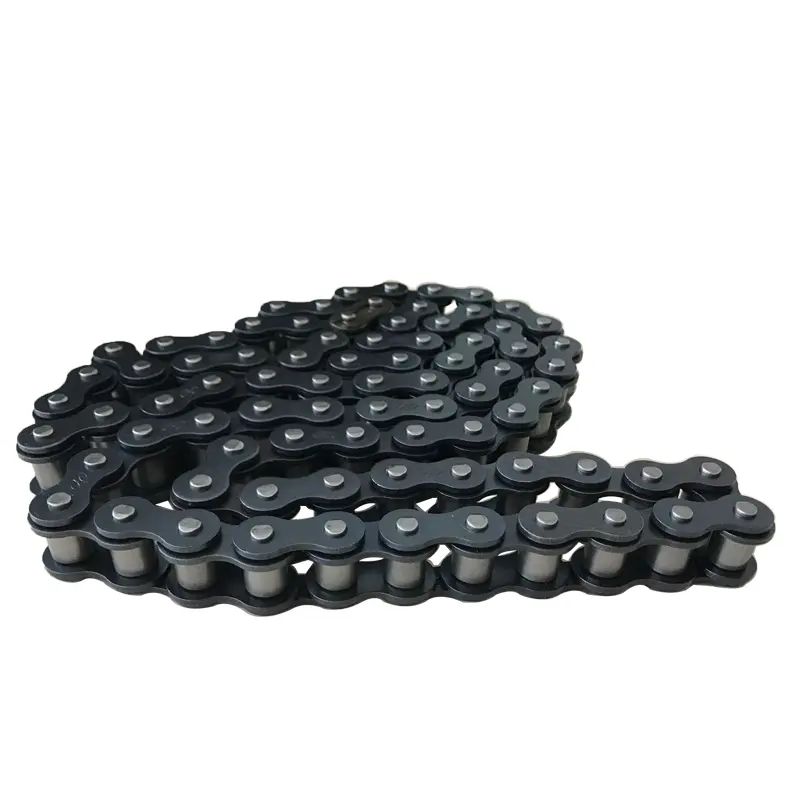
What are the benefits of using a low-noise transmission chain?
Using a low-noise transmission chain in industrial applications offers several advantages. Here’s a detailed answer to the question:
1. Noise Reduction: One of the primary benefits of using a low-noise transmission chain is the reduction in noise levels. These chains are designed with special features and materials to minimize vibrations, impact, and friction-induced noise during operation. This is particularly important in environments where noise reduction is critical, such as in residential areas, offices, or noise-sensitive industries.
2. Improved Workplace Environment: By reducing noise levels, low-noise transmission chains contribute to a more comfortable and productive workplace environment. Excessive noise can lead to employee fatigue, decreased concentration, and increased stress levels. Using low-noise chains helps create a quieter workspace, promoting better working conditions and overall well-being.
3. Compliance with Noise Regulations: In certain industries or regions, there are specific regulations or guidelines regarding acceptable noise levels. Using low-noise transmission chains can help ensure compliance with these regulations, avoiding potential fines or legal issues related to excessive noise emissions.
4. Enhanced Equipment Performance: Low-noise transmission chains are designed to provide smooth and efficient power transmission while minimizing noise generation. The reduction in vibration and impact noise not only improves the comfort of the workplace but also enhances the overall performance of the equipment. It can contribute to better precision, accuracy, and reliability of the machinery, leading to improved product quality and operational efficiency.
5. Extended Equipment Lifespan: Excessive noise and vibration can accelerate wear and tear on machinery components, leading to increased maintenance and premature failure. By using a low-noise transmission chain, the impact on the equipment’s mechanical parts is reduced, resulting in less wear, lower maintenance costs, and extended equipment lifespan.
6. Customer Satisfaction: In industries where noise can affect the end-user experience, such as automotive, consumer electronics, or precision engineering, using low-noise transmission chains can contribute to higher customer satisfaction. Products that operate quietly are often perceived as higher quality and can lead to a positive brand image and customer loy alty.
It’s important to note that the benefits of low-noise transmission chains may vary depending on the specific application and operating conditions. Manufacturers and equipment designers should consider factors such as load capacity, speed, lubrication, and environmental requirements when selecting and implementing low-noise transmission chains.
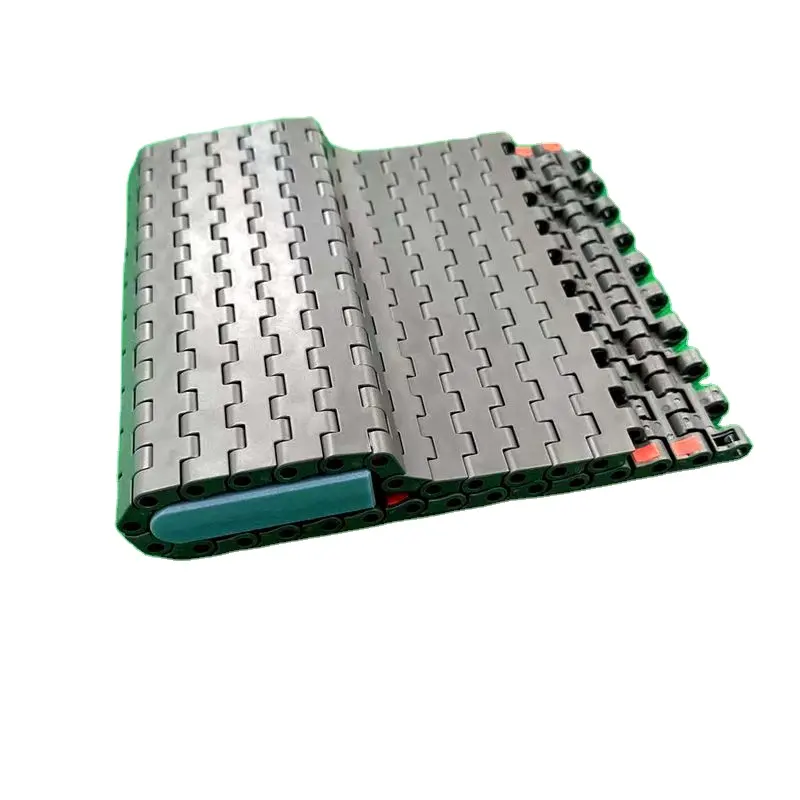
How does the choice of lubricant impact the performance of a transmission chain?
The choice of lubricant plays a critical role in ensuring the optimal performance and longevity of a transmission chain. Here’s a detailed answer to the question:
1. Reduced Friction and Wear: Lubricants create a protective film between the moving parts of the transmission chain, reducing friction and wear. This helps to minimize metal-to-metal contact and prevent surface damage, extending the chain’s lifespan.
2. Enhanced Efficiency: Proper lubrication reduces energy losses due to friction, improving the overall efficiency of the transmission system. By reducing frictional resistance, the lubricant allows for smoother power transmission, reducing power consumption and increasing system efficiency.
3. Heat Dissipation: Lubricants aid in heat dissipation by absorbing and dissipating heat generated during chain operation. This helps to prevent excessive chain temperature rise, which can lead to accelerated wear, lubricant breakdown, and potential chain failure.
4. Corrosion Protection: Lubricants provide a protective barrier against moisture, humidity, and other corrosive elements. This helps to prevent rust and corrosion, which can weaken the chain and reduce its performance. Choosing a lubricant with anti-corrosion properties is essential, especially in harsh or corrosive environments.
5. Contaminant Removal: Lubricants can help remove contaminants such as dirt, dust, and debris from the chain’s contact surfaces. This prevents abrasive particles from causing premature wear and damage to the chain, ensuring smooth operation and reducing the risk of chain failure.
6. Temperature Stability: Different lubricants have varying temperature stability properties. It is crucial to select a lubricant that can maintain its viscosity and lubricating properties within the operating temperature range of the transmission chain. This ensures consistent lubrication and performance under various temperature conditions.
7. Compatibility: It is important to choose a lubricant that is compatible with the materials used in the transmission chain. Some lubricants may react with certain chain materials, leading to degradation or damage. Ensuring compatibility helps maintain the integrity of the chain and avoids any adverse effects.
8. Lubrication Interval: The choice of lubricant can also affect the lubrication interval, i.e., the frequency at which the chain needs to be relubricated. Some lubricants offer longer-lasting lubrication properties, reducing the maintenance requirements and downtime associated with frequent relubrication.
It is crucial to follow the manufacturer’s recommendations and guidelines regarding lubrication for the specific transmission chain. Regular inspection, monitoring, and proper maintenance practices should be implemented to ensure the chain remains adequately lubricated for optimal performance and longevity.
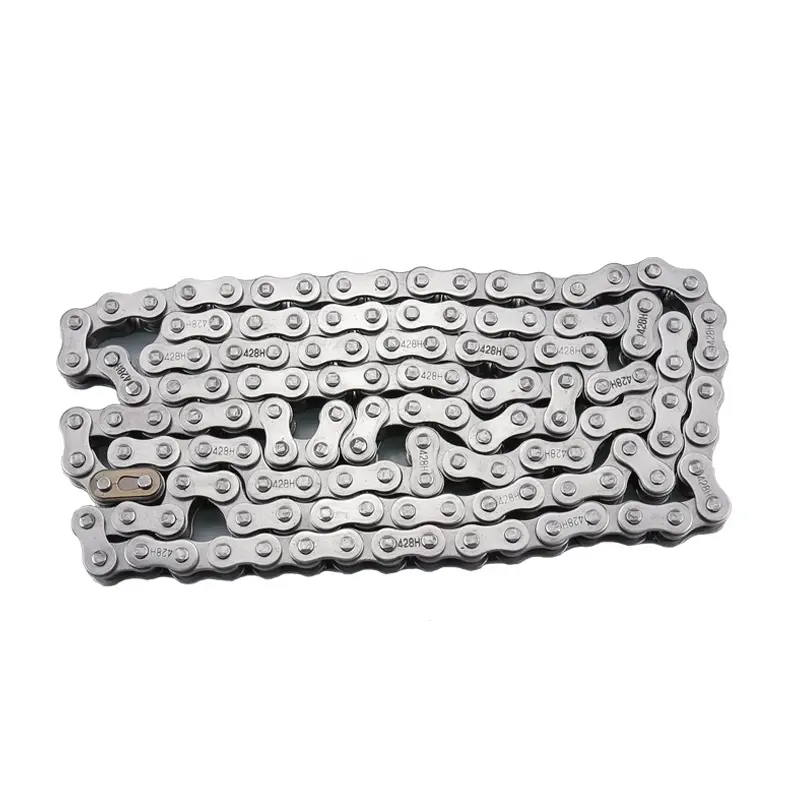
What are the common causes of failure in transmission chains?
Transmission chains are subject to various factors that can contribute to their failure over time. Here’s a detailed explanation:
1. Insufficient Lubrication: Inadequate or improper lubrication is one of the leading causes of chain failure. Insufficient lubrication can lead to increased friction, heat generation, and accelerated wear between the chain’s components, such as pins, bushings, and rollers.
2. Contamination: Contaminants like dirt, dust, debris, and moisture can enter the chain system, affecting its performance and causing accelerated wear. Contamination can hinder proper lubrication, increase friction, and cause corrosion, leading to chain failure.
3. Overloading: Applying excessive loads beyond the chain’s rated capacity can lead to overloading, which causes stress and deformation of the chain’s components. Overloading can result in chain elongation, accelerated wear, and ultimately, chain failure.
4. Misalignment: Improper alignment of the chain and sprockets can cause uneven distribution of forces, leading to localized wear and increased stress on certain areas of the chain. Misalignment can result from incorrect installation or wear and tear of sprockets, leading to premature chain failure.
5. Fatigue: Repeated cyclic loading and stress can cause fatigue in the chain, leading to cracks, fractures, and ultimately, chain failure. Fatigue failure is more likely to occur when the chain is subjected to high-speed or high-frequency applications.
6. Corrosion: Exposure to corrosive environments, such as high humidity, chemicals, or extreme temperatures, can cause corrosion on the chain’s components. Corrosion weakens the chain’s structural integrity, leading to premature failure.
7. Poor Maintenance: Inadequate maintenance practices, such as infrequent inspections, lack of lubrication, and neglecting to address potential issues, can contribute to chain failure. Regular maintenance, including lubrication, cleaning, and proper tensioning, is essential for the longevity and reliable performance of transmission chains.
It is important to address these factors to prevent chain failure. Proper lubrication, regular inspections, cleaning, and alignment checks are essential maintenance practices. Selecting the right chain for the application, following manufacturer guidelines, and adhering to industry standards can also help mitigate the risk of failure and ensure the optimal performance and longevity of transmission chains.


editor by CX 2023-10-12