Define the interfaces that must match
A chain-drive decision becomes much easier when the machine is reduced to measurable inputs instead of being described only as light, medium, or heavy duty. A new chain and worn sprocket are a matched-contact problem. If the tooth profile has changed enough to alter roller seating, the new chain will not distribute load as intended and can wear rapidly.
Use the transmission chain product range as a map of available chain families only after you have captured worn sprocket and hooked teeth. For this topic, the first release condition is specific: replace the sprocket if wear exceeds the manufacturer profile or inspection criterion. That sequence keeps catalog browsing from turning into a pitch-only or appearance-only substitution.
- Worn Sprocket
- Bunu kontrollü bir değişken olarak ele alın; değerini, birimini, çalışma durumunu ve kaynağını iş kaydına not edin.
- Hooked Teeth
- Bu öğeyi görünüşüne bakarak tahmin etmek yerine, fiziksel sürücü ve mevcut tedarikçi verileriyle karşılaştırarak doğrulayın.
- Tooth Profile
- Uygun olmayan seçenekleri erken aşamada reddetmek ve doğrulanmış değeri nihai spesifikasyon için saklamak için bu parametreyi kullanın.
- New Roller Chain
- Makinedeki bu noktayı kontrol edin ve tedarikçi çizimi veya kılavuzu gerektiren herhangi bir belirsizliği belgeleyin.
- Sprocket Wear
- Bu gereksinimi, ikinci bir mühendisin aynı seçimi veya teşhisi tekrarlayabilmesi için yeterli bağlamla kaydedin.
Inspect tooth shape, not just tooth thickness
Work from look for hooking, asymmetric flanks, sharp tips, deep wear pockets, burrs, and uneven polish around the circumference. The engineering link is chain elongation changes where rollers contact the tooth and progressively reshapes the working flank. One useful detail is that a sprocket can look serviceable from the side while the loaded face is materially hooked. Otherwise, reusing a distorted profile forces new rollers to contact at abnormal locations.
Verify at the drive: clean the sprocket and inspect several teeth under good light from both sides and compare loaded and unloaded flanks. Close this check only after you can replace the sprocket if wear exceeds the manufacturer profile or inspection criterion. Keep photographs or dimensions when they help preserve the interface condition.
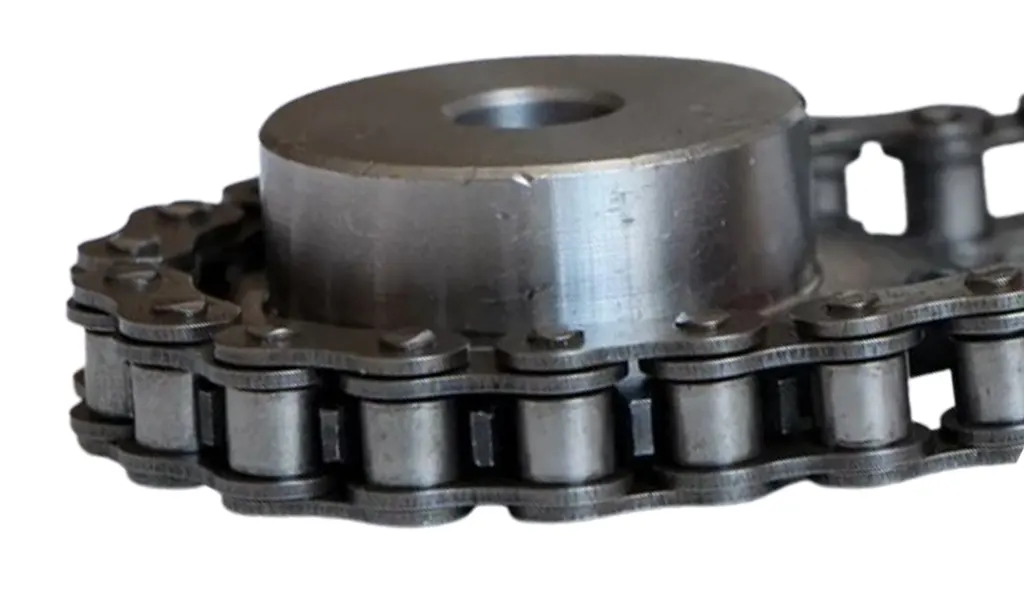
Check wear around the full sprocket
Base the decision on rotate the sprocket and compare tooth pockets at multiple angular positions. It matters because eccentricity, local contamination, or intermittent engagement can create nonuniform wear. During service, checking only the most accessible teeth can miss a damaged sector. A poor assumption can cause localized wear can create cyclic noise and chain tension even with a new strand.
Use this confirmation: mark four or more positions around the sprocket and record tooth condition and roller seating at each. Proceed when you can confirm wear is uniform and within acceptable limits over the full circumference. If readings vary around the chain or sprocket, retain the spread instead of hiding it in one average.
Verify pitch and chain-family compatibility again
The controlling action is to confirm the new chain pitch, roller diameter, inner width, and strand geometry match the existing sprocket tooth form. Its significance comes from replacement is an opportunity to catch historical mismatches or undocumented substitutions. In the field, two chains can share nominal pitch while differing in width or standard family. The failure consequence is installing the correct new chain on an old incompatible sprocket can worsen contact immediately.
Check the hardware directly: compare the new chain drawing and sprocket specification, not only the old chain measurements. Approval requires that you can approve reuse only when the sprocket is documented for the exact chain family. Write down any uncertainty that still needs a drawing, manual, or supplier response.
Measure runout and alignment
First, check sprocket radial and face runout plus shaft parallelism and axial alignment before blaming wear only on age. That step is tied to misalignment or eccentric mounting can produce one-sided tooth wear and accelerate chain elongation. A practical observation is that a worn chain may have masked tracking problems that become obvious with a tight new chain. Missing it can lead to reusing a misaligned sprocket reproduces side load even if tooth profile is acceptable.
For evidence, use a dial indicator or repeatable reference for runout and a straightedge or laser for alignment. Finish when you can correct mounting and alignment before installing the new chain. Retain enough context to distinguish a new-chain dimension from a wear-affected measurement.
Identify why the old chain was replaced
Treat review elongation, lubrication condition, corrosion, stiff links, overload, and maintenance history as the control point. The reason is sprocket reuse makes sense only if the root cause of chain retirement is understood. Real installations also show that rapid chain wear often damages sprockets and can also indicate lubrication or contamination problems. The likely consequence of error is fitting new parts without correcting the cause shortens the next service cycle.
Make the check at the machine: measure old chain elongation if possible and inspect pin-bushing wear evidence, lubricant contamination, and failure patterns. The release criterion is to correct the system cause and decide chain-and-sprocket replacement as one maintenance action. Record whether the drive was stopped, loaded, warm, cold, clean, or contaminated as relevant.
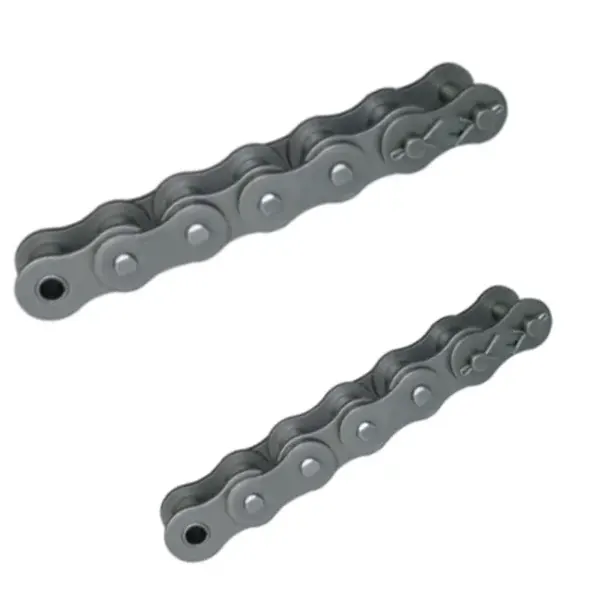
Use a controlled trial if reuse is approved
Do not choose the hardware until you install the new chain with correct slack and lubrication, then observe engagement at low load. This matters because a marginal sprocket can reveal abnormal seating, vibration, or noise immediately with new geometry. Remember that visual inspection alone cannot reproduce loaded contact conditions. If ignored, full-load operation without a trial can damage the new chain before the decision is revisited.
Validate with a repeatable observation: watch roller entry, tooth contact, tracking, noise, and cyclic tension during slow rotation and initial run. Move on after you can stop and replace the sprocket if contact is uneven or the chain does not seat smoothly. Preserve the source of any numerical limit that belongs to a specific chain series.
Compatibility verification table
| Karar noktası | İnceleme veya hesaplama | Kabul kanıtı |
|---|---|---|
| Inspect tooth shape, not just tooth thickness | clean the sprocket and inspect several teeth under good light from both sides and compare loaded and unloaded flanks | replace the sprocket if wear exceeds the manufacturer profile or inspection criterion |
| Check wear around the full sprocket | mark four or more positions around the sprocket and record tooth condition and roller seating at each | confirm wear is uniform and within acceptable limits over the full circumference |
| Verify pitch and chain-family compatibility again | compare the new chain drawing and sprocket specification, not only the old chain measurements | approve reuse only when the sprocket is documented for the exact chain family |
| Measure runout and alignment | use a dial indicator or repeatable reference for runout and a straightedge or laser for alignment | correct mounting and alignment before installing the new chain |
| Identify why the old chain was replaced | measure old chain elongation if possible and inspect pin-bushing wear evidence, lubricant contamination, and failure patterns | correct the system cause and decide chain-and-sprocket replacement as one maintenance action |
| Use a controlled trial if reuse is approved | watch roller entry, tooth contact, tracking, noise, and cyclic tension during slow rotation and initial run | stop and replace the sprocket if contact is uneven or the chain does not seat smoothly |
| For this article, do not close the job until the worn sprocket evidence and every critical mating interface are recorded together. | ||
The neighboring component matters because chain behavior depends on the complete drive. review replacement sprocket options provides additional product context for reusing worn sprockets with new roller chain; use it to frame questions, then confirm dimensions and ratings from the exact component drawing used on the machine.
Mismatch risks to eliminate
Release check: replace the sprocket if wear exceeds the manufacturer profile or inspection criterion.
Release check: confirm wear is uniform and within acceptable limits over the full circumference.
Release check: approve reuse only when the sprocket is documented for the exact chain family.
Release check: correct mounting and alignment before installing the new chain.
Compatibility FAQs
Approve interchangeability only after every interface matches
Close this compatibility task with a traceable record of worn sprocket, hooked teeth, and the inspection result for “Use a controlled trial if reuse is approved.” The release note should state the operating condition used for the check and identify the drawing, rating table, or machine document that set any model-specific limit. The chain-and-sprocket drive options can provide broader chain-drive context when a neighboring component also needs review.
If reusing worn sprockets with new roller chain still contains an unresolved variable, send the application data to the chain engineering team with the operating state, the relevant measurements, photographs of the chain and sprockets, and the unknown item clearly marked. For this topic, pay particular attention to tooth profile. Resolving that gap before purchase or restart is usually cheaper than diagnosing a second problem created by an assumed value.
Send the operating condition, worn sprocket, hooked teeth, layout evidence, and the unresolved interface so the next decision is based on machine data rather than assumption.