Описание продукта
| Номер модели. | 06C/08A/10A/12A/16A/20A/24A/28A/32A/40A/06B/08B/10B/12B/16B/20B/24B/28B/32B/40B-1/2/3 Сверхпрочный |
| Цепная модель | Роликовые цепи |
| Структура (для цепи) | Роликовая цепь |
| Спецификация | ГБ/Т, DIN, ANSI, ISO, BS, JIS. |
| Источник | Ханчжоу, Чжэцзян |
| Цвет | Однотонный цвет |
| Цвет цепи | Индивидуальный |
Наша компания
Компания Wolff Chain Co. является одним из профессиональных производителей цепей в Китае. Мы специализируемся на исследованиях, производстве и торговле цепными приводами известных брендов — «DOVON» и «DECHO». Мы также предоставляем услуги OEM для многих известных предприятий, таких как SUZUKI, XIHU (WEST LAKE) DIS., FAW, AGCO, JUMING.
Компания Wolff специализируется на производстве цепей для привода, конвейерных цепей, тяговых цепей, бесшумных цепей, листовых цепей, роликовых цепей, специальных цепей и многих других серий цепной продукции. Наши специалисты подняли качество цепей до мирового уровня. Высококачественный отбор материалов, мощная и точная технология термообработки и превосходные методы сборки гарантируют, что цепи Wolff соответствуют жестким требованиям, предъявляемым к машинам и транспортным средствам.
Вся наша продукция полностью соответствует международным стандартам, таким как ISO, DIN, ANSI, BS, JIS и др. Компания Wolff успешно прошла сертификацию по системе управления качеством ISO9001, инспекцию SGS и инспекцию BV. Цепи Wolff широко применяются во многих отраслях промышленности, включая автомобилестроение, мотоциклостроение, производство вилочных погрузчиков, деревообрабатывающих станков, строительной техники, упаковочных машин, пищевого оборудования, табачных машин и сельскохозяйственной техники. Цепи Wolff пользуются популярностью на рынках Америки, Южной Америки, Европы, Ближнего Востока, Юго-Восточной Азии и Африки.
Наша мастерская
Наша сертификация
Добро пожаловать на нашу выставку!
Часто задаваемые вопросы
В1. Каковы ваши условия упаковки?
А: Обычно мы упаковываем наши товары в одноцветные коробки. Если у вас есть особые пожелания по упаковке, пожалуйста, обсудите это с нами заранее, мы сможем упаковать товар в соответствии с вашими требованиями.
В2. Каковы ваши условия оплаты?
A: Предоплата банковским переводом 30%, затем 70% перед доставкой. Мы покажем вам фотографии продукции и упаковки.
Перед оплатой остатка. Другие условия оплаты, пожалуйста, обсудите с нами заранее, мы можем это обсудить.
В3. Каковы ваши условия доставки?
A: EXW, FOB, CFR, CIF.
Вопрос 4. Каковы сроки доставки?
А: Как правило, доставка занимает от 25 до 30 дней после получения предоплаты. Конкретное время доставки зависит от...
о товарах и количестве вашего заказа.
В5. Можете ли вы производить продукцию по образцам?
А: Да, мы можем производить продукцию по вашим образцам или техническим чертежам. Мы можем изготовить пресс-формы и оснастку.
В6. Какой у вас примерный страховой полис?
А: Мы можем предоставить образец, если у нас есть готовые детали на складе, но стоимость образца оплачивает клиент.
Стоимость курьерской доставки. Мы приветствуем заказы образцов.
В7. Проверяете ли вы все свои товары перед отправкой?
А: Да, перед отправкой мы проводим тест 100%.
В8: Как вы можете построить долгосрочные и хорошие деловые отношения с нами?
1. Мы поддерживаем высокое качество и конкурентоспособные цены, чтобы обеспечить выгоду для наших клиентов;
2. Мы относимся к каждому клиенту как к другу и искренне ведем с ними бизнес и заводим дружеские отношения.
независимо от того, откуда они родом.
| Стандартный или нестандартный: | Стандарт |
|---|---|
| Приложение: | Текстильное оборудование, швейное оборудование, конвейерное оборудование, упаковочное оборудование, пищевое оборудование, морское оборудование, горнодобывающее оборудование |
| Обработка поверхности: | Масляный цветение |
| Структура: | Роликовая цепь |
| Материал: | Углеродистая сталь |
| Тип: | Короткая цепочка шагов |
| Образцы: |
US$ 0/штука
1 штука (минимальный заказ) | |
|---|
| Настройка: |
Доступный
| Индивидуальный запрос |
|---|
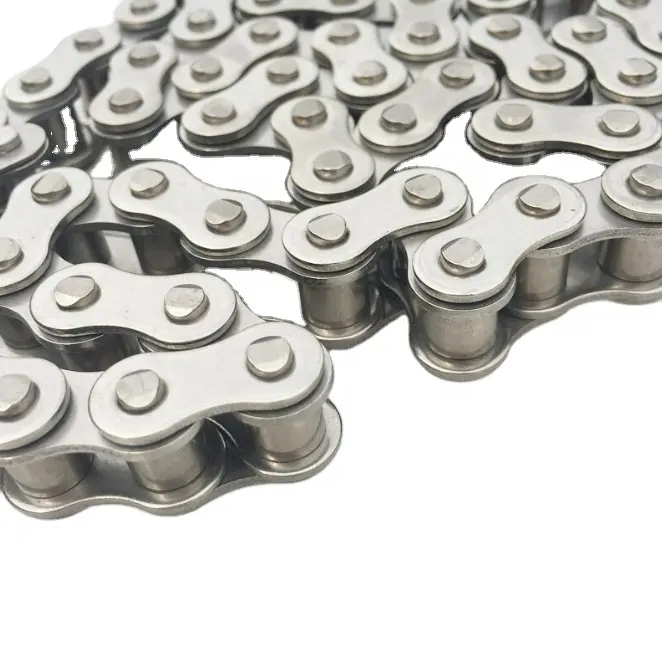
Как выбор натяжителя цепи влияет на производительность трансмиссионной цепи?
Выбор натяжителя цепи играет решающую роль в обеспечении оптимальной работы трансмиссионной цепи. Вот подробный ответ на вопрос:
1. Правильное зацепление цепи: Натяжитель цепи помогает поддерживать правильное натяжение цепи трансмиссии, обеспечивая надлежащее зацепление цепи со звездочками. Это необходимо для эффективной передачи мощности и плавной работы.
2. Контроль провисания цепи: Правильно подобранный натяжитель цепи помогает контролировать провисание цепи, то есть степень ослабления натяжения цепи. Чрезмерное провисание цепи может привести к ее перескакиванию, смещению и повышенному износу, в то время как недостаточное провисание может вызвать чрезмерное натяжение, что приведет к ускоренному износу цепи и звездочек.
3. Снижение шума и вибрации: Использование соответствующего натяжителя цепи помогает минимизировать шум и вибрацию в трансмиссионной системе. Он помогает гасить ударные нагрузки и вибрации, вызванные движением цепи, что приводит к более тихой работе и улучшению общих характеристик системы.
4. Увеличение срока службы цепи: Поддерживая надлежащее натяжение, натяжитель цепи помогает предотвратить преждевременный износ и удлинение трансмиссионной цепи. Это способствует увеличению срока службы цепи, снижению частоты ее замены и уменьшению затрат на техническое обслуживание.
5. Компенсация износа и растяжения: Со временем цепь трансмиссии изнашивается и может удлиняться или растягиваться. Натяжитель цепи компенсирует это удлинение, регулируя натяжение и обеспечивая правильное натяжение цепи и ее зацепление со звездочками. Это помогает поддерживать стабильную работу и предотвращает проскальзывание или расцепление.
6. Адаптируемость к изменяющимся условиям: Некоторые натяжители цепи позволяют динамически регулировать натяжение, учитывая изменения условий эксплуатации, такие как колебания температуры или изменения нагрузки. Такая гибкость обеспечивает оптимальную работу цепи и компенсирует последствия теплового расширения или сжатия.
Крайне важно выбрать натяжитель цепи, совместимый с конкретной трансмиссионной цепью и требованиями к применению. При выборе натяжителя цепи следует учитывать такие факторы, как размер цепи, диапазон регулировки натяжения, условия окружающей среды и колебания нагрузки. Регулярный осмотр и техническое обслуживание натяжителя также необходимы для обеспечения его надлежащего функционирования и продления срока службы трансмиссионной цепи.
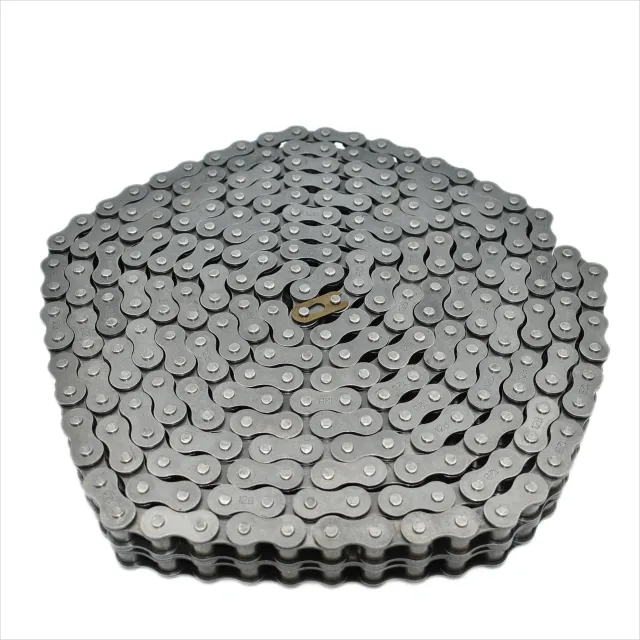
Можно ли использовать цепные передачи в сельскохозяйственной технике?
Да, цепные передачи широко используются в различных видах сельскохозяйственной техники. Вот подробный ответ на вопрос:
Сельскохозяйственная техника часто нуждается в надежной и эффективной передаче энергии для выполнения таких задач, как уборка урожая, посадка, обработка почвы и транспортировка. Цепи передачи обладают рядом преимуществ, которые делают их подходящими для сельскохозяйственных работ:
1. Высокая прочность и грузоподъемность: Сельскохозяйственная техника часто работает в сложных условиях и перемещает тяжелые грузы. Цепи трансмиссии спроектированы таким образом, чтобы обладать высокой прочностью на разрыв и грузоподъемностью, что позволяет им выдерживать жесткие требования сельскохозяйственных работ.
2. Универсальность: Цепи передачи могут использоваться в различных типах сельскохозяйственной техники, включая тракторы, комбайны, пресс-подборщики, жатки и опрыскиватели. Они адаптируются к широкому спектру требований к передаче мощности, включая передачу крутящего момента, скорости и движения.
3. Долговечность: Сельскохозяйственная среда может быть суровой, с воздействием грязи, мусора, влаги и переменчивых погодных условий. Цепи трансмиссии созданы для того, чтобы выдерживать такие условия, а их прочная конструкция и материалы обеспечивают длительную работу сельскохозяйственной техники.
4. Простота обслуживания: Сельскохозяйственные работы часто включают в себя длительное рабочее время и удаленные места. Цепи трансмиссии относительно легко осматривать, смазывать и обслуживать, что позволяет эффективно планировать техническое обслуживание в полевых условиях.
5. Экономичность: По сравнению с другими вариантами передачи мощности, цепные передачи представляют собой экономичное решение для сельскохозяйственной техники. Они обеспечивают надежную передачу мощности, имеют длительный срок службы при надлежащем техническом обслуживании и доступны по конкурентоспособным ценам.
При использовании цепных передач в сельскохозяйственной технике крайне важно выбирать подходящий тип и размер цепи в зависимости от конкретных требований оборудования. Для обеспечения оптимальной производительности и долговечности цепи необходимо учитывать такие факторы, как грузоподъемность, скорость, условия эксплуатации и особенности технического обслуживания.
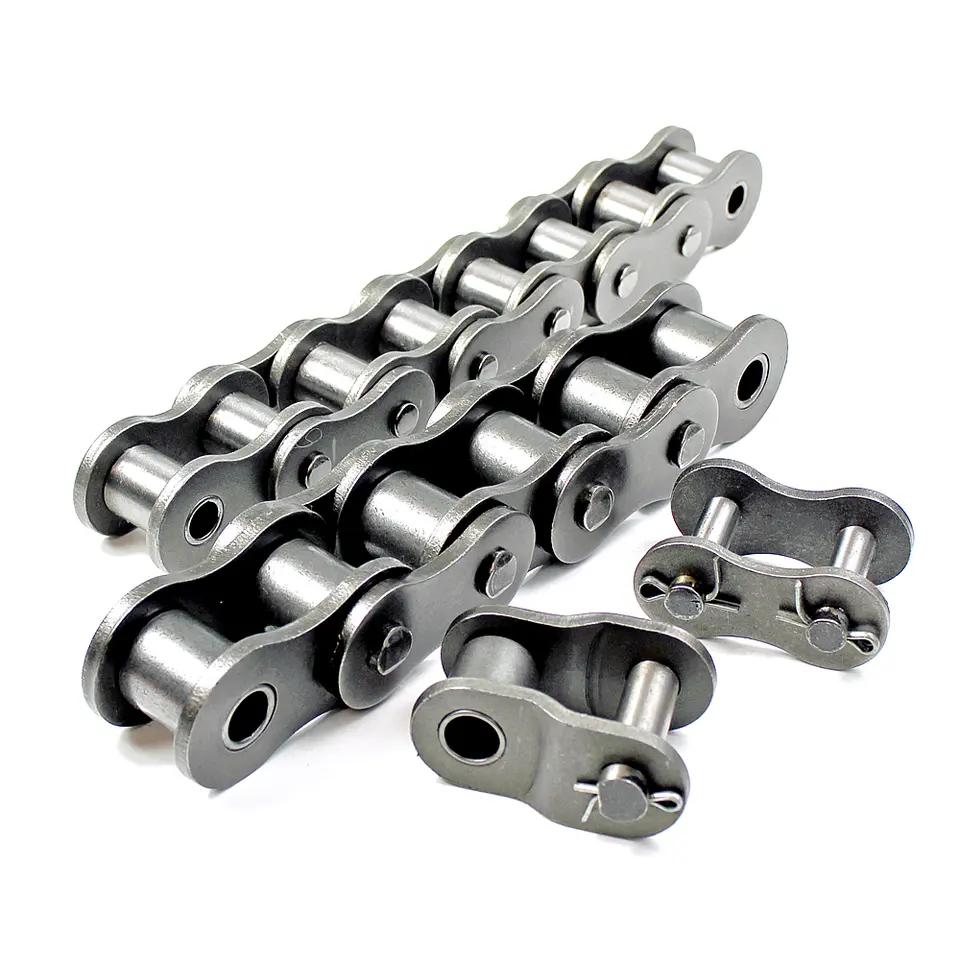
Как грузоподъемность трансмиссионной цепи влияет на ее производительность?
Грузоподъемность трансмиссионной цепи играет решающую роль в определении ее производительности и надежности в различных областях применения. Вот подробное объяснение:
Грузоподъемность — это максимальная сила или вес, которые может выдержать трансмиссионная цепь без преждевременного износа, деформации или поломки. Как правило, она указывается производителем и зависит от нескольких факторов, включая конструкцию цепи, материал, конструкцию и условия эксплуатации.
Когда нагрузка на трансмиссионную цепь превышает её допустимую нагрузку, могут возникнуть различные проблемы с её работой:
- Повышенный износ: чрезмерные нагрузки могут привести к ускоренному износу компонентов цепи, таких как штифты, втулки и ролики. Это может вызвать удлинение, увеличение трения и потенциальный выход цепи из строя.
- Снижение эффективности: Перегрузка цепи может привести к увеличению потерь на трение, снижая эффективность передачи энергии. Это может вызвать потери энергии и снижение общей производительности системы.
- Потенциальный обрыв цепи: Если нагрузка значительно превышает допустимую нагрузку цепи, это может привести к ее обрыву, что повлечет за собой простои оборудования и потенциальную угрозу безопасности.
- Повышенная нагрузка на другие компоненты: Перегрузка трансмиссионной цепи создает дополнительную нагрузку на другие соединенные с ней компоненты, такие как звездочки, подшипники и валы. Это также может привести к преждевременному износу и выходу из строя этих компонентов.
Выбор цепи с соответствующей грузоподъемностью имеет решающее значение для обеспечения оптимальной производительности и долговечности. Важно учитывать такие факторы, как ожидаемая величина нагрузки, изменения нагрузки во время работы и коэффициенты безопасности, чтобы выбрать цепь, которая сможет безопасно и надежно выполнять предполагаемые задачи.
Производители предоставляют таблицы и рекомендации по грузоподъемности, основанные на обширных испытаниях и инженерном анализе. Рекомендуется ознакомиться с этими ресурсами и тесно сотрудничать с производителем или квалифицированным инженером, чтобы определить наиболее подходящую трансмиссионную цепь для ваших конкретных требований к нагрузке.


Редактор: CX, 08.10.2023