उत्पाद वर्णन
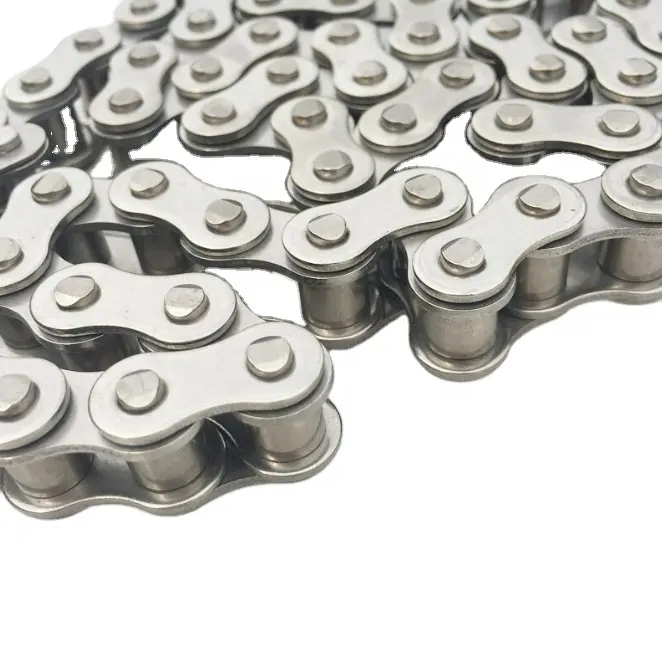
| प्रतिरूप संख्या। | 06C/08A/10A/12A/16A/20A/24A/28A/32A/40A/06B/08B/10B/12B/16B/20B/24B/28B/32B/40B-1/2/3 अत्यधिक टिकाऊ |
| चेन मॉडल | रोलर चेन |
| संरचना (श्रृंखला के लिए) | रोलर चेन |
| विनिर्देश | जीबी/टी, डीआईएन, एएनएसआई, आईएसओ, बीएस, जेआईएस। |
| मूल | हांग्जो, झेजियांग |
| रंग | ठोस रंग |
| चेन का रंग | स्वनिर्धारित |
हमारी कंपनी
वॉल्फ चेन कंपनी चीन की अग्रणी चेन निर्माताओं में से एक है। हम "डोवन" और "डेको" जैसे प्रसिद्ध ब्रांडों के साथ चेन ड्राइव के अनुसंधान, निर्माण और व्यापार पर ध्यान केंद्रित करते हैं। हम सुजुकी, शिहू (वेस्ट लेक) डिस्ट्रीब्यूशन, एफएडब्ल्यू, एजीको और जूमिंग जैसी कई प्रसिद्ध कंपनियों को ओईएम सेवाएं भी प्रदान करते हैं।
वॉल्फ मुख्य रूप से ट्रांसमिशन चेन, कन्वेयर चेन, ड्रैगिंग चेन, साइलेंट चेन, लीफ चेन, रोलर चेन, स्पेशल चेन और कई अन्य प्रकार की चेन का उत्पादन करती है। हमारे तकनीशियनों ने चेन की गुणवत्ता को विश्व स्तरीय बना दिया है। उच्च गुणवत्ता वाली सामग्री का चयन, शक्तिशाली और सटीक हीट-ट्रीटमेंट तकनीक और उत्कृष्ट असेंबली विधियाँ यह सुनिश्चित करती हैं कि वॉल्फ चेन मशीनों और वाहनों की कठिन और सख्त आवश्यकताओं को पूरा करती हैं।
हमारे सभी उत्पाद ISO, DIN, ANSI, BS, JIS आदि जैसे अंतरराष्ट्रीय मानकों के पूर्णतया अनुरूप हैं। वॉल्फ को ISO9001 गुणवत्ता प्रबंधन प्रणाली, SGS निरीक्षण और BV निरीक्षण द्वारा सफलतापूर्वक प्रमाणित किया गया है। वॉल्फ चेन का उपयोग ऑटोमोबाइल, मोटरसाइकिल, फोर्कलिफ्ट, लकड़ी प्रसंस्करण मशीन, निर्माण मशीन, पैकिंग मशीन, खाद्य मशीन, तंबाकू मशीन और कृषि उपकरण सहित कई उद्योगों में व्यापक रूप से किया जा सकता है। वॉल्फ चेन अमेरिका, दक्षिण अमेरिका, यूरोप, मध्य पूर्व, दक्षिण पूर्व एशिया और अफ्रीका के बाजारों में लोकप्रिय हैं।
हमारी कार्यशाला
हमारा प्रमाणन
हमारी प्रदर्शनी में आपका स्वागत है
अक्सर पूछे जाने वाले प्रश्न
क्यू1. आपकी पैकिंग की शर्तें क्या हैं?
ए: आम तौर पर, हम अपने सामान को एक ही रंग के बॉक्स में पैक करते हैं। यदि पैकिंग के संबंध में आपकी कोई विशेष आवश्यकता हो, तो कृपया हमसे पहले ही बात कर लें, हम आपकी इच्छानुसार सामान पैक कर सकते हैं।
प्रश्न 2. आपकी भुगतान शर्तें क्या हैं?
ए: जमा के रूप में टी/टी 301टीपी3टी और डिलीवरी से पहले 701टीपी3टी। हम आपको उत्पादों और पैकेजों की तस्वीरें दिखाएंगे।
बकाया राशि का भुगतान करने से पहले कृपया हमसे पहले ही बात कर लें। अन्य भुगतान शर्तों के लिए, कृपया हमसे पहले ही बातचीत कर लें, हम इस पर चर्चा कर सकते हैं।
प्रश्न 3. आपकी डिलीवरी की शर्तें क्या हैं?
ए: एक्सडब्ल्यू, एफओबी, सीएफआर, सीआईएफ।
प्रश्न 4. आपके डिलीवरी समय के बारे में क्या ख्याल है?
ए: आम तौर पर, अग्रिम भुगतान प्राप्त होने के बाद इसमें 25 से 30 दिन लगेंगे। डिलीवरी का सटीक समय निर्भर करता है।
आपके ऑर्डर में शामिल वस्तुओं और उनकी मात्रा के आधार पर।
प्रश्न 5. क्या आप नमूनों के अनुसार उत्पादन कर सकते हैं?
ए: जी हाँ, हम आपके नमूनों या तकनीकी रेखाचित्रों के आधार पर उत्पादन कर सकते हैं। हम सांचे और फिटिंग बना सकते हैं।
प्रश्न 6. आपकी नमूना नीति क्या है?
ए: यदि हमारे पास स्टॉक में तैयार पुर्जे उपलब्ध हैं तो हम नमूना उपलब्ध करा सकते हैं, लेकिन नमूने की लागत ग्राहकों को वहन करनी होगी।
कूरियर का खर्च शामिल है। हम सैंपल ऑर्डर का स्वागत करते हैं।
प्रश्न 7. क्या आप डिलीवरी से पहले अपने सभी सामानों का परीक्षण करते हैं?
ए: जी हाँ, हम डिलीवरी से पहले 100% परीक्षण करते हैं।
प्रश्न 8: आप हमारे व्यवसाय को दीर्घकालिक और अच्छे संबंध में कैसे बदल सकते हैं?
1. हम अपने ग्राहकों के लाभ को सुनिश्चित करने के लिए अच्छी गुणवत्ता और प्रतिस्पर्धी मूल्य बनाए रखते हैं;
2. हम प्रत्येक ग्राहक को अपना मित्र मानते हैं और ईमानदारी से उनके साथ व्यापार करते हैं और मित्रता का संबंध बनाते हैं।
वे कहीं से भी आए हों।
| मानक या गैर-मानक: | मानक |
|---|---|
| आवेदन पत्र: | वस्त्र निर्माण मशीनरी, परिधान मशीनरी, कन्वेयर उपकरण, पैकेजिंग मशीनरी, खाद्य मशीनरी, समुद्री मशीनरी, खनन उपकरण |
| सतह का उपचार: | तेल खिलना |
| संरचना: | रोलर चेन |
| सामग्री: | कार्बन स्टील |
| प्रकार: | लघु पिच श्रृंखला |
| उदाहरण: |
यूएस1टीपी4टी 0/पीस
1 पीस (न्यूनतम ऑर्डर) | |
|---|
| अनुकूलन: |
उपलब्ध
| अनुकूलित अनुरोध |
|---|
चेन टेंशनर का चुनाव ट्रांसमिशन चेन के प्रदर्शन को कैसे प्रभावित करता है?
ट्रांसमिशन चेन के इष्टतम प्रदर्शन को सुनिश्चित करने में चेन टेंशनर का चयन महत्वपूर्ण भूमिका निभाता है। प्रश्न का विस्तृत उत्तर यहाँ दिया गया है:
1. चेन का सही जुड़ाव: चेन टेंशनर ट्रांसमिशन चेन में सही तनाव बनाए रखने में मदद करता है, जिससे चेन और स्प्रोकेट के बीच सही जुड़ाव सुनिश्चित होता है। यह प्रभावी पावर ट्रांसमिशन और सुचारू संचालन के लिए आवश्यक है।
2. चेन की ढीलापन नियंत्रण: सही ढंग से चुना गया चेन टेंशनर चेन की ढीलापन को नियंत्रित करने में मदद करता है। अत्यधिक ढीलापन चेन के उछलने, गलत संरेखण और अधिक घिसाव का कारण बन सकता है, जबकि अपर्याप्त ढीलापन अत्यधिक तनाव पैदा कर सकता है, जिससे चेन और स्प्रोकेट का घिसाव तेजी से बढ़ सकता है।
3. शोर और कंपन में कमी: उपयुक्त चेन टेंशनर का उपयोग ट्रांसमिशन सिस्टम में शोर और कंपन को कम करने में सहायक होता है। यह चेन की गति के कारण उत्पन्न होने वाले झटकों और कंपन को कम करता है, जिससे संचालन शांत होता है और सिस्टम का समग्र प्रदर्शन बेहतर होता है।
4. चेन की लंबी आयु: उचित तनाव बनाए रखकर, चेन टेंशनर ट्रांसमिशन चेन के समय से पहले घिसने और खिंचाव को रोकने में मदद करता है। इससे चेन की आयु बढ़ती है, चेन बदलने की आवृत्ति कम होती है और रखरखाव लागत में कमी आती है।
5. घिसाव और खिंचाव की भरपाई: समय के साथ ट्रांसमिशन चेन के घिसने पर उसमें खिंचाव या फैलाव आ सकता है। चेन टेंशनर तनाव को समायोजित करके इस फैलाव की भरपाई करता है, जिससे चेन सही तनाव में रहती है और स्प्रोकेट के साथ ठीक से जुड़ी रहती है। इससे लगातार बेहतर प्रदर्शन सुनिश्चित होता है और चेन के फिसलने या अलग होने की समस्या नहीं होती।
6. परिवर्तनशील परिस्थितियों के अनुकूल ढलने की क्षमता: कुछ चेन टेंशनर गतिशील रूप से तनाव को समायोजित करने की क्षमता प्रदान करते हैं, जिससे तापमान में उतार-चढ़ाव या भार परिवर्तन जैसी परिचालन स्थितियों में होने वाले बदलावों को समायोजित किया जा सकता है। यह लचीलापन चेन के इष्टतम प्रदर्शन को सुनिश्चित करता है और तापीय विस्तार या संकुचन के प्रभावों की भरपाई करता है।
ट्रांसमिशन चेन और उसके उपयोग की आवश्यकताओं के अनुरूप चेन टेंशनर का चयन करना अत्यंत महत्वपूर्ण है। चेन टेंशनर चुनते समय चेन का आकार, टेंशन एडजस्टमेंट रेंज, पर्यावरणीय परिस्थितियाँ और लोड में बदलाव जैसे कारकों पर विचार करें। टेंशनर की नियमित जांच और रखरखाव भी आवश्यक है ताकि यह ठीक से काम करे और ट्रांसमिशन चेन का जीवनकाल बढ़े।
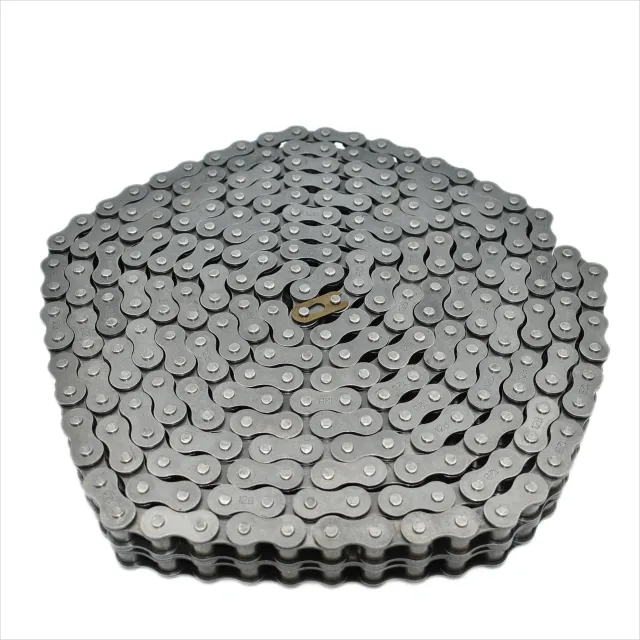
क्या कृषि मशीनरी में ट्रांसमिशन चेन का उपयोग किया जा सकता है?
जी हां, ट्रांसमिशन चेन का उपयोग विभिन्न प्रकार की कृषि मशीनों में आम तौर पर किया जाता है। प्रश्न का विस्तृत उत्तर यहां दिया गया है:
कृषि मशीनरी को कटाई, बुवाई, जुताई और परिवहन जैसे कार्यों को करने के लिए अक्सर विश्वसनीय और कुशल विद्युत संचरण की आवश्यकता होती है। संचरण श्रृंखलाएं कई लाभ प्रदान करती हैं जो उन्हें कृषि अनुप्रयोगों के लिए उपयुक्त बनाती हैं:
1. उच्च मजबूती और भार वहन क्षमता: कृषि मशीनरी अक्सर कठिन परिस्थितियों में काम करती है और भारी भार उठाती है। ट्रांसमिशन चेन को उच्च तन्यता शक्ति और भार वहन क्षमता के लिए डिज़ाइन किया गया है, जिससे वे कृषि कार्यों की कठोर मांगों को सहन करने में सक्षम होती हैं।
2. बहुमुखी प्रतिभा: ट्रांसमिशन चेन का उपयोग ट्रैक्टर, कंबाइन, बेलर, हार्वेस्टर और स्प्रेयर सहित विभिन्न प्रकार की कृषि मशीनों में किया जा सकता है। ये टॉर्क, गति और संचलन सहित विभिन्न प्रकार की विद्युत संचरण आवश्यकताओं के अनुकूल होती हैं।
3. टिकाऊपन: कृषि परिवेश कठोर हो सकता है, जिसमें धूल, मलबा, नमी और परिवर्तनशील मौसम की स्थिति का सामना करना पड़ता है। ट्रांसमिशन चेन ऐसी स्थितियों का सामना करने के लिए बनाई जाती हैं, और उनकी मजबूत संरचना और सामग्री कृषि मशीनरी में लंबे समय तक चलने वाला प्रदर्शन सुनिश्चित करती हैं।
4. आसान रखरखाव: कृषि कार्यों में अक्सर लंबे कार्य घंटे और दूरस्थ स्थान शामिल होते हैं। ट्रांसमिशन चेन का निरीक्षण, स्नेहन और रखरखाव अपेक्षाकृत आसान होता है, जिससे खेत में कुशल रखरखाव कार्यक्रम संभव हो पाता है।
5. किफायती: बिजली संचरण के अन्य विकल्पों की तुलना में, ट्रांसमिशन चेन कृषि मशीनरी के लिए किफायती समाधान प्रदान करती हैं। ये विश्वसनीय बिजली हस्तांतरण प्रदान करती हैं, उचित रखरखाव पर इनका सेवा जीवन लंबा होता है, और ये प्रतिस्पर्धी कीमतों पर उपलब्ध हैं।
कृषि मशीनरी में ट्रांसमिशन चेन का उपयोग करते समय, उपकरण की विशिष्ट आवश्यकताओं के आधार पर उपयुक्त चेन प्रकार और आकार का चयन करना आवश्यक है। ट्रांसमिशन चेन के इष्टतम प्रदर्शन और दीर्घायु को सुनिश्चित करने के लिए भार क्षमता, गति, परिचालन वातावरण और रखरखाव संबंधी बातों को ध्यान में रखा जाना चाहिए।
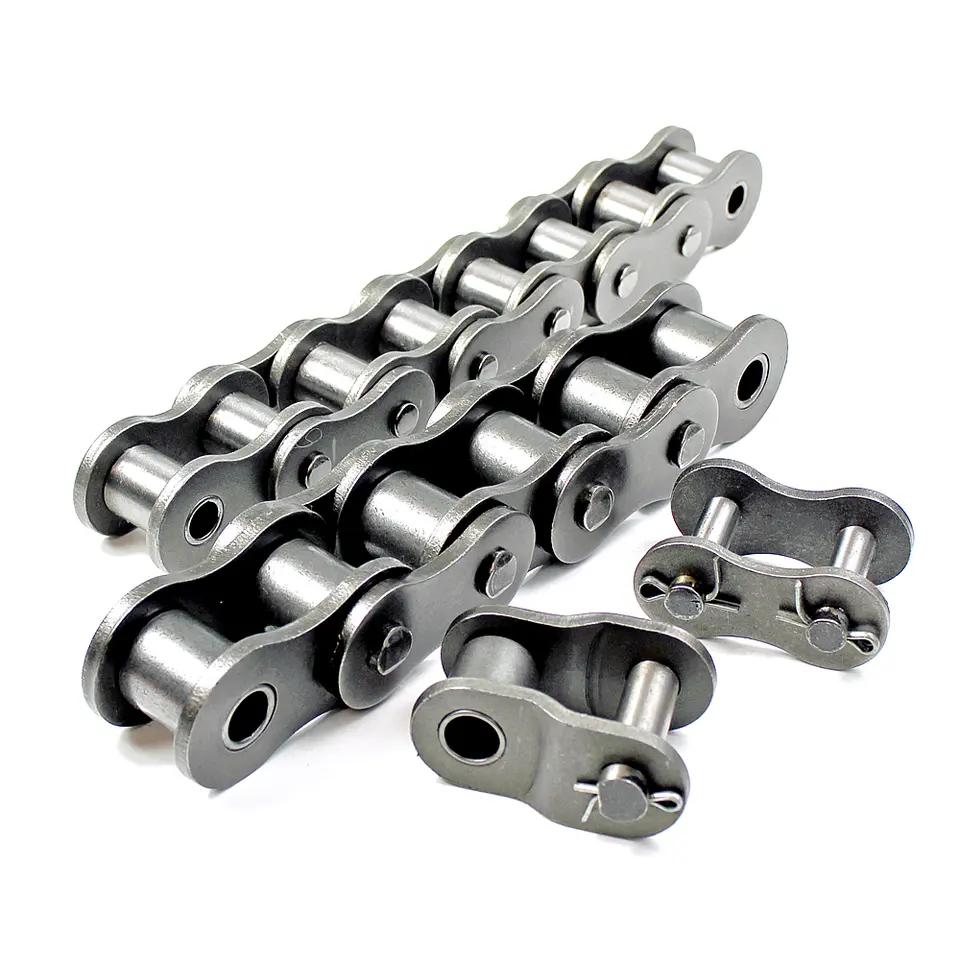
ट्रांसमिशन चेन की भार वहन क्षमता उसके प्रदर्शन को कैसे प्रभावित करती है?
विभिन्न अनुप्रयोगों में ट्रांसमिशन चेन की भार वहन क्षमता उसके प्रदर्शन और विश्वसनीयता को निर्धारित करने में महत्वपूर्ण भूमिका निभाती है। यहाँ इसका विस्तृत विवरण दिया गया है:
भार वहन क्षमता है जो किसी ट्रांसमिशन चेन द्वारा समय से पहले घिसाव, विरूपण या विफलता के बिना सहन की जा सकने वाली अधिकतम बल या भार की मात्रा को दर्शाती है। यह आमतौर पर निर्माता द्वारा निर्दिष्ट की जाती है और चेन के डिज़ाइन, सामग्री, निर्माण और परिचालन स्थितियों सहित कई कारकों पर निर्भर करती है।
जब किसी ट्रांसमिशन चेन पर भार उसकी क्षमता से अधिक हो जाता है, तो कई प्रदर्शन संबंधी समस्याएं उत्पन्न हो सकती हैं:
- घिसाव में वृद्धि: अत्यधिक भार के कारण चेन के घटकों, जैसे कि पिन, बुशिंग और रोलर्स में तेजी से घिसाव हो सकता है। इससे चेन लंबी हो सकती है, घर्षण बढ़ सकता है और चेन टूट भी सकती है।
- कम कार्यक्षमता: श्रृंखला पर अधिक भार डालने से घर्षण के कारण ऊर्जा हानि बढ़ सकती है, जिससे विद्युत संचरण की कार्यक्षमता कम हो जाती है। इससे ऊर्जा की बर्बादी हो सकती है और समग्र प्रणाली का प्रदर्शन घट सकता है।
- चेन टूटने की संभावना: यदि भार चेन की क्षमता से काफी अधिक हो जाता है, तो इससे चेन टूट सकती है, जिसके परिणामस्वरूप मशीन बंद हो सकती है और सुरक्षा संबंधी खतरे उत्पन्न हो सकते हैं।
- अन्य घटकों पर बढ़ा हुआ तनाव: ओवरलोड की गई ट्रांसमिशन चेन, स्प्रोकेट, बेयरिंग और शाफ्ट जैसे अन्य जुड़े हुए घटकों पर अतिरिक्त तनाव डालती है। इससे इन घटकों में भी समय से पहले घिसावट और खराबी आ सकती है।
इष्टतम प्रदर्शन और दीर्घायु सुनिश्चित करने के लिए उपयुक्त भार क्षमता वाली ट्रांसमिशन चेन का चयन करना अत्यंत महत्वपूर्ण है। अपेक्षित भार की मात्रा, परिचालन के दौरान भार में होने वाले परिवर्तन और सुरक्षा कारकों जैसे कारकों पर विचार करना आवश्यक है ताकि ऐसी चेन का चयन किया जा सके जो इच्छित अनुप्रयोग को सुरक्षित और विश्वसनीय रूप से संभाल सके।
निर्माता व्यापक परीक्षण और इंजीनियरिंग विश्लेषण के आधार पर भार क्षमता चार्ट और दिशानिर्देश प्रदान करते हैं। इन संसाधनों का परामर्श लेना और निर्माता या किसी योग्य इंजीनियर के साथ मिलकर काम करना उचित है ताकि आपकी विशिष्ट भार आवश्यकताओं के लिए सबसे उपयुक्त ट्रांसमिशन चेन का निर्धारण किया जा सके।


सीएक्स द्वारा संपादित, 2023-10-08