Описание продукта
Описание продукта
|
Профиль роликовой цепи HRSY |
|||
|
Стандарт: |
ANSI, DIN, ISO |
||
|
Тип: |
Приводные цепи, конвейерные цепи, инженерные цепи, сельскохозяйственные цепи, тяговые цепи, цепи для эскалаторов |
||
|
Приводная цепь |
Прецизионные роликовые цепи с коротким шагом (серии A, B, цепи повышенной прочности) Высокопрочные роликовые цепи с коротким шагом Самосмазывающаяся роликовая цепь Цепи с уплотнительными кольцами Нефтепромысловые цепи Прочные кривошипно-шатунные трансмиссионные цепи Двухшаговые трансмиссионные цепи Цепи с перевернутыми зубьями Мотоциклетные цепи Прочие (цепи привода) |
||
|
Конвейерные цепи |
Конвейерные роликовые цепи Цепи с прикрепленными резиновыми пластинами Цепи линии сушки печатного утюга Конвейерные цепи с двойным шарниром Метрические (типа М) конвейерные цепи Конвейерные цепи серии FV Деревянные конвейерные цепи Цепи для оборудования по упаковке пищевых продуктов Конвейерные цепи для рулонов бумаги |
||
|
Инженерные цепи |
Конвейерные цепи для цементной промышленности Скребковые конвейерные цепи Конвейерные цепи для углеобогатительной фабрики цепи для переноски резиновых перчаток Стальная цепь с муфтой для машиностроения Сварные стальные цепи для прокатных станов Цепи сахарных машин Конвейерные цепи для металлургического завода |
||
|
Сельскохозяйственные цепочки |
Приводные цепи сельскохозяйственной техники Стальные шкворневые цепи Цепи комбайна ZGS38 Цепи рисоуборочных комбайнов Тип S Тип C Другие |
||
|
Тяговые цепи |
Цепи пластин Цепи из листьев для скайстак Тяговые цепи Другие |
||
|
Цепи эскалаторов |
Цепи ступеней эскалатора Цепи привода эскалатора |
||
|
Материал |
40Mn, 45Mn, SS316, SS304, SS201 |
||
|
Преимущество |
Мы предлагаем конкурентоспособные цены и высокое качество. Стандартная длина наших складских отрезков: 5 футов, 10 футов. Индивидуальная длина: Мы можем изготовить изделие по вашему заказу. Мы принимаем ваш логотип, работаем по схемам ODM и OEM. |
||
Подробные фотографии
Упаковка и доставка
Профиль компании
ZheJiang Haorongshengye Electrical Equipment Co., Ltd.
1. Основана в 2008 году.
2. Наш принцип:
«Превосходство в доверии и приоритет интересов клиента»
3. Наше обещание:
«Высококачественная продукция и превосходное обслуживание»
4. Наши ценности:
«Честность, стремление к лучшему и долгосрочное развитие»
5. Наша цель:
«Стремиться стать мировым лидером в отрасли производства компонентов для силовых трансмиссий».
|
6. Наши услуги: |
1). Конкурентоспособная цена |
|||
|
2). Продукция высокого качества |
||||
|
3). OEM-сервис или изготовление на заказ по вашим чертежам. |
||||
|
4). Ответим на ваш запрос в течение 24 часов. |
||||
|
5). Профессиональная техническая команда, круглосуточная онлайн-поддержка. |
||||
|
6). Предоставить услугу предоставления образцов. |
||||
Основная продукция
Машины
Выставка
/* 22 января 2571 19:08:37 */!function(){function s(e,r){var a,o={};try{e&&e.split(“,).forEach(function(e,t){e&&(a=e.match(/(.*?):(.*)$/))&&1
| Стандартный или нестандартный: | Стандарт |
|---|---|
| Приложение: | Текстильное оборудование, швейное оборудование, конвейерное оборудование, упаковочное оборудование, электромобили, мотоциклы, пищевое оборудование, морское оборудование, горнодобывающее оборудование, сельскохозяйственная техника, автомобили |
| Обработка поверхности: | Масляный цветение |
| Структура: | Роликовая цепь |
| Материал: | Нержавеющая сталь |
| Тип: | Короткая цепочка шагов |
| Образцы: |
US$ 50 шт./метр
1 метр (минимальный заказ) | |
|---|
| Настройка: |
Доступный
| Индивидуальный запрос |
|---|
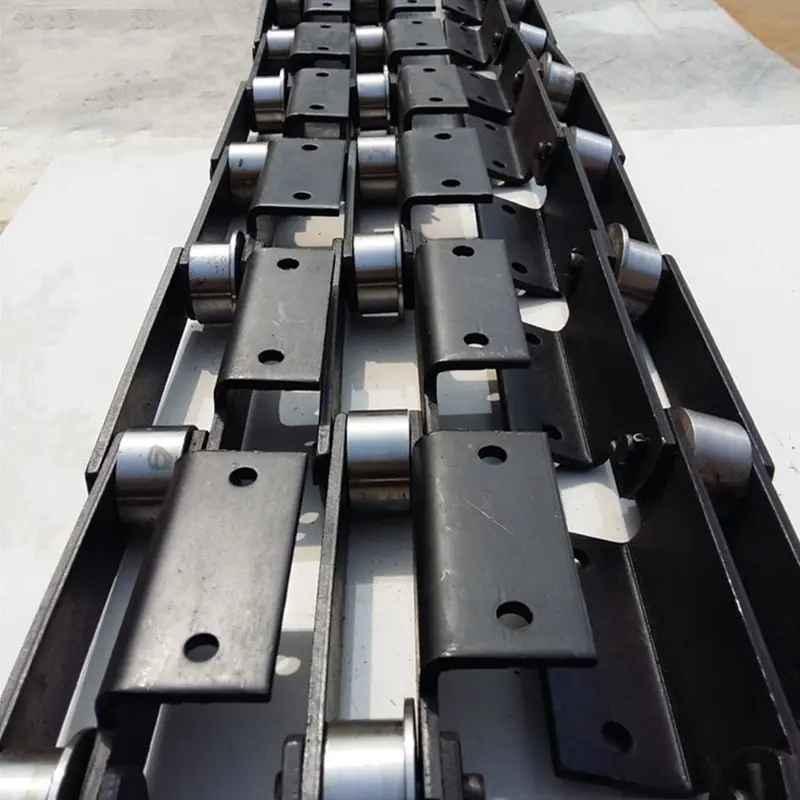
Как выбор типа крепления цепи влияет на универсальность трансмиссионной цепи?
Выбор типа крепления цепи оказывает существенное влияние на универсальность и функциональность трансмиссионной цепи. Вот подробный ответ на этот вопрос:
Тип крепления относится к конкретной конструкции или конфигурации звеньев или пластин на концах трансмиссионной цепи. Доступны различные типы крепления, позволяющие адаптировать цепь к различным областям применения, оборудованию и отраслевым требованиям. Выбор правильного типа крепления влияет на универсальность цепи следующим образом:
1. Соединение и совместимость: Тип крепления цепи определяет способ соединения цепи с другими компонентами системы. Он должен быть совместим с оборудованием, звездочками, шестернями или другими механизмами для обеспечения надлежащего функционирования и передачи мощности. Для разных машин или областей применения, таких как конвейеры, лифты или промышленное оборудование, могут потребоваться разные типы крепления.
2. Грузоподъемность и прочность: Тип крепления влияет на грузоподъемность и прочность трансмиссионной цепи. Некоторые конструкции крепления обеспечивают повышенную несущую способность, позволяя цепи выдерживать большие нагрузки или крутящий момент. Выбирая соответствующий тип крепления, можно повысить универсальность цепи и адаптировать ее к широкому диапазону нагрузок.
3. Гибкость и адаптивность: Некоторые типы навесного оборудования обеспечивают большую гибкость и адаптивность с точки зрения учета изменений в конструкции или компоновке оборудования. Они могут упростить регулировку, натяжение или удлинение цепи в соответствии с конкретными требованиями. Эта гибкость делает цепь более универсальной и адаптируемой к различным конфигурациям или изменениям в условиях эксплуатации.
4. Специфические требования к применению: В зависимости от области применения могут потребоваться определенные типы крепления цепи для соответствия отраслевым стандартам, правилам безопасности или эксплуатационным потребностям. Например, в некоторых отраслях промышленности могут потребоваться специализированные крепления для обеспечения правильного выравнивания, позиционирования или взаимодействия с конкретными компонентами или материалами. Выбор соответствующего типа крепления гарантирует соответствие этим требованиям, повышая универсальность цепи для конкретных применений.
5. Простота обслуживания и замены: Выбор типа крепления также может влиять на простоту обслуживания и замены трансмиссионной цепи. Некоторые конструкции крепления позволяют быстро и удобно разбирать или заменять поврежденные или изношенные звенья или пластины цепи. Это облегчает эффективное обслуживание и сокращает время простоя, способствуя общей универсальности и надежности цепи.
При выборе трансмиссионной цепи крайне важно учитывать конкретный тип крепления, необходимый для предполагаемого применения. Для обеспечения оптимальной универсальности и производительности трансмиссионной цепи следует учитывать такие факторы, как грузоподъемность, совместимость с оборудованием, простота обслуживания и соответствие отраслевым стандартам.
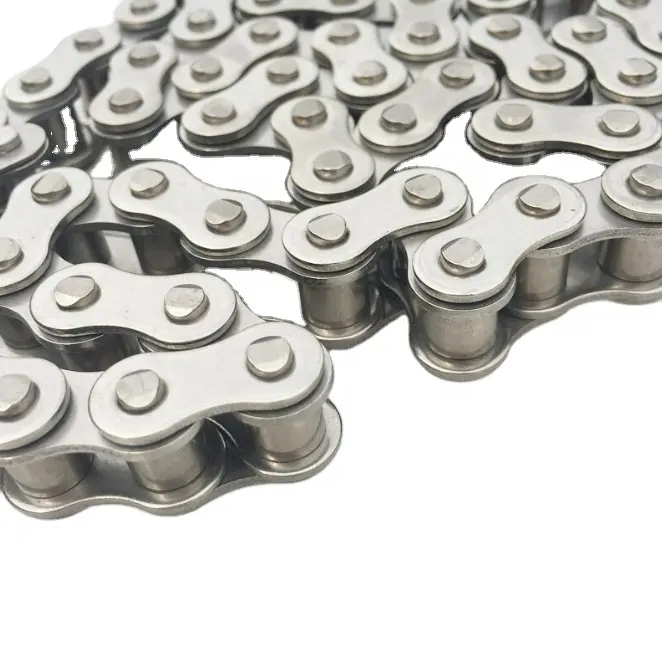
Можно ли использовать силовые цепи в системах передачи электроэнергии?
Да, цепные передачи могут использоваться в системах передачи энергии. Вот подробный ответ на этот вопрос:
Цепи передачи широко используются в различных областях передачи энергии, где требуется передача механической мощности. Эти цепи предназначены для передачи вращательного движения и мощности от одного вала к другому.
Цепи передачи используются в широком спектре систем передачи энергии, в том числе:
- Промышленное оборудование: Цепи передачи используются в таких механизмах, как конвейерные системы, упаковочное оборудование, печатные станки и станки, для передачи мощности и движения между различными компонентами.
- Сельскохозяйственная техника: Цепи передачи используются в сельскохозяйственной технике, такой как тракторы, комбайны и жатки, для передачи мощности от двигателя к различным механическим компонентам для выполнения таких задач, как резка, обмолот и посадка.
- Автомобильная промышленность: Цепи трансмиссии используются в некоторых автомобильных приложениях, например, в приводных цепях мотоциклов или в цепях газораспределительного механизма, синхронизирующих вращение коленчатого и распределительного валов в двигателях внутреннего сгорания.
- Выработка электроэнергии: В системах выработки электроэнергии, включая ветровые турбины, гидротурбины и паровые турбины, для передачи вращательного движения от турбины к генератору используются передающие цепи.
- Строительная техника: Цепи передачи используются в строительной технике, такой как экскаваторы, погрузчики и бульдозеры, для передачи мощности и движения от двигателя к трансмиссии и различным гидравлическим компонентам.
Цепные линии электропередачи обладают рядом преимуществ в системах передачи электроэнергии:
- Высокая эффективность: цепные передачи имеют минимальные потери мощности, что обеспечивает эффективную передачу энергии.
- Высокая несущая способность: цепные линии электропередачи способны выдерживать высокие нагрузки и передавать значительные объемы электроэнергии.
- Гибкость: Цепи трансмиссии легко адаптируются к различным областям применения, доступны различные размеры, длины и конфигурации.
- Долговечность: Цепи трансмиссии рассчитаны на работу в тяжелых условиях и обеспечивают длительный срок службы при надлежащем техническом обслуживании.
- Экономическая эффективность: Цепные передачи электроэнергии зачастую являются более экономичным решением по сравнению с другими вариантами передачи энергии.
Важно правильно выбрать тип и размер трансмиссионной цепи в зависимости от конкретных требований системы передачи мощности. Регулярное техническое обслуживание и смазка также необходимы для обеспечения оптимальной производительности и долговечности трансмиссионной цепи.
Существуют ли какие-либо особые требования к смазке цепей трансмиссии?
Да, цепные передачи, как правило, нуждаются в надлежащей смазке для обеспечения плавной работы, снижения износа и продления срока службы. Вот несколько ключевых моментов, касающихся требований к смазке цепных передач:
- Чистая и адекватная смазка: Важно поддерживать цепь в надлежащем состоянии, чтобы минимизировать трение и износ между компонентами цепи. Смазка помогает снизить тепловыделение и предотвращает контакт металла с металлом, который может привести к преждевременному износу и поломке.
- Правильный выбор смазки: Выбор подходящей смазки имеет решающее значение для оптимальной работы цепи. При выборе смазки следует учитывать такие факторы, как температура применения, условия нагрузки, скорость и факторы окружающей среды. Смазка должна обладать хорошими адгезионными свойствами, быть устойчивой к окислению и обеспечивать достаточную прочность пленки для защиты поверхности цепи.
- Правильный интервал смазки: Регулярная смазка с соответствующими интервалами необходима для поддержания работоспособности цепи и снижения риска чрезмерного износа. Частота смазки зависит от условий эксплуатации и используемого смазочного материала. Производители обычно предоставляют рекомендации по интервалам смазки в зависимости от типа цепи и области применения.
- Эффективное нанесение смазки: Правильное нанесение смазки имеет важное значение для обеспечения равномерного покрытия и проникновения в компоненты цепи. Смазку следует наносить на внутренние пластины звеньев, поверхности роликов и места соприкосновения штифта и втулки. Излишки смазки следует удалять, чтобы предотвратить ее накопление и загрязнение.
- Экологические аспекты: В определенных условиях, например, в пыльной или загрязненной среде, цепь может нуждаться в более частой смазке для предотвращения попадания загрязнений и поддержания надлежащей смазочной пленки. Кроме того, при работе в условиях высоких температур или высоких скоростей могут потребоваться специальные высокотемпературные или высокоскоростные смазочные материалы.
- Регулярный осмотр и техническое обслуживание: Наряду с надлежащей смазкой, необходимы регулярный осмотр и техническое обслуживание трансмиссионной цепи. Это включает проверку на наличие признаков износа, деградации смазки и правильного натяжения. Любые поврежденные или изношенные компоненты следует незамедлительно заменять, чтобы предотвратить поломку цепи.
Следование рекомендациям производителя и соблюдение конкретных требований к смазке трансмиссионной цепи поможет обеспечить оптимальную производительность, снизить износ и продлить срок службы цепи.


Редактор: CX, 30.04.2024