Descrição do produto
Descrição do produto
Correntes de rolos para diversos equipamentos de máquinas, correntes soldadas para laminadores, correntes soldadas para arrastões, correntes com pinos fixos fundidos, correntes com pinos de engate, correntes com elos forjados e correntes de transmissão de classe de engenharia, com opções em aço-liga e aço inoxidável, de acordo com sua necessidade.
1. Tipos de corrente: corrente agrícola, corrente forjada sem rebites, corrente de rolos, corrente transportadora, corrente para a indústria açucareira, corrente para a indústria de óleo de palma, corrente para a indústria de asfalto, corrente para elevadores de carga, corrente dupla flexível, corrente de pino, correntes de arrasto de aço soldadas, corrente maleável, etc.
2. Materiais principais: É aço liga 40Mn, 40Cr, 45Mn ou SUS304 para placas, 10#, 20#, 20CrMnMo, 30CrMnTi para pinos e rolos;
3. Tratamento térmico: cementação, austemperagem, endurecimento por nitrocarbonetação, etc.;
4. Superfície: Jateamento com esferas, preto, azul ou original;
5. Embalagem: Saco plástico + caixa de papelão + caixa de madeira compensada
Fotos detalhadas
Parâmetros do produto
Embalagem e envio
1. Embalagem interna: Saco plástico, saco de bolhas de ar, caixa de papelão, conforme solicitação do comprador.
2. Embalagem externa: caixa OSB ou palete.
3. Por favor, lembre-se de fornecer o endereço de contato correto para a entrega.
Nossas vantagens
perfil de companhia
Somos um fabricante líder de peças de reposição para transmissões mecânicas, além de sermos fornecedores confiáveis e de longa data. Nossos principais produtos incluem correntes de rolos, correntes transportadoras, correntes agrícolas, correntes para a indústria açucareira, correntes para a indústria de óleo de palma, correntes para a indústria de asfalto, correntes para elevadores de carga, entre outros.
Atualmente, para os mercados sul-americano, europeu e asiático, nossos produtos de qualidade superior são fabricados de acordo com suas necessidades e atendem aos padrões ISO, ASME e DIN.
Por favor, observe as etapas do nosso processo abaixo.
(1) perfurar sua placa externa e placas internas
(2)Oficina de jateamento de esferas
(3) oficina de tratamento térmico
(4) preparação da montagem
(5) processo de pinos
(6) Teste de propriedades de tração antes do envio
Serviço pós-venda
Nossos produtos podem ser reparados ou ter suas peças substituídas gratuitamente em até 3 meses.
Perguntas frequentes
Pergunta:
1. P: E quanto ao custo do molde?
A: Depende principalmente de: 1. Desenho, 2. Material, 3. Peso e quantidade.
Precisamos conhecer a estrutura de cada peça para analisar a solução do molde através de:
1) – Desenho completo do projeto, modelo do produto ou amostra física —– a melhor maneira
–Desenho em PDF com as dimensões completas de cada peça
–Fotos nítidas de cada peça com vários ângulos para mostrar todas as características.
2) Os materiais, parâmetros técnicos e tratamentos de superfície.
Parâmetros técnicos: informe-nos sobre o modelo, passo, diâmetro do rolo, largura entre as placas internas, tipo de fixação, desenho externo, etc.
3) A quantidade do pedido.
2. P: Como controlar o processamento do produto?
A: O relatório de processamento ou as fotos serão enviados ao cliente semanalmente/mensalmente para revisão.
3. P: Quem será o proprietário do molde?
A: Cliente, o molde também pode ser guardado em nossa fábrica para pedidos futuros.
4. P: Em quanto tempo vocês elaboram o orçamento?
A: Após recebermos as informações detalhadas, enviaremos um orçamento em 1 a 3 dias.
5. P: Quantidade mínima de encomenda? —
Correntes de pequeno porte: se o passo for inferior a 38,10 mm e a espessura for inferior a 5 mm, a quantidade mínima de encomenda (MOQ) para estas correntes de rolos ou correntes transportadoras é de 1500 CZPT;
Tipo de corrente intermediária: A quantidade mínima de encomenda (MOQ) é de 1000 CZPT para estas correntes de rolos ou correntes transportadoras;
Correntes de rolos grandes: se o passo for superior a 76,20 mm e a espessura for superior a 10 mm, a quantidade mínima de encomenda (MOQ) para estas correntes de rolos ou correntes transportadoras é de 200 CZPT;
Espero que possamos fazer negócios juntos e aguardo seu contato em breve.
| Padrão ou não padrão: | Padrão |
|---|---|
| Aplicativo: | Máquinas para confecção de vestuário, equipamentos de transporte, máquinas de embalagem, máquinas para a indústria alimentícia, equipamentos de mineração, máquinas agrícolas, indústria em geral. |
| Tratamento de superfície: | Jateamento com esferas |
| Estrutura: | Corrente de rolos |
| Material: | Liga |
| Tipo: | Corrente de passo curto |
| Exemplos: |
US$ 3,85/metro
1 metro (pedido mínimo) | |
|---|
| Personalização: |
Disponível
| Solicitação personalizada |
|---|
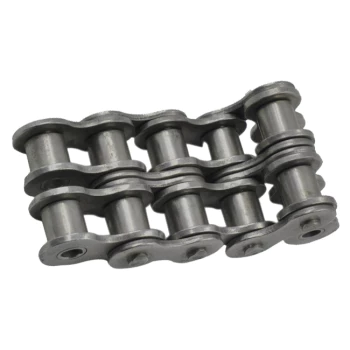
Quais são os benefícios de usar uma corrente de transmissão resistente ao calor?
O uso de uma corrente de transmissão resistente ao calor oferece diversas vantagens em aplicações com altas temperaturas. Segue uma explicação detalhada:
Uma corrente de transmissão resistente ao calor é projetada especificamente para suportar temperaturas elevadas sem comprometer seu desempenho. Os benefícios de usar uma corrente desse tipo incluem:
- Resistência térmica aprimorada: Correntes de transmissão resistentes ao calor são projetadas para suportar altas temperaturas de operação, geralmente variando de algumas centenas de graus Celsius a mais de mil graus Celsius. Elas são construídas com materiais que suportam a expansão térmica, resistem à deformação e mantêm suas propriedades mecânicas em temperaturas elevadas.
- Transmissão de energia confiável: Correntes de transmissão resistentes ao calor proporcionam transmissão de potência confiável mesmo em ambientes de alta temperatura. Elas mantêm sua integridade, resistência e estabilidade dimensional, garantindo a transferência de potência consistente e eficiente do motor para a máquina ou equipamento acionado.
- Tempo de inatividade reduzido: A capacidade de uma corrente resistente ao calor suportar altas temperaturas reduz o risco de falha ou desgaste prematuro. Isso resulta em menor tempo de inatividade para manutenção, substituição e reparo, levando a maior produtividade e redução de custos.
- Vida útil prolongada: As correntes de transmissão resistentes ao calor são projetadas para terem uma vida útil prolongada, mesmo em ambientes quentes e exigentes. Elas apresentam excelente resistência ao desgaste, minimizando o alongamento da corrente e reduzindo a necessidade de substituições frequentes. Isso prolonga a vida útil da corrente e reduz os custos gerais de manutenção.
- Resistência à corrosão e oxidação: Correntes resistentes ao calor são frequentemente fabricadas com materiais que apresentam boa resistência à corrosão e oxidação em altas temperaturas. Isso impede a formação de ferrugem, incrustações ou outros depósitos superficiais prejudiciais, garantindo o desempenho ideal e a longevidade da corrente.
- Compatibilidade com lubrificantes: Correntes resistentes ao calor são projetadas para funcionar eficazmente com lubrificantes de alta temperatura. Os materiais utilizados em sua fabricação são compatíveis com esses lubrificantes, permitindo uma lubrificação adequada mesmo sob calor extremo. Isso garante um funcionamento suave, reduz o atrito e previne o desgaste prematuro e a falha da corrente.
- Versatilidade de aplicação: Correntes de transmissão resistentes ao calor podem ser usadas em diversas indústrias e aplicações onde há altas temperaturas. Elas encontram aplicação em setores como siderurgia, produção de vidro, processamento de cerâmica, fundições e instalações de tratamento térmico.
Ao selecionar uma corrente de transmissão resistente ao calor, é importante considerar os requisitos específicos da aplicação, incluindo faixa de temperatura, capacidade de carga, velocidade e condições ambientais.
Inspeções regulares, lubrificação e manutenção adequada são essenciais para garantir o desempenho ideal e a longevidade das correntes de transmissão resistentes ao calor em ambientes de alta temperatura.
Ao utilizar correntes de transmissão resistentes ao calor, os operadores podem beneficiar de uma transmissão de potência confiável, vida útil prolongada, tempo de inatividade reduzido e desempenho aprimorado em aplicações onde as altas temperaturas são um fator crítico.
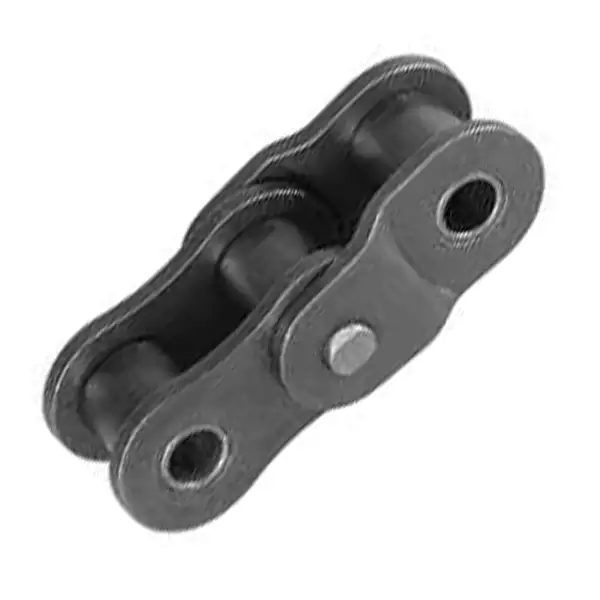
É possível usar uma corrente de transmissão em um sistema de escada rolante ou elevador?
Sim, uma corrente de transmissão pode ser usada em certos tipos de sistemas de escadas rolantes ou elevadores como método de transmissão de energia. Aqui está uma explicação detalhada:
Em sistemas de escadas rolantes e elevadores, a função da corrente de transmissão é levar a potência do motor para os degraus móveis ou para a cabine do elevador. Embora outros métodos de transmissão de potência, como correias ou engrenagens, sejam comumente usados em escadas rolantes e elevadores modernos, as correntes de transmissão ainda podem ser encontradas em certas aplicações.
- Sistemas de escadas rolantes: Em sistemas de escadas rolantes mais antigos ou tradicionais, as correntes de transmissão são comumente usadas para transmitir energia do motor principal para as correntes dos degraus. As correntes dos degraus engrenam com os degraus, fazendo com que se movam em um circuito contínuo. A corrente de transmissão garante movimento sincronizado e transmissão de energia confiável.
- Sistemas de elevadores: Em alguns sistemas de elevadores, particularmente nos modelos hidráulicos ou de tração mais antigos, correntes de transmissão podem ser usadas como parte do mecanismo de transmissão de energia. Essas correntes transmitem a energia do motor para a cabine do elevador ou para o contrapeso, possibilitando o movimento vertical.
É importante observar que o projeto e a configuração de escadas rolantes e elevadores podem variar dependendo de fatores como capacidade, velocidade, altura e normas de construção. Escadas rolantes e elevadores modernos geralmente empregam métodos de transmissão de energia mais avançados e eficientes, como correias ou engrenagens, que oferecem vantagens em termos de ruído, eficiência e manutenção. No entanto, em certos casos, correntes de transmissão ainda podem ser utilizadas, especialmente em sistemas mais antigos ou aplicações específicas.
É essencial consultar fabricantes de escadas rolantes ou elevadores, especialistas ou técnicos de manutenção para determinar o método de transmissão de energia apropriado para um determinado sistema de escada rolante ou elevador. Eles podem fornecer orientações sobre a seleção da corrente, requisitos de manutenção e conformidade com as normas de segurança para garantir desempenho e confiabilidade ideais.
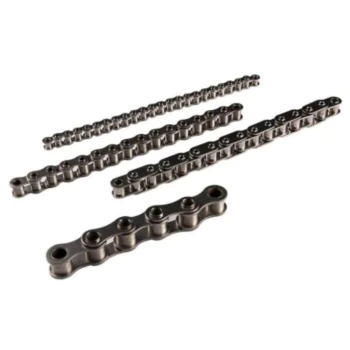
Como inspecionar e fazer a manutenção de uma corrente de transmissão?
Para inspecionar e fazer a manutenção de uma corrente de transmissão, siga estes passos:
- Inspecione regularmente a corrente para verificar sinais de desgaste, danos ou alongamento. Procure por elos desgastados, roletes ou placas danificados e sinais de corrosão.
- Limpe a corrente para remover sujeira, detritos e qualquer acúmulo de lubrificante. Use um produto de limpeza adequado e uma escova para limpar cuidadosamente a corrente e certifique-se de que esteja completamente seca antes da lubrificação.
- Verifique a tensão da corrente para garantir que esteja dentro da faixa especificada pelo fabricante. Ajuste a tensão, se necessário, seguindo as orientações do fabricante.
- Verifique o alinhamento da corrente nas engrenagens. O desalinhamento pode causar desgaste irregular e redução do desempenho. Ajuste o alinhamento, se necessário, seguindo as instruções do fabricante.
- Aplique o lubrificante recomendado na corrente, seguindo as instruções do fabricante. A lubrificação adequada reduz o atrito, minimiza o desgaste e previne a corrosão.
- Verifique periodicamente a corrente para detectar sinais de desgaste, danos ou lubrificação inadequada. Resolva quaisquer problemas imediatamente, reparando ou substituindo os componentes danificados.
Seguindo essas práticas de inspeção e manutenção, você pode garantir que a corrente de transmissão permaneça em boas condições, tenha um desempenho ideal e uma vida útil prolongada.


Editor por CX 2023-08-17