Descrição do produto
Descrição do produto
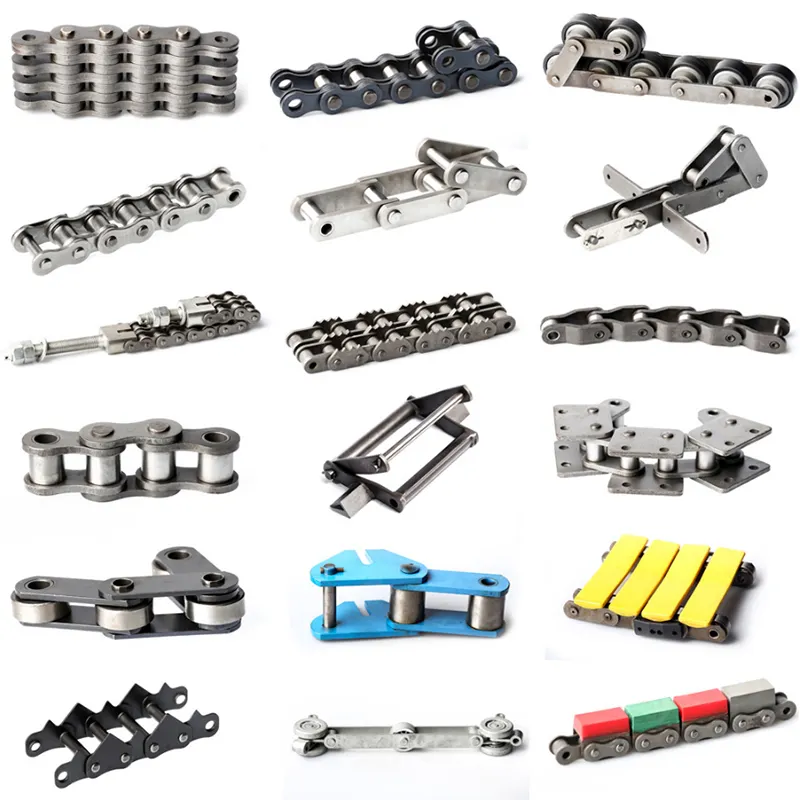
Pitch P=100, 125, 150, 152.4, 160, 200mm with attached plate conveyor chain according to drawing
Rollers are available: small roller (S type), large roller (P type), convex edge roller (F type)
Roller diameters are 36, 42, 50, 60, 70, 85, 100, 120mm etc.
Chain plates are available: single side horizontal CZPT plate attached plate, single side bent plate with ears and double holes type A2, double side bent plate type K2. The chain plate thickness is 4, 5, 6, 7, 8, 10, 12 mm. The width of the chain plate is 25, 30, 35, 40, 50, 60, 70 mm, etc.
Pin diameters are 10, 12, 15, 18, 21, 25mm, etc.
M series metric conveyor chains are available in the following models: M56, M80, M112, M160, M224, M315.
M315,the dimensions are in accordance with the standard GB8350-87.
And can be matched with sprockets.
Atributo do produto
| Product Name | Conveyor Chians |
| Available materials | carbon steel, alloy steel,stainless steel |
| OEM customisation according to your requirements | |
| Tratamento de superfície | Shot peening, Zinc-plated, Nickel-plated, Anodized, etc. |
| Desempenho | High temperature resistant Abrasion resistant |
| Reference standards | ISO,DIN,ANSL |
| Customised drawings | YES |
| Certificates | ISO9001:2008 SGS brand TV |
| Prazo de entrega | 20 days for samples. 45 days for official order. |
| Embalagem | Plastic Bag + Cardboard Box + Wooden |
Parâmetros do produto
Nossas vantagens
Company Advantages:
Possui licença própria de importação e exportação, a marca de TV está registrada com sucesso em diversos países, a rede de vendas se estende por toda a China e os produtos são exportados para 65 países em 5 continentes.
Adesão:
1. Membro da Associação Chinesa da Indústria de Componentes de Máquinas em Geral.
2. Membro da Associação Chinesa de Transmissão em Cadeia.
3. Membro da Associação Chinesa de Padronização de Cadeias de Suprimentos.
4. Membro da Associação Chinesa de Fabricantes de Máquinas Agrícolas.
Com nossa equipe altamente treinada, equipamentos avançados e eficientes, rede de vendas completa e sistemas de controle de qualidade rigorosos, você tem a garantia de que nossa cadeia de suprimentos premium atenderá a todas as especificações dos clientes e aos mais altos padrões de qualidade.
Please do not hesitate to contact us for more information on how TransVision products can meet your industries demands at highly competitive pricing.
Quality First, Clients Uppermost.
Product Categories
POR QUE NOS ESCOLHER?
Portfólio de Produtos Abrangente. Produzimos e fornecemos uma ampla gama de sistemas de transmissão de energia.
produtos incluindo correntes de transmissão, correntes de lâminas, correntes transportadoras, correntes agrícolas, rodas dentadas e
acoplamentos. Essa experiência de compra em uma única loja reduzirá significativamente seus custos de busca, enquanto
Garantimos que você encontrará o que deseja com apenas um clique.
Produtos com Ótimo Custo-Benefício. Nossos produtos oferecem a melhor combinação de qualidade e preço, e você recebe exatamente o que procura.
você deseja dentro do seu orçamento
Equipe de Vendas e Engenharia Experientes. Contamos com 15 vendedores experientes e 5 engenheiros;
Nossa equipe está à sua disposição sempre que precisar de ajuda. Eles são bem treinados e têm experiência no setor.
Estamos sempre prontos para responder às suas solicitações em até 24 horas.
Taxa de retenção de clientes 100% Nossos clientes regulares do exterior retornam não apenas por causa de nossos
Produtos de qualidade premium, mas também pelos serviços superiores que temos prestado ao longo dos anos.
Perguntas frequentes
P1: Qual é o seu prazo médio de entrega?
R: Varia. Nosso prazo de entrega padrão, do início ao fim, é de 1 a 2 meses. Também oferecemos envios expressos para pedidos urgentes. Para mais detalhes, consulte um de nossos representantes de vendas.
Q2: Seu preço é melhor do que o de seus concorrentes, considerando a mesma qualidade?
A: Definitivamente, SIM. Oferecemos o preço mais competitivo do setor de transmissão de energia. Se houver alguma discrepância de preço, teremos o maior prazer em igualar a oferta.
Q3: Vocês conseguem fabricar correntes de acordo com meus desenhos CAD?
R: Sim. Além das correntes padrão regulares, produzimos produtos não padronizados e com design personalizado para atender a requisitos técnicos específicos. Na verdade, uma parcela considerável de nossa capacidade de produção é destinada à fabricação de produtos não padronizados.
Q4: Podemos inspecionar as mercadorias antes do envio?
A: Sim. Você, seu representante ou qualquer terceiro designado para a inspeção tem permissão para acessar nossas instalações e realizar a inspeção.
Q5: Que tipo de método de pagamento é aceito pela sua fábrica?
A: Somos flexíveis. Aceitamos T/T, L/C ou qualquer outro método de pagamento online, desde que seja viável para você.
P6: E se eu tiver mais alguma dúvida?
A: Em caso de dúvida, não hesite em consultar um de nossos representantes de vendas a qualquer momento. Eles o ajudarão e garantirão sua satisfação.
|
Custo do frete:
Frete estimado por unidade. |
A negociar. |
|---|
| Material: | Liga |
|---|---|
| Estrutura: | Hollow Chain |
| Tratamento de superfície: | Galvanoplastia |
| Personalização: |
Disponível
| Solicitação personalizada |
|---|
How does the length of a transmission chain impact its performance?
The length of a transmission chain plays a significant role in its overall performance and functionality. Here’s a detailed explanation:
1. Proper Fit and Function: The length of a transmission chain needs to be carefully selected to ensure it fits and functions correctly within the designated system. If the chain is too short, it may not be able to reach the sprockets or pulleys properly, leading to ineffective power transmission and potential chain slippage. On the other hand, if the chain is too long, it may sag, create excessive tension, or cause interference with other components, resulting in inefficient operation or premature wear.
2. Tension and Slack Control: The length of a transmission chain affects the tension and slack control within the system. A properly tensioned chain ensures optimal power transmission, reduces backlash, and minimizes the risk of chain derailment. The chain length must be adjusted to maintain the appropriate tension throughout the operating cycle, considering factors such as load variations, temperature changes, and system dynamics.
3. Flexibility and Bending Requirements: The length of a transmission chain influences its flexibility and bending characteristics. Longer chains may have a higher degree of flexibility, allowing them to navigate complex paths or accommodate greater distances between sprockets or pulleys. However, excessive chain length can lead to excessive bending, resulting in increased friction, wear, and potential premature failure.
4. Sprocket Interactions: The length of the transmission chain affects its interaction with the sprockets or pulleys. The number of chain links determines the engagement between the chain and the teeth of the sprockets. Proper length ensures smooth engagement, minimal tooth wear, and efficient power transfer. Incorrect chain length can cause misalignment, increased noise, and accelerated sprocket or chain wear.
5. System Efficiency and Performance: The length of a transmission chain directly impacts the overall efficiency and performance of the system. A properly sized chain ensures optimum power transmission, minimal energy losses, and reliable operation. By selecting the appropriate chain length, system designers can maximize efficiency, minimize wear, and optimize the lifespan of both the chain and related components.
When selecting the length of a transmission chain, it’s crucial to consider the specific requirements of the application, including the distance between sprockets or pulleys, the desired tension, and the expected load conditions. Consulting with chain manufacturers or industry experts can provide valuable guidance in determining the appropriate chain length for optimal performance and longevity.
How does the choice of lubricant impact the performance of a transmission chain?
The choice of lubricant plays a critical role in ensuring the optimal performance and longevity of a transmission chain. Here’s a detailed answer to the question:
1. Reduced Friction and Wear: Lubricants create a protective film between the moving parts of the transmission chain, reducing friction and wear. This helps to minimize metal-to-metal contact and prevent surface damage, extending the chain’s lifespan.
2. Enhanced Efficiency: Proper lubrication reduces energy losses due to friction, improving the overall efficiency of the transmission system. By reducing frictional resistance, the lubricant allows for smoother power transmission, reducing power consumption and increasing system efficiency.
3. Heat Dissipation: Lubricants aid in heat dissipation by absorbing and dissipating heat generated during chain operation. This helps to prevent excessive chain temperature rise, which can lead to accelerated wear, lubricant breakdown, and potential chain failure.
4. Corrosion Protection: Lubricants provide a protective barrier against moisture, humidity, and other corrosive elements. This helps to prevent rust and corrosion, which can weaken the chain and reduce its performance. Choosing a lubricant with anti-corrosion properties is essential, especially in harsh or corrosive environments.
5. Contaminant Removal: Lubricants can help remove contaminants such as dirt, dust, and debris from the chain’s contact surfaces. This prevents abrasive particles from causing premature wear and damage to the chain, ensuring smooth operation and reducing the risk of chain failure.
6. Temperature Stability: Different lubricants have varying temperature stability properties. It is crucial to select a lubricant that can maintain its viscosity and lubricating properties within the operating temperature range of the transmission chain. This ensures consistent lubrication and performance under various temperature conditions.
7. Compatibility: It is important to choose a lubricant that is compatible with the materials used in the transmission chain. Some lubricants may react with certain chain materials, leading to degradation or damage. Ensuring compatibility helps maintain the integrity of the chain and avoids any adverse effects.
8. Lubrication Interval: The choice of lubricant can also affect the lubrication interval, i.e., the frequency at which the chain needs to be relubricated. Some lubricants offer longer-lasting lubrication properties, reducing the maintenance requirements and downtime associated with frequent relubrication.
It is crucial to follow the manufacturer’s recommendations and guidelines regarding lubrication for the specific transmission chain. Regular inspection, monitoring, and proper maintenance practices should be implemented to ensure the chain remains adequately lubricated for optimal performance and longevity.
De que forma o passo da corrente de transmissão afeta seu desempenho?
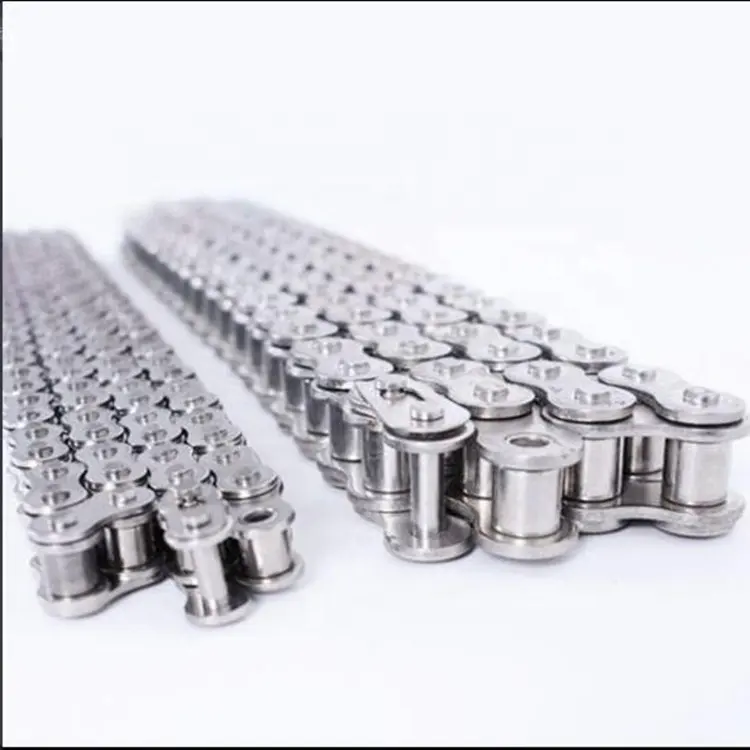
O passo da corrente de transmissão desempenha um papel crucial na determinação de seu desempenho e adequação a aplicações específicas. O passo refere-se à distância entre elos adjacentes da corrente, normalmente medida do centro de um pino ao centro do pino seguinte.
O passo da corrente de transmissão afeta seu desempenho das seguintes maneiras:
- Capacidade de carga: Correntes com passos maiores geralmente têm maior capacidade de carga. Um passo maior permite o uso de componentes maiores, como pinos e roletes, que podem suportar forças maiores e transmitir mais potência.
- Capacidade de velocidade: O passo da corrente também afeta sua capacidade de velocidade. Correntes com passos menores são geralmente projetadas para velocidades mais altas, pois oferecem um engate mais suave com as rodas dentadas e menor inércia.
- Resistência ao desgaste e à fadiga: Passos menores distribuem a carga por mais pontos de contato, reduzindo a tensão em componentes individuais. Isso pode melhorar a resistência ao desgaste e aumentar a vida útil da corrente em relação à fadiga.
- Compacidade e limitações de espaço: Em aplicações onde o espaço é limitado, correntes com passo menor são preferíveis, pois permitem um design mais compacto.
É importante observar que a seleção do passo adequado depende dos requisitos específicos da aplicação, incluindo a carga esperada, a velocidade e o espaço disponível. Diferentes tamanhos de passo estão disponíveis para atender a uma ampla gama de aplicações, desde máquinas leves até máquinas pesadas.


editor by CX 2023-07-31