Descrição do produto
Timing System Roller Drive Chain For Automobile Engine
|
Material |
Carbon steel 40Mn |
|
Padrão |
ANSI DIN ISO |
|
Grade |
Padrão |
|
Brand |
EVER-POWER |
|
Tom |
15.875mm |
|
Used |
universal industry machinery/agriculture machine |
Related Products
Company
| Uso: | Corrente de transmissão, corrente de arrasto, corrente transportadora, corrente especial dedicada |
|---|---|
| Material: | Iron |
| Tratamento de superfície: | Floração de óleo |
| Recurso: | Oil Resistant |
| Tamanho da corrente: | 1/2"*3/32" |
| Estrutura: | Corrente de rolos |
| Exemplos: |
US$ 9999/Piece
1 unidade (pedido mínimo) | |
|---|
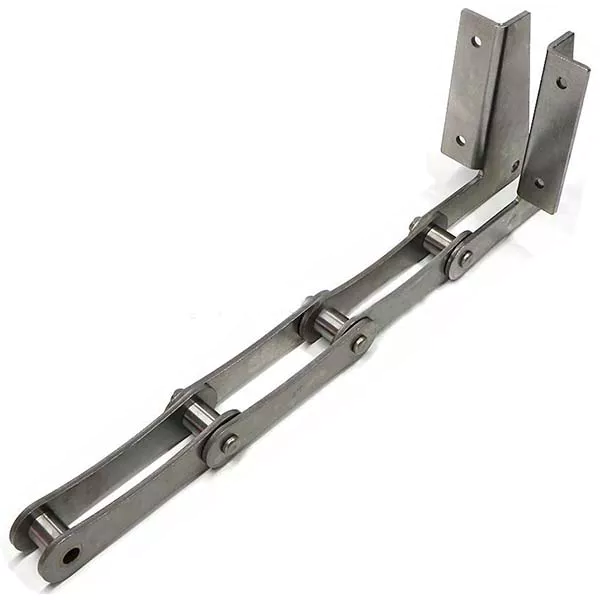
De que forma o projeto de uma corrente de transmissão afeta sua eficiência e desempenho?
O projeto de uma corrente de transmissão desempenha um papel crucial na determinação de sua eficiência e características de desempenho. Segue uma explicação detalhada:
A eficiência e o desempenho de uma corrente de transmissão são influenciados por diversos fatores de projeto que são cuidadosamente considerados durante o seu desenvolvimento:
- Passo e tamanho da corrente: O passo e o tamanho dos elos da corrente afetam a capacidade de carga, a eficiência e o desempenho geral da corrente de transmissão. É necessário encontrar um equilíbrio adequado entre o tamanho e a resistência da corrente para garantir a transmissão ideal de potência, minimizando o atrito e as perdas de energia.
- Design do rolo: O formato e as dimensões dos roletes da corrente influenciam sua eficiência e desempenho. Roletes bem projetados reduzem o atrito e o desgaste, promovendo um movimento de rolamento suave entre a corrente e os dentes da engrenagem. Eles também contribuem para uma melhor transmissão de potência e níveis de ruído reduzidos.
- Design da placa e do pino: O formato e o material das placas e pinos da corrente influenciam sua resistência, durabilidade e flexibilidade. Placas e pinos com design adequado garantem transmissão de potência confiável, resistência ao desgaste e capacidade de suportar cargas de impacto e condições de torque variáveis.
- Perfil da roda dentada e desenho dos dentes: O projeto das rodas dentadas da corrente é crucial para a transmissão eficiente de potência. Rodas dentadas com dentes usinados com precisão e perfis adequados minimizam o atrito, garantem o engate correto com a corrente e facilitam a articulação suave da mesma. Rodas dentadas bem projetadas reduzem o desgaste, o ruído e as perdas de energia.
- Características de lubrificação: O projeto de correntes de transmissão frequentemente incorpora recursos de lubrificação, como furos ou ranhuras para facilitar a distribuição adequada do lubrificante ao longo das partes móveis da corrente. Recursos de lubrificação bem projetados garantem uma lubrificação eficaz, reduzem o atrito, previnem o desgaste e aumentam a eficiência e a vida útil da corrente.
- Seleção de materiais: A escolha dos materiais para os componentes da corrente, como roletes, placas, pinos e buchas, impacta significativamente sua eficiência e desempenho. Os materiais selecionados devem possuir resistência mecânica, resistência ao desgaste e resistência à fadiga adequadas para suportar as condições e exigências de operação da aplicação.
- Mecanismos de tensionamento e ajuste: O projeto da corrente de transmissão geralmente inclui mecanismos para tensionar e ajustar a tensão da corrente. Sistemas de tensionamento bem projetados garantem a tensão ideal da corrente durante toda a sua operação, promovendo uma transmissão de potência eficiente, reduzindo a vibração da corrente e prolongando sua vida útil.
Uma corrente de transmissão bem projetada minimiza as perdas de energia por atrito, reduz o desgaste e otimiza a eficiência da transmissão de potência. Ela proporciona uma operação suave e confiável, reduz os níveis de ruído e contribui para o desempenho geral e a longevidade do sistema de transmissão de potência.
É importante observar que o projeto da corrente de transmissão deve levar em consideração os requisitos e restrições específicos da aplicação, incluindo capacidade de carga, velocidade, condições ambientais e considerações de manutenção. Inspeção regular, lubrificação e tensionamento adequado são essenciais para manter a eficiência e o desempenho da corrente de transmissão ao longo do tempo.
Ao incorporar princípios de design eficientes e considerar os diversos fatores que influenciam o desempenho, os fabricantes podem produzir correntes de transmissão que oferecem alta eficiência, transmissão de potência confiável, vida útil prolongada e desempenho ideal em suas aplicações pretendidas.
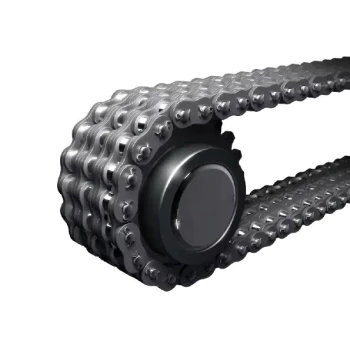
Can a drive chain be used in a textile or garment manufacturing application?
Yes, a drive chain can be used in various textile and garment manufacturing applications. Here is a detailed explanation:
In textile and garment manufacturing, machinery and equipment are essential for processes such as spinning, weaving, knitting, dyeing, printing, and garment assembly. Drive chains offer several advantages in these applications:
- Precise Power Transmission: Drive chains provide precise power transmission, ensuring accurate movement and synchronization of machine components involved in textile and garment manufacturing. They enable consistent and reliable operation throughout the manufacturing process.
- Alta capacidade de carga: Textile and garment manufacturing equipment often requires handling heavy loads, such as rolls of fabric or yarn. Drive chains have high load-carrying capacity, making them suitable for conveying, lifting, and driving mechanisms involved in material handling.
- Smooth and Reliable Operation: Drive chains offer smooth and reliable operation, minimizing the risk of sudden stops or jerky movements that could affect the quality of textile or garment production. They ensure consistent motion and precise control of machine components.
- Customization Options: Drive chains can be customized to suit specific textile and garment manufacturing applications. They are available in various sizes, pitches, and materials to accommodate different loads, speeds, and environmental conditions.
- Compatibility with Auxiliary Components: Drive chains can be easily integrated with auxiliary components commonly used in textile and garment manufacturing machinery, such as tensioners, guides, sprockets, and bearings. This allows for efficient and reliable power transmission throughout the entire system.
- Cost-Effectiveness: Drive chains offer a cost-effective solution for power transmission in textile and garment manufacturing. They have a long service life, reduced maintenance requirements, and lower replacement costs compared to some alternative power transmission systems.
It is important to consider the specific requirements of the textile or garment manufacturing application when selecting a drive chain. Factors such as load capacity, speed, environmental conditions, and maintenance considerations should be taken into account.
Regular maintenance, including inspection, lubrication, and tension adjustment, is crucial to ensure optimal performance and longevity of the drive chain in textile and garment manufacturing applications.
By utilizing drive chains in textile and garment manufacturing, operators can benefit from precise power transmission, reliable operation, and efficient production processes, contributing to high-quality textile and garment products.
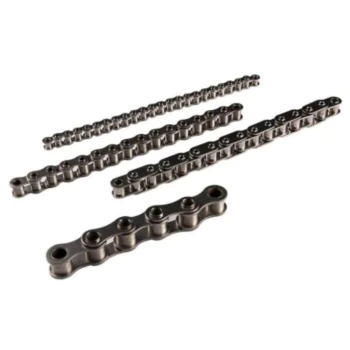
How do you inspect and maintain a drive chain?
To inspect and maintain a drive chain, follow these steps:
- Regularly inspect the chain for signs of wear, damage, or elongation. Look for worn-out links, damaged rollers or plates, and signs of corrosion.
- Clean the chain to remove dirt, debris, and any built-up lubricant. Use a suitable cleaning agent and a brush to carefully clean the chain, and ensure it is thoroughly dried before lubrication.
- Check the tension of the chain to ensure it falls within the manufacturer’s specified range. Adjust the tension if necessary, following the manufacturer’s guidelines.
- Inspect the alignment of the chain on the sprockets. Misalignment can cause uneven wear and decreased performance. Adjust the alignment if necessary, following the manufacturer’s instructions.
- Apply the recommended lubricant to the chain as per the manufacturer’s guidelines. Proper lubrication reduces friction, minimizes wear, and prevents corrosion.
- Periodically recheck the chain for any signs of wear, damage, or inadequate lubrication. Address any issues promptly through repairs or replacement of damaged components.
By following these inspection and maintenance practices, you can ensure that the drive chain remains in good condition, performs optimally, and has an extended service life.


editor by CX 2023-07-31